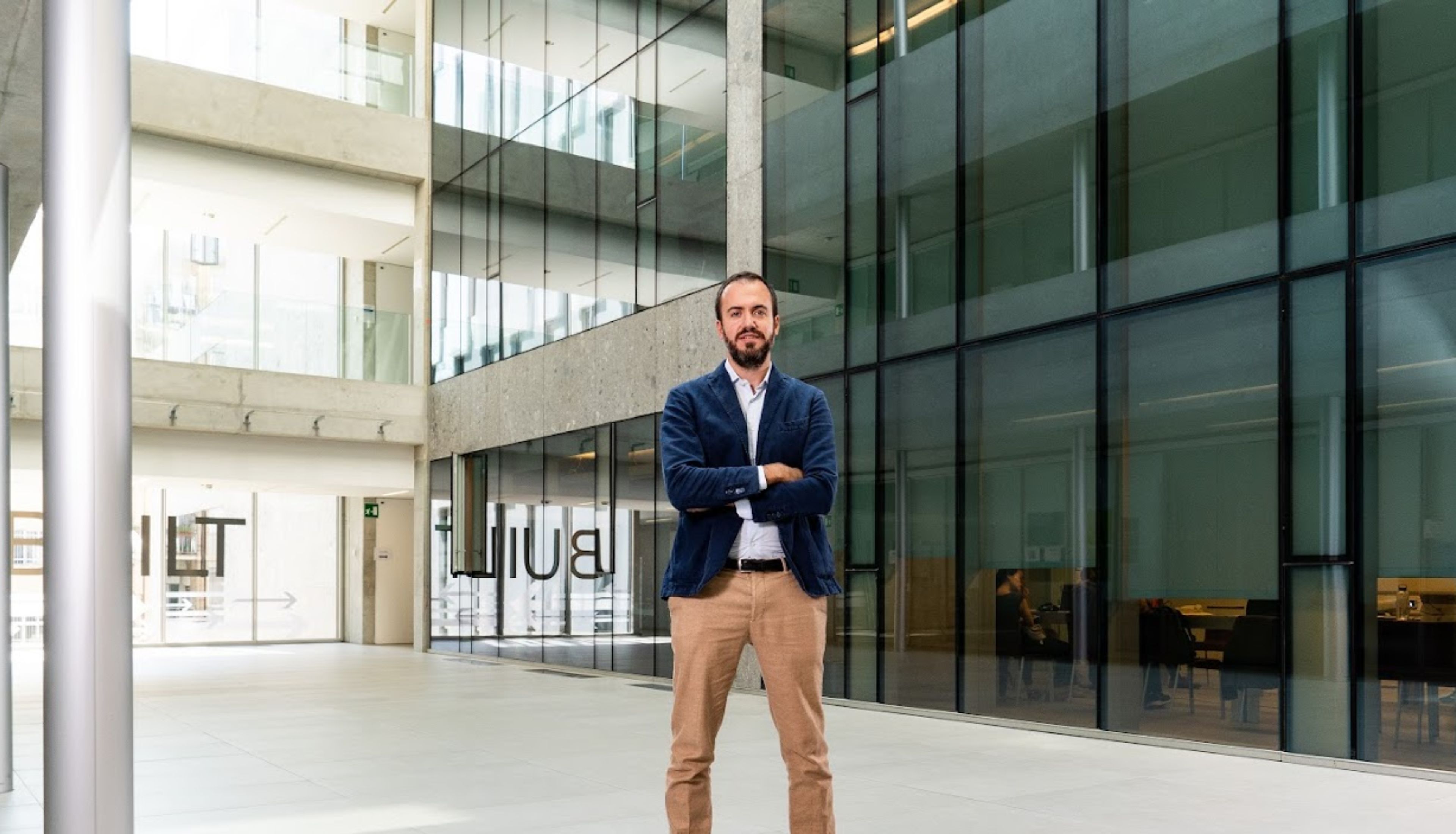
Conflict across Africa is anticipated to escalate in 2025, characterized by persistent violence and challenges to established regimes. Despite high conflict levels, Africa's violence currently remains lower than that of the Middle East and Latin America. Key factors sustaining conflict in Africa include abundant opportunities for violence, increasing incentives for conflict engagement, and ineffective mitigation efforts. While the number of organized rebel groups has decreased due to inclusive governance, the prevalence of community militias has risen, exposing a larger portion of the population to political violence. Understanding these dynamics is crucial for addressing future conflict trends.
Africa
African Conflict in 2025
DeepSeek, a Chinese AI model, has been touted as a greener alternative to Western models like ChatGPT, claiming lower development costs and carbon emissions. However, experts argue that its actual operational emissions may be high due to increased usage driven by lower per-query costs. While DeepSeek's energy consumption per query is reportedly lower, overall AI-related electricity demand is expected to grow, outpacing renewable energy expansion. Current regulations lack provisions for AI's environmental impact, and without systemic changes in energy sourcing and responsible deployment, true sustainability remains uncertain.
DeepSeek will not solve AI's climate problem; regulation needed to rein in Big Tech emissions: experts

The US government has frozen millions in aid, significantly impacting transitional justice projects worldwide. This suspension affects NGOs' efforts in evidence-gathering and victim support for international crimes. For instance, in Liberia, a high-level delegation was blindsided by the aid freeze, jeopardizing discussions on the War and Economic Crimes Court. Similarly, Ukraine faces a potential loss of $89 million in justice funding amid ongoing war crime investigations. Various organizations are now considering legal challenges against the aid freeze, which has created a precarious situation for those involved in foreign assistance.
US aid freeze: how many dead?
Economic inequality has historical roots, emerging from specific socioeconomic contexts rather than being an inevitable fate. Research by Samuel Bowles and Mattia Fochesato highlights how prehistoric and ancient societies exhibited varying levels of inequality, with hunter-gatherers and certain early agricultural communities demonstrating more equitable resource sharing. Technological advancements, like the plow and modern digitization, have exacerbated wealth concentration. The hereditary transmission of wealth further perpetuates disparities, reinforced by political institutions that often favor the elite. Inequality, thus, results from deliberate economic and political choices, and there is potential for interventions to promote social equality.
Education
The Long Shadow of Inequality

The automation of interpersonal professions such as therapy, teaching, and caregiving poses risks to the essence of human connection in these roles. Allison Pugh emphasizes the importance of "connective labour," which relies on the mutual recognition between individuals. While advancements in AI may offer personalized experiences, true relational understanding and dignity arise from human interactions. Historical resistance to automation reflects society's ongoing negotiation of which roles should remain human-centric, as seen in past debates over mechanization in various fields.
Education
AI and the consent of the automated

The increasing automation of professions such as therapy, teaching, and caregiving jeopardizes the essence of interpersonal work, which relies on authentic human connections. Although advancements in AI promise significant transformations, there's an urgent need to assess their impact on essential relational tasks. The manipulation of human recognition by technology threatens the mutual dignity and understanding that arise from human interactions. Historical resistance to automation highlights the need to carefully consider which roles should remain human-centered, as the boundaries of automation continue to shift.
Education
When we automate therapy, teaching and caregiving, we risk automating ourselves

Immigration has become the pivotal issue in Germany's 2025 federal election, framed increasingly in moral terms by various political actors. CDU candidate Friedrich Merz's reliance on the far-right AfD for support has intensified moralization, leading to accusations of breaking political taboos and altering public discourse on immigration. Research reveals that elite polarization drives this moralization across the political spectrum, with the AfD uniquely influencing public conversations through negative moral-emotional rhetoric. This moral framing fosters deeper societal divisions, complicating future cooperation and exacerbating political polarization, likely impacting Germany’s political landscape for years.
Germany
The German election campaign is turning immigration into a question of right and wrong

Remote sustainability courses are essential for quickly upskilling professionals to address climate challenges, according to Dr. Theo Hacking from the Cambridge Institute for Sustainability Leadership (CISL). The launch of a fully online Postgraduate Certificate in Sustainable Business (PCSB) aims to bridge the global sustainability talent gap, countering a projected shortfall of skilled workers by 2030. LinkedIn reports a rise in demand for green talent, highlighting a widening gap, with potential consequences for climate goals. Enhancing accessibility to sustainability education is crucial for equipping leaders to drive effective climate action within organizations.
Asia Pacific | Financial services, Health, ICT, Education
Remote sustainability courses could close global skills gap, says University of Cambridge Director
Enhancing multimodal transport, standardization, and digital integration can significantly improve logistics efficiency in South Asia, particularly in India, Bangladesh, and Nepal. The logistics sectors in these countries face challenges such as overburdened roads, a lack of standardization, and insufficient multimodal infrastructure, resulting in higher costs and environmental issues. India's logistics sector is transforming, with projected growth supported by infrastructure upgrades and policy reforms, and has seen major improvements in export performance. Bangladesh and Nepal also need structural reforms and investment to enhance their logistics capabilities, promote regional economic integration, and create job opportunities while reducing emissions.
Bangladesh, India, Nepal, Rwanda, Sri Lanka
Get Moving: Smarter Logistics Can Boost Efficiency and Cut Costs in South Asia

Businesses and governments must acknowledge the significant impact of older adults in the workforce, especially as populations age. Many older individuals are eager to work and enhance their skills in a digital economy but face barriers such as ageism and a lack of technological proficiency. Digital platforms like GetSetUp are addressing these gaps by providing extensive education that enables older adults to gain financial stability and job-related skills. Despite their willingness, challenges including rapid technological changes and limited flexible jobs persist. Promoting digital inclusion and equitable hiring practices is essential to harness the potential of this demographic, which can help mitigate economic slowdowns associated with an aging population.
Health, Education
Older adults are driving workforce innovation in a digital economy. Here's how
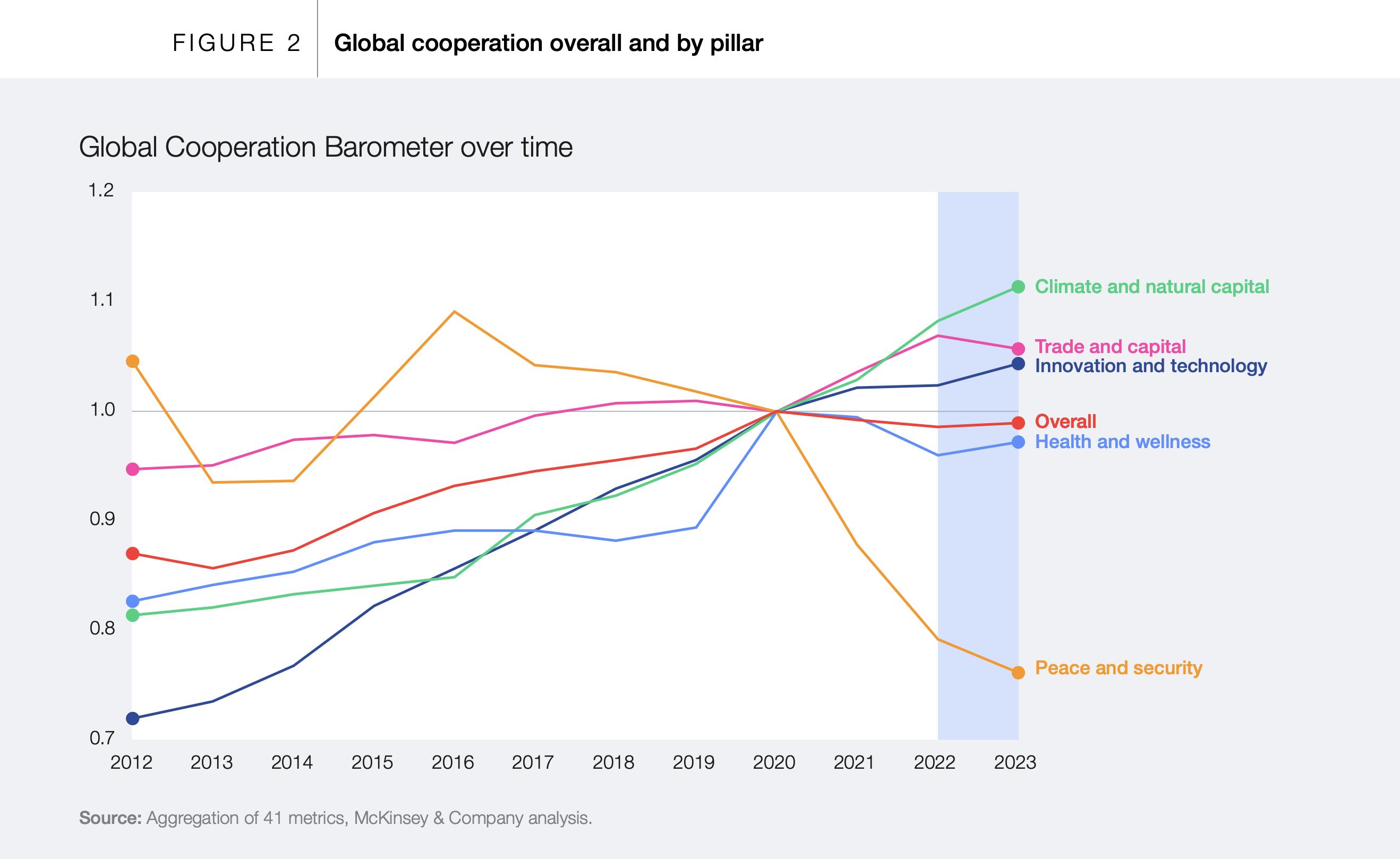
Global collaboration faces stagnation amid geopolitical tensions, according to the World Economic Forum's Global Collaboration Barometer. Four experts highlight the need for adaptive strategies to foster partnerships. Sir Richard Moore emphasizes harnessing technology for humanity's benefit while maintaining collaboration despite global conflicts. Bronwen Maddox notes the power of individuals to influence leaders amid uncertainty. Dr. Comfort Ero stresses the fragility of crisis management systems and the necessity of sustained efforts for long-term change, citing the ceasefire in Gaza as a hopeful example. The necessity for forward-thinking remains critical.
Financial services, Education, Health
Is there hope for global collaboration? 4 experts weigh in

Feeling stuck in a funk can stem from various sources, including post-holiday blues or a lack of purpose. To navigate out of this state, express your feelings through writing or art, recall positive memories to counteract negativity, engage with others, and spend time in nature. Prevention strategies include building resilience by identifying resources that boost well-being and cultivating hope by envisioning a positive future. Consistently practicing these techniques can improve mental health and help avoid future funks.
Feel like you’re in a funk? Here’s what you can do to get out of it – and how you can prevent it from happening in the future

A Trump presidency could lead to significant changes in the approach to geoengineering, which involves large-scale climate manipulation to address climate change. Despite Trump's initial stance favoring fossil fuels, extreme weather events may prompt him to explore geoengineering options for emergency action. Techniques like stratospheric aerosol injection and marine cloud brightening could be considered. Trump might invest in geoengineering research to benefit economic sectors like insurance, while the broader debate on governance and risks associated with such technologies continues. Increased funding could accelerate geoengineering's integration into mainstream climate strategies.
Geoengineering is politically off-limits – could a Trump presidency change that?

The German federal elections on 23 February are expected to yield a fragmented political landscape, with the potential for significant shifts in power and policy direction. The collapse of the previous coalition government was triggered by internal conflicts over issues like the Ukraine war, energy crises, and economic recession. Mainstream parties now show limited differences on EU matters, while the far-right AfD gains traction with its anti-EU stance. The next government must address urgent European and domestic challenges amidst rising political fragmentation and varying party priorities.
Germany
Germany is no longer a source of stability for Europe
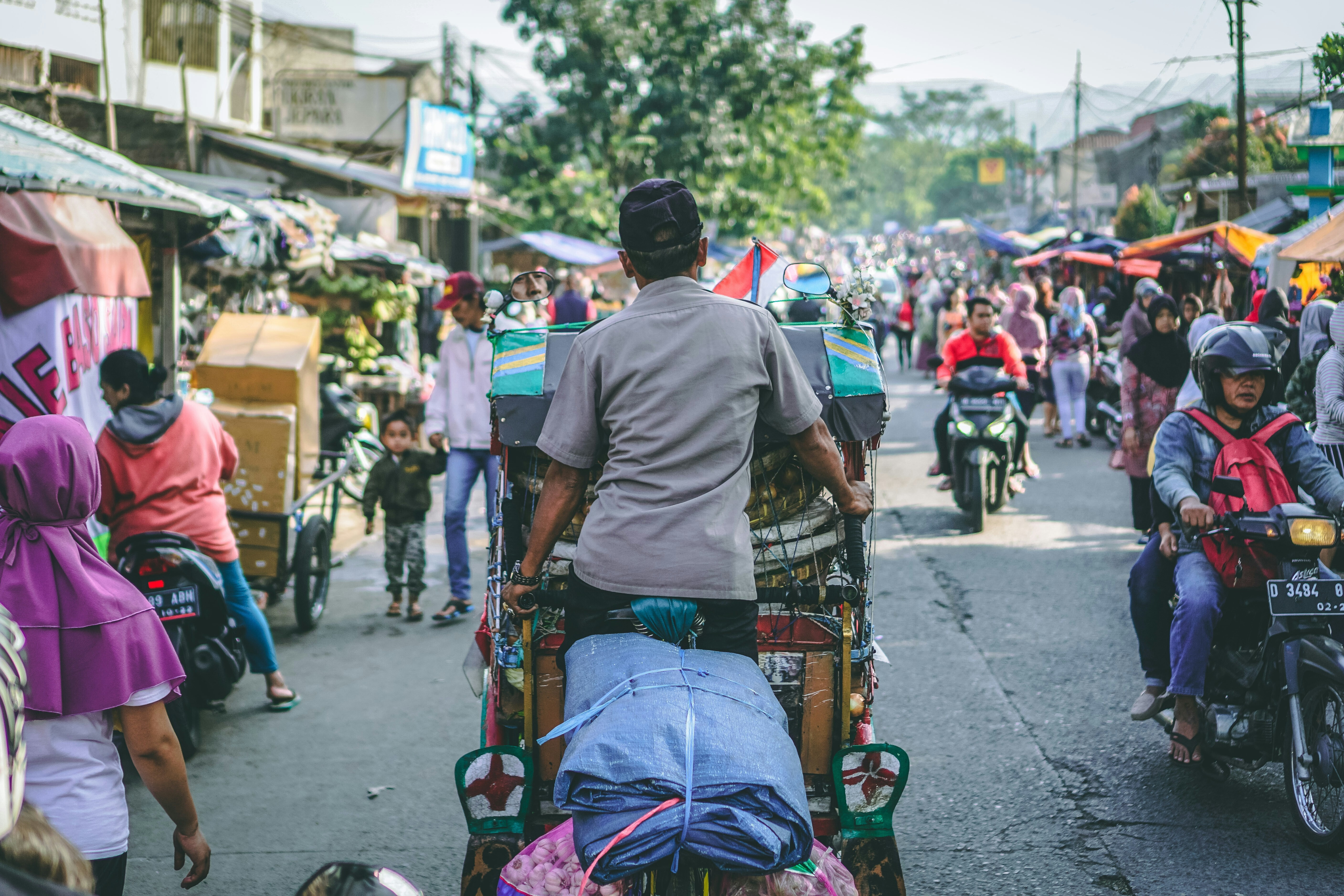
AI's rise in Indonesia is boosting financial inclusion, supported by increased digital growth and internet penetration. Collaboration among stakeholders is crucial for sustainable AI-driven progress, as seen in the country's significant leap in financial inclusion over the past years. Concerns over data privacy, cybersecurity, and algorithm biases require a balanced regulatory environment. Initiatives like upskilling employees and integrating AI in operations aim to enhance trust and tailor services. Indonesia's efforts in personal data protection and ethical AI adoption set a path for regional leadership and equitable growth in the fintech sector.
Financial services, ICT
How the rise of AI in Indonesia is expanding financial inclusion
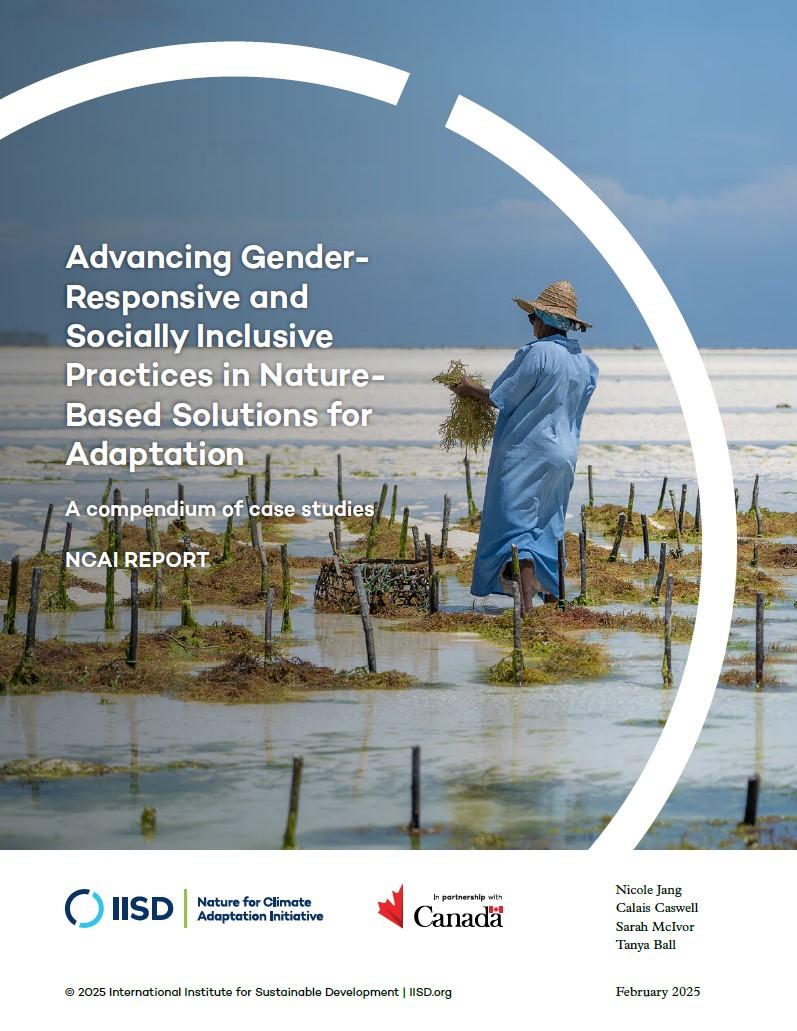
Practical case studies demonstrate the importance of integrating gender-responsive and socially inclusive practices in nature-based solutions for climate adaptation projects. Involving diverse voices, building trust with communities, and investing in inclusive monitoring processes are highlighted as key factors in enhancing project effectiveness and resilience. These studies aim to inspire adaptation practitioners to prioritize GESI considerations throughout project implementation for more impactful and sustainable outcomes.
Advancing Gender-Responsive and Socially Inclusive Practices in Nature-Based Solutions for Adaptation
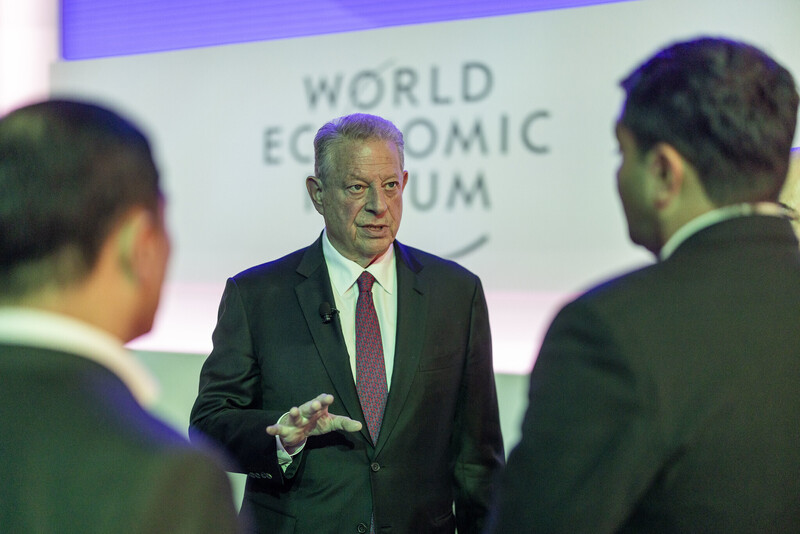
Al Gore maintains that climate action is gaining unstoppable momentum despite US policy shifts, emphasizing continued emissions reductions by various entities. He highlights the decline of fossil fuel sectors, increasing renewable energy adoption, and growing concerns about climate impact among younger generations. Gore stresses the importance of measuring emissions, citing Climate TRACE's efforts as integral to addressing global warming. The influence of climate-related disasters and the role of data tracking in managing emissions are key points in his message.
Al Gore: Action on climate is 'unstoppable', despite recent shifts in US policy

"On Privacy and Technology" by Daniel J. Solove explores the impact of digital technologies and artificial intelligence on privacy. The book examines significant concepts such as control, manipulation, and consent, highlighting the profound changes these technologies impose on individual privacy. Solove draws from various fields, including law and philosophy, to analyze the implications of a potentially dystopian future without privacy and discusses possible solutions to mitigate these challenges.
On Privacy and Technology
Japan's inclusive school systems are addressing challenges in student attendance by introducing specialist schools and online learning opportunities to foster resilience and ensure equal access to education. Efforts by the Japanese Ministry of Education aim to support students facing various obstacles, including school refusal, with the goal of creating a more supportive and flexible educational environment.
Japan | Education
What Japan's inclusive school systems can teach us about resilience
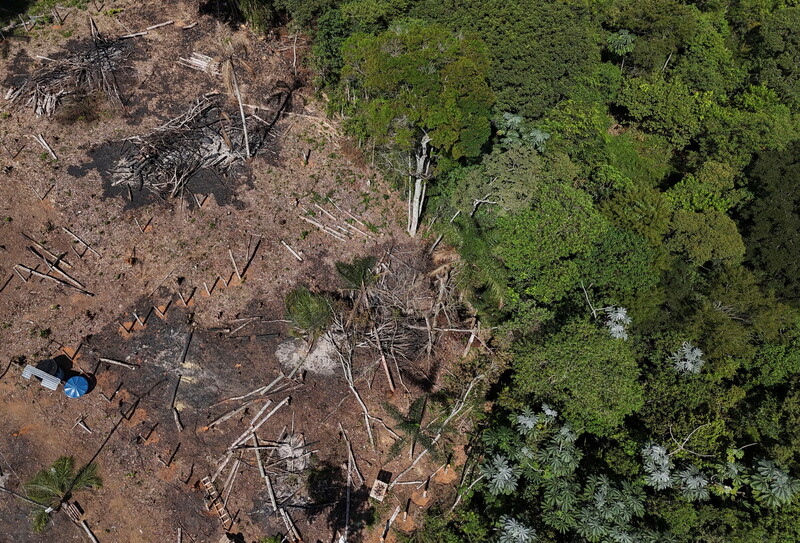
Summary: The EU's Deforestation Regulation aims to enforce deforestation-free products in European markets. Businesses can utilize technology for supply chain transparency. Delayed to 2025/2026, the regulation poses challenges, including stakeholder readiness and digital tool insufficiency. Compliance entails nature-based solutions for resilience and biodiversity protection. Private sector collaboration and tech tools, like blockchain and satellite monitoring, are crucial for ensuring compliance and sustainability.
The EU has delayed measures on deforestation-free products. But business can start today