
Bocconi University has launched VisionnAIres, an interactive platform designed to engage the public with academic research on artificial intelligence through gaming and real-world scenarios. This initiative, unveiled at the AI Festival, emphasizes ethical, futuristic, foundational, and practical perspectives on AI, guiding users through 12 scenarios influenced by faculty research. Participants receive profiles based on their decision-making. The platform also features (Im)possible Interviews, where professors converse with historical figures about AI's implications in various fields. This effort reflects Bocconi's commitment to interdisciplinary AI research and accessible scientific dissemination.
VisionnAIres: Bocconi Brings AI to Everyone with Gaming Tools and Scientific Scenarios

Large language models (LLMs) are transforming social sciences by enhancing data collection, analysis, and interpretation. They can simulate human behavior, generating realistic survey responses that closely mirror actual responses. However, concerns about reliability, societal biases, and ethical implications persist. While LLMs offer promising opportunities, such as replacing bias-prone decision rules in agent-based models, they require rigorous validation against real-world data to ensure accuracy. Future research should focus on the ethical use of LLMs, transparency, and fine-tuning for specific tasks to maximize their utility in studying human behavior and societal trends.
Education
When Models Talk: The New Frontier of Social Sciences

In the midst of Trump's trade disruptions, Canada and Mexico face a fractured North American trade landscape. With the US market access in jeopardy, an alliance with Europe is contemplated as a strategic shift for economic and security reasons, prompted by the uncertainties of NAFTA's successor under Trump's governance.
Canada, Mexico
Trump’s Trade War Tears North America Apart – Could Canada and Mexico Turn to Europe?

Anthropic has partnered with the UK government to enhance public services through advanced AI technologies like their model, Claude. The collaboration aims to improve access to government information, establish responsible AI practices, and explore AI's impact on various sectors such as scientific progress and the economy. Anthropic's Economic Index will assess AI's effects on labor markets. The UK's Technology Minister expressed the government's commitment to building frontier AI for the benefit of the country. Other governments and institutions globally are already utilizing similar AI applications for various purposes.
Anthropic partners with UK government to advance AI
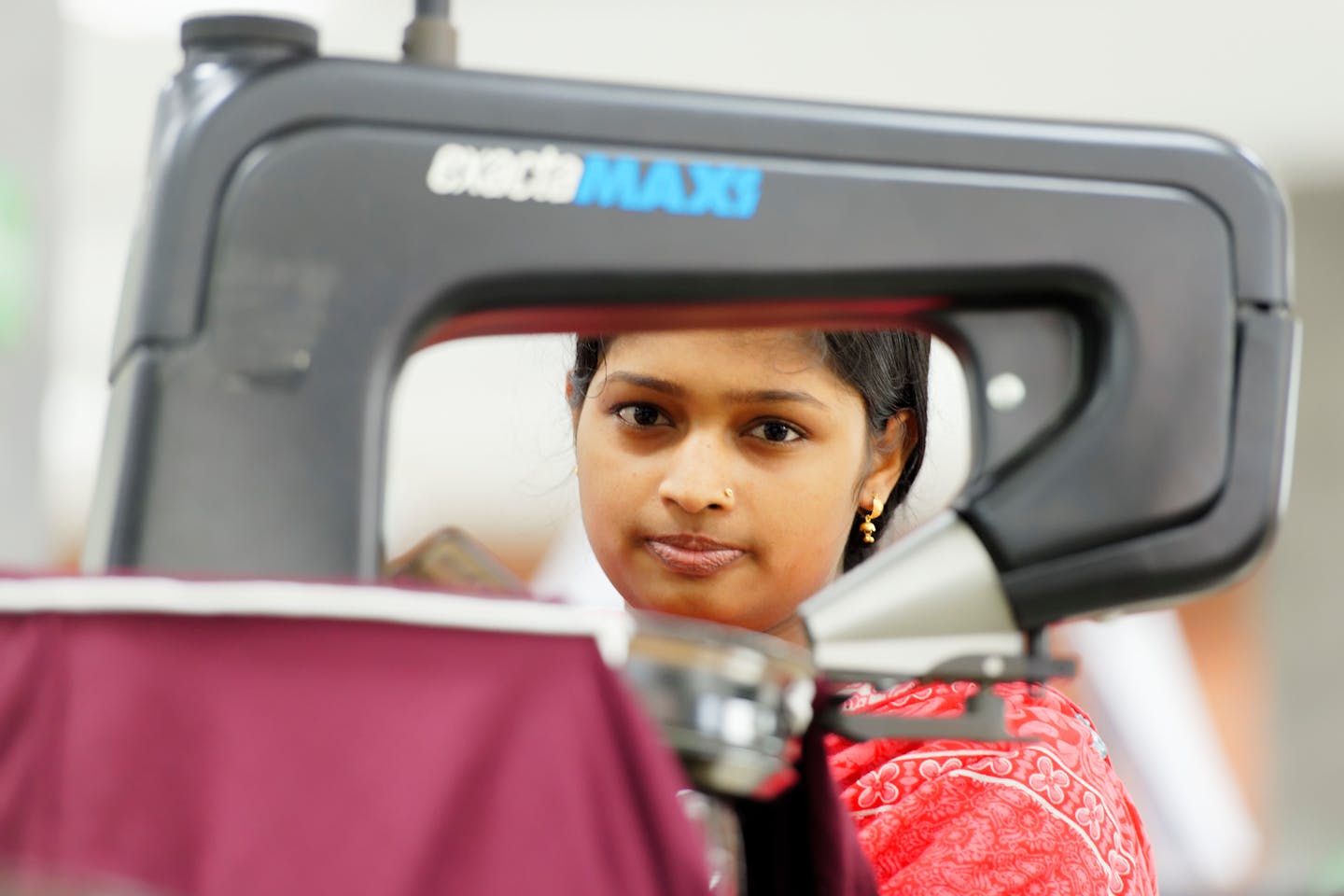
Rising energy prices are challenging the textile sector in Bangladesh, leading to factory closures and significant job losses. As the country aims to increase clothing exports to $40 billion, competition from Vietnam is intensifying. The industry grapples with a heavy reliance on fossil fuels, particularly during energy-intensive production processes. Proposed gas price hikes and increasing operational costs threaten profitability. Despite exploring renewable energy solutions like solar panels, efficiency issues remain. Experts advocate for better energy management and the adoption of more efficient technologies to reduce costs and emissions.
Bangladesh, Pakistan
Bangladesh mills feed fast fashion but go slow on green energy

Summary: Draghi's report warns of Europe's economic decline, urging for increased investments through common debt issuance. Despite identified needs of 800 billion Euro annually, the EU resists issuing new common debt, opting for limited support from the European Investment Bank and budget restructuring. This approach falls short of Draghi's recommended joint funding and may lead to underfunding critical sectors.
Education, Financial services
Facing Trump: Why Europe Must Revive Common Debt
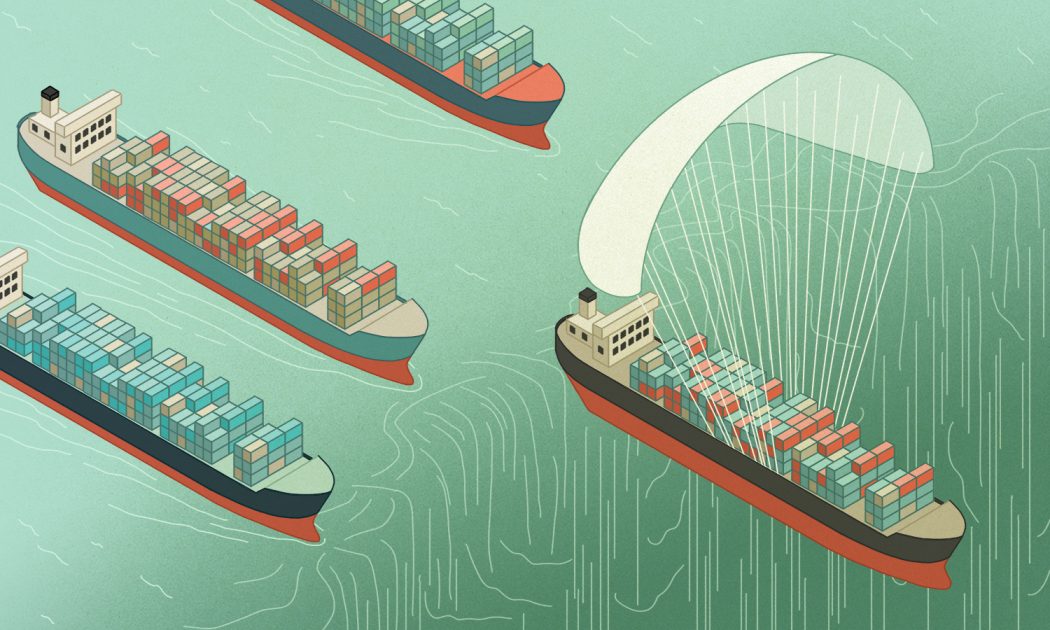
Summary: Trump's trade war extends beyond trade aspects, impacting global economies and households. Tariffs imposed by the U.S. result in cost burdens which may eventually affect consumers. While the strategy aims for better trade terms and leverage, prolonged tariffs could lead to reduced imports, increased production costs, higher consumer prices, and potential geopolitical implications.
Trump’s Trade War Is about More Than Trade
Summary: 
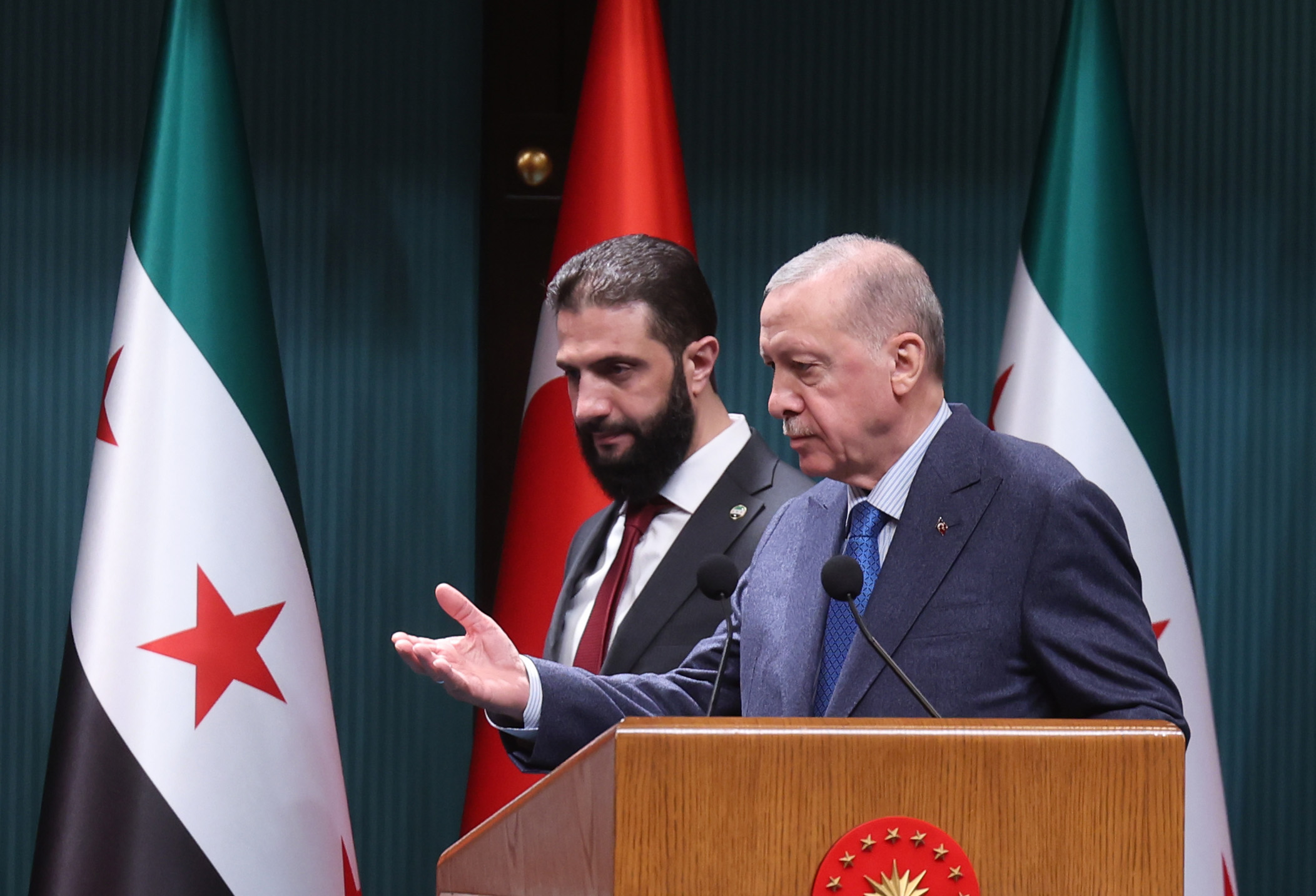
Syria faces challenges post-Assad, with Turkey influencing its future through support for the new president. Israel asserts its role, seizing territory, and preparing for tensions in Kurdish regions. Erdogan aims to position Turkey regionally amidst opposition from Sunni powers like Egypt. The new Syrian leader seeks unity among diverse groups and eschews ties with extremist factions for international legitimacy. Syria's reconstruction remains complex due to the involvement of multiple regional players like Qatar and Saudi Arabia.
Israel, Syria, Türkiye
The fight for Syria

Experts warn that the world remains unprepared for a future pandemic, despite the lessons learned from Covid-19. The risk of a new pathogen, termed “Disease X,” is considered imminent. The economic impact of Covid-19 was staggering, costing nearly US$14 trillion and resulting in approximately 15 million deaths. Global health systems have faced criticism for their inadequacies, with efforts to establish a Pandemic Fund and strengthen collaboration through a WHO treaty underway. The US, Brazil, and India experienced significant losses, each implementing varying measures to improve pandemic preparedness.
Financial services, Health
Is the world ready for another pandemic?
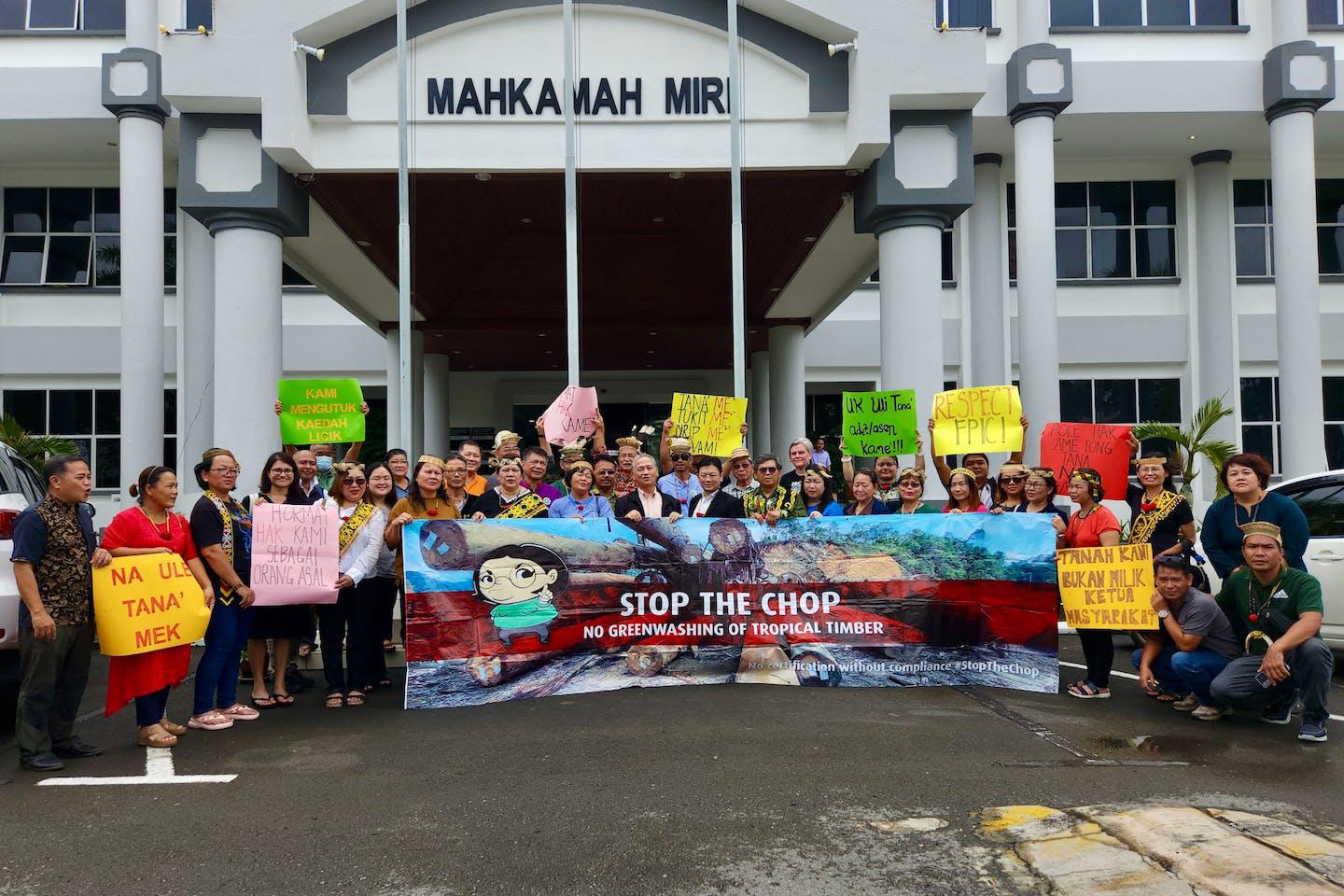
Malaysia is set to introduce laws by 2030 mandating full consent from local communities for new developments like renewable energy projects, aiming to address criticism and concerns over projects impacting Indigenous and local communities. The government plans to standardize free, prior, and informed consent (FPIC) practices to align with human rights standards and enhance community engagement in decision-making processes. Additionally, proposed legislation would prevent strategic lawsuits against public participation (SLAPPs) to safeguard community rights and access to justice.
Malaysia
Malaysia to introduce laws that require full consent of local communities to be secured before new developments

Sports business involves transversality with industries like media and fashion, relies on internationalization for growth by expanding globally, sees increased professionalization with sophisticated investments and infrastructure development, and undergoes digital transformations for fan engagement using social media and AI.
Financial services, Health
The Hidden Game: Uncovering The Business of Sports

Digital technologies in Korean firms, like AI and big data, are shown to impact high-skill and female workers in non-IT sectors negatively, unlike previous disruptions. However, in IT services, there is a shift in labor demand towards newer skill sets, creating both job displacement and new opportunities.
The Labor Market Impact of Digital Technologies

Summary: Russia's legalization of cryptocurrencies, including the potential introduction of a digital ruble, aims to evade sanctions and challenge the US dollar. However, these efforts could worsen economic decline, as the country grapples with energy demands for mining, limitations in its industrial infrastructure, and risks to financial privacy due to enhanced monitoring capabilities. While exploring stablecoins and crypto exchanges, Russia faces obstacles in achieving a viable digital currency amidst structural and regulatory challenges.
Russian Federation | Financial services
A Digital Ruble: Undermining Western Sanctions or Russia’s Economy?

China is exporting its authoritarian governance model to Africa, notably through the establishment of political party training schools like the one in Tanzania. This initiative aims to cultivate future leaders versed in Chinese Communist Party strategies, potentially fostering greater oppression on the continent. By deepening ties with African political elites, China seeks to bolster its influence, departing from its non-interference principle. This strategy, while beneficial for China, presents risks of exacerbating ethnic tensions in African societies already prone to conflict.
Tanzania
China is exporting its model of political authoritarianism to Africa
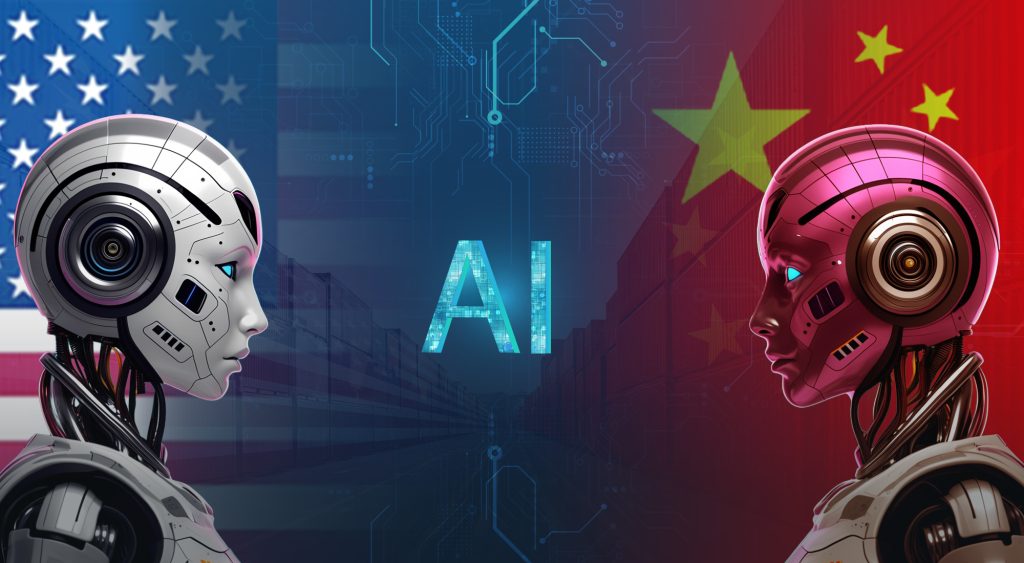
AI, particularly in the rivalry between the U.S. and China, is reshaping global power dynamics and becoming a crucial determinant of influence. This competition has far-reaching impacts on security, governance, and international relations, extending beyond the two superpowers. AI is seen as the ultimate strategic asset, impacting defense capabilities and economic growth, and transforming the ways nations assert dominance and compete on the global stage. The incorporation of AI into national strategies is setting new standards for technological dominance and reshaping the balance of power worldwide.
Health, Education
AI Rivalries: Redefining Global Power Dynamics
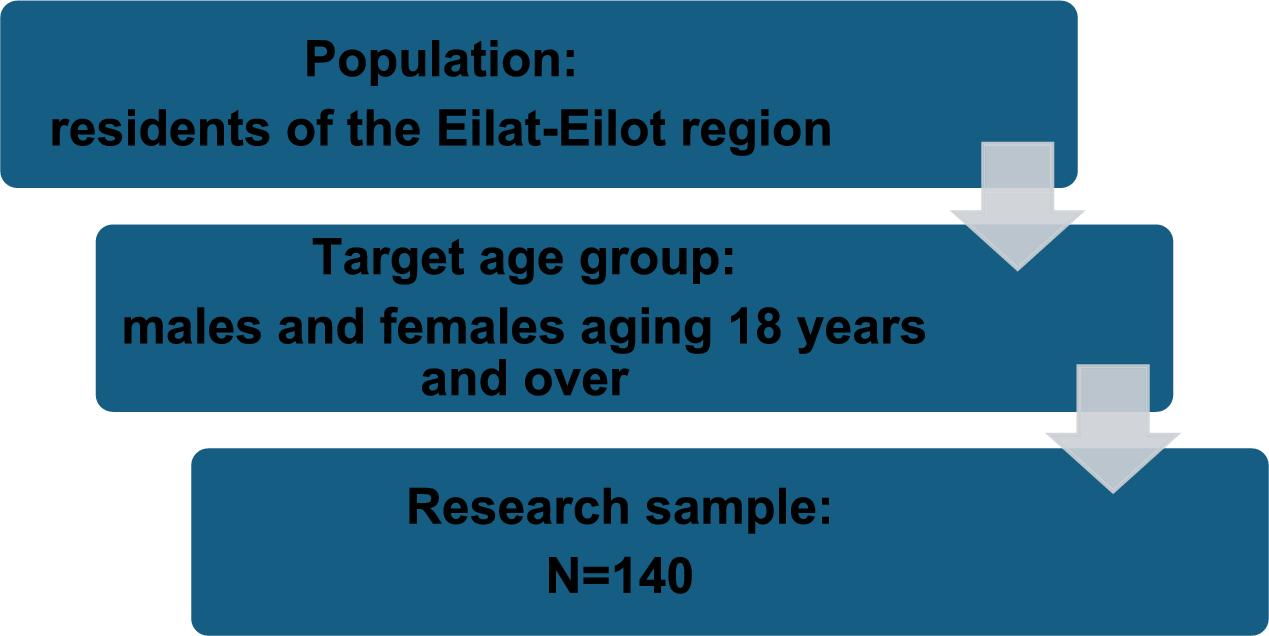
Energy storage technologies (ESTs) are vital in renewable energy systems, yet public acceptance is crucial for their implementation. A study in Israel’s southern Arava region reveals varying support levels for EST installations, highlighting economic benefits as a key factor driving acceptance. ESTs are essential for energy independence and urban resilience, critical in combating climate change.
Israel
Social acceptance of energy storage technologies: empirical evidence from the southern Arava region, Israel

Turkey's rapid drone exports raise human rights concerns due to their "no-questions-asked" policy and potential implications for warfare ethics. The rise in drone popularity is fueled by cost-effectiveness and precision in military operations. Turkey's success stems from its policy flexibility and battlefield effectiveness, with concerns over an emerging drone arms race and escalating civilian casualties in conflict zones.
Türkiye
A human rights perspective on Turkey’s drone exports

The US-China trade war impacts crucial metals like gallium and germanium, essential for clean energy and technology. China's export controls on gallium led other countries to consider expanding production. These metals are vital for various high-tech applications with limited substitutes. The global push to diversify critical mineral supply chains is gaining momentum. China's stronghold on gallium and germanium production gives it an advantage in the trade dispute, prompting efforts to bolster production outside China.
Metals Crucial to Clean Energy Are Getting Caught Up in the US–China Trade War
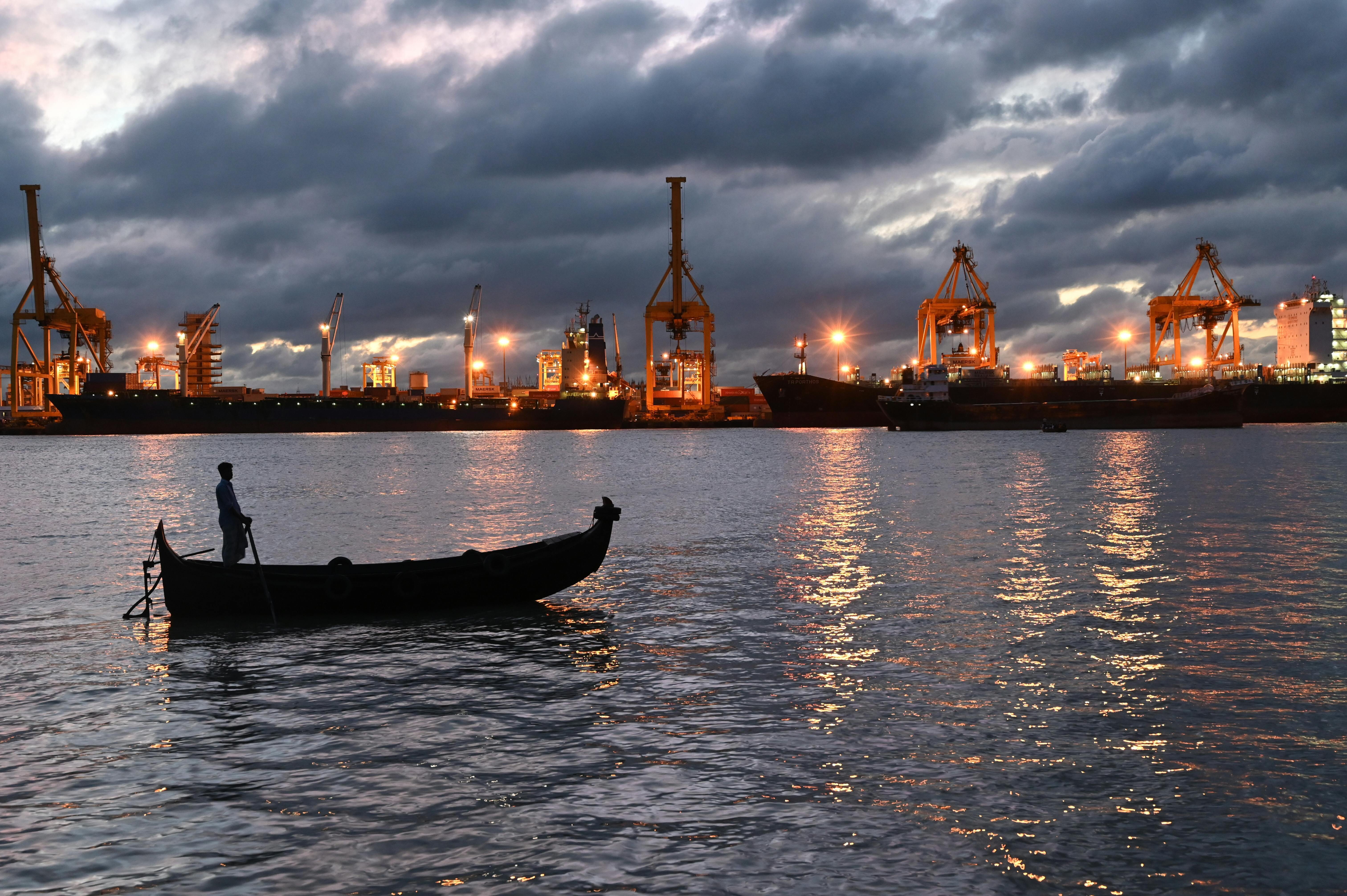
Summary: The 2030 Water Resources Group facilitates multi-stakeholder collaboration to address global water security challenges, focusing on agriculture, urban water supplies, and water reuse. Initiatives include promoting sustainable farming practices in India, enhancing urban water management in cities at risk, and expanding wastewater treatment services in Bangladesh through public-private partnerships to improve water quality and benefit millions.
Health
Securing water through the power of multi-stakeholder action
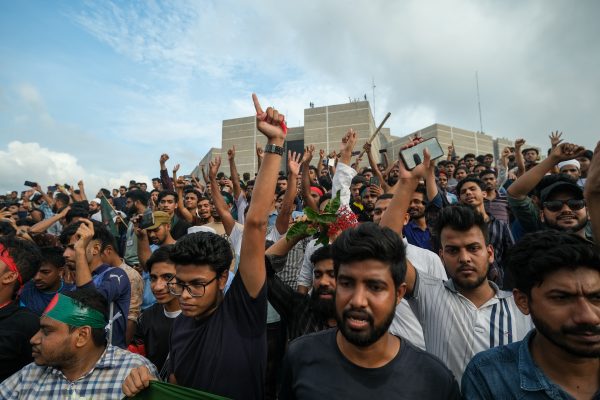
Summary: The article examines the Monsoon Revolution in Bangladesh from 2009 to 2024, debunking claims of foreign meddling. It highlights the organic nature of the uprising rooted in systemic oppression, youth activism, and collective resilience. The movement was propelled by years of repressive governance and indigenous grievances, including previous youth movements that laid the groundwork for the 2024 uprising. The protests were driven by a demand for justice, not external financing, as evidenced by the massive scale and grassroots organization.
Bangladesh
Debunking the Myth of Foreign Meddling in Bangladesh’s Monsoon Revolution