Title: The Long-Term Impact of Austerity on Employment and GDP

Summary: Research indicates that austerity measures have persistent negative effects on employment and GDP, lasting over 15 years. Despite claims that austerity strengthens economies in the long run, findings suggest otherwise. Austerity leads to significant drops in total worked hours and impacts productivity growth, hindering job creation. Real-world examples like the UK demonstrate how austerity policies can result in stagnant wages, weakened public services, and sluggish GDP growth, with long-term economic damage. Policymakers should reconsider austerity as a path to long-term prosperity and prioritize sustainable growth strategies.
Financial services
In the struggle to get Britain working, the long shadow of austerity could be part of the problem

Europe is considering tighter financial integration through a capital markets union to utilize household savings and enable more funds for companies. The push for integration is driven by the need to capitalize on AI and retain tech companies to prevent economic benefits from flowing out of the continent. Leaders emphasize the importance of integrating capital markets to promote investment within the EU and address the challenges posed by a fragmenting global economy.
Financial services
Why Europe may pursue tighter integration in a fragmenting world
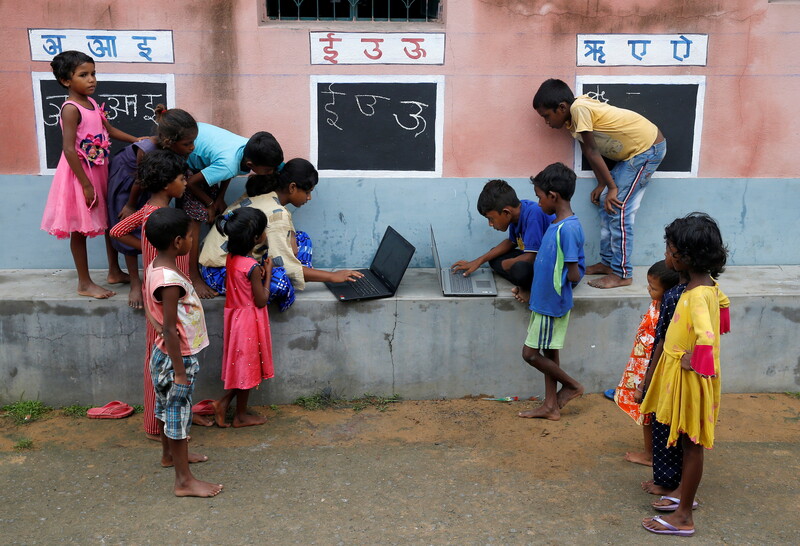
Summary: Discussions about AI often focus on its impact on the workforce, but neglect its potential effects on children's development. With AI becoming increasingly intertwined with daily life, stakeholders like policymakers and educators must ensure its positive influence. While AI offers benefits like improved healthcare and learning, there are risks such as environmental impact, digital inequalities, and misuse by authoritarian groups. Actions to protect children's rights involve promoting critical thinking skills, safeguarding self-sufficiency education, and preparing for AI integration to secure a balanced approach for future generations.
Education
Why children need to be included in discussions about AI
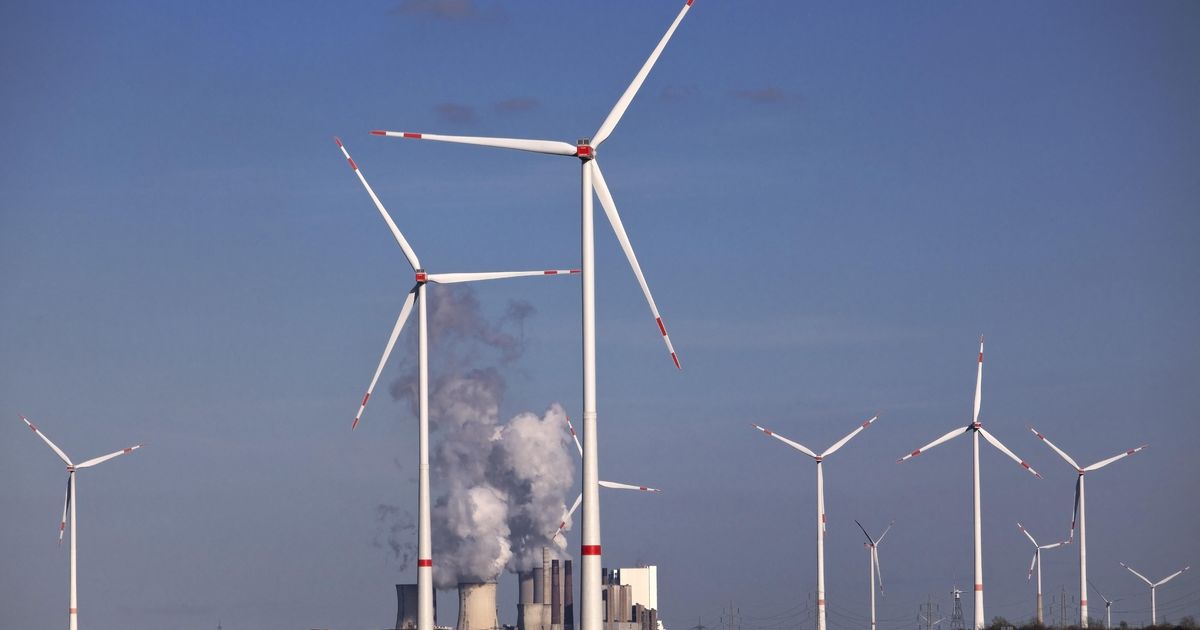
Climate change poses a significant global challenge in the 21st century, prompting the need to reduce greenhouse gas emissions and implement adaptation measures. The SWP dossier explores these challenges in International Climate Policy and the EU, emphasizing Carbon Management's role. Visit the Research Cluster Climate Policy and Politics' website for more information.
Health
Climate Policy
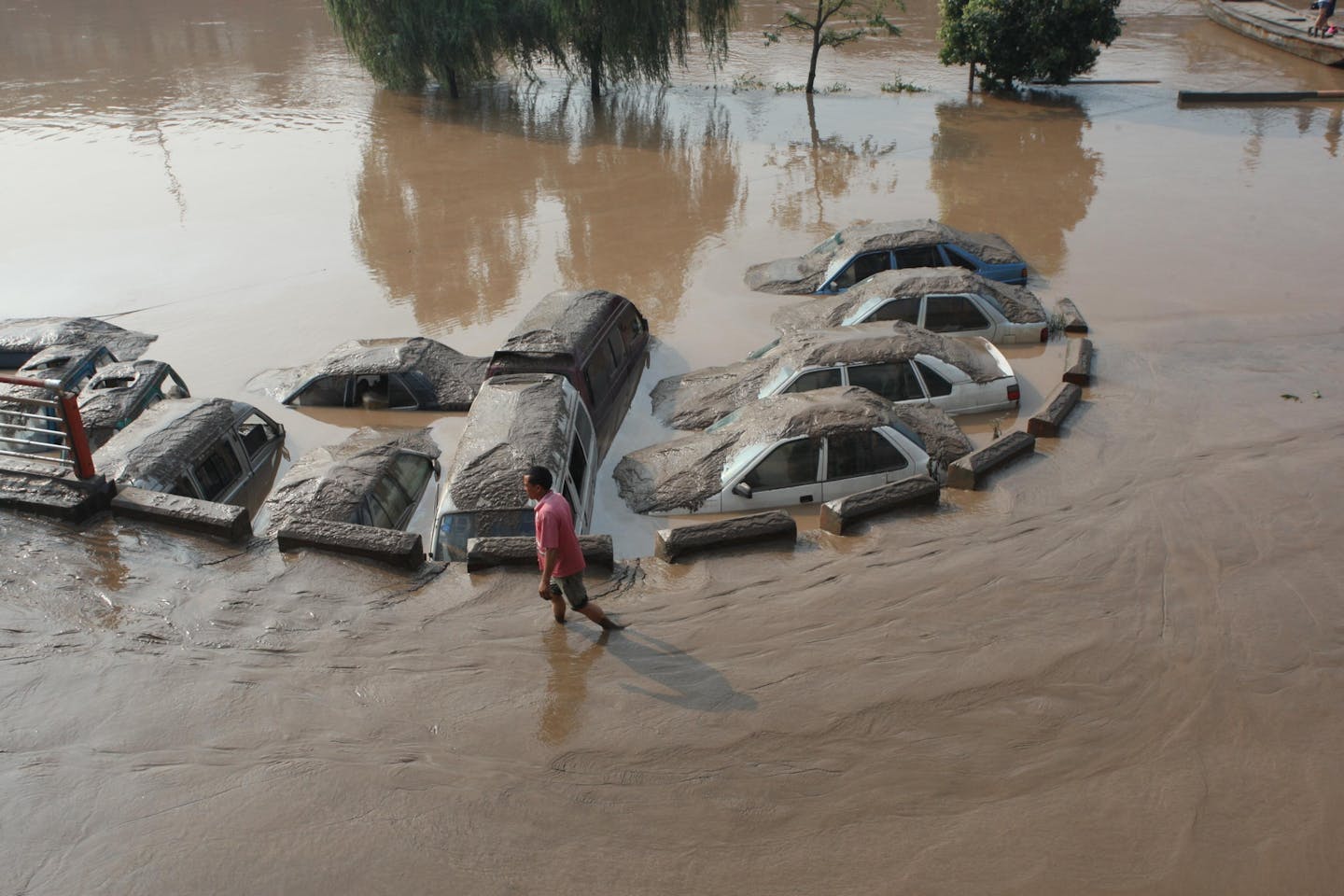
Study reveals Asia has incurred more than US$2 trillion in damages due to extreme weather events over the past 30 years. China and Myanmar were hit hardest, with notable impacts also seen in India, the Philippines, and even high-income countries like Italy and Spain. The report emphasizes the increasing risk of extreme events due to climate change and highlights the importance of climate adaptation and disaster risk management to mitigate future losses.
Asia has lost US$2 trillion to extreme weather in past three decades: study
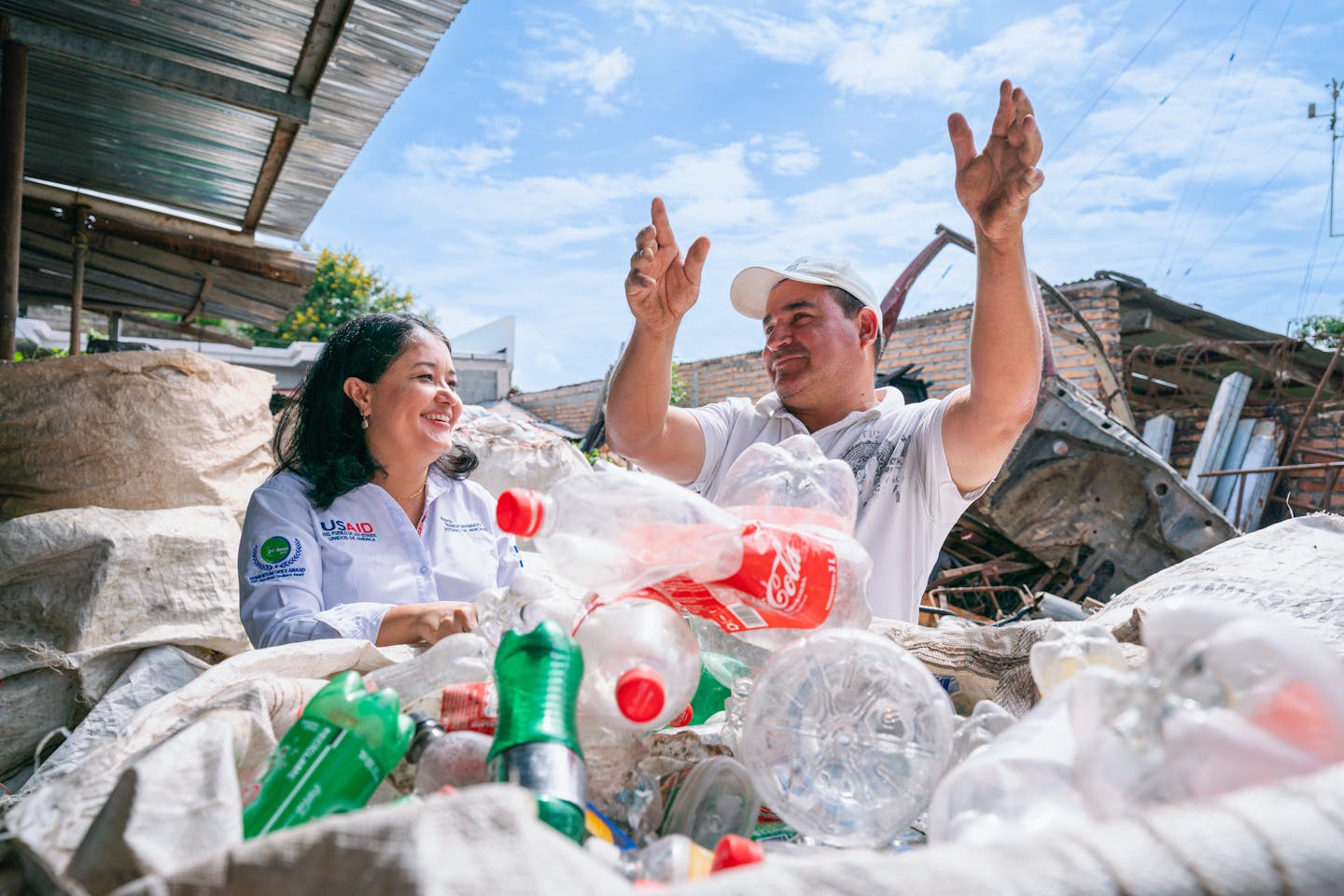
Summary: Trump's freeze of USAID aid disrupted numerous global programs, impacting initiatives in health, democracy, humanitarian aid, climate change, and education. The freeze has led to the closure of hospitals, suspension of emergency support, and risks for vulnerable populations in countries like Myanmar, Syria, and Ukraine.
Trump's USAID freeze: Where does the money go?

AI is transforming knowledge generation, emphasizing the importance of human intelligence alongside it. The integration of AI into various sectors, coupled with continuous learning, is key for sustainable development. Trust in AI, combined with knowledge and emotional intelligence, is crucial for its ethical and effective use in addressing global challenges. Recognizing both the capabilities and limitations of AI, as well as tailoring its use contextually, is essential for leveraging its full potential. Ultimately, AI can elevate human cognitive tasks, enabling individuals to prioritize innovation and critical thinking.
Education
AI Can Free Human Intelligence for Discovery and Exploration
Government data openness significantly promotes corporate green innovation by enhancing risk-taking, alleviating financing constraints, and optimizing the business environment. Improvements in the quality of government data openness enhance green innovation, regardless of green innovation types. The positive impact is more pronounced in firms with higher green cognition, younger age, stricter environmental regulations, and weaker intellectual property protection. These findings add valuable insights to enhance high-quality government data openness and advance green innovation in emerging markets.
Angola, Denmark, Jordan, Kuwait, Oman, Qatar, United Kingdom | Financial services, Health, ICT
Does government data openness have a green effect? an examination from the perspective of green innovation
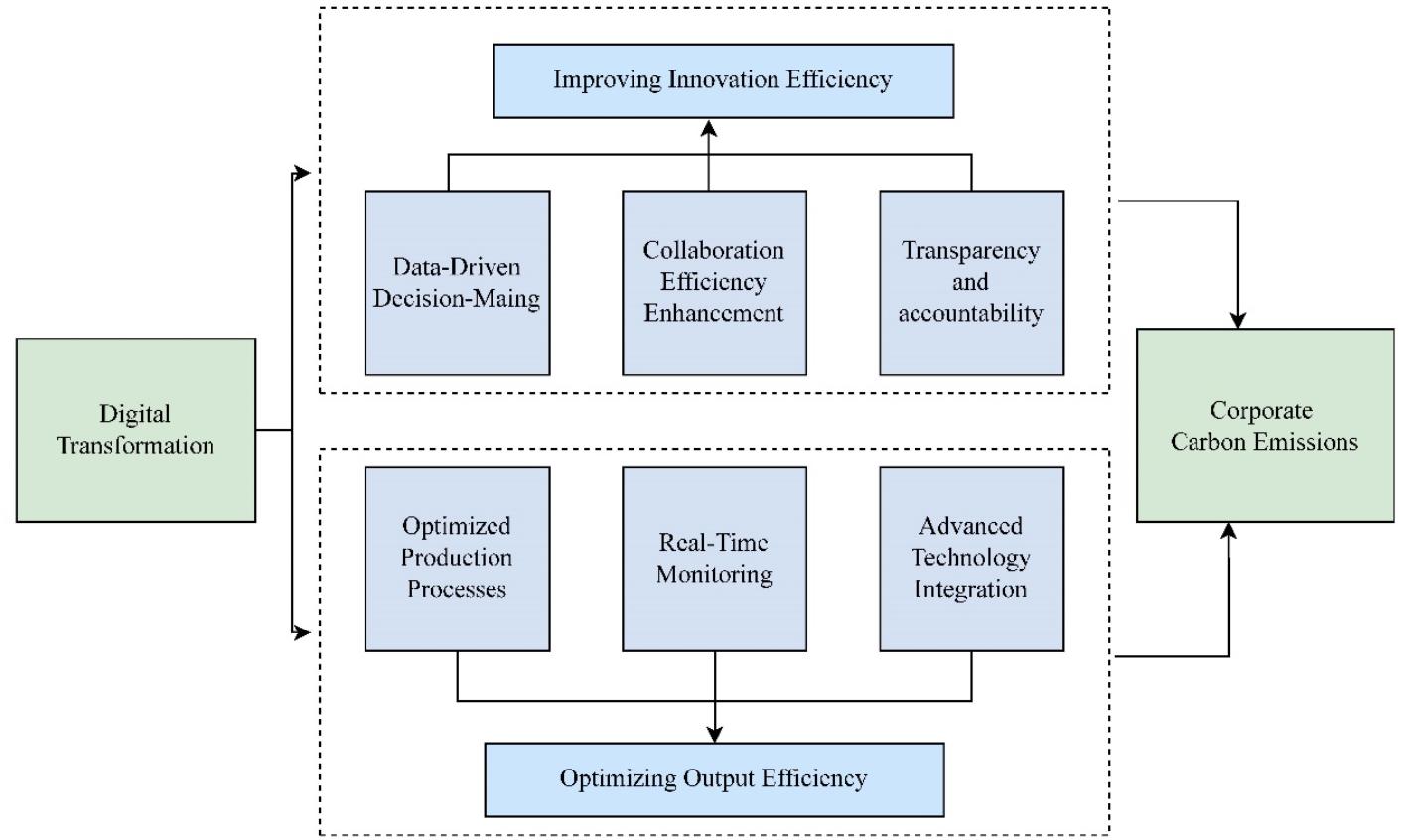
Digital transformation significantly reduces carbon emissions in Chinese companies, varying by region, industry, and firm characteristics. Mechanisms include technological advancement, innovation, resource optimization, and increased output efficiency, supporting low-carbon enterprise development.
Taiwan, China | Financial services, ICT
Impact of digital transformation on corporate sustainability: evidence from China’s carbon emissions
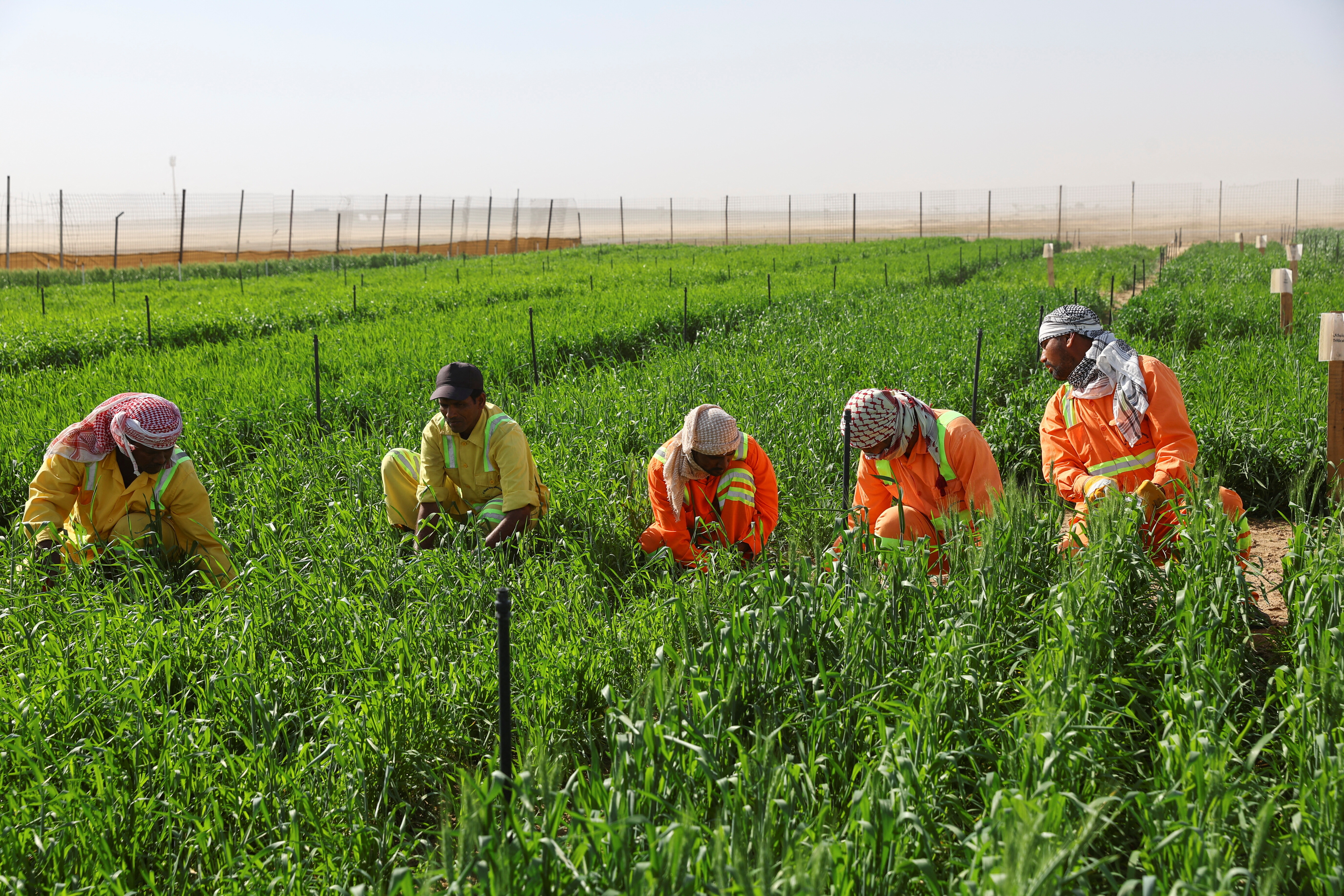
GCC countries have been enhancing food security through innovation initiatives, aiming to decrease reliance on food imports and bolster domestic production. Strategies include government initiatives, public-private partnerships, technological advancements, and agritech investments. Aiming to reduce vulnerability to supply chain disruptions, these efforts are projected to contribute significantly to the Gulf economy, create jobs, and increase local food supply.
Bahrain, Oman, Saudi Arabia, United Arab Emirates
The GCC imports 85% of its food – here’s how it is increasing food security through innovation
Researchers quantify the role of the 'hydrogen economy,' indicating renewable electrification as the primary energy source for most sectors. Direct hydrogen use is projected at a maximum of 10%, crucial for specific areas like heavy industry and transportation. Models show challenges in sector coupling and predict a potential doubling of hydrogen's role in the future. The development of the hydrogen economy remains vital despite its projected limited share.
The 'hydrogen economy' may be relatively small, but critical

Summary: Alexei Navalny's legacy in Russia is marked by his fearless opposition to Putin, his return to Russia despite risks, and his efforts to empower activists. Navalny's detention, investigations exposing corruption, and protests sparked nationwide outrage. Despite facing harsh imprisonment and being a symbol of resistance against the Kremlin, he remained resilient, fighting back until his death in 2024.
Russian Federation
One year on from Alexei Navalny’s death, what is his legacy for Russia?
Alexei Navalny's legacy in Russia one year after his death is marked by his bold return despite risks, his relentless fight against the Kremlin's oppression, and the mobilization he inspired through activism and investigations. Navalny's detention, multiple criminal cases, and harsh treatment aimed to deter opposition but he persevered, showcasing his political stance and resilience even in the face of adversity.
Russian Federation
One year on from Alexei Navalny’s death, what will his legacy be for Russia?
Summary: Alexei Navalny, a prominent Russian opposition figure, returned to Russia from exile despite risks. His detention following an investigation into Putin's corruption led to widespread protests, met with force by authorities. Despite facing harsh imprisonment and challenges, Navalny maintained defiance and political activism until his death in 2024 at a special regime colony in the Russian penitentiary system.
Russian Federation
What is Navalny’s legacy for Russia?

Valentine’s Day is celebrated globally with significant economic impact, with traditions dating back centuries. The holiday involves extensive spending on gifts like chocolates and flowers, with major industries capitalizing on the opportunity. Various countries have unique customs, from Japan's two-part celebration to South Korea's Black Day for singles. While some feel pressured by romantic gestures, the holiday boosts revenue for businesses, emphasizing the economic significance of love-centered festivities.
United Kingdom
Valentine’s Day: the economic value of romantic tradition
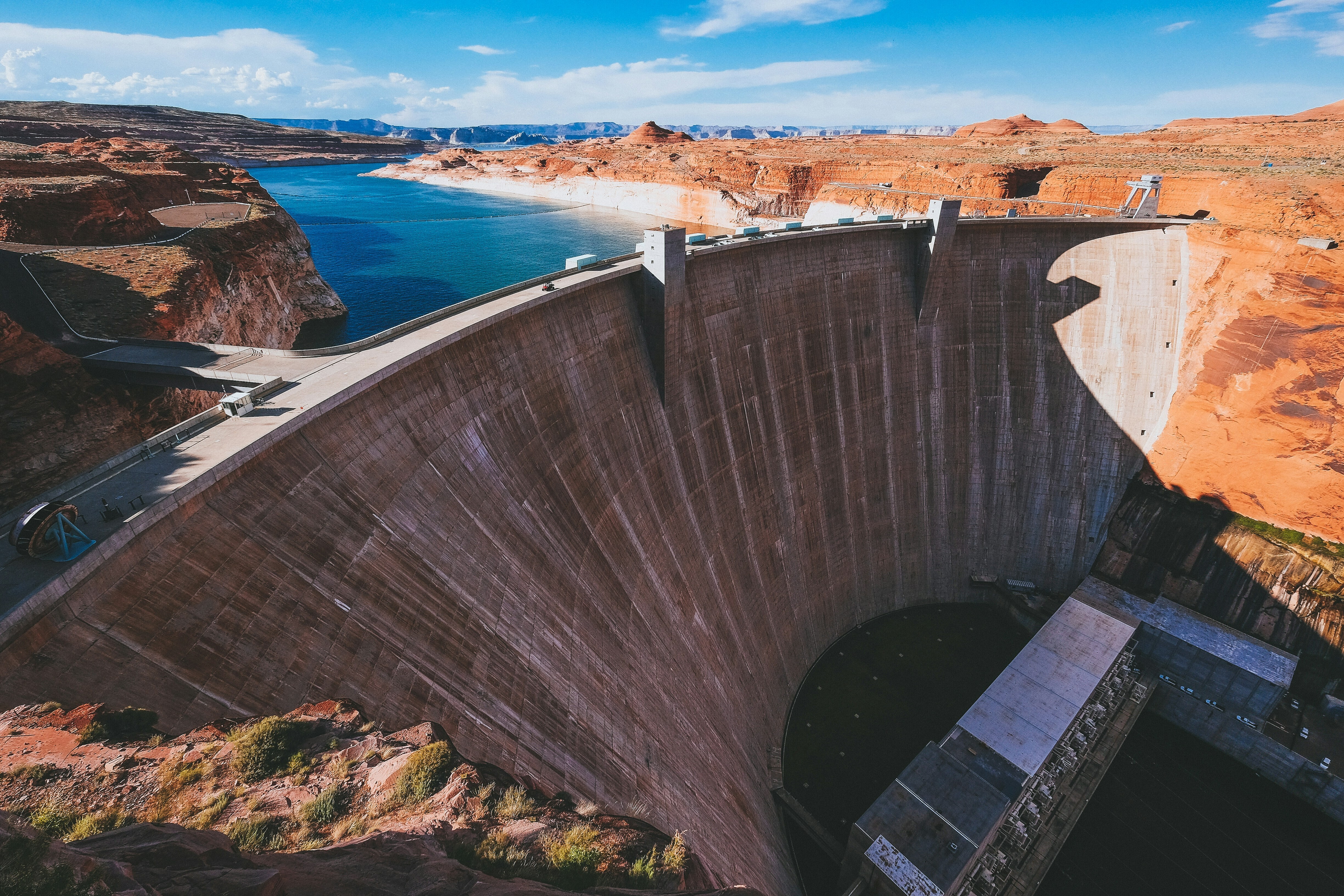
Summary: Environmental personhood grants legal recognition to specific environmental entities like rivers, enabling individuals to advocate for their rights in court. This concept has gained traction globally, with countries like Ecuador incorporating nature's rights into their constitution. The idea advocates for indigenous peoples to represent nature, emphasizing their deep connection and ability to restore degraded lands. The shift towards protecting and restoring nature indicates a growing awareness of its value, prompting calls for global rights to address environmental crises and realign human-nature relationships.
Environmental personhood: what is it and why should nature be given legal status?
Summary: The heart's symbolic significance has a rich history beyond romance, revered for its mystical and supernatural essence in different cultures. Despite its physiological role as a powerful pump, it has been interconnected with deep-rooted beliefs, rituals, and folklore, accentuating its enigmatic allure. Additionally, the heart's ties to hormonal regulation, specifically with oxytocin, link it intricately to emotions and overall well-being, underscoring its complexity and enduring mystery throughout history.
The heart is symbol of love – things weren’t always like that

South Africa has experienced significant growth in trade with China since 2000, with a trade deficit favoring China. The imbalance has led to a considerable cash outflow from South Africa to China, raising concerns that were addressed only in 2024. Strategies are needed to rectify this imbalance and achieve a mutually beneficial outcome. Exports to China are mainly raw materials, while imports consist of manufactured goods. The data shows a shift in the composition of traded goods over the years, with implications for future trade relations.
Burkina Faso, Cameroon, Lesotho, Mozambique, Namibia, South Africa, Sri Lanka
South Africa’s trade deficit dilemma with China

Insurance deserts refer to regions where insurers reduce or cease offering coverage due to high risks, particularly from climate-related extreme weather. The implications include rising premiums, reduced coverage, and potential economic impacts. Experts at the World Economic Forum discussed adapting with new insurance forms like parametric insurance and utilizing technology and nature-based solutions to manage risk. The industry is evolving in response to climate change challenges and urbanization factors contributing to increased risks.
Financial services, Education
What's are insurance deserts and what are their implications for business and people?
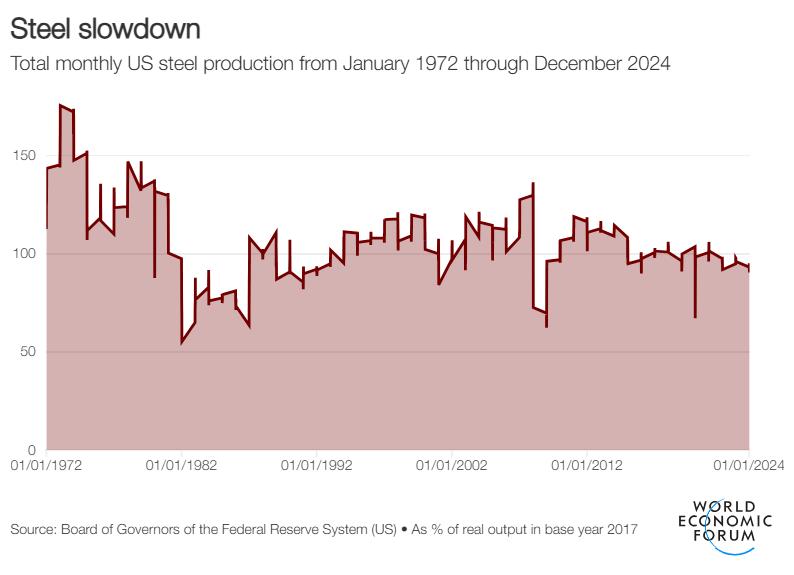
Summary: New US tariffs are set to impact imported steel, emphasizing its enduring economic and symbolic significance as a nation-builder. Steel's pivotal role in historical and modern American industry, as well as global trade dynamics particularly with China, underpin debates on the potential economic repercussions of heightened tariffs.
New US tariffs highlight steel's enduring appeal – and its symbolic value as a nation-builder