
The EU's expansion towards Eastern Europe post-2022 war necessitates strong security commitments, with member states offering Ukraine, Moldova, and potentially Georgia a membership perspective. Despite initial progress, challenges, such as balancing strategic and normative motivations and the impact on EU decision-making and policies, are stalling the enlargement process. The delicate task remains to navigate security concerns while upholding reform requirements for accession.
Georgia, Ukraine
The Janus-faced geopolitics of the EU’s eastern enlargement

Summary: 
Climate change, as argued in Ashok Swain's book "Climate Security," poses threats to national borders, economies, and populations, warranting its classification as a national security concern. Disproportionate impacts on developing nations highlight the urgency for action. While militarization in response to climate threats may risk suppression of rights, Swain emphasizes the imperative for prioritizing climate action.
Financial services, Health
Q&A: Should climate be a national security issue?

Road safety progress in Asia and the Pacific varies, with fatalities decreasing but remaining high in low- and middle-income countries. Focus on infrastructure, regulations, and funding is essential to meet UN road safety goals. Vulnerable road users, particularly young people and pedestrians, are disproportionately impacted. While some countries have seen significant reductions in road fatalities, accelerated efforts are needed region-wide to achieve the 50% reduction target by 2030. Investing in safer road infrastructure, implementing regulations effectively, and increasing awareness and monitoring are key steps towards improving road safety in the region.
Health
A Fork in the Road: Will Asia Prioritize Safety or Suffer Rising Fatalities?
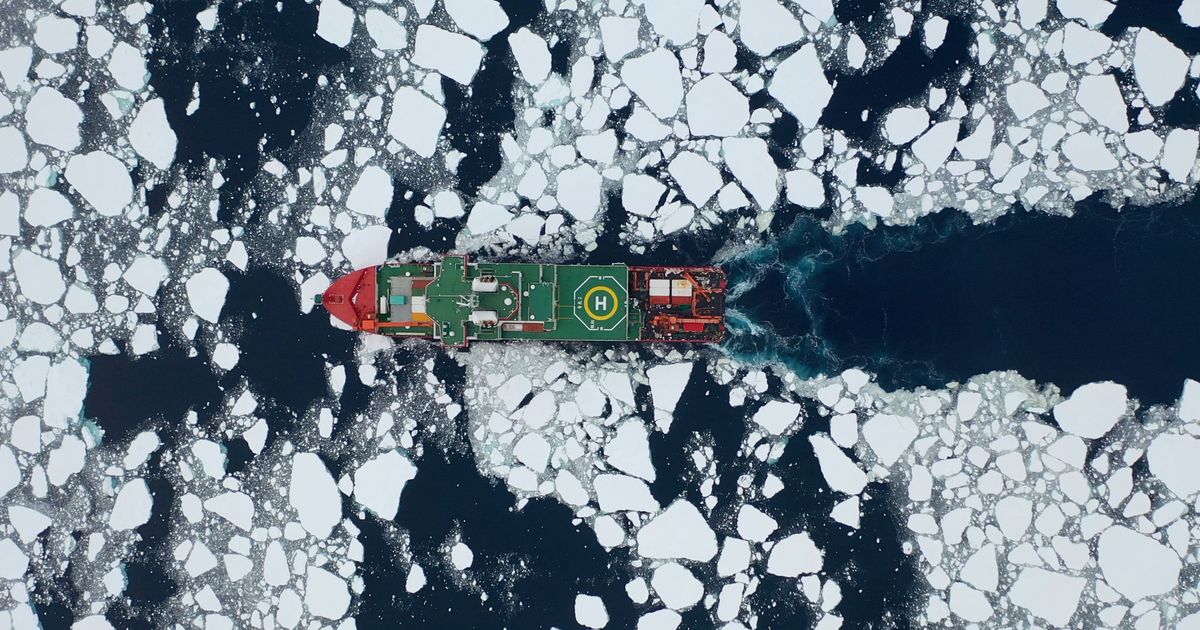
China is expanding its presence in the Arctic with ambitions for a permanent foothold. Xi Jinping's goal for China to be a major polar power reflects its broader maritime aspirations. The Belt and Road Initiative positions the Arctic Ocean as a key corridor. China's scientific engagement and global interests are primary drivers of its Arctic pursuits. While facing challenges in investments, China benefits from weak Russian positions due to the war in Ukraine. Beijing's Arctic diplomacy is marked by growing diplomatic presence in northern countries and strategic engagement with Arctic governance structures.
China’s Arctic Turn
German government's report underscores escalating global climate security risks like political destabilization, food insecurity, and conflicts over resources. Climate impacts destabilize societies, intensify conflicts, and drive migration. Germany prioritizes climate in national security strategy, inspired by the U.S. framework for Climate Resilience and Security. The report serves as a model for addressing climate security risks worldwide, emphasizing the necessity to acknowledge and address these threats.
Financial services, Health
New German Government Report Highlights Growing Climate Security Risks - Inside Climate News

A $1 billion commitment to fund climate adaptation in Africa marks a new era of collaboration between the World Economic Forum and the Global Center on Adaptation. The continent faces a substantial private sector financing gap in climate resilience efforts, with a need to quadruple annual climate investment flows. The platform aims to secure $5 billion in private investments to address the impacts of climate change on agriculture, water, and infrastructure in Africa.
Nigeria | Financial services, Health
Why a $1 billion commitment to fund climate adaptation marks a new era of collaboration in Africa

President Trump's trade war strategy involves imposing tariffs on various countries, impacting global trade dynamics. Tariffs, taxes on imported goods, can lead to increased costs for consumers and businesses. The trade war with China has resulted in retaliatory tariffs and disruptions in various sectors. The US aims to reduce reliance on Chinese supply chains but faces challenges in shifting the tariff burden. The trade war's geopolitical implications extend to strategic objectives beyond trade negotiations. Consumers worldwide may experience price increases and heightened tensions due to escalating trade conflicts.
Trump’s trade war is about more than trade

American disengagement and emerging market resentment pose challenges for the IMF's future amid a more chaotic global environment. The Trump administration's Project 2025 proposes withdrawing from the IMF and World Bank, claiming these institutions no longer meet U.S. needs. Despite this, the IMF remains crucial for global economic stability, providing emergency financing and coordinating debt restructuring, with no significant competitors. However, its influence is still concentrated among Western countries, sidelining the global south, which may threaten its legitimacy and effectiveness moving forward.
Financial services
Will the IMF survive Donald Trump’s presidency? - LSE International Development

Summary: China's DeepSeek, an AI company, has unveiled a revolutionary language model, disrupting the US-China technological competition. China's success is attributed to its embrace of open-source AI, contrasting the US reliance on proprietary models. DeepSeek's breakthrough signifies a shift in AI power dynamics and poses strategic implications for the US. This development underscores China's effective utilization of state-backed investment and collaborative open-source strategies, challenging Silicon Valley's traditional dominance and prompting a reassessment of global power dynamics.
DeepSeek: how China’s embrace of open-source AI caused a geopolitical earthquake
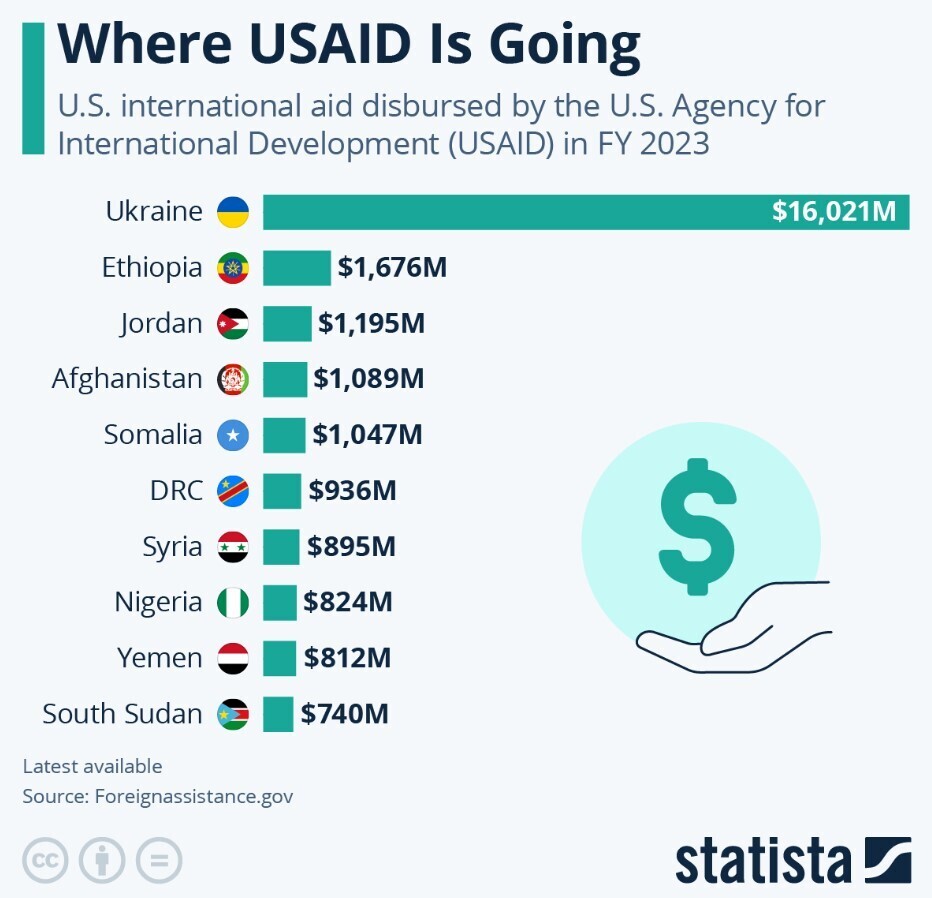
US aid freeze threatens global health, disrupting TB, HIV, and vaccine programs, while Uganda leads Ebola vaccine trial. Air pollution affects cognition, new tablet helps dust mite allergies, and India sees rise in Guillain-Barré Syndrome cases. WHO launches childhood cancer medicine initiative in Mongolia and Uzbekistan.
Health
US aid freeze alarms global health experts, and other top health stories

Air pollution poses a significant global health threat, especially impacting low-income countries. Open and accessible air quality data is crucial for addressing this issue. Lack of monitoring persists in many countries, particularly in the Global South. Governments should measure and share air quality data transparently to drive effective solutions and promote clean air. This summary emphasizes the importance of global cooperation and data openness in combating air pollution.
Health
Why open air quality data is a global health imperative
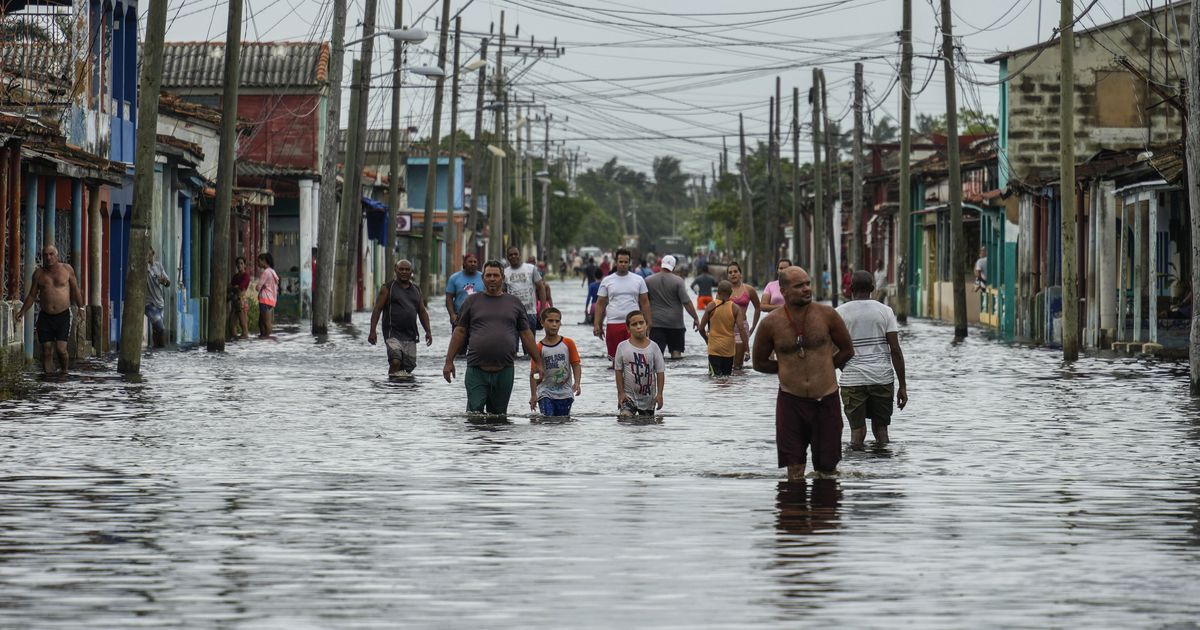
Summary: Climate-induced migration is a growing concern as people lack safe pathways fleeing environmental disasters. Regional free movement agreements by African organizations like ECOWAS and IGAD present opportunities, but implementation challenges exist. Climate change impacts mobility patterns, necessitating policy responses to ensure protection and regulated migration pathways. International frameworks emphasize migration as an adaptation strategy, yet a legal gap exists for climate migrants. Addressing these issues regionally could help mitigate vulnerabilities faced by affected populations.
Africa | Financial services, Health
Regional Free Movement of Persons as an Opportunity in Dealing with Climate Mobility

Summary: The German radical right has gained support from the working class by framing the narrative around hard-working "makers" versus parasitic "takers". This shift has challenged the traditional left's hold on class consciousness. Research indicates that while class identity aligns with right-wing voting, class interest consciousness leans left, highlighting the need for the left to reconnect with working class identity through a revival of class politics.
Germany
The German left has lost its monopoly on class consciousness

Summary: 
Electric vehicle demand is set to rise significantly, driving up the need for metals like nickel, copper, and steel. While recycled metals play a role, primary sources will remain crucial for at least the next decade. The mining sector faces pressure to enhance social and environmental practices to meet these growing demands and expectations.
Financial services
Metals for mobility: How mining can meet electric vehicle demand and support the energy transition
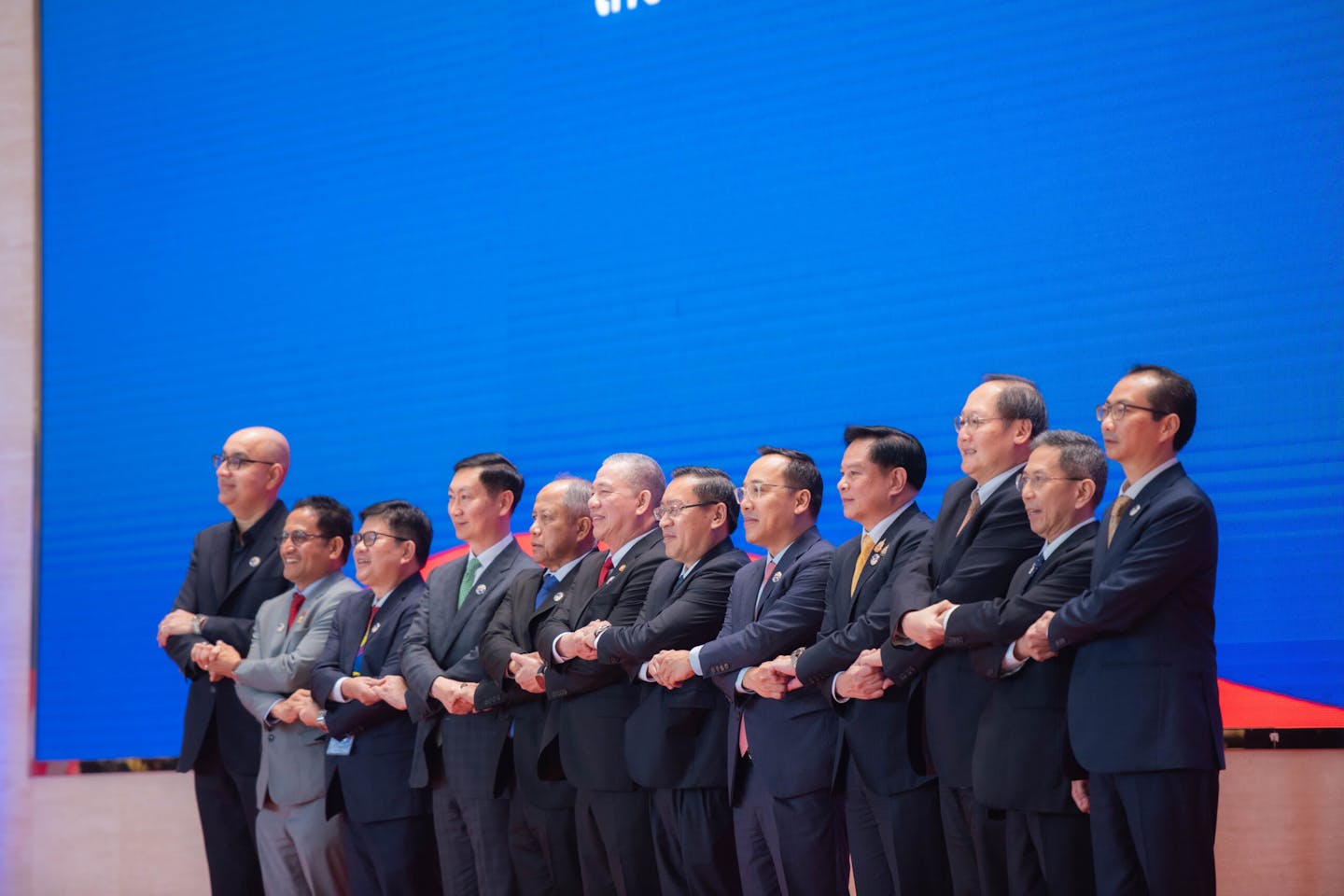
Summary: Renewables skepticism, fostered by figures like Trump, has impeded clean energy initiatives globally, particularly in Asia where fossil fuels dominate. Despite pockets of progress, misconceptions about clean energy persist, hindering the region's transition and spurring controversies around greenwashing and the role of fossil fuels in decarbonization efforts.
Anti-renewables rhetoric? Decoding the playbook for slowing Asia's energy transition
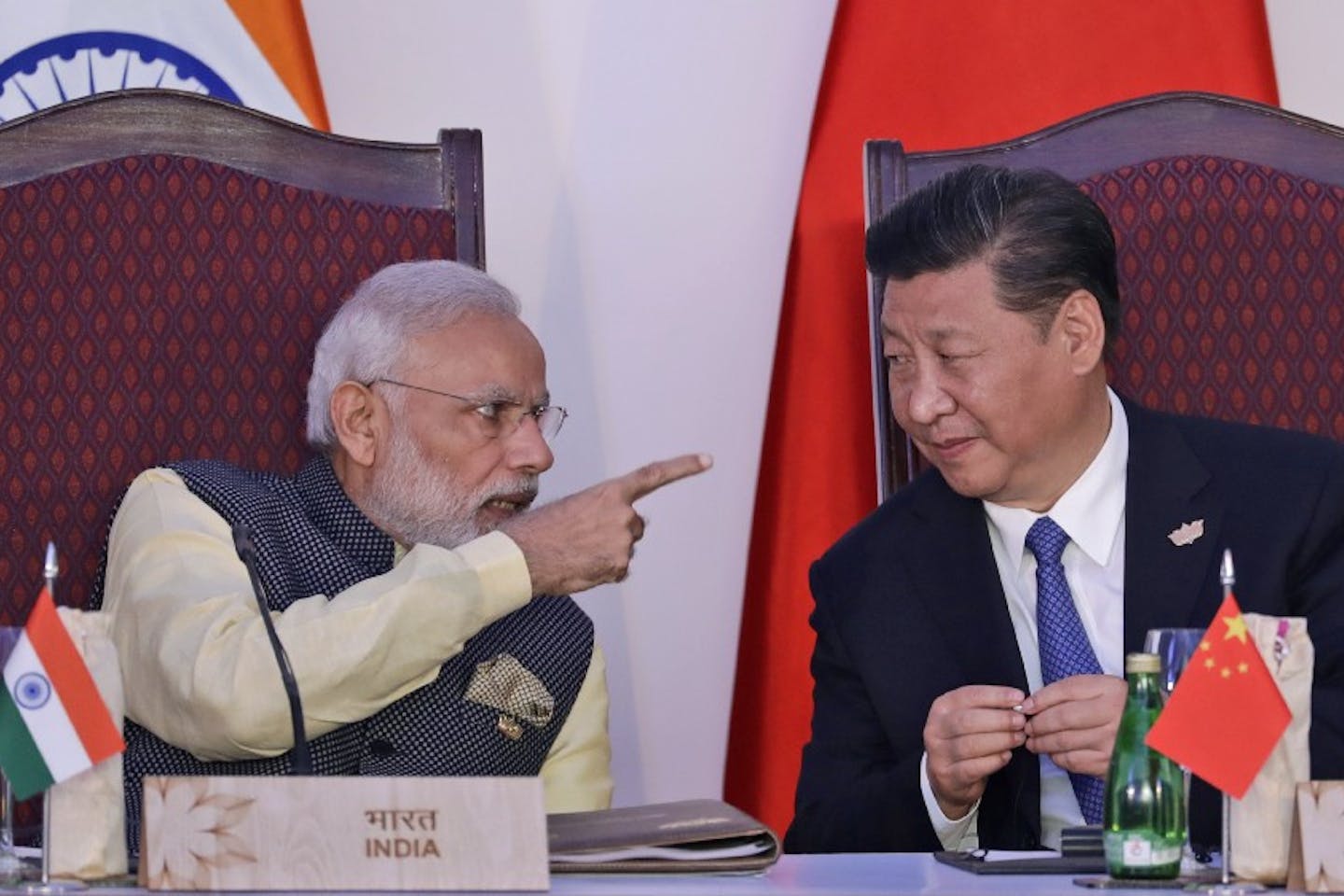
China and India delay submission of updated climate targets amid geopolitical uncertainties, with most countries holding back NDC announcements. Impacts of global political shifts and delayed NDCs are seen as countries await clearer global landscape. Emissions reduction goals and economic growth intertwine in China's ambitions for decarbonization.
Singapore
China and India stall on climate target-setting amid geopolitical volatility

Summary: The U.S.-China trade war heightened concerns over critical minerals essential for key industries like electronics and renewable energy. Complications arose due to vulnerabilities in the mineral supply chain, prompting both countries to secure resources and invest in mining. Technological advancements and national security concerns further fueled the competition for these vital minerals between the two nations.
Mexico | Financial services
Critical Minerals and the U.S.-China Trade War
Government environmental information disclosure (GEID) in China significantly boosts digital transformation in manufacturing companies, with a 0.31% rise for each point increase in GEID. It fosters green strategies, innovation, R&D spending, and reduces financing constraints, particularly benefitting poorly performing, asset-intensive, and non-state-owned enterprises post-2015. Digital transformation enhances environmental governance by optimizing operations through data analysis. GEID complements technological changes by incentivizing innovation through regulatory frameworks and collaborative governance, crucial for addressing China's substantial manufacturing-related emissions.
Financial services, ICT
Government environmental information disclosure and digital transformation of manufacturing companies: evidence from China

Title: Promoting Climate-Smart Agriculture in Bhutan

Summary: Bhutan faces challenges in its agriculture sector due to climate change impacts, leading to low production and food insecurity. Adopting climate-smart agricultural practices like modernizing farming methods, establishing greenhouse farms, and enhancing post-harvest management can improve productivity and resilience. Solutions include increasing staple crop productivity, creating modern greenhouse farms, and improving post-harvest practices to reduce food loss and dependency on imports.
Bangladesh
On the Edge of Food Security: Promoting Climate-Smart Agriculture in Bhutan
Private sector involvement is key in filling Asia's $800 billion climate finance gap. Enhancing market integrity, aligning policies, and utilizing public finance can boost private sector engagement in driving the low-carbon transition to address the pressing climate crisis.
Financial services, Health
Private Eye: The Search for Asia’s Climate Finance Fix