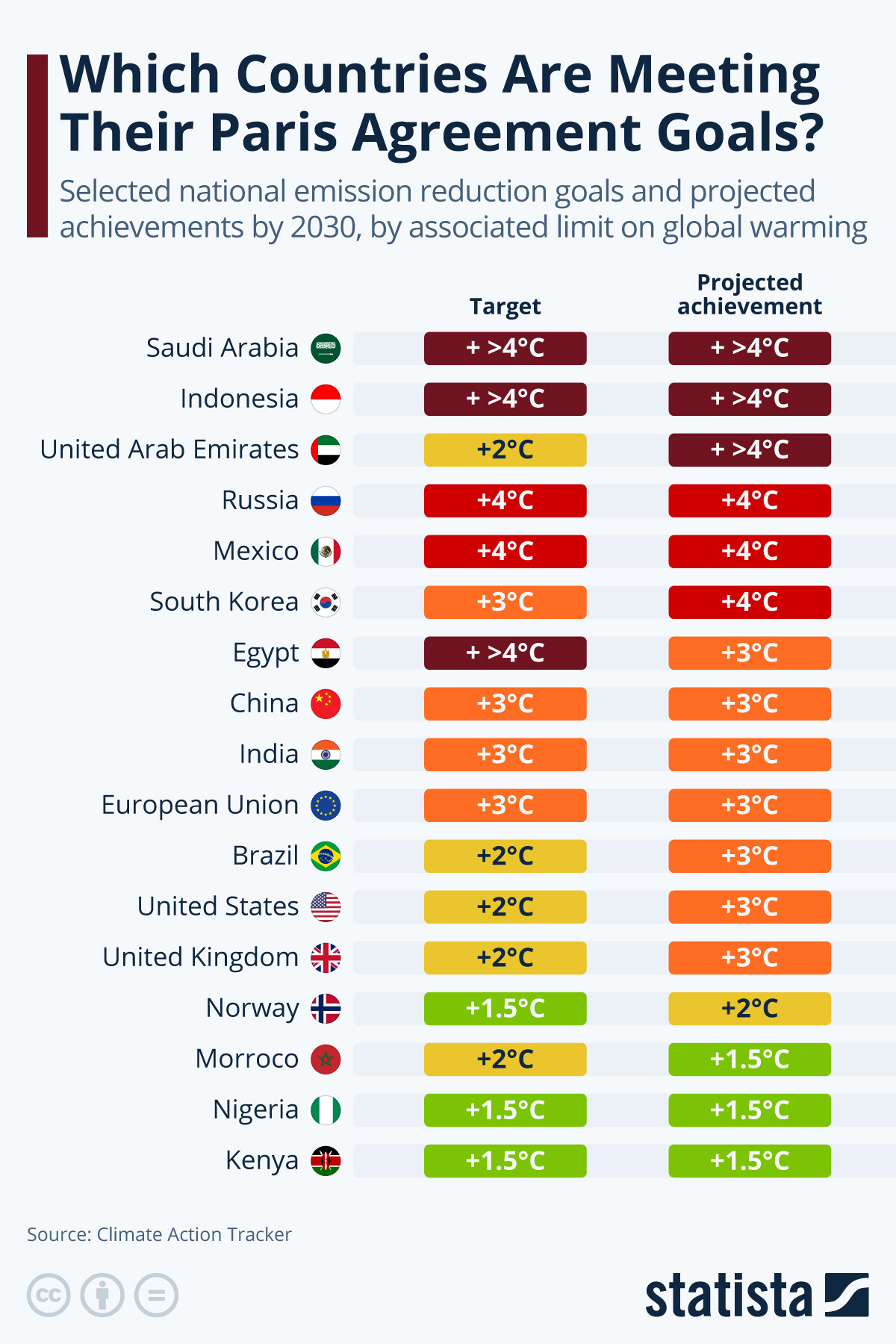
Countries are staying committed to the Paris Agreement despite the US exit; UN climate chief reassures its survival. UK insurers report record weather-related payouts due to increasing frequency and intensity of storms. Other stories include monitoring Antarctic krill abundance, lawsuits over climate change damages, and challenges with EU water bodies. Irish Prime Minister urges grid investment post-storm impact, while Europe sees improvements in surface water quality. Clean energy costs are predicted to drop, aiding the shift away from fossil fuels, and Santorini evacuates due to earthquakes.
Financial services, Health
Countries remain committed to Paris Agreement despite US exit, and other nature and climate stories you need to read this week

Digital public infrastructure (DPI) is crucial for Africa's economic transformation through AI, requiring key policy frameworks and infrastructure to fully benefit. The AU Data Policy Framework, national data protection policies, and the African Union Continental AI Strategy lay the groundwork. Adoption of DPI systems is essential, with leaders urged to invest in secure, interoperable systems to enhance public services, digital solutions, and AI deployment. Africa's computing capacity and AI regulation are areas needing development to advance AI and DPI usage for economic growth. Public-private partnerships can help establish affordable regional digital infrastructure, fostering AI-driven services for education, healthcare, financial inclusion, green industrial transformation, and regional trade facilitation.
ICT, Education
Digital public infrastructure (DPI) will drive AI for Africa’s economic transformation

Summary: Tree rings and other biochronologies hold valuable insights for scientists, allowing precise dating and environmental reconstructions. The field of dendrochronology provides detailed records through tree rings, while various animals, including fish with otoliths, offer clues about their health, diet, and movements through the analysis of growth layers. Otoliths, in particular, are inert structures that continually grow, aiding research on migration, habitat use, and responses to environmental stressors like hypoxia.
Most animals have their own version of tree rings – here’s how we biologists use them to help species thrive
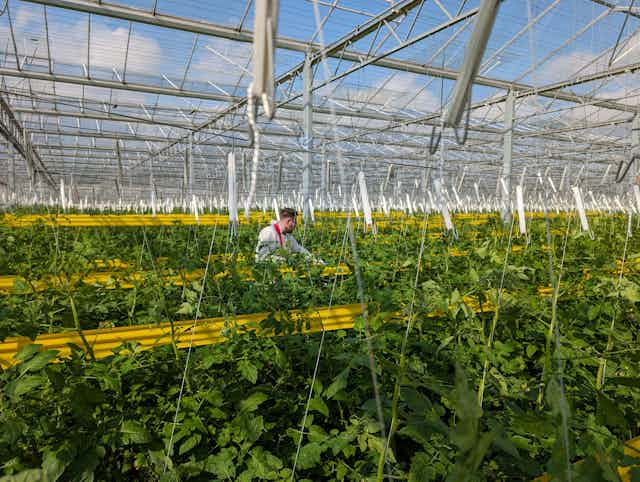
Summary: Smarter greenhouses are pivotal in enhancing the UK's food security by facilitating year-round local produce growth. Currently, a significant portion of consumed vegetables are imported, highlighting a heavy reliance on global markets. Advanced technologies like protected horticulture offer efficient solutions to bolster domestic food production. However, aged infrastructure and energy-intensive indoor farming practices pose challenges. Despite the hurdles, with increased support and modernization, the UK could progress towards a more sustainable and resilient food system.
United Kingdom
How smarter greenhouses could improve the UK’s food security

Title: Trump tariffs: there may be silver linings in the trade war storm clouds

Summary: The article discusses how Trump's tariffs on trade partners could potentially lead to a realignment of trade relationships, the emergence of new economic blocs, and reinforcement of regional alliances. Despite disrupting traditional trade flows, these disruptions might encourage diversification of trade relationships and the strengthening of ties between neighboring economies. The implications of the US tariff row extend globally, impacting trade networks and presenting challenges and opportunities for countries like the UK.
Canada, Mexico, United Kingdom
Trump tariffs: there may be silver linings in the trade war storm clouds
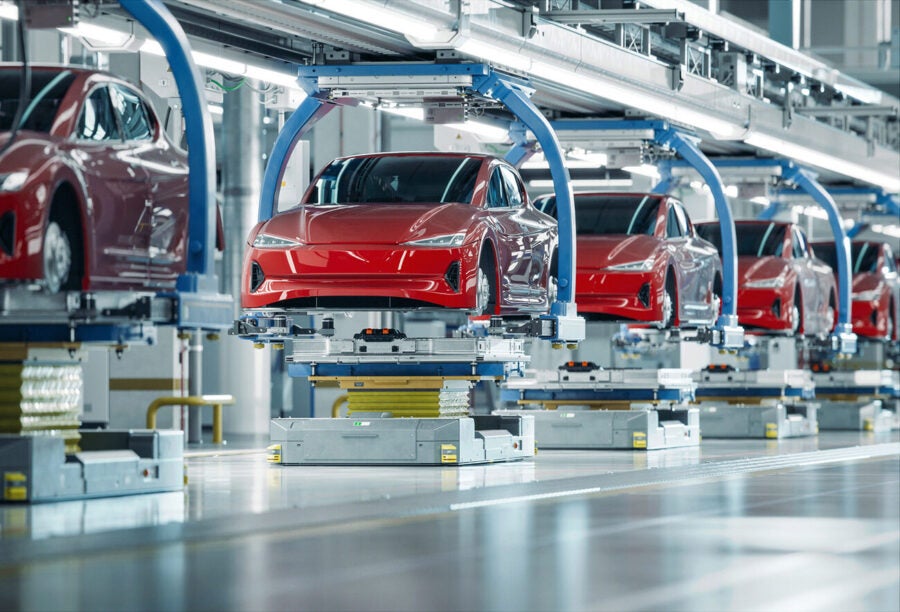
The U.S. focus on tariffs for Chinese electric vehicles may not be enough to bolster American manufacturing. A comprehensive industrial strategy is required, including investment in the supply chain and processing capabilities. Despite U.S. innovation in technologies like EV batteries, China dominates global production due to a lack of manufacturing strategy. Chinese manufacturers are establishing global production bases, requiring a nuanced approach beyond tariffs. Without a coordinated national strategy, the U.S. risks falling behind in the auto industry's transformative shift to EVs.
The EV Trade War Alone Won’t Save American Manufacturing

In 2024, Asean's top companies show decreased anti-corruption disclosures, shifting focus to climate issues. Thailand leads, with Malaysia and Singapore following. Overall, disclosure scores dropped, with the most significant decline in the reporting and monitoring dimension. Key challenges include lack of external anti-corruption policies and weak disclosures on monitoring programs. Strengthening governance disclosures is crucial for transparency and accountability in light of increasing ESG investor focus. Singapore and Malaysia have legal frameworks against corruption, while recent cases in Malaysia and Singapore highlight ongoing challenges.
Angola, Cambodia, Eswatini, Indonesia, Kuwait, Malaysia, Malta, Philippines, Qatar, Singapore, Thailand
Anti-corruption disclosures slip in 2024 as Asean firms prioritise climate: study
The IMF's future is uncertain under Donald Trump's presidency, as American disengagement and resentment among emerging market and developing countries put its survival at risk. The US's internal polarisation and desire to assert unilateral dominance contradict the "global liberal order." While there are calls within the US to withdraw from the IMF and other multilateral development banks, the IMF still serves important functions and has no real competitors. However, the concentration of influence in the hands of the US and Europe and the marginalisation of countries like China pose challenges to the IMF's future prospects.
Financial services
Will the IMF survive Donald Trump’s presidency?
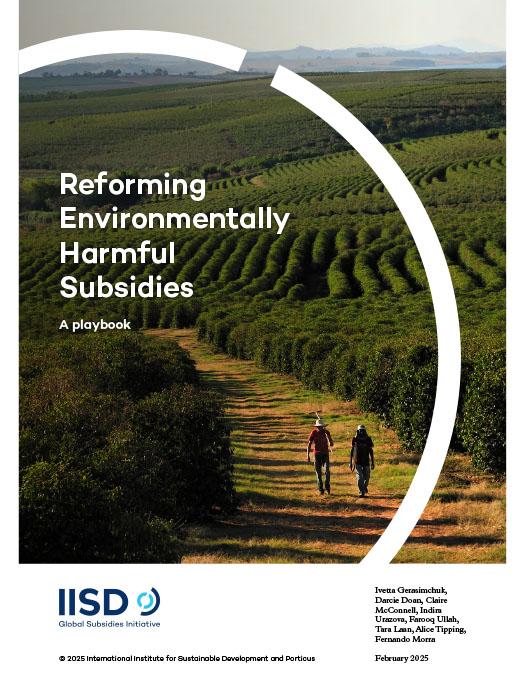
Reforming Environmentally Harmful Subsidies (EHS) is crucial for addressing biodiversity loss, climate change, and social inequities. This playbook provides a strategic framework for philanthropic organizations to advance EHS reform by offering over 20 actionable opportunities for engagement. The reform requires creating political support, co-developing solutions and strategies, and mobilizing credible champions. Philanthropic organizations can strategically reshape the subsidy landscape and redirect resources towards climate, biodiversity, and social equity goals. This opportunity demands multi-year commitments, significant resources, and a willingness to take risks. The playbook draws on two decades of research and consultations to present the case for EHS reform and provide a pathway for action.
Health
Reforming Environmentally Harmful Subsidies
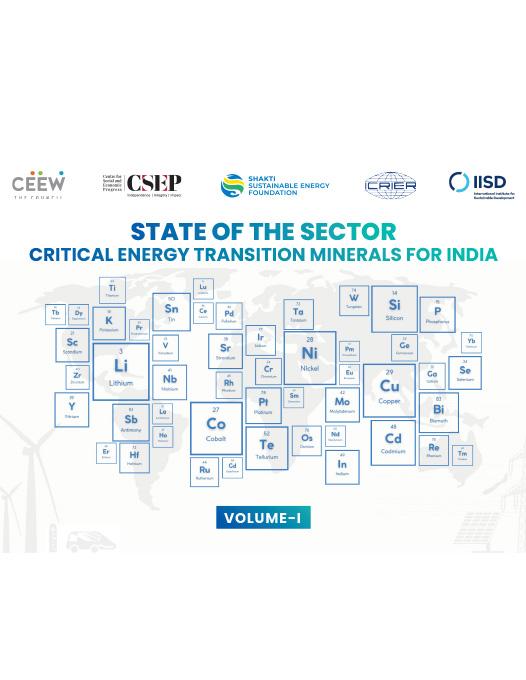
India needs a reliable supply of critical energy transition minerals (CETMs) for its renewable energy goals. The report emphasizes promoting domestic exploration, international cooperation, regular sector assessments, and boosting recycling. Stakeholders are urged to prioritize these recommendations to ensure a sustainable and clean energy future for India.
India
State of the Sector: Critical energy transition minerals for India

Generative AI has the potential to greatly impact the future of research in academia. There are both optimistic scenarios and concerns about how generative AI will be used. Mark Carrigan argues that generative AI could reinforce a productivity-oriented approach to academic work. However, there is a need for a reflexive approach to using generative AI, where academics can define the tasks involved in scholarship to get the most out of the technology. The challenge lies in ensuring that generative AI enhances academic work instead of replacing academics. The existing culture of productivity in academia may unintentionally increase the expectations and workload for academics. Overall, there needs to be a balance between using generative AI to improve academic work and avoiding the potential negative consequences of its use.
Education
Generative AI is a hinge point for higher education
The United States Agency for International Development (USAID) and its flagship program, the Young African Leaders Initiative (YALI), are at risk due to the current administration's shutdown. This comes at a crucial time when Africa's youthful population is becoming a significant geopolitical force, and investment in leadership development is needed to harness their potential. Europe, China, Russia, and the US are all investing in programs to court and influence African leaders. Furthermore, access to quality education, skills development, and healthcare are crucial for Africa to achieve economic productivity and take advantage of its demographic dividend.
Africa | Health, Education
Training African leaders
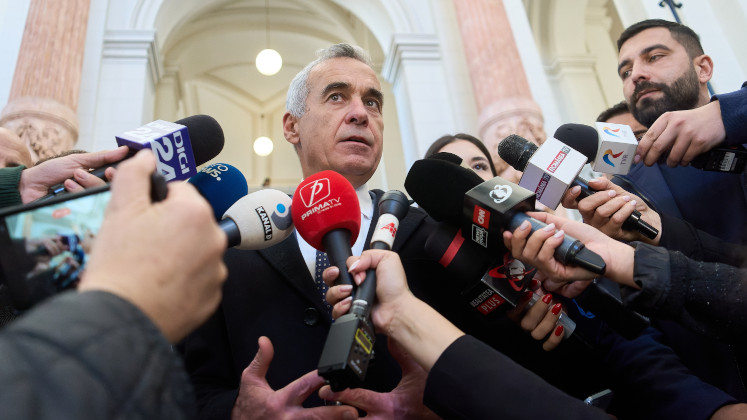
Călin Georgescu's rise in popularity during Romania's presidential election in 2024 is attributed to his ability to project three distinct types of authority: traditional authority, rational-legal authority, and charismatic authority. He presents himself as a "Christian prophet", blending his Orthodox-Christian faith and New Age ideas to appeal to traditional authority, while also emphasizing his scientific credentials and international career to invoke rational-legal authority as an "environmental expert". He exerts charismatic authority by portraying himself as a unifying hero with a vision of national salvation. Georgescu's style of calm and deliberate messaging sets him apart from other far-right populists, and he uses archaic and nationalist vocabulary to solidify his authority.
Romania
The three faces of Călin Georgescu

Public AI infrastructure, the concept of governments building publicly owned and controlled AI systems, will be a key topic at the AI Action Summit in Paris. This infrastructure would provide AI capabilities that address societal goals, such as research on social problems and science, and support specific regions and languages. The aim is to create a healthy public sphere free from misinformation and hate speech, with affordable access for all. However, the article questions whether anyone will be willing to invest in and build such infrastructure, considering the challenges of private AI and the difficulty of regulating AI technologies.
Public AI infrastructure: What is it, do we need it and will it ever be built? A media leader explains
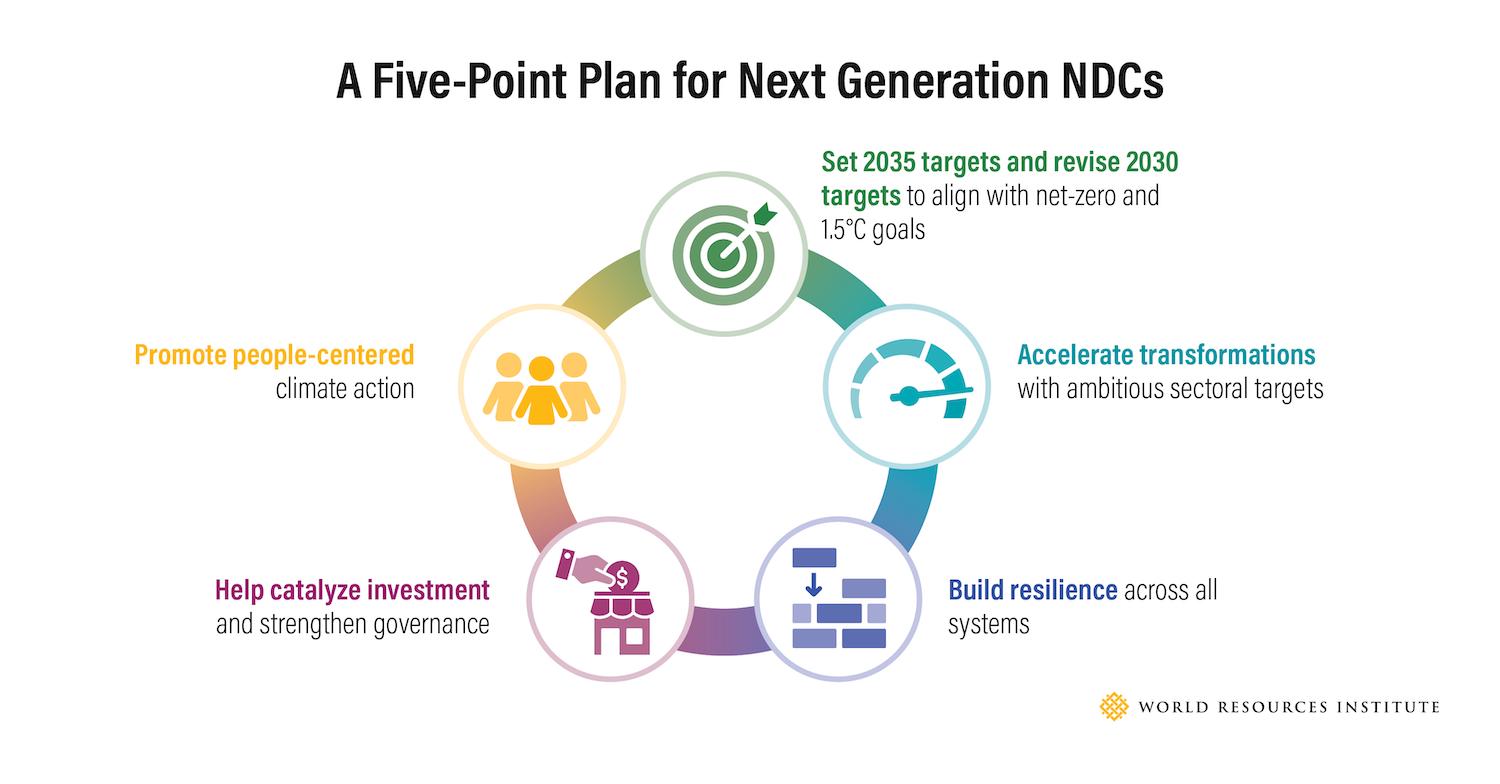
Countries must update their NDCs by February 2025 to align with the Paris Agreement's climate goals. The NDCs serve as vital commitments in the global fight against climate change, tailored to each nation's circumstances. The ratchet mechanism of the Agreement calls for increasingly ambitious targets every five years, with recent updates falling short of the necessary greenhouse gas emissions reductions to limit global temperature rise.
Paris Agreement: What are NDCs and why do they matter?

Agentic AI is a form of artificial intelligence that proactively makes decisions and takes actions to achieve goals without relying on explicit instructions. This represents a fundamental shift in how we approach work and problem-solving. Agentic AI has key characteristics such as autonomy, adaptability, clear goal orientation, proactive information search, and action-taking. It is different from traditional AI and generative AI as it takes the initiative and proactively works towards achieving user objectives. This has the potential to revolutionize business operations and human-technology interaction, offering opportunities for innovation and efficiency. Additionally, agentic AI can transform the modern workplace by automating routine tasks, allowing humans to focus on higher-value activities and fostering a more dynamic and innovative work environment.
With autonomous problem-solving, agentic AI will upend what you consider work

Researchers at the University of Technology Sydney have developed an autonomous AI algorithm called Torque Clustering that significantly improves the ability of AI systems to learn and uncover patterns in data without human guidance. The algorithm, inspired by the concept of torque in gravitational interactions, has demonstrated exceptional computational efficiency and outperformed traditional unsupervised learning methods. Torque Clustering has the potential to support the development of general artificial intelligence, optimize robotics and autonomous systems, and pave the way for truly autonomous AI. The code for the algorithm is available as an open-source resource.
Truly autonomous AI is on the horizon
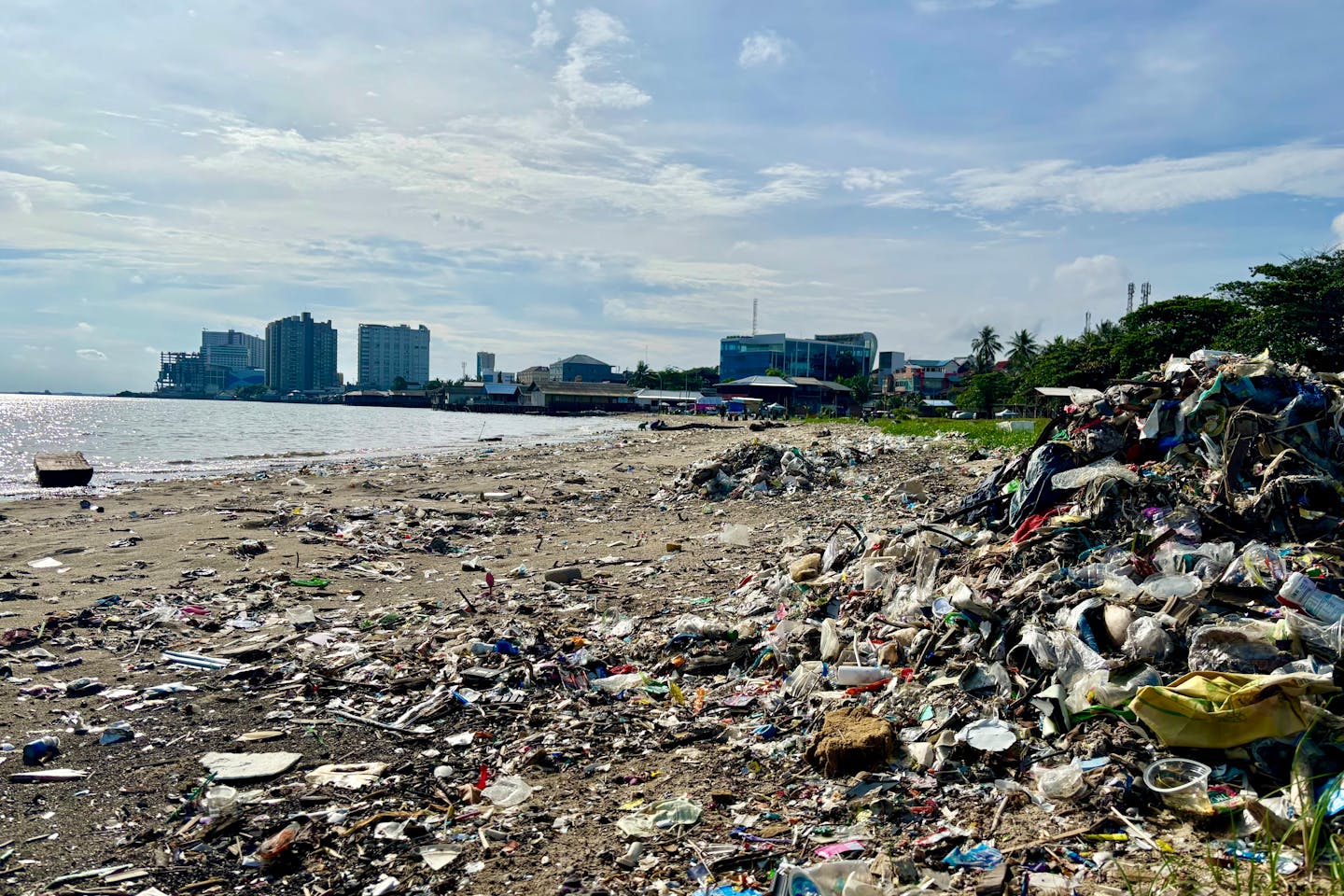
The trade war initiated by the Trump administration has caused a decline in the price of virgin plastic, negatively affecting the market for recycled plastic. The price difference between virgin and recycled plastic has widened, deterring brand owners from buying from recyclers. Major brands have scaled back their sustainability pledges to use more recycled plastic. The low market for recycled polyolefins has led to a decrease in waste collection and recycling efforts. Price volatility highlights the need for local solutions, such as regulations mandating the use of recycled materials and strong infrastructure for recycling. Governments and the private sector must support the recycling market in the face of declining virgin plastic prices.
Southeast Asia's recycled plastic market at risk amid Trump's trade war

The EU's Carbon Border Adjustment Mechanism (CBAM) is set to impose carbon taxes on imported goods, creating concerns for European firms despite aiming to level the playing field with non-EU competitors. Market reactions indicate that the regulation may pose additional challenges for EU companies, particularly those with low margins and high import dependencies. Stock prices of firms in carbon-intensive sectors have shown declines upon key CBAM approval dates, with European firms experiencing more significant drops compared to their non-EU counterparts. The CBAM's impact on wealth distribution and market dynamics is closely monitored as other countries contemplate similar measures.
Financial services
To global equity markets, the EU’s Carbon Border Adjustment Mechanism looks like another burden for European firms
Kazakhstan is transitioning towards clean energy as a response to the growing impacts of climate change, including water scarcity and extreme weather events. The country has made investments in renewable energy, with wind, solar, hydroelectric, and biomass power facilities. However, renewables currently only account for 5 percent of the energy mix, with the goal of reaching 15 percent by 2030 and 50 percent by 2050. The country is receiving international investment for clean energy projects, including wind power stations and a nuclear power plant. Kazakhstan is also focusing on partnerships with European countries to develop sustainable supply chains and explore critical minerals for clean energy storage. Cooperation and securing international support are crucial for the success of Kazakhstan's clean energy transition.
Kazakhstan, Kyrgyz Republic, Pakistan | Financial services
Can Kazakhstan Succeed in Its Transition Toward Clean Energy?