
DataRobot has acquired Agnostiq, a company that was previously focused on quantum computing but has since shifted its focus to AI and distributed computing. The acquisition reflects a trend of quantum startups pivoting towards AI and high-performance computing in order to achieve near-term commercial viability. The press release does not mention how Agnostiq's quantum expertise will be incorporated, raising questions about whether Covalent, Agnostiq's flagship open-source platform, will continue to have quantum computing integrations. The acquisition highlights the broader industry shift of quantum-first startups repositioning themselves in response to market realities.
DataRobot’s Acquisition of Agnostiq Signals a Shift from Quantum to AI Orchestration
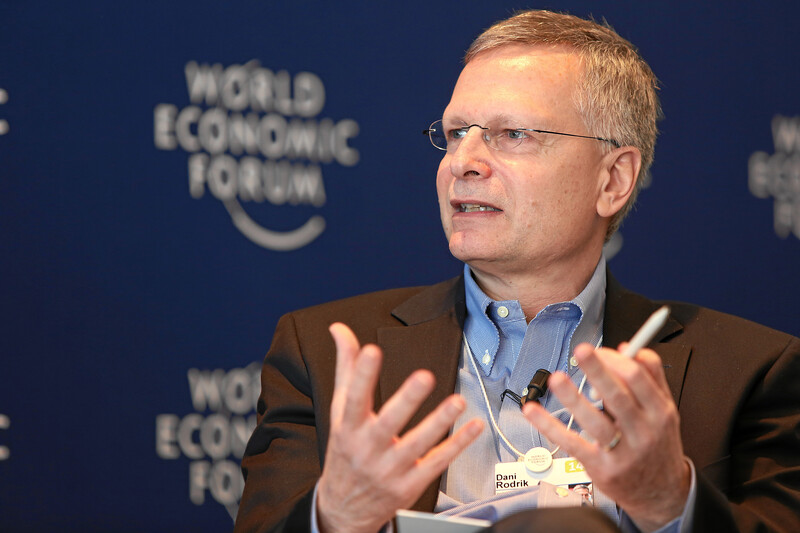
Harvard economist Dani Rodrik criticizes the hyper-globalization that has led to a disconnect between ordinary people and political elites. However, he argues that economic isolationism is not the answer and that self-sufficiency leads to economic decline. Rodrik advocates for an industrial policy approach, similar to China's success, to structure and diversify economies, creating opportunities for growth. He supports the use of industrial policies, such as the Biden administration's Inflation Reduction Act, to spur investment in green technology and decarbonization. Rodrik warns against damaging forms of economic nationalism, but acknowledges that a developmentalist approach can be helpful for countries to pursue their national interests.
Financial services
Globalization, tariffs and democracy: economist Dani Rodrik on why isolationism isn’t the answer
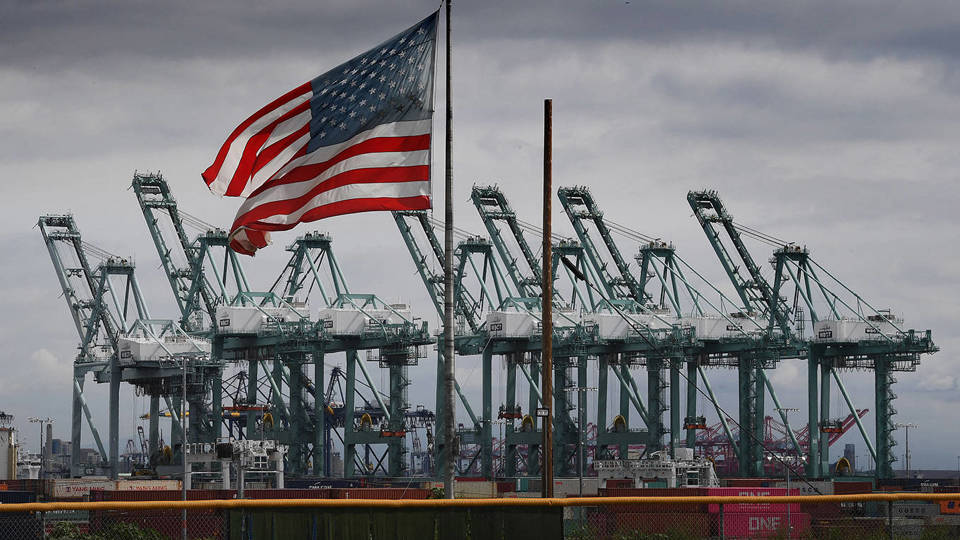
The US trade war with China has broader motivations than just trade. While winning the war could lead to better trade terms, American consumers and businesses may face negative consequences. President Trump's use of trade tariffs is driven by strategic objectives unrelated to trade. The recent imposition of tariffs on not just China, but also on longstanding allies like Canada and Mexico, marks a significant departure from decades of free-trade norms. The trade war has global implications, affecting countries beyond just those directly involved.
Canada
Trump’s Trade War Is About More Than Trade

AI is revolutionizing the search for new materials that have the potential to drive advancements in technology. Traditional methods of material discovery, based on trial and error, are time-consuming and expensive. However, the emergence of AI, particularly machine learning, is transforming the process. AI systems with generative capabilities are able to create new materials with desired properties, while also using predictive analysis to filter out theoretically feasible materials. For example, Microsoft's MatterGen and MatterSim tools can rapidly generate thousands of potential materials and assess their stability. Similarly, Google DeepMind's Gnome tool utilizes deep learning to predict material stability and has already identified 2.2 million new stable materials.
AI is transforming the search for new materials that can help create the technologies of the future

Long-haul flights between Europe and Asia are emitting 40% more CO₂ since the Russian invasion of Ukraine in February 2022. The increase is a result of airspace closures above conflict zones, forcing airlines to take longer, alternative routes, increasing flight times and fuel consumption. Rerouted flights burn an additional 23 to 28.5 tonnes of fuel per journey, releasing an extra 72 to 90 metric tonnes of CO₂. This increase in emissions could contribute to a global increase of up to 29% in aviation-related CO₂ emissions by 2025. Solutions include upgrading fleets to more fuel-efficient aircraft and optimizing flight paths using advanced air traffic management systems.
How the war in Ukraine has made flying worse for the climate
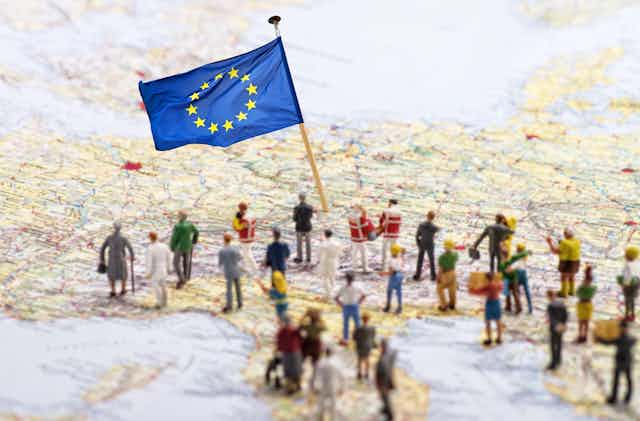
The European Union (EU) needs to adapt in order to survive in the modern world and withstand external pressures such as those from the US. The EU's current structure, which requires unanimous agreement among member states, hampers decision-making and allows for free-riding. Instead, the EU should coordinate multiple unions formed by member states around specific policies, allowing for more flexibility and voluntary participation. These unions could focus on areas such as defense, large infrastructure projects, or energy collaboration. To achieve resilience, these unions should also establish clear guidelines for potential member withdrawal.
Financial services
The EU was built for another age – here’s how it must adapt to survive
Fossil fuel subsidies in international aviation and shipping hinder efforts to reduce greenhouse gas emissions and create an uneven playing field. The article recommends implementing domestic aviation fuel taxation and unwinding legal barriers to taxing fossil fuels in international aviation. It also suggests supporting the adoption of a more stringent international emissions levy in the aviation sector. For shipping, it recommends implementing domestic shipping fuel taxation and supporting the establishment of an international shipping emissions levy of over $100 per tonne of carbon dioxide.
Fossil Fuel Subsidy Reform in Aviation and Shipping

The Caspian Sea faces significant ecological challenges due to oil extraction, industrial waste, and climate change, threatening its ecosystem. Green technologies, including eco-friendly water purification and biological innovations, offer potential solutions for mitigating these issues and restoring ecological balance. Current projects and sustainable practices are evaluated for their effectiveness and scalability, emphasizing the importance of green technologies in ensuring the long-term environmental sustainability of the Caspian Sea.
The Role of Green Technologies in Addressing the Ecological Problems of the Caspian Sea
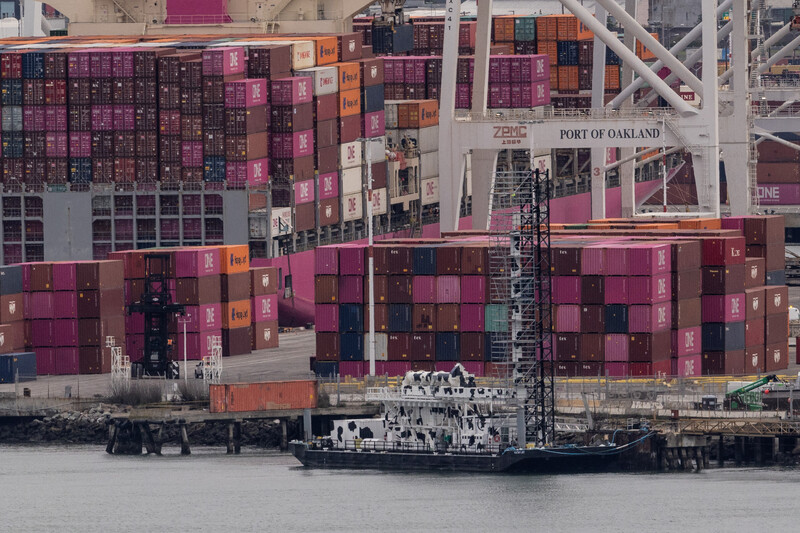
The world economy is moving away from a unified globalization model and towards regional alliances based on political, economic, and security interests. A hybrid model that combines traditional globalization with regional clubs and connector countries could help mitigate the full fragmentation of the global economy. Instead of bringing production back to the countries where products are used, global companies have been reorganizing their supply chains around groups of countries with similar values or security concerns. This diluted version of globalization, known as "clubification," can help maintain cross-border trade and mitigate the adverse effects of fragmentation. However, even this hybrid model is under threat due to increasing geopolitical tensions and tightening rules of origin.
Mexico, Switzerland, United Kingdom | Health, Financial services
A hybrid model for global trade can help navigate a fragmented world. Here's how
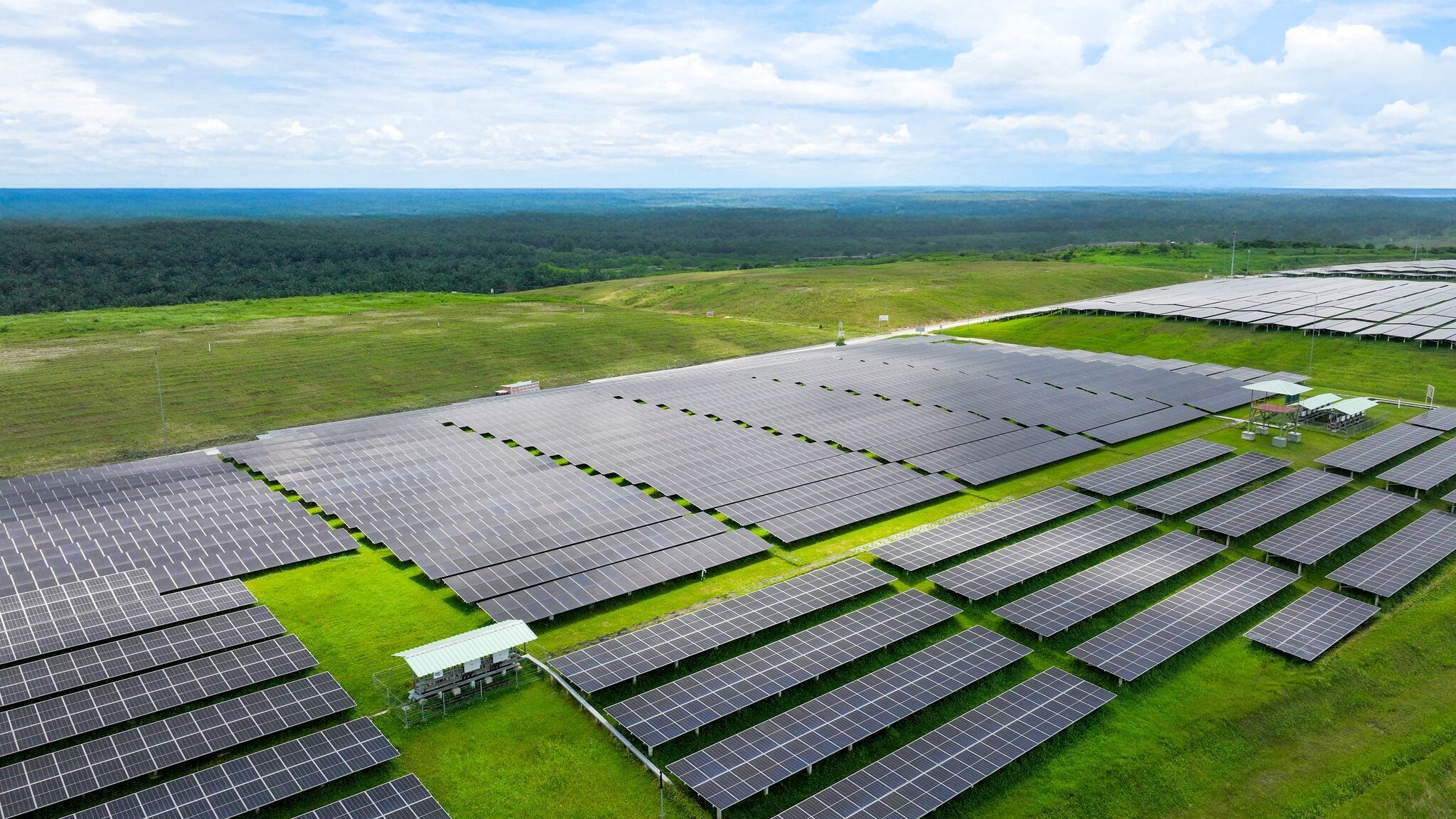
Asia needs to bridge the energy divide by adopting clean energy and enhancing regional connectivity, shifting investment focus from risk aversion to opportunity, and recognizing the importance of corporate action in driving the renewable energy transition. Examples of success include the Laos-Thailand-Malaysia-Singapore Power Integration Project and China's rapid deployment of solar energy. With the right mindset and actions, Asia can meet its climate mitigation and adaptation targets while promoting sustainable development.
Financial services, ICT
3 ways Asia can bridge the energy divide
The conference focuses on enhancing the business environment in Azerbaijan through the expansion of digital government services for startups. This initiative is a priority for improving convenience and supporting economic sustainability. Additionally, discussions involve social entrepreneurship, economic integration, and regional cooperation among Turkic states, with insights on growth prospects and investment trends for the first half of 2024. Notably, the influence of the Middle Corridor and the implications of the Karabakh Declaration were also addressed, emphasizing Azerbaijan's strategic leadership in economic cooperation.
Armenia, Bosnia and Herzegovina, Bulgaria, Kazakhstan, Kyrgyz Republic, Moldova, Russian Federation, Tajikistan, Türkiye, United Arab Emirates
Improving the business environment, economic reforms and modern challenges conference

Citizens' assemblies are increasingly utilized for citizen engagement, showing potential to depolarize views and rebuild trust. However, challenges like limited impact and elite influence exist, especially in fragile settings. The article provides a framework focusing on deliberative design, integrity, and sustainability, highlighting how well-designed assemblies can foster trust and dialogue, particularly in conflict-affected areas such as Bosnia and France. It emphasizes the importance of intentional design, deliberative administration, and sustainable orientation for the success of citizens' assemblies.
Citizens’ assemblies in fragile and conflict-affected settings
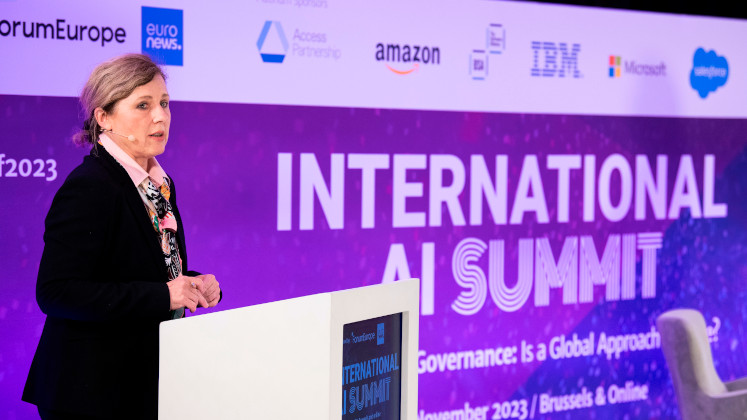
Data protection laws, such as the EU's General Data Protection Regulation (GDPR), are emerging as key tools for regulating artificial intelligence (AI). These laws were originally developed in response to automation, computers, and the idea of future "thinking machines." The current wave of AI law and governance principles can be seen as the next generation of data protection law, but it must be developed in parallel with existing laws to be effective. The Fair Information Practice Principles (FIPPs) are at the core of data protection law and have influenced legislation around the world. Data protection authorities are now the most active regulators of AI.
Why data protection legislation offers a powerful tool for regulating AI
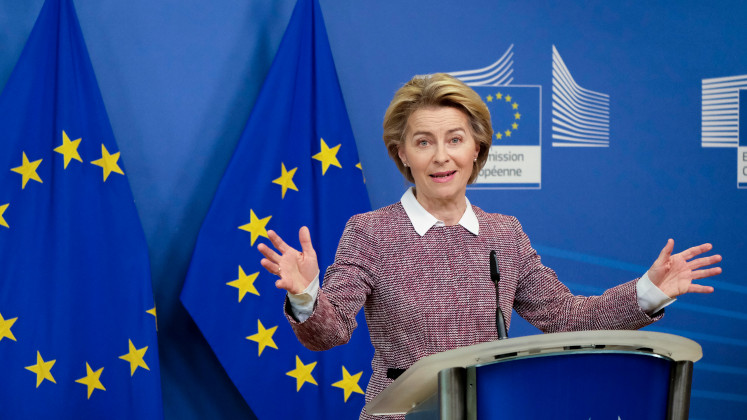
The EU's Artificial Intelligence Act, which came into force in August 2021, aims to regulate AI in the EU. However, there are still many questions about how the regulations will work in practice. While the EU was the first to introduce comprehensive rules on AI, the details and definitions are still being worked out. The Act takes a risk-based approach and aims to balance the promotion of AI with the protection of fundamental rights. However, there is a lack of clarity in the Act's provisions, which may be addressed at a later time.
Regulate fast, figure out the details later – the EU’s approach to AI

AI threatens women's job market participation, especially in STEM fields. A study found that 79% of employed women in the US work in jobs at high risk of automation, compared to 58% of men. This gender disparity is also seen globally, with women making up only 24% of the STEM workforce in the US. The underrepresentation of women in AI and STEM fields prevents them from shaping the future of work and taking advantage of new job opportunities. AI technology also perpetuates gender biases in recruitment processes, making it even harder for women to progress professionally. Action is needed to bridge the digital divide and invest in STEM education for girls to ensure women's involvement in an AI-driven economy.
Education
AI threatens women’s job market participation
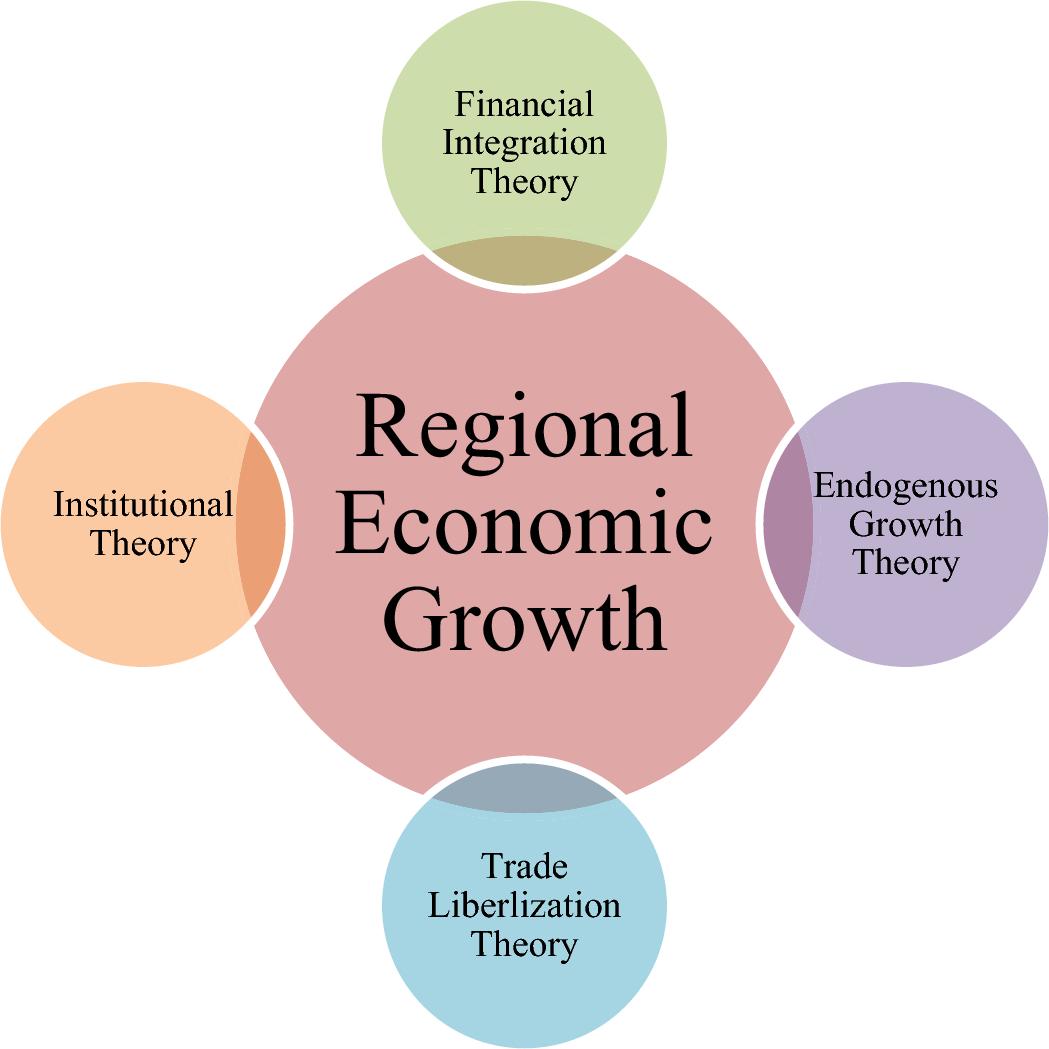
Financial integration has a significant impact on global economic growth. A study on the relationship between financial integration, renewable energy-induced trade, technology transfer, and climate change found that these factors influence regional economic growth in Europe and Central Asia. The study revealed an inverted U-shaped relationship between economic growth and carbon emissions, with renewable energy-induced trade contributing positively to growth. Trade openness and technology transfer further enhanced this growth, while industry-driven technology negatively impacted growth due to inadequate financial integration. The study emphasizes the importance of increasing financial integration to promote sustainable energy-driven trade and technology transfer in line with the United Nations' sustainable development agenda.
Armenia, Bahrain, Belgium, Benin, Cameroon, Chile, Costa Rica, Croatia, Czech Republic, Denmark, Ecuador, Egypt, Estonia, Eswatini, Ethiopia, Finland, Germany, Ghana, Greece, Hungary, Iceland, Indonesia, Ireland, Jordan, Kazakhstan, Kenya, Kuwait, Kyrgyz Republic, Lebanon, Luxembourg, Malawi, Malaysia, Malta, Mauritius, Mozambique, Netherlands, New Zealand, Oman, Pakistan, Panama, Peru, Poland, Portugal, Republic of Korea, Romania, Rwanda, Senegal, Slovakia, Sweden, Tanzania, Tunisia, Uganda | Health, Education, Financial services
Financial integration and economic growth: impact of renewable energy investments, technology transfer, and climate change on Europe and central Asian economies
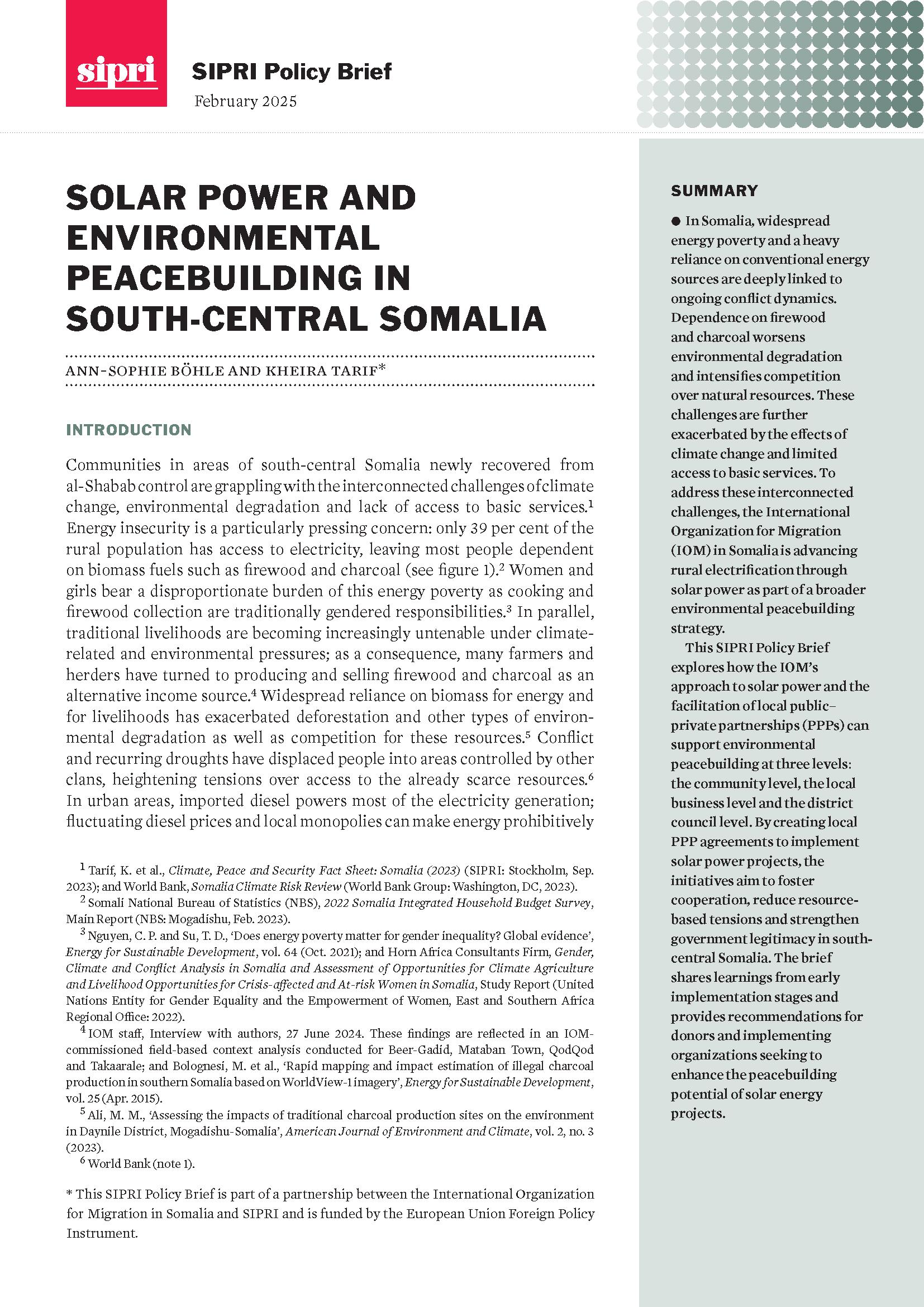
Solar power and environmental peacebuilding strategies are being implemented by the International Organization for Migration (IOM) in south-central Somalia to address energy poverty, environmental degradation, and conflict. By using solar power and facilitating local public-private partnerships, the IOM aims to foster cooperation, reduce resource-based tensions, and strengthen government legitimacy. This approach has the potential to reduce dependence on unsustainable fuels, mitigate environmental harm, and address the root causes of instability. However, further research and implementation are needed to fully understand and realize the peacebuilding potential of solar energy projects.
Solar Power and Environmental Peacebuilding in South-central Somalia

The Israeli military operation in the West Bank following the Gaza ceasefire has further devastated the already war-depleted economy. The incursion has resulted in the displacement of thousands of residents and the destruction of buildings, causing the area to become a ghost town. The military crackdown has led to sporadic gun battles with Palestinian militants and numerous casualties. Israeli roadblocks have hindered the movement of Palestinians and the economy has contracted significantly, leading to high unemployment and increased poverty rates. The situation has become increasingly desperate, with people resorting to theft and the black market to survive.
In West Bank, Israeli army operation batters war-depleted economy
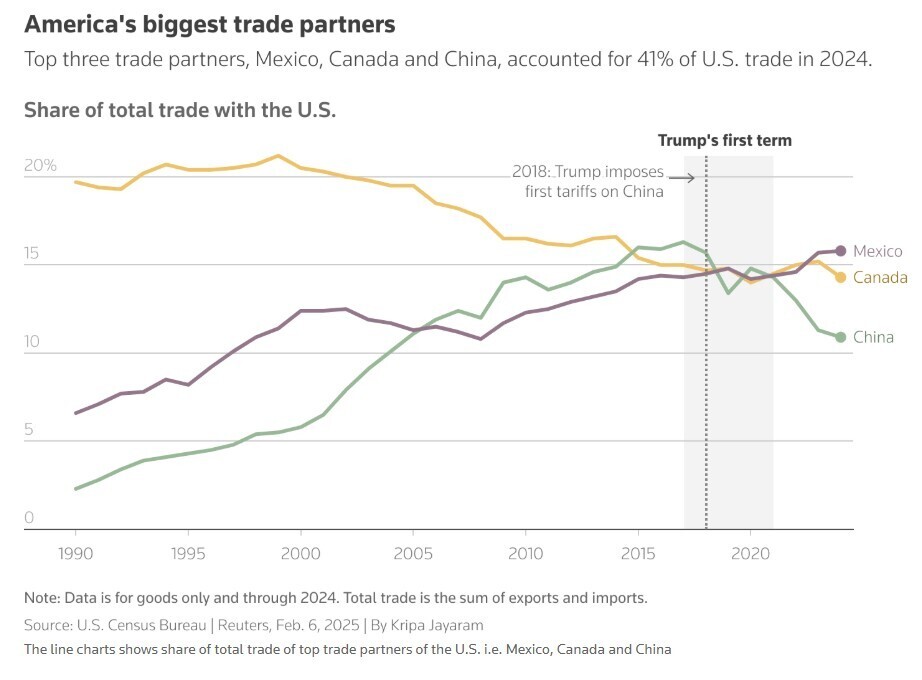
US tariffs imposed on Chinese imports and temporary delays on tariffs for Canada and Mexico have caused global market turmoil. The Canadian dollar hit a 20-year low and the Mexican peso remains volatile. The euro is also under pressure amid fears of potential tariffs from the European Union. The auto sector has also warned of major profit losses and economic growth slowdown. In other economic news, the Eurozone has rebounded in January but uncertainty remains over US tariffs. Canada's unemployment rate fell, China's new yuan loans surged, and India cut interest rates for the first time in five years.
Canada | Financial services
Trump's tariffs rattle global markets – and other economic stories to read this week
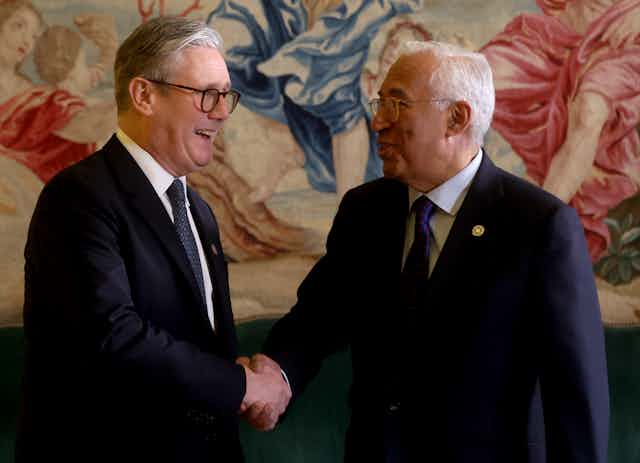
Keir Starmer, the leader of the Labour Party in the UK, recently made a significant visit to the EU as the first British prime minister to join the EU leaders for their post-summit dinner since Brexit. The dinner symbolizes a desire for a "reset" in UK-EU relations and a closer cooperation on security and defense. Starmer is advocating for an ambitious security partnership with the EU, which offers an opportunity for the UK to improve relations and rebuild trust without compromising on its red lines. The EU sees potential in such a partnership but wants to see concrete proposals. Further discussions will take place in a summit in May.
United Kingdom
Keir Starmer takes first steps in UK-EU ‘reset’ – can he get the deal he wants?