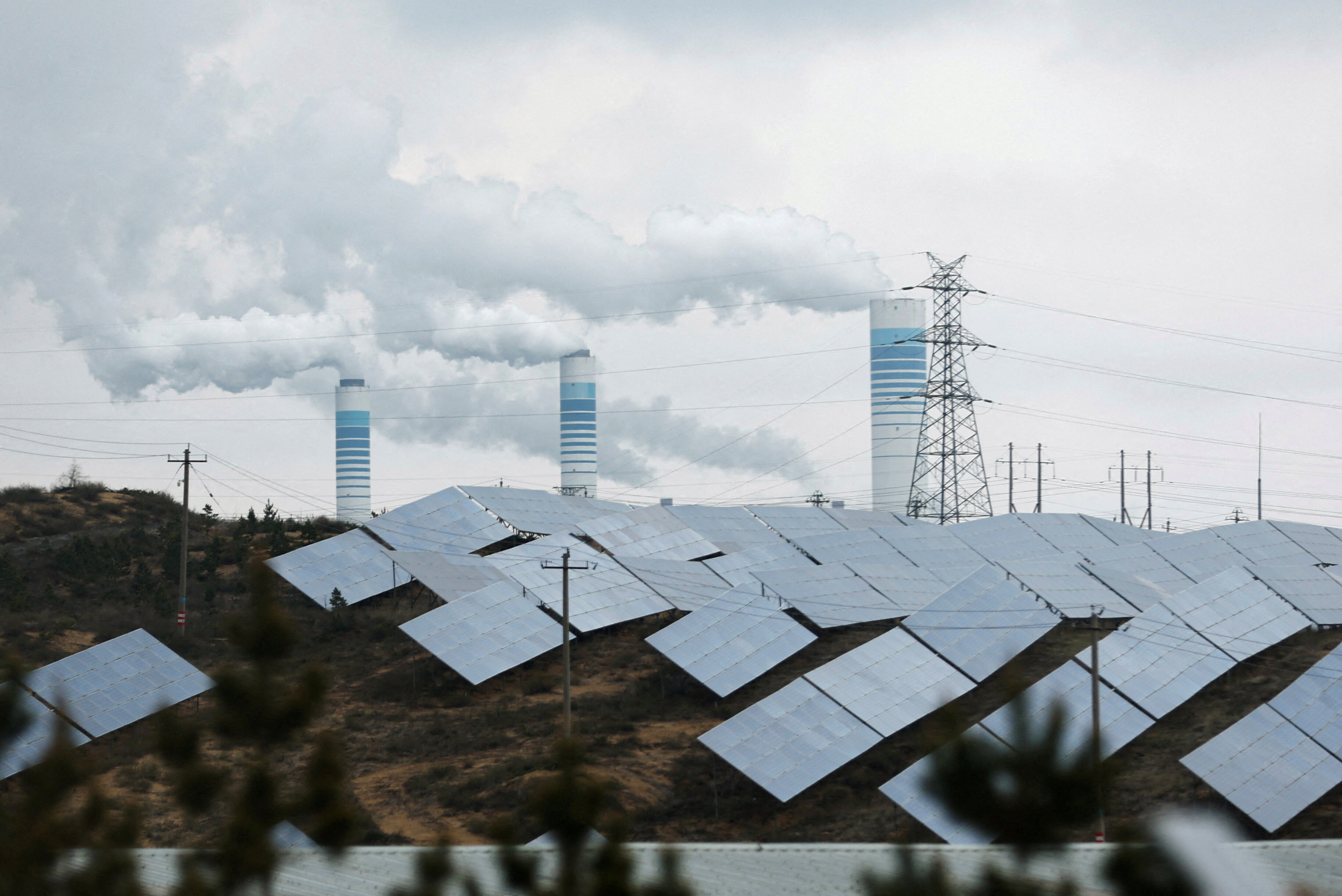
Countries are investing heavily in clean energy transitions, but the paths they take are shaped by their unique political, technological, and financial circumstances. Successful energy transitions require partnerships between governments and private companies. Different countries are adopting various approaches, such as the UK's asset-based regulated carbon capture projects, China's investment in clean energy research and development, Brazil's fast-tracking of green patents, and Chile's bilateral agreements for renewable energy development. Collaboration and learning from each other's experiences are key for accelerating the global clean energy transition.
Chile, Egypt, India, Netherlands | Financial services, Education
Clean energy success demands country-specific solutions
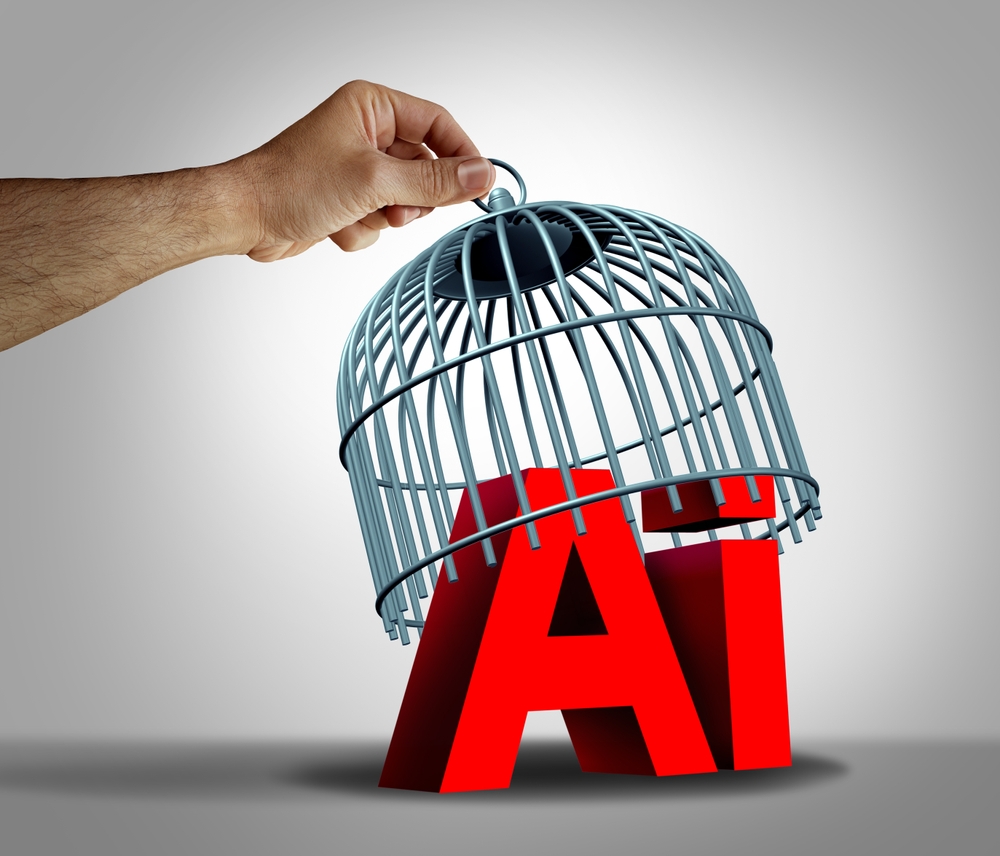
The AI Action Summit in Paris, taking place on February 10-11, aims to address the equitable distribution of AI's benefits, concerns about AI control by dominant players, the role of open source, and the development of responsible and trustworthy AI. The summit will gather nearly 100 nations and will present an International AI Safety Report 2025, covering various threats and risks associated with AI. The goal is to move beyond fears about AI's potential harm and instead highlight its positive impact on education, healthcare, and research. The summit will also discuss the need for international collaboration on risks such as the AI R&D and compute divide, market concentration, and privacy concerns.
AI Action Summit Preview
The speed at which food moves through the digestive tract, known as gut motility, is important for overall health and wellbeing. Gut transit time, the time it takes for food to pass through the gastrointestinal tract, varies from person to person and can be influenced by factors such as genetics, diet, and the gut microbiome. Slow gut motility can lead to issues such as constipation and bloating, while fast gut transit can result in decreased absorption of water and nutrients. An at-home test called "the sweetcorn test" can provide a rough estimate of gut motility.
How fast is your gut? The answer to this question is important to your health

AI can potentially boost the UK's economic growth by improving public services and decision-making, but careful management is required to mitigate risks and build trust. Challenges include job displacement, inequality, and eroding public confidence. Reskilling initiatives are necessary, but additional flexibility in financial systems is needed to adapt to income volatility. Oversight and auditability are crucial for preventing failures and ensuring accuracy in AI systems deployed in sectors such as justice and welfare. Fairness, transparency, and citizen engagement are key principles to address biases and promote trust. Ongoing review and stakeholder engagement are essential for adapting AI systems to societal needs, while education, ethical design, and strong regulation support responsible AI deployment.
Financial services, Education
AI can boost economic growth, but it needs to be managed incredibly carefully
Blockchain technology has the potential to enhance the governance of digital commons, such as open-source software and public data repositories. By facilitating transparent record-keeping, decentralized decision-making, and fair attribution, blockchain can address challenges faced by digital commons. It allows for the creation of decentralized governance structures, tokenization of contributions, and automated resource allocation. Blockchain technology can also create new economic models for sustaining digital commons, such as using non-fungible tokens (NFTs). Governments, stakeholders, and the promotion of digital literacy are necessary to fully harness the potential of blockchain in governing digital commons.
Financial services, Education
The digital commons: how to harness blockchain for better governance
The recent launch of the Chinese AI company, DeepSeek, has brought attention to the growing energy consumption of AI and the need for carbon removal to mitigate climate risk. As AI technology expands rapidly, so does its energy demand, potentially outpacing the growth of clean energy. This could lead to increased fossil fuel dependence and contribute to greenhouse gas emissions. Therefore, a holistic strategy that combines energy efficiency, clean energy growth, infrastructure improvements, and carbon removal is crucial to prevent further climate risks. Without carbon removal, AI companies risk entrenching high emissions and face growing scrutiny from stakeholders.
AI’s energy problem: Why carbon removal can’t wait
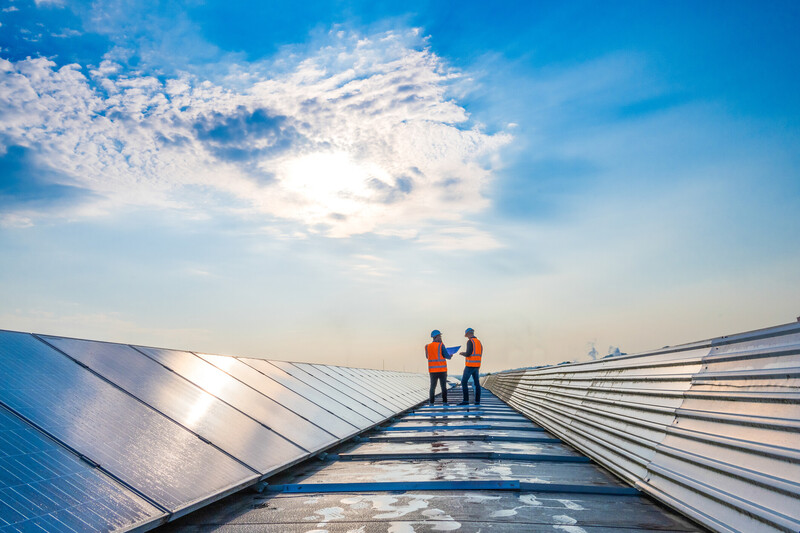
Resilience is crucial for climate action in today's disrupted world. With geopolitical tensions and shifting priorities impeding progress towards net-zero goals, businesses need to adapt and address the concerns of stakeholders. The concept of resilience provides a framework for anticipating and adapting to various disruptions, such as severe weather events and supply chain challenges. Additionally, it bridges the gap between climate and biodiversity issues, leading to integrated solutions. By embracing resilience, businesses can shift their focus from short-term risk management to long-term strategies that align with environmental objectives. This approach also allows companies to broaden their stakeholder focus and contribute to sustainable growth. Ultimately, resilience is not just a buzzword but an essential tool for achieving sustainable and inclusive development.
Financial services
Resilience is key to climate action in a disrupted world. Here's why

Europe should pursue closer ties with Africa in the face of growing American insularity under President Donald Trump. Historically, geographical proximity and existing trade relationships provide a strong foundation for a meaningful rapprochement. However, underdeveloped trade, talent shortages in Europe, and Africa's lagging technology present challenges. Europe can counterbalance China's extractive practices and protectionism by positioning itself as a reliable, long-term partner for Africa. To reset the relationship, Europe must balance the terms of trade, support the African Continental Free Trade Area, recalibrate overregulation, scale up financial commitments to African infrastructure, and demonstrate strong leadership. However, bureaucratic inertia and the influence of right-wing political forces pose obstacles. In addition, Europe's economies depend on African talent to sustain growth, but rising xenophobia and restrictive immigration policies hinder workforce mobility. It is crucial to address this policy paradox for mutual prosperity.
Africa | Financial services
Europe and Africa: finding love in a time of Trump?
Chinese start-up DeepSeek has caused a stir in the AI industry with its new open-source AI model. The model, which offers similar performance to leading models at a fraction of the cost, surpassed ChatGPT to become the top-rated free app on the US Apple App Store. DeepSeek claims its model is as powerful as ChatGPT's o1 model in tasks like mathematics and coding, requires less memory, and was trained with less than $6 million in computing power. The release has the potential to set new standards for future AI models in terms of efficiency and cost-effectiveness. On the other hand, concerns around security have led Taiwan and Australia to ban the use of the app on federal devices.
DeepSeek shakes up AI sector – and other digital tech stories you need to know

Germany's far-right AfD party is leveraging the urban-rural divide to polarize voters. The party promotes a narrative of the city as a negative force that threatens rural tradition and cultural identity. This division is reflected in the party's electoral outcomes, with strongholds in eastern Germany. The clash of urban and rural lifestyles and values has created a pluralism of ideas, ranging from progressive and inclusive to conservative and exclusive. This politicization of the urban-rural divide has implications for issues such as wind turbine construction and energy production in rural areas.
Germany
These maps of support for Germany’s far-right AfD lay bare the depth of the urban-rural divide
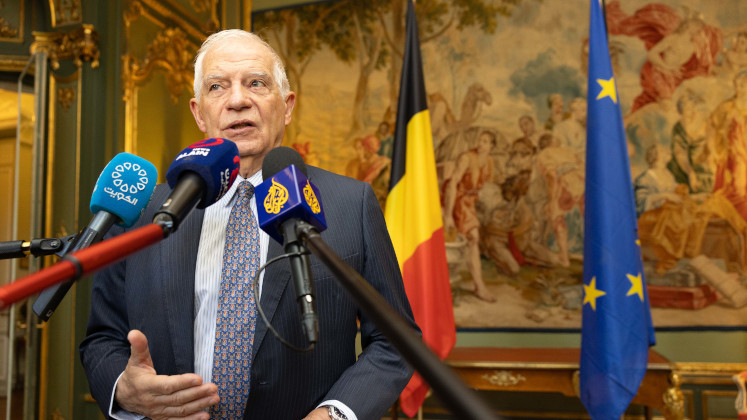
The EU's treatment of Palestine and Ukraine demonstrates clear double standards. While Ukraine is seen as part of the "garden" and receives support from the EU, Palestine is marginalized and denied its political identity. The EU has imposed sanctions on Russia for its actions in Ukraine, but sides with Israel in the conflict with Palestine. This contradiction shows that the EU's foreign policy is marked by racism and selective support for human rights. Despite some institutional voices standing against this, the EU continues to maintain its unequal treatment of these two conflicts.
Israel, Ukraine
The EU’s double standards on Palestine and Ukraine

Most AI projects fail due to a lack of a solid strategy. To address this, a roadmap has been created to guide organizations in designing, developing, and implementing an AI strategy. The roadmap consists of seven stages, including goal setting, capabilities assessment, data strategy, dual track implementation, and budgeting. By following this roadmap, organizations can avoid common pitfalls and increase the chances of success in their AI initiatives.
A roadmap to help organisations avoid failure in AI

"Conscious tinkering" is a practical framework for kickstarting AI in organizations, allowing them to experiment and iterate on small-scale prototypes. This approach, which emphasizes low-stakes innovation and building on successful ideas, has allowed Ashoka, the world's largest network of social entrepreneurs, to develop 25 prototypes that now save the organization time equivalent to several full-time employees. The framework also highlights the importance of maintaining responsible and ethical boundaries, as well as aligning with the organization's current capabilities. By fostering an environment of experimentation and selecting staff who embrace an entrepreneurial spirit, organizations can drive meaningful and sustainable AI impact.
How “conscious tinkering” can kickstart AI in your organization
This article examines the impact of foreign exchange (FX) trading volume on volatility, specifically using high-frequency data. The study finds a significant influence of third-party trade volumes on the volatilities of original currency pairs, highlighting the importance of regional cooperation in mitigating volatility. The United States dollar (USD) has a substantial impact as a third-party, but even currency pairs without USD linkages have an effect. The paper includes an introduction, data and methodology section, empirical results, conclusions, and an appendix.
Japan, Russian Federation
Dynamic Impact of Foreign Exchange Trading Volume on Foreign Exchange Volatility
AI and robots have different impacts on employment and labor productivity, according to a study of firms in South Korea. The adoption of AI is found to have a more positive overall impact, increasing employment and improving labor productivity. However, AI adoption is also associated with a decrease in the labor share of income. There is no evidence of combined benefits when firms adopt both robots and AI.
Republic of Korea
Implications of Artificial Intelligence and Robots for Employment and Labor Productivity: Firm-Level Evidence from the Republic of Korea

The ethnic pension gap in the UK negatively impacts minority ethnic communities' retirement income, with the Bangladeshi and Pakistani communities and women being the most affected. The gap is a result of factors such as lower employment rates and lower participation in workplace pension schemes within these communities. Cultural and religious reasons, as well as structural barriers, also contribute to the gap. The government could address the issue by encouraging employment among younger individuals from these communities, reducing the eligibility threshold for auto-enrolment in pension schemes, and promoting more sharia-compliant investments. Closing the ethnic pension gap is crucial, given the aging and increasingly diverse population in the UK.
Why there’s an ethnic pension gap in the UK – and how the government could close it
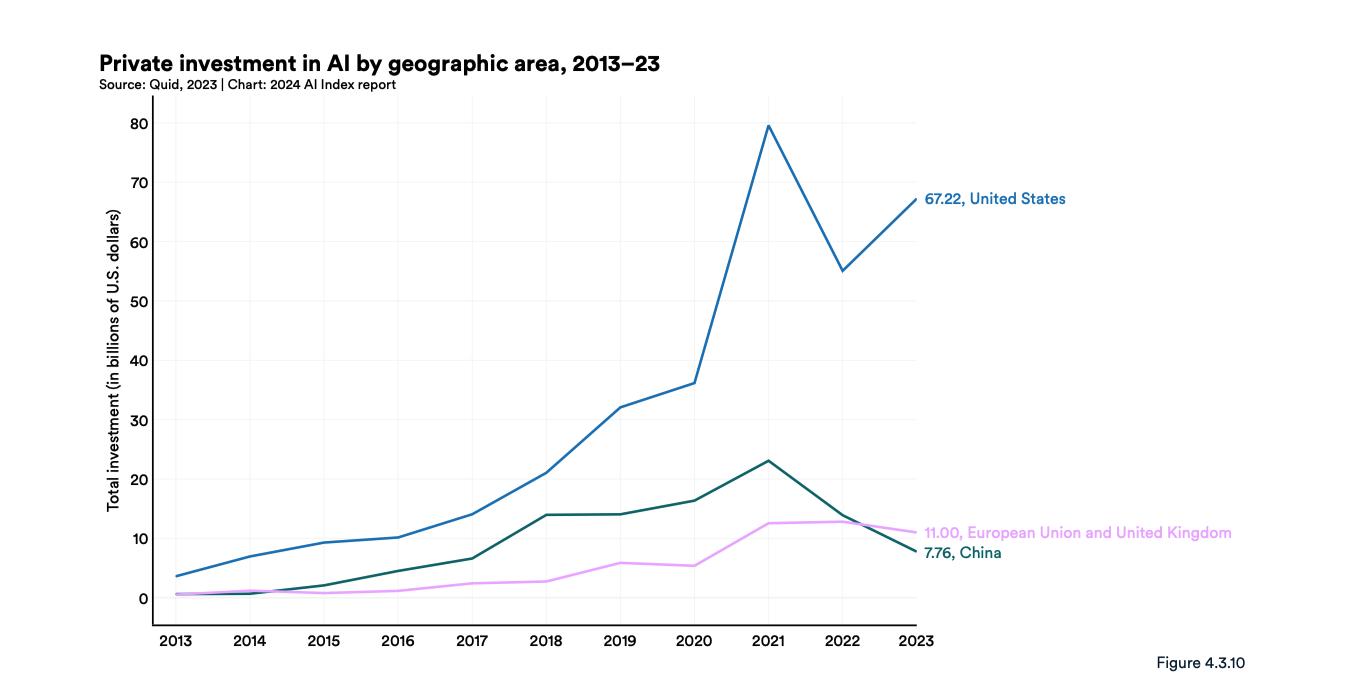
Chinese open-source AI company DeepSeek has become the most downloaded free app on the Apple App Store in the US, surpassing ChatGPT. DeepSeek's open-source model allows anyone to access, modify, and implement its code and technical explanations, making it more accessible to developers and organizations. The company's cost-effective and energy-efficient approach challenges traditional AI development methods and has the potential to democratize AI technology. However, concerns arise regarding data handling, security, censorship, and potential misuse of open-source AI. The World Economic Forum is exploring the transformative potential of AI and promoting a collaborative and trustworthy AI environment.
What is open-source AI and how could DeepSeek change the industry?
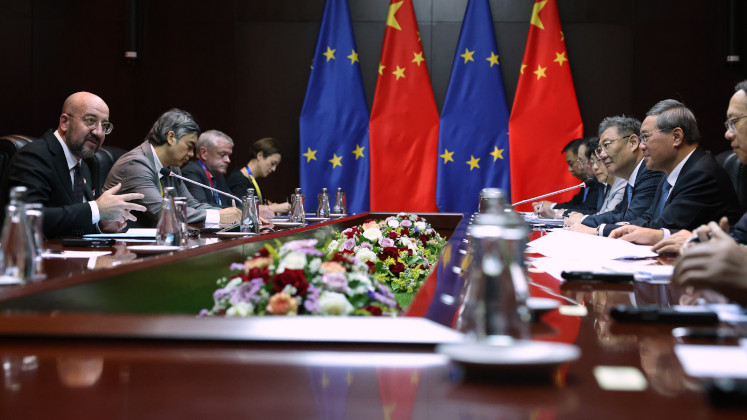
Geoeconomics is gaining significant attention in the field of international relations and foreign policy. There is a shift towards a more security-oriented view of economics in the context of foreign policy, with a focus on securing essential resources and maintaining technological superiority. Two types of geoeconomic security dilemmas are identified: one related to national survival and access to essential resources, and the other focusing on long-term competition between great powers and the limitation of access to advanced technologies. Understanding these dilemmas is crucial for policymakers to make informed decisions and potentially prevent escalation towards conflict.
Financial services
The geoeconomic security dilemma
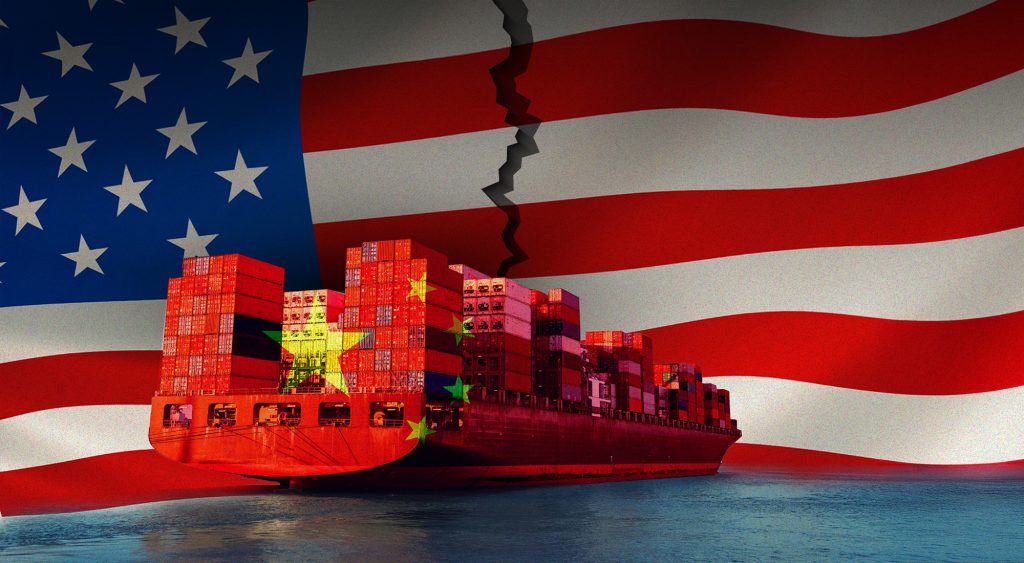
The U.S.-China trade war is discussed in this article, which examines the impact of U.S. tariffs on Chinese goods and China's strategic responses. The trade war has led to significant economic repercussions for China and its global trading partners, with implications for global trade dynamics and increased protectionism. The historical context of the trade war is explored, and the article also discusses China's trade policies and the influence they have on its international trade relationships. The trade war has far-reaching and multifaceted economic implications, as other countries seize opportunities to fill the void left by the U.S. and China.
Financial services
The U.S.-China Trade War: China’s Challenge in Navigating U.S. Tariffs and Global Trade Tensions

The possible imposition of tariffs on Taiwanese semiconductors by the Trump administration may lead to a cross-border trade war and increased costs for US technology companies. A study by the US International Trade Commission estimates that any disruption in semiconductor manufacturing in Taiwan could raise US chip prices by up to 59%. Apple and Nvidia are highly dependent on Taiwan's Semiconductor Manufacturing Company (TSMC), which produces 95% of the world's advanced chips. Tariffs could also prompt US companies to move outside of the US and Taiwanese companies to shift operations to alternative production hubs.
Taiwan, China
Trump tariffs: Is Taiwan next? (and what does it mean for tech companies)