
The US-China tech war is driven by contrasting philosophies on competition. The US approaches it as a sprint, pursuing short-term gains and exclusivity, while China treats it as a marathon, emphasizing inclusivity and long-term outcomes. The US strategy focuses on control and dominance, while China prioritizes negotiation and cooperation. The different approaches are shaped by their philosophical frameworks, with the US influenced by Machiavellian and Clausewitzian principles, and China influenced by Confucian and Sun Tzu ideals. Both countries have achieved victories in the tech war, but their strategies have implications for long-term competitiveness.
The philosophies behind the US-China tech war

The emergence of DeepSeek, a Chinese AI company, has disrupted the AI landscape by reducing the costs of developing large language models (LLMs) significantly, claiming to have trained its model at only $5.6 million. This has forced U.S. firms like OpenAI to reconsider their strategies. DeepSeek's advancements highlight China's growing capabilities in AI research, with increasing numbers of elite AI researchers remaining in the country. Additionally, as costs decline, monopolizing AI seems less feasible, with competitive advantage shifting towards companies that can effectively integrate AI into their existing platforms, leveraging user engagement rather than direct monetization of AI.
Key ideas in the global race for AI supremacy

Donald Trump's campaign promise to enact significant tariffs has been reduced to empty threats. The original proposal for sweeping trade restrictions has been scaled down, with tariffs used as a negotiating tool to gain concessions.
The Tariffs Were Never Real
China's DeepSeek Large Language Model (LLM) is disrupting the US-dominated market with its high-performance chatbot at a lower cost. DeepSeek's AI chatbot, R1, outperforms OpenAI's o1 model and ChatGPT-4o, but is slightly surpassed by Anthropic's ClaudeAI and OpenAI's o1 mini according to tests by the Knowledge Observation Group. DeepSeek's success challenges the status quo, showing that high-performance LLM models can be developed at a lower cost. However, DeepSeek faces criticism due to its responses to politically sensitive topics in China, highlighting the growing concern of political influence and censorship in LLMs. Transparency and accountability will be crucial for the safe and trustworthy future of LLMs.
Taiwan, China
Putting DeepSeek to the test: how its performance compares against other AI tools
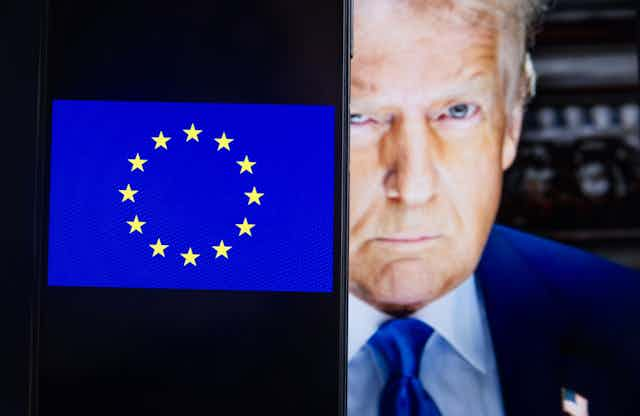
The UK may be fortunate enough to avoid new import taxes imposed by the US due to its position of having a trade deficit with the US. However, an exemption from US tariffs could lead to the UK benefitting indirectly from a trade war between the US and the EU. Nevertheless, the UK's interconnected supply chains and reliance on components from the EU and China could make UK exports more expensive if disruptions occur. The main focus should be on avoiding global trade wars, since small shocks to supply chains can have a butterfly effect on products bought and sold in the UK. It is uncertain what Trump hopes to achieve with his tariffs, but the consequences for consumers worldwide could be severe.
Canada, United Kingdom
The UK would be lucky to avoid US tariffs – but a global trade war would hurt everyone

Restless Legs Syndrome (RLS) is an incurable neurological condition that affects approximately 7% of people. It is characterized by an irresistible urge to move the legs and various sensations. RLS symptoms have a 24-hour cycle that tends to peak at night, coinciding with the body's increase in melatonin release. Diagnosis is based on symptoms and medical history, as there is no specific test for RLS. Risk factors for developing RLS include age, gender (more prevalent in women), pregnancy, and obesity. Lifestyle changes such as stopping smoking and alcohol consumption, as well as exercise and stretching, can help manage symptoms. Treatment of underlying issues and medication, such as anticonvulsants and dopamine agonists, can also alleviate symptoms. While there is no cure for RLS, there are options available to manage and reduce symptoms.
Restless legs syndrome is incurable – here’s how to manage the symptoms

The China-US trade war has entered a new phase as the United States imposed an additional 10 percent tariff on all Chinese imports. In response, China has retaliated by imposing its own tariffs on certain US imports and filing a case against the United States at the World Trade Organization. China's export controls on rare earth metals and adding more US companies to its Unreliable Entities List further demonstrate its willingness to use sanctions. The trade war continues to escalate with both countries taking decisive actions to protect their interests.
The Next Phase of the China-US Trade War Has Begun
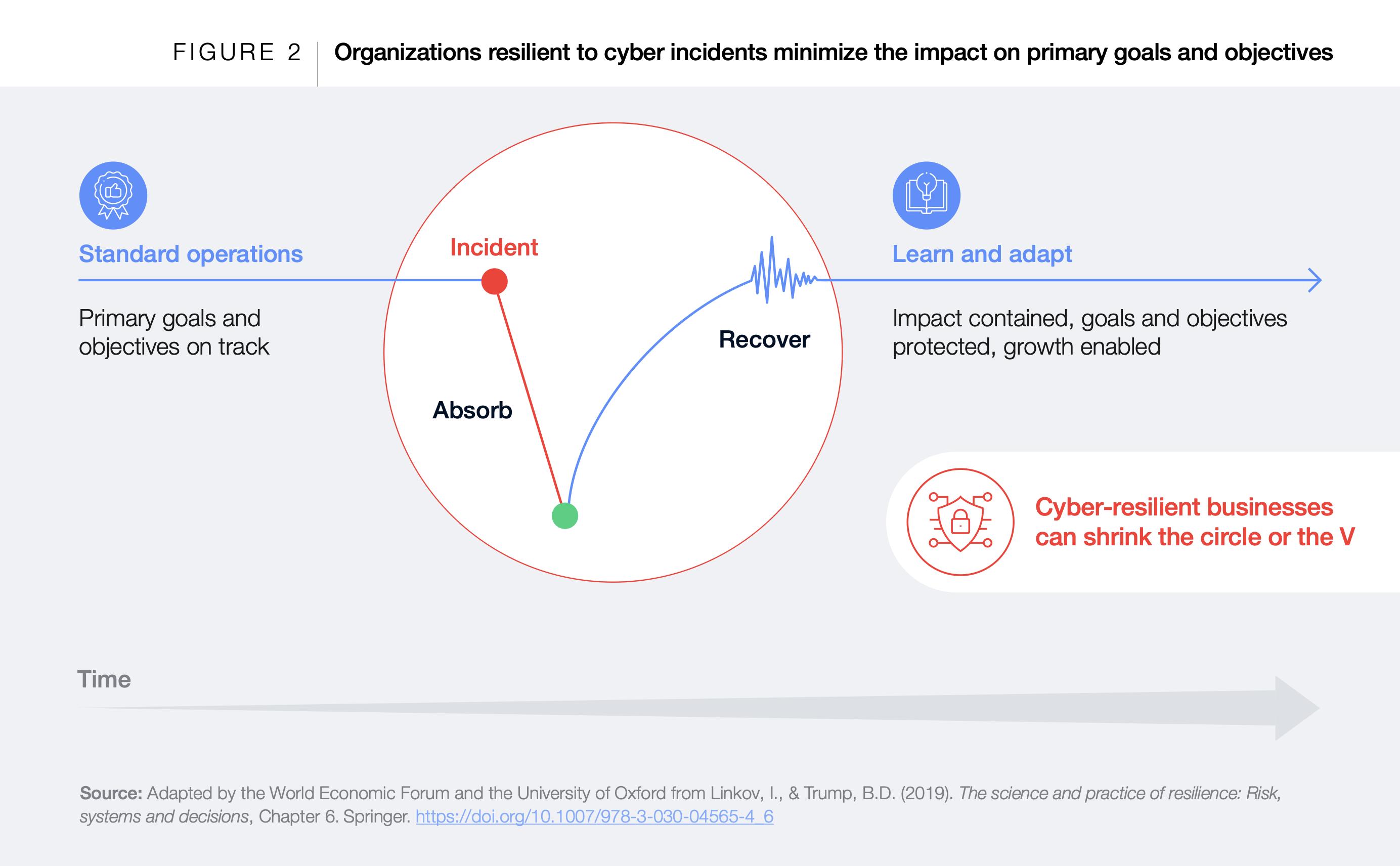
UK engineering firm Arup experienced a deepfake attack that resulted in the theft of $25 million. The attack involved the use of AI-generated deepfakes to deceive an employee into making a fraudulent transfer. Arup's Chief Information Officer, Rob Greig, highlighted the importance of cyber resilience in the face of evolving cyber threats. The incident underscores the growing sophistication of cybercrime and the need for organizations to be more transparent about their experiences. Greig emphasized the accessibility and effectiveness of deepfake technology, urging organizations to be vigilant and take actions to protect themselves, including enhancing visibility into technology and data activities and implementing strong detection measures.
Financial services
‘This happens more frequently than people realize’: Arup chief on the lessons learned from a $25m deepfake crime

Foreign powers such as China, Russia, Iran, Turkey, and the United Arab Emirates are using disinformation tactics in Africa to advance their own interests and reinforce illiberal tendencies in African governments. These tactics involve digital propaganda, manipulated information, and the spread of falsehoods to bend public perceptions, influence elections, and shape government policy. Western actors have also engaged in similar activities, though to a lesser extent. The effects of these disinformation campaigns can lead to the unfair awarding of contracts and military cooperation agreements, as well as access to valuable resources. Russia has pioneered this strategy and has used social media platforms to spread its messaging across the continent. Beijing, on the other hand, amplifies the narratives of the Chinese Communist Party through its state-run media networks.
Africa
Disinformation tactics in Africa

Quantinuum has launched its Generative Quantum AI (Gen QAI) framework, which utilizes quantum-generated data to enhance artificial intelligence (AI) and tackle previously unsolvable challenges. The framework, which leverages Quantinuum's H2 quantum computer, has the potential to revolutionize AI in fields such as medicine, finance, and logistics. By training AI models with data generated by the quantum computer, Gen QAI enables the development of high-performance models capable of solving complex problems that were once deemed impossible. The technology could make AI more accessible and effective in industries with limited structured data.
Quantinuum Touts Generative Quantum AI’s Massive Commercial Potential
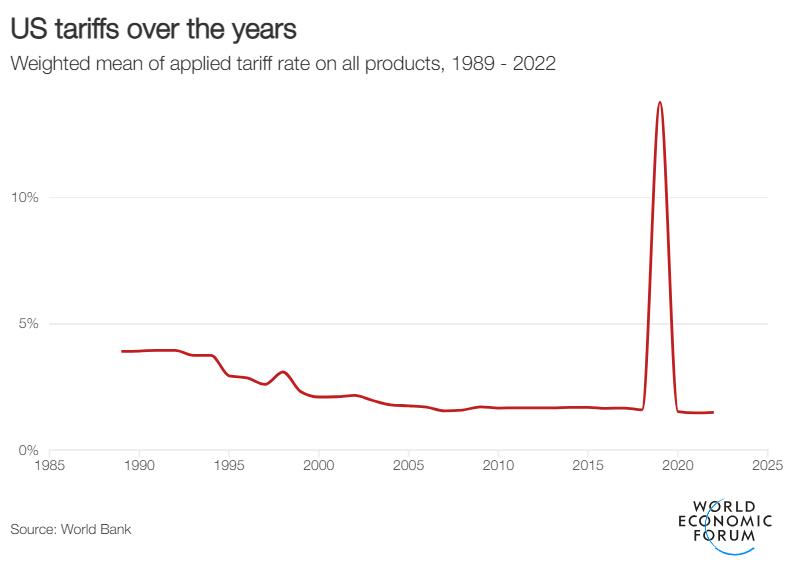
The US administration under President Donald Trump recently announced tariffs on goods from Canada, Mexico, and China, with the intention of protecting domestic markets. However, economists warn that tariffs can lead to a trade war, raising prices for consumers and causing inflation. Tariffs work by imposing a tax on imported goods, making them more expensive and less desirable than domestic alternatives. While some tariffs may be seen as reasonable and judicious, excessively high tariffs can harm global trade and its benefits. The US-China trade tensions during Trump's presidency resulted in increased tariff rates. The long-term effects and benefits of tariffs are still under debate.
Canada, Mexico
How do tariffs work – and do they work?

AI can redefine investment strategy and generate value for financial firms. Research shows that while only 2% of private equity firms expect significant AI-driven value this year, 93% anticipate moderate to substantial benefits within three to five years. By employing AI throughout the investment lifecycle and embracing responsible AI governance, financial firms can unlock opportunities for value creation and gain a competitive edge. The use of AI in deal sourcing, due diligence, and portfolio management can lead to smarter decisions, enhanced efficiency, and improved effectiveness. However, it is important to ensure that AI adoption is accompanied by robust governance and ethical frameworks.
How AI can redefine investment strategy and generate value for financial firms
The von der Leyen II Commission marks a significant shift in the EU's political landscape, emphasizing new balances among member states, particularly favoring Germany and the Baltic nations. Key positions have been filled by diplomats from Germany and the North-East EU, enhancing their influence within the Commission as a response to geopolitical challenges. The reshuffling includes strategic portfolios, indicating a recalibration of power dynamics that may impact EU governance and decision-making, particularly in light of external threats such as geopolitical tensions and Trump's return to the White House.
Algeria, Australia, Austria, Belgium, Bulgaria, Croatia, Cyprus, Czech Republic, Denmark, Egypt, Estonia, Finland, France, Germany, Greece, Hungary, Ireland, Italy, Jordan, Latvia, Lithuania, Luxembourg, Malta, Mauritania, Morocco, Netherlands, Norway, Poland, Portugal, Romania, Slovakia, Slovenia, South Africa, Spain, Sweden, Switzerland, Taiwan, China, United Kingdom, Venezuela | Financial services
The EU at the Dawn of a New Political Cycle: What Diplomatic Balances Between Member States?
The use of e-commerce among micro, small, and medium-sized enterprises (MSMEs) in the Philippines during the COVID-19 pandemic had mixed results. Initially, there were no significant positive outcomes, but by March 2021, a positive impact was observed. The study suggests that MSMEs need a certain level of maturity to effectively utilize digital tools. Policy recommendations include establishing a regulatory framework for fair competition on digital platforms. The findings complement a previous study conducted in Indonesia.
Financial services
Unintended Consequences of Business Digitalization Among MSMEs During the COVID-19 Pandemic: The Case of the Philippines
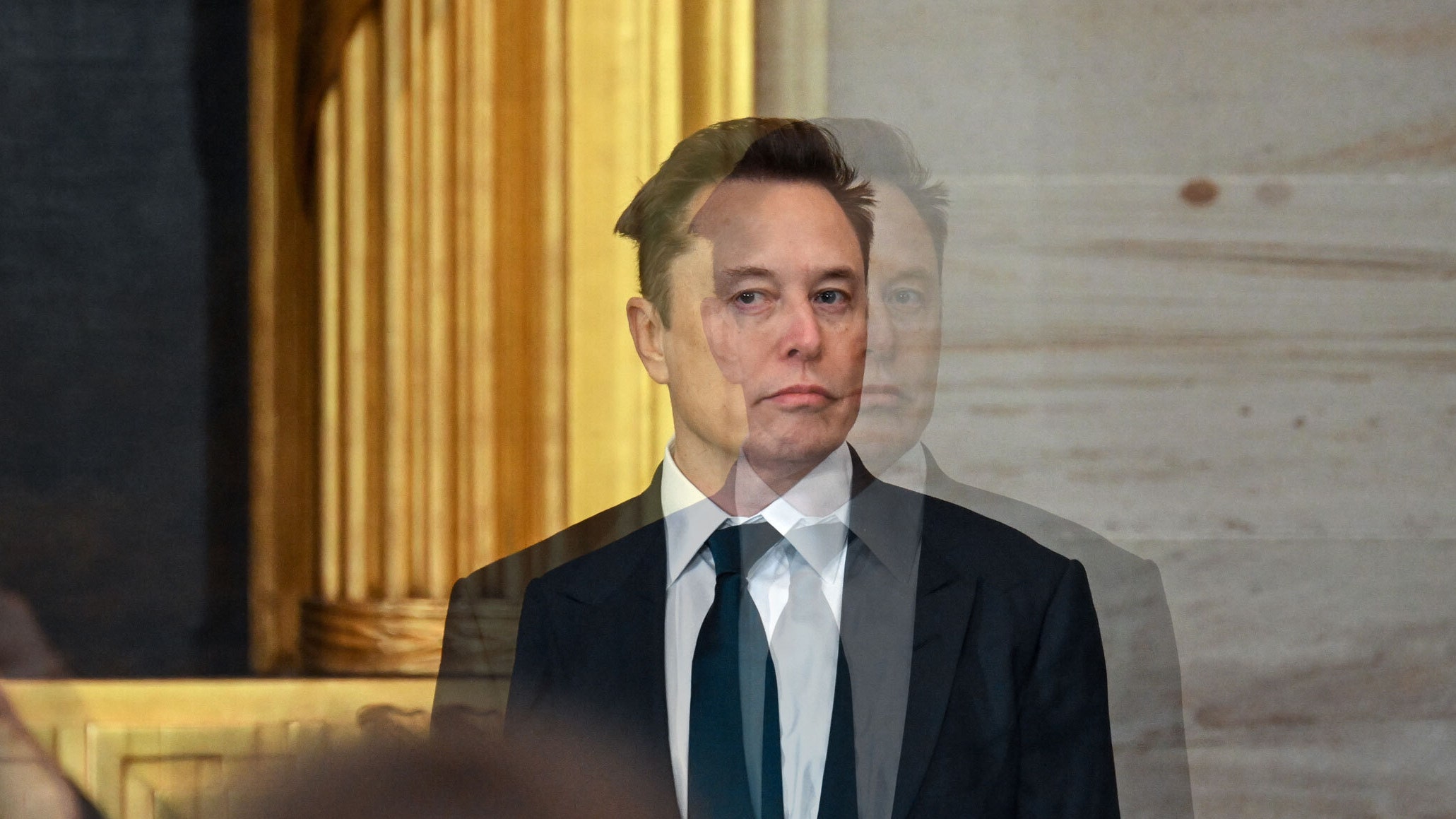
The General Services Administration's new administrator, Thomas Shedd, is pursuing an "AI-first strategy" at the agency, according to sources. Shedd aims to automate internal tasks and centralize data from across the federal government, prioritizing the use of AI. Several projects are planned, including the development of "AI coding agents" for all agencies. However, there are concerns about automating the government, with some experts cautioning that it is a complex undertaking. Shedd also spoke of the need for a centralized data repository, although details on its implementation and compliance with privacy laws are not yet clear.
Elon Musk Ally Tells Staff 'AI-First’ Is the Future of Key Government Agency
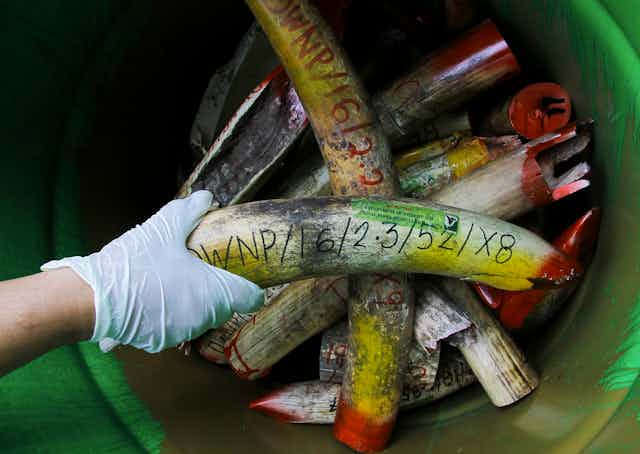
Banning the trade of threatened wildlife can lead to an increase in the trade of other threatened species, according to a recent study. The study found that when a species is unavailable for trade, demand often shifts to alternative species, resulting in a "spillover effect". This effect can lead to increased trade in exotic pet species from other countries, which can have negative impacts on native wildlife and human health. The findings highlight the need for a comprehensive approach to wildlife trade regulations that considers both direct conservation efforts and indirect global impacts. The study suggests that complementary strategies, such as reducing demand and monitoring supply, should be implemented alongside trade bans to effectively conserve species. International cooperation and promoting legal and sustainable alternatives are also crucial in mitigating the negative consequences of wildlife trade bans.
Banning wildlife trade can increase trade of other threatened species

The Convention on International Trade in Endangered Species of Wild Fauna and Flora (Cites) is celebrating its 50th anniversary. While Cites has had successes in raising awareness and protecting species threatened by international trade, there are also major challenges. Illegal wildlife trade remains a problem in many signatory countries, and reliance on state-led law enforcement is proving ineffective. To improve the effectiveness of Cites, countries need to have a greater understanding of how different species are traded and implement specific interventions along supply chains. This would involve considering insights from social sciences and involving stakeholders in the design of regulations.
The world wildlife trade regulator is 50 – here’s what has worked and what needs to change

The UK is undergoing a major shift in how it measures inflation, moving from a system of checking prices to analyzing real purchases through supermarket scanners. This new approach will enable a more nuanced understanding of how consumers adapt to price changes and will provide policymakers with more accurate and timely data to respond to emerging trends. The change is important for accurately assessing the impact of inflation on lower-income households, as well as for setting interest rates, negotiating wages, and adjusting benefits and tax thresholds. The full implementation of this new approach is expected in 2026.
United Kingdom | Financial services
The way UK inflation is worked out is changing – and it will matter for everyone

The UK government's plan to harness artificial intelligence (AI) for innovation relies on the use of public health data, which has raised concerns about patient privacy and the potential for commercial exploitation. Previous attempts to use this data, such as the care.data program, have failed due to poor communication and lack of public trust. To overcome the challenge of trust, institutions need to demonstrate their commitment to listen to public concerns and develop policies that minimize risks while maximizing benefits. Political bodies must prove their trustworthiness in handling health data to gain public support for the AI plan.
Government needs to show that its AI plan can be trusted to deal with serious risks when it comes to health data

Any deal between Donald Trump and Greenland is unlikely to be beneficial for the Greenlanders, according to Danish researcher Ulrik Pram Gad. Trump's idea of buying Greenland is not feasible under international law, and the Greenlanders have consistently stated that they are not for sale. Moreover, the suggested alternative of offering Greenland a more favorable relationship with the United States falls short of what Greenland already has, including full Danish citizenship, Nordic welfare rights, and substantial financial assistance from Denmark. The military sovereignty that the US has over Greenland's Pituffik Space Base also makes the proposed military base rights and security veto redundant.
Denmark
Why would Greenlanders take a deal from Trump that gives them less than they already have?