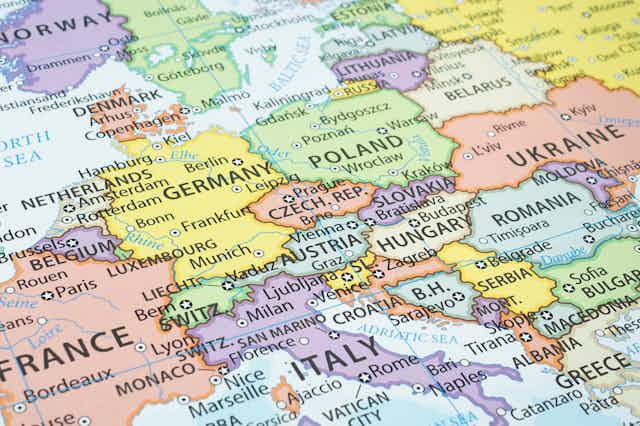
The rise of rightwing populism is due, in part, to a representation gap between voters and mainstream political parties. Across Europe, mainstream parties are more in favor of immigration than their voters, leading to the emergence of anti-immigration populist parties, such as Germany's Alternative for Germany (AfD). This representation gap is evident across countries, political issues, and voter subgroups. The increasing salience of this gap, particularly regarding immigration, contributes to the rise of rightwing populism. Mainstream parties need to adjust their policies to address the concerns of their voters and bridge this representation gap.
Representation gaps and the rise of populism

Positive social development initiatives in Papua New Guinea (PNG) and Timor-Leste are often overlooked and underreported. In PNG, local government-supported projects, such as the Malagan Declaration, have improved the lives of people in the New Ireland Province, but receive little attention. Similarly, Timor-Leste's adoption of the 'Principles of Human Fraternity', led by President Jose Ramos Horta, goes unnoticed. These examples highlight the lack of awareness and support for localized initiatives in the development community. Factors such as the focus on national development discussions, the absence of research coordination bodies, and insufficient incentives for Southern-based researchers contribute to this oversight. Increased funding and prioritization of local social research capacity building is needed to address this issue.
Papua New Guinea
Advancing Social Research: Tales from Papua New Guinea and Timor-Leste
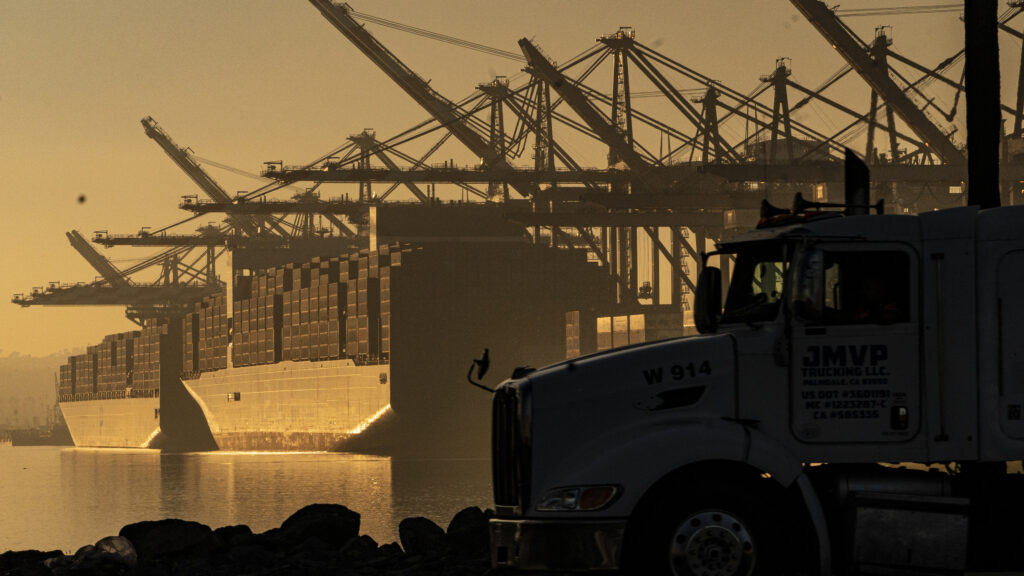
President Trump's order to impose import tariffs on goods from Canada, China, and Mexico could lead to increased costs in the healthcare sector. The tariffs, which range from 10% to 25%, could result in higher prices for pharmaceutical ingredients and medical devices. China, a major producer of pharmaceutical ingredients, and Mexico, the top source of medical devices used in the U.S., could see price increases. However, manufacturers may be able to mitigate these costs by shifting production to other countries not subject to the tariffs.
Mexico | Health
How Trump’s tariffs may raise health care costs, from medical devices to prescription drugs

Chinese start-up DeepSeek claims to have developed an energy-efficient AI model called R1 that matches the performance of US rivals like ChatGPT, but at a fraction of the cost and carbon footprint. DeepSeek's model, which uses a "mixture-of-experts" architecture, promises to do more with less, storing more data and requiring fewer expensive processor chips. However, improving energy efficiency in AI platforms could paradoxically worsen the industry's overall environmental impact by increasing its use. The concept, known as the Jevons paradox, suggests that greater resource efficiency leads to increased consumption and demand, offsetting any potential reductions.
DeepSeek claims to have cured AI’s environmental headache. The Jevons paradox suggests it might make things worse

A new study has highlighted the potential benefits of taking bacopa, an Indian herb, for brain health. The study found that ingesting bacopa improved memory and cognition skills, reduced anxiety and cortisol levels, and increased sleep quality and serum BDNF. However, the effectiveness of bacopa is mixed, with some studies showing positive results while others do not. The US Food and Drug Administration has not approved bacopa as a drug and has not made any statements about its safety or efficacy. Although generally safe, bacopa may interact with certain medications and is not advisable for people with certain medical conditions.
Exploring bacopa: the science behind the latest brain health trend
Chinese firm DeepSeek has disrupted the AI landscape with its low-cost approach to artificial intelligence. The company's R1 model, used for content generation, problem-solving, and code creation, was developed using fewer and less powerful computer chips than rival models, resulting in costs as low as $6 million. DeepSeek's success challenges US dominance in AI and raises questions about the effectiveness of US sanctions on China. The company also offers its tools for free and is open-source, further undercutting competitors. The impact of DeepSeek's approach on AI investment and the profitability of other AI companies remains to be seen.
DeepSeek: what you need to know about the Chinese firm disrupting the AI landscape
British Prime Minister Keir Starmer and US President Donald Trump will be in office together for four years. The personal chemistry between them will play a crucial role in their relationship. Previous examples of coterminous presidents and prime ministers have not been successful, with the leaders being coolly cordial or experiencing disastrous consequences. Starmer's team members have been publicly critical of Trump, which could strain the relationship between the two governments. Starmer's boldness in picking Peter Mandelson as UK ambassador to the US may discourage him from thinking imaginatively in the future. Potential disagreements between the two governments include tariffs, defense spending, the Chagos Islands' sovereignty, cooperation with China, and support for Ukraine.
United Kingdom
How should Keir Starmer handle Donald Trump – and how’s it going so far?

Chinese company DeepSeek and technology giant Nvidia are competing to lead the AI revolution. DeepSeek has been making significant advances in AI development, which has led some investors to shift their investments and caused a sell-off in Nvidia shares. The race for AI dominance has implications for the technology we use daily, including apps, smart assistants, self-driving technology, and business practices. Speculation and innovation play a role in driving growth, but regulation is needed to prevent market and financial instability. Governments and businesses are investing heavily in AI research to gain power and influence.
Financial services
DeepSeek, Nvidia and the AI race that’s shaping the future

Trump's aggressive trade tactics may put the dollar's status as the world's reserve currency at risk. However, his support for privately issued stablecoins could be a way to maintain the dollar's dominance without embracing multilateralism.
Financial services
Will Crypto Save the Dollar?
The Center for Analysis of Economic Reforms and Communication (CAERC) promotes Azerbaijan's reform agenda through data-driven strategies and economic modeling. Azerbaijan is recognized by the World Bank as a leading reformative nation, achieving notable advancements in political, economic, and social areas. CAERC employs various models to analyze policies related to trade, taxation, and poverty reduction, driving sustainable growth and innovation while enhancing governance to position Azerbaijan at the forefront of economic reform.
Algeria, Armenia, Bosnia and Herzegovina, Estonia, Georgia, Kazakhstan, Kyrgyz Republic, Russian Federation, Tajikistan, Ukraine, United Arab Emirates, Uzbekistan
ECONLAB in Azerbaijan

ASEAN should focus on trade, digitalization, and connectivity to promote economic resilience and sustainable growth amidst global economic uncertainty. Trade in services, particularly tourism, holds promise for the region's economic resilience. The digital economy is expected to grow significantly with the right policies in place. Greater regional cooperation in digitalization and connectivity will have positive impacts on climate, employment, and accessibility to education and healthcare resources. Sustainable infrastructure and cross-border cooperation are crucial for economic competitiveness and resilience. ASEAN member countries should work together to achieve a better economic future and protect national interests.
Indonesia, Thailand, Viet Nam | Financial services
As Nations Reshore, ASEAN Should Explore Trade, Digitalization and Connectivity
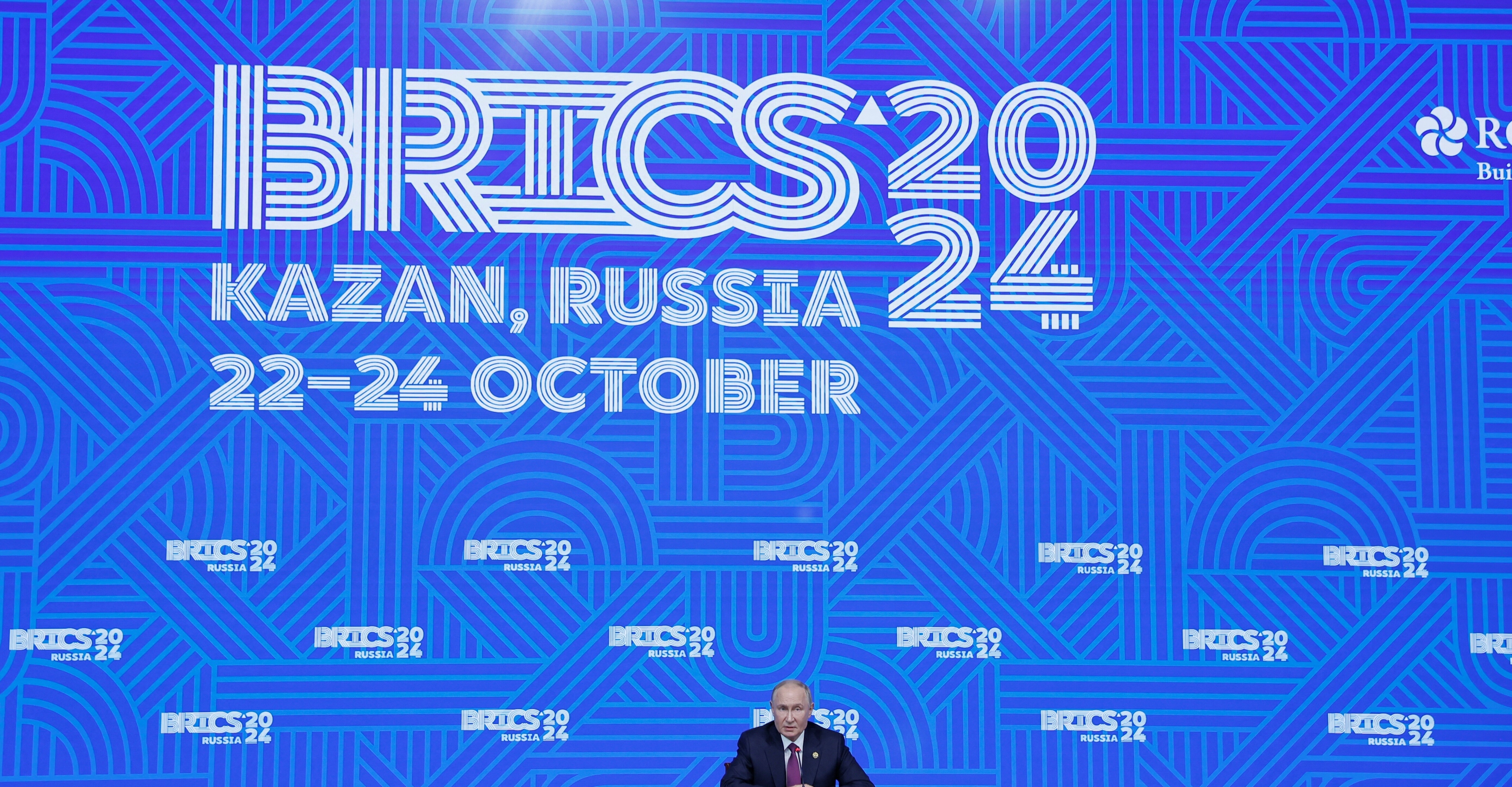
The G7's use of financial tools has led emerging economies to seek alternatives to the Western-led financial system, highlighting the need to establish "red lines" in global finance. The G7 recently approved a $20 billion transfer to a World Bank-administered fund for Ukraine, supported by future interest proceeds from Russian sovereign reserves. Meanwhile, leaders from the Global South, including China and India, gathered for the BRICS Summit, representing nearly half of the global population and a quarter of global economic activity. Geopolitical shifts are shaping global finance.
Russian Federation, Ukraine | Financial services
Not all economic statecraft is created equal
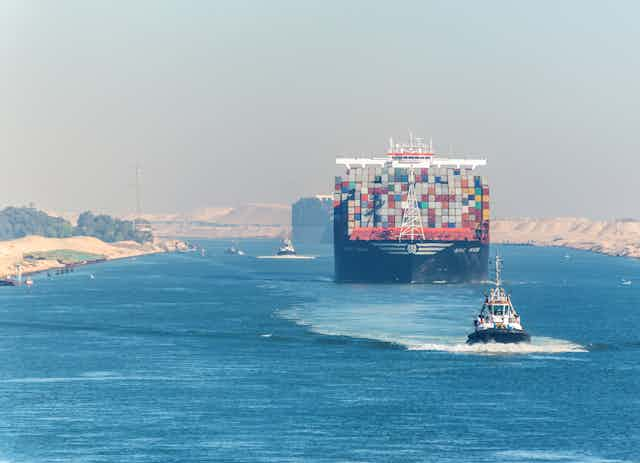
Major shipping companies are not planning to send vessels back to the Red Sea despite a ceasefire in Gaza, as supply chain disruptions and security concerns persist. Since November 2023, Houthi militants in Yemen have attacked nearly 190 commercial and naval ships in the Red Sea, prompting companies to redirect trade through the southern tip of Africa. This has led to increased shipping costs, delivery delays, and higher carbon emissions. The uncertain security situation means that shipping lines will not return to the region until long-term stability is established. The crisis has also led to increased consumer prices and disruptions to production schedules.
Yemen
Red Sea crisis: supply chain issues set to continue despite Gaza ceasefire
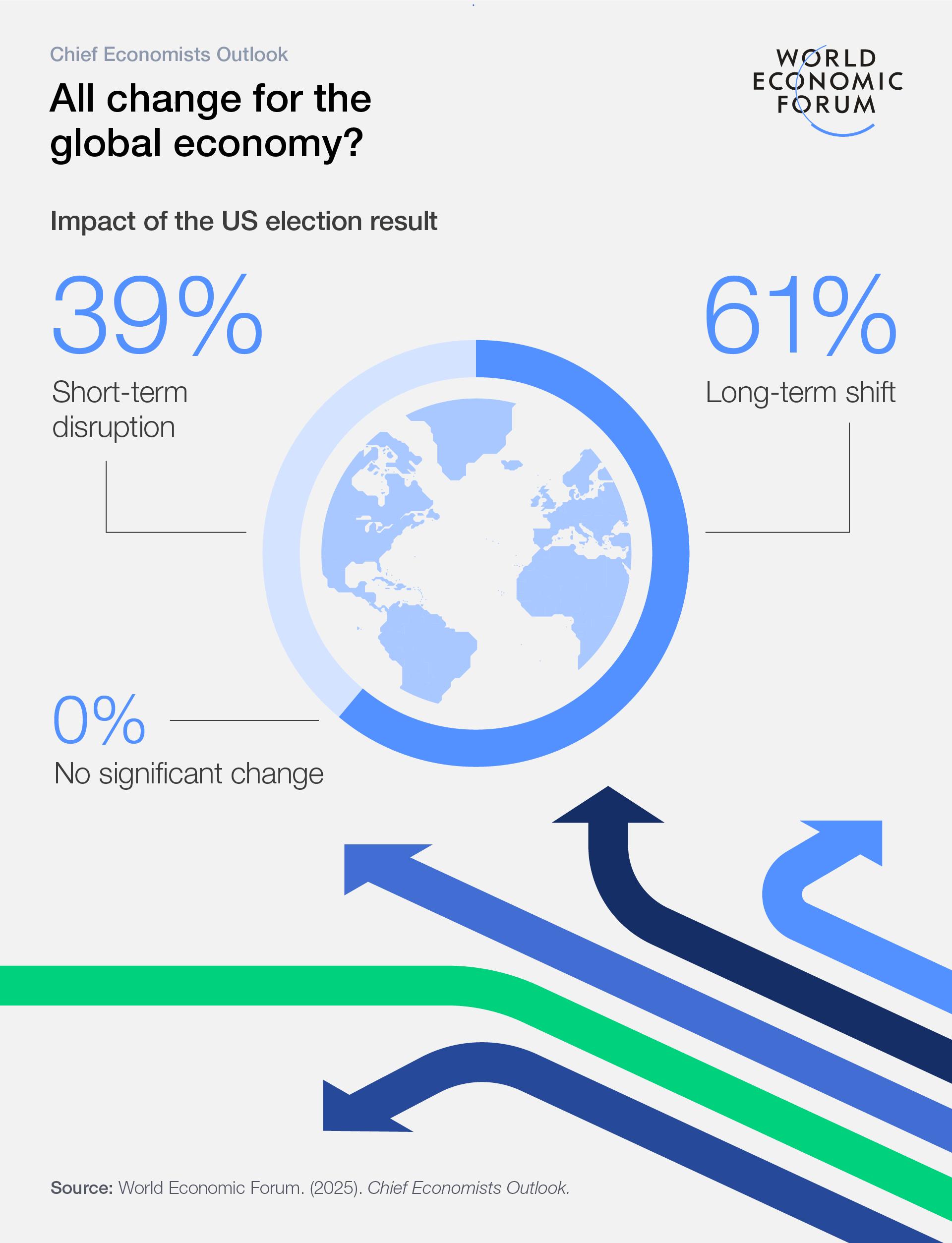
The global economy is at a crossroads, with uncertainty and questions about tariffs impacting international trade. However, there is no evidence of deglobalization yet. The policy choices made in 2025 will determine the path the global economy takes. Despite challenges, the global economy remains resilient but weaker than before and uncertainty is high. Trade patterns are shifting along geopolitical lines, particularly between China and the United States. Trade between these two countries has grown slower than trade with third countries. There is evidence of "friendshoring," with trade growing slower between geopolitical blocs.
Australia, Austria, Bahrain, Belarus, Bermuda, Bolivia, Bosnia and Herzegovina, Brazil, Bulgaria, Burkina Faso, Burundi, Chile, Costa Rica, Croatia, Czech Republic, Egypt, Estonia, Eswatini, Finland, France, Hungary, Iceland, Israel, Italy, Jordan, Kazakhstan, Latvia, Lesotho, Lithuania, Luxembourg, Malawi, Malaysia, Malta, Mauritania, Mauritius, Mexico, Morocco, Mozambique, Namibia, Nepal, New Zealand, Oman, Panama, Peru, Philippines, Poland, Portugal, Romania, Russian Federation, Rwanda, Slovakia, Slovenia, South Africa, Spain, Sweden, Switzerland, Taiwan, China, Tajikistan, Tanzania, Tunisia | Financial services
‘We are at a crossroads for the global economy.’ The WTO's chief economist talks to Radio Davos

UK Chancellor Rachel Reeves has outlined her plans to kick-start economic growth, which include reforming planning laws, increasing public investment, and expanding airports. However, these plans have drawn criticism for potentially widening regional inequalities and contradicting the government's net-zero goals. Brexit also continues to hamper UK growth, with lacklustre investment and export struggles. Despite a more pro-growth agenda, obstacles such as public borrowing constraints, bureaucratic hurdles, and red tape need to be addressed for tangible growth to be achieved. Immediate fiscal stimulus and effective action are crucial for the success of the growth mission.
United Kingdom | Financial services
Will Labour’s plan for growth actually work? Two economists respond

Labour's plan for economic growth in the UK, spearheaded by Chancellor Rachel Reeves, may face challenges due to the lack of immediate impact on the country's slow-growing economy. The focus on "supply side" improvements, such as infrastructure and pension reforms, may take years or even decades to significantly boost growth. The reliance on infrastructure projects and private investment, as well as the potential conflicts between growth and environmental objectives, pose further hurdles. Additionally, uncertainties remain regarding the availability of skilled labor and the impact of global trade conditions on the British economy.
United Kingdom | Financial services
Rachel Reeves’ route to economic growth is a slow one – and there are no guarantees voters will be patient enough

Civilian deaths in World War I and World War II are estimated to be higher than previously thought, according to a new book by Cormac Ó Gráda. The book, called "The Hidden Victims: Civilian Casualties of the Two World Wars," argues that previous estimates of civilian deaths are too low. Ó Gráda found that civilian deaths outnumbered military fatalities by over two to one, with approximately 16 million civilians dying in World War I and between 44 and 48 million dying in World War II. Hunger and famine were the main causes of civilian deaths in both wars, followed by aerial bombing and genocides. The exact number of deaths in Asia and the Soviet Union during WWI and WWII remains uncertain.
Dark figures, innocent bystanders – the civilian victims of the two world wars

Artificial intelligence (AI) is like fire in its transformative potential and the duality of its benefits and risks. The book "The New Fire" argues that AI is a new kind of fire for humanity. The three sparks of AI are data, algorithms, and computing power, which fuel technological innovation. AI has the potential to transform democracy or strengthen autocracy, depending on how it is managed. Democracies can avoid falling behind by investing in research, supporting innovations, and fostering close partnerships between governments, industry, and academia. The responsible use of AI depends on the choices made by people and the engagement of citizens in the democratic process.
Humans Lead the 'AI Triad'
In 2025, organizations are expected to take a more strategic approach to implementing GenAI. Many enterprises have been experimenting with GenAI but have not systematically quantified their projects' impact. However, as technology matures and costs are reconsidered, organizations will reflect on early projects, create more realistic roadmaps, and focus on where GenAI can make the biggest impact. AI Agents will also play a role in enterprise roadmaps and accelerate productivity through complex automation. Additionally, the GenAI ecosystem will see an influx of new language models, including specialized models for specific industries or tasks. Small language models will help democratize GenAI and enable on-premises or edge computing deployments. Data management and governance are also crucial for successful AI strategies, leading to increased investment in these areas.
Opinion: 2025 will bring a more strategic approach to GenAI deployments

The global trade of plants, including cut flowers and ornamental plants, is contributing to the spread of invasive species to Europe. The trade is worth around $25 billion and poses risks such as the establishment of invasive species, illegal harvesting of wild plants, and negative effects on food security and access to clean water. Data on interceptions of pests and hitchhiking organisms in plant shipments revealed that considerable volumes of pests and potentially invasive organisms are being transported. There are also growing concerns about the allocation of resources and the use of pesticides in the production of non-essential ornamental plants.
The global plant trade is spreading invasive species to Europe