
AI could be the key to making nuclear fusion a practical energy source by overcoming the challenges associated with it. Fusion energy has the potential to provide limitless clean energy without carbon emissions or radioactive waste. However, practical fusion energy requires addressing issues related to heat, radiation, material damage, and data analysis. AI can help manage the complex data and relationships in fusion research, accelerates the development of reactor designs, and aids in the development of materials for fusion reactors. It can also assist in controlling and shaping plasma within fusion devices. AI offers the potential to shorten timelines and pave the way for the commercialization of fusion energy.

AI could help overcome the hurdles to making nuclear fusion a practical energy source
Artificial intelligence (AI) has the potential to revolutionize the energy sector by optimizing energy consumption, improving grid resilience, and enabling more efficient use of resources. It could generate economic value and reduce greenhouse gas emissions. However, the energy demand of AI itself is a challenge, consuming large amounts of energy. Energy producers must leverage AI to enhance efficiency and transition to renewable energy. Collaboration between industry leaders, policy-makers, and innovators is crucial to address AI's energy needs and ensure a sustainable and prosperous future.
Energy and AI: the power couple that could usher in a net-zero world
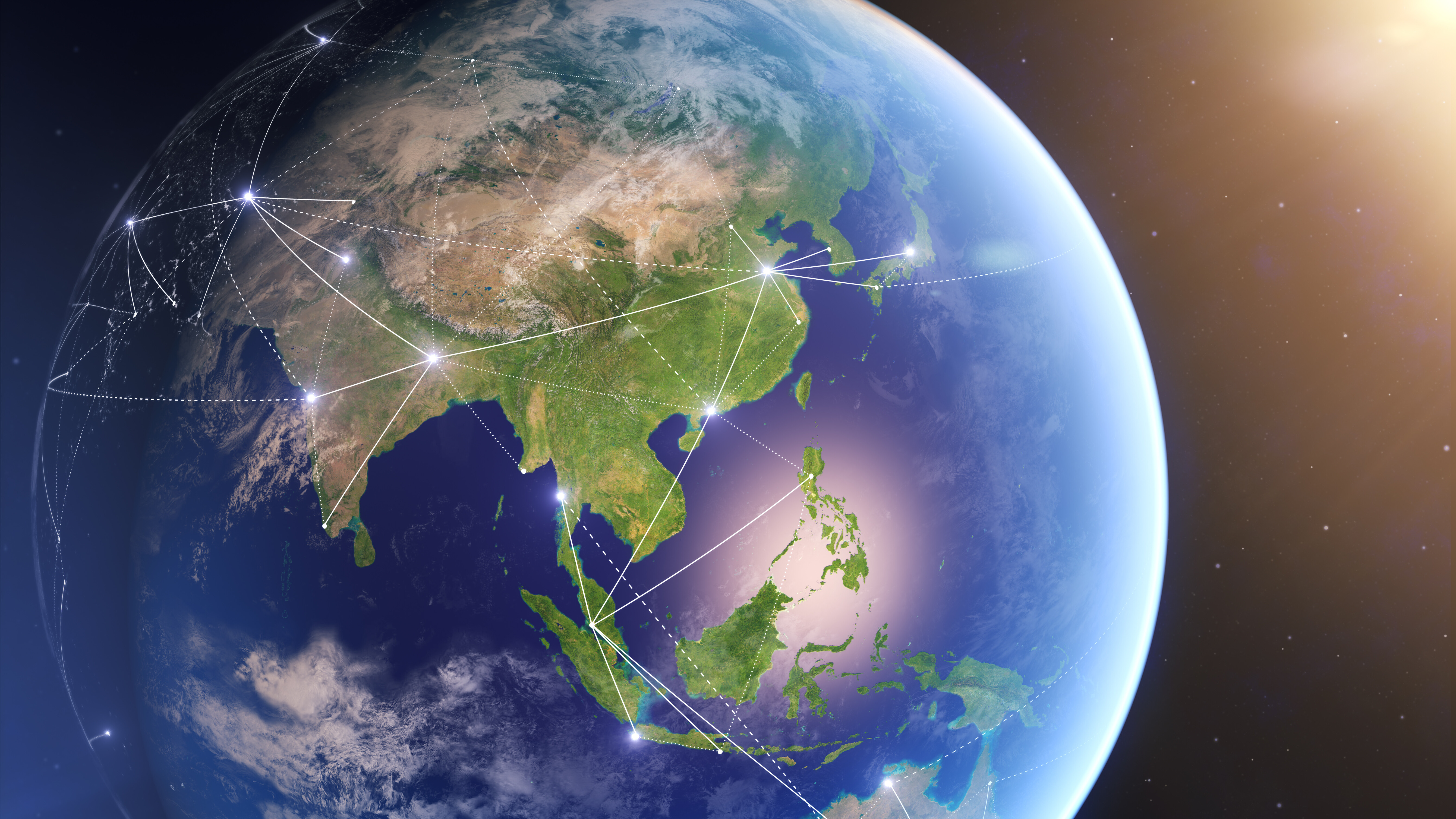
Businesses must navigate the uncertainties of global trade in today's fragmented geoeconomic landscape. Protectionism, trade disputes, and tariffs are affecting physical and digital supply chains, as well as cyber-risk resilience. To thrive amidst these challenges, businesses should enhance supply chain visibility, diversify supply chains, strengthen partnerships, leverage technology, and invest in risk management. This is crucial as the rise of protectionism and trade barriers have created a complex and uncertain trading environment, requiring businesses to adapt quickly to shifting market dynamics. Failure to navigate these risks can lead to disrupted supply chains, higher costs, and lost contracts.
Financial services
5 ways businesses can navigate global trade in today’s fragmented geoeconomic landscape
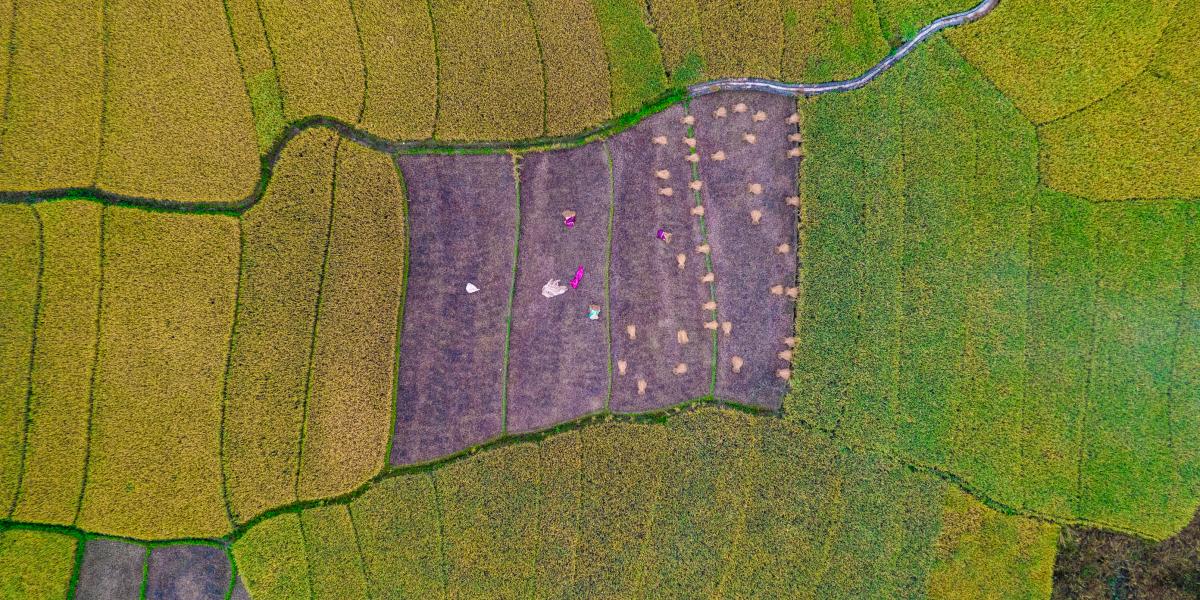
Geospatial technologies such as GPS and satellite data can improve the accuracy of agricultural land measurements. Traditional methods relying on farmers' recall often lack precision due to unclear definitions of agricultural land and variations in agricultural practices. Objective area measurement techniques such as the tape-and-compass method are time-consuming and resource-intensive. However, GPS-based methods, such as the walking method where an enumerator physically walks the perimeter of a parcel with a GPS device, provide higher positional accuracy and precision. The digitization method, where farmers trace their parcel boundaries on satellite imagery, is suitable for larger, monocropped areas. The parcel corner GPS method involves marking only the corners of the parcel. These advancements in geospatial technology are reshaping how agricultural statistics are gathered and processed, leading to more efficient and precise measurements.
From Guesswork to Precision: Enhancing Agricultural Mapping with Geospatial Tech

President Trump's vision for a new 'Golden Age of America' involves revitalizing the manufacturing base, promoting innovation, and achieving energy dominance. This departure from the previous globalization approach has global implications and follows a trend of direct state competition, led by China. The shift in strategy also raises challenges for Treasury Secretary Scott Bessent, including the US Treasury bond maturity profile and market liquidity. Refinancing risk and potential market dysfunction may arise if funding is not normalized through longer-dated instruments. The resulting lack of liquidity poses a significant market risk in the first half of 2025.
Financial services
Funding Trump’s Golden Age of America
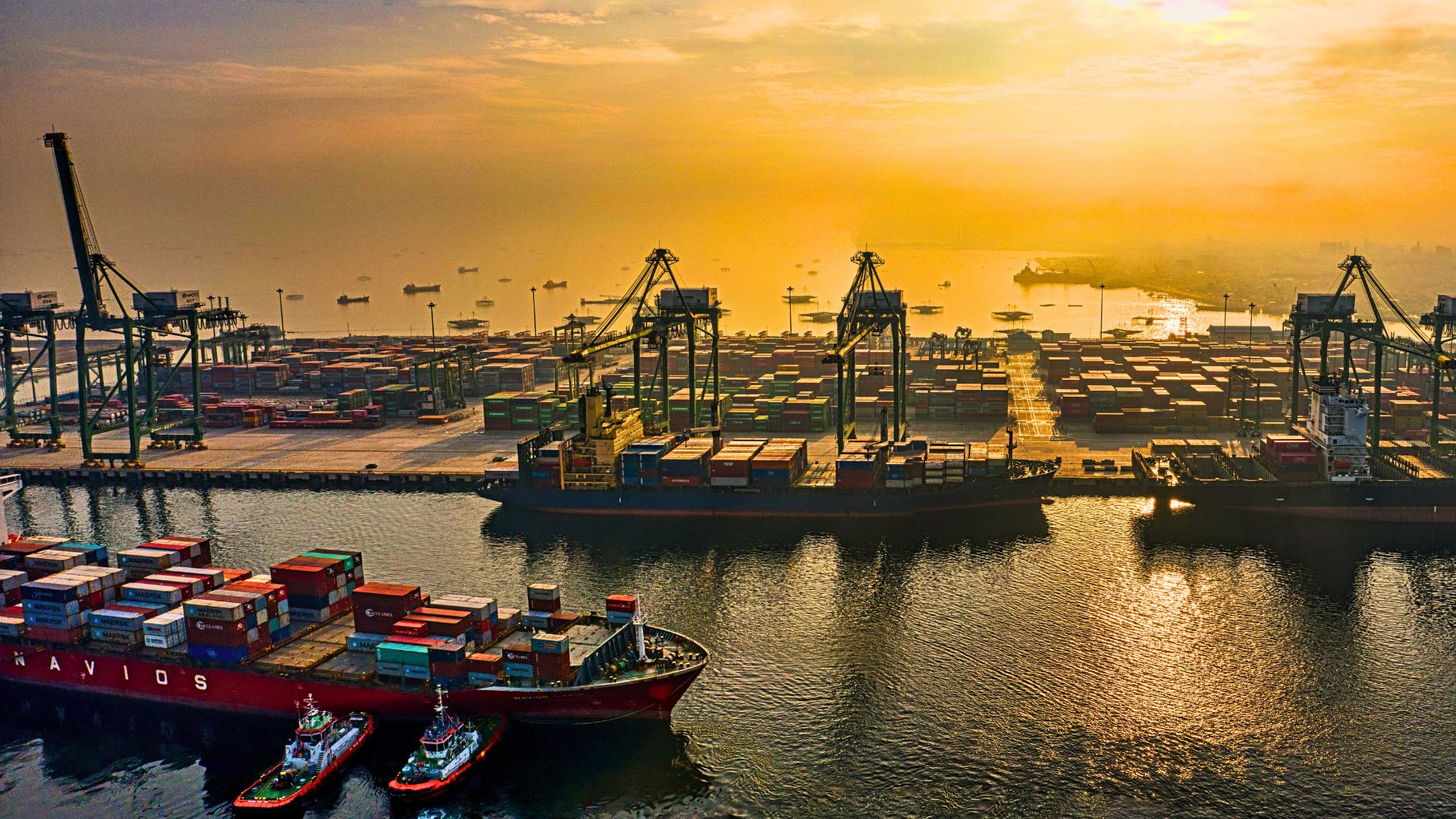
Shipping disruptions have significant impacts on costs, prices, and decarbonization goals in the shipping industry. Disruptions lead to higher shipping costs and inflation rates, and hinder trade connectivity. Furthermore, disruptions pose a threat to decarbonization efforts and increase carbon output. The need for action and the use of low or zero-carbon fuels is clear, but political complexities hinder the implementation of a carbon levy. Initiatives by organizations like the International Maritime Organization and the Asian Development Bank aim to address these challenges and promote decarbonization in the maritime industry, particularly in Asia and the Pacific region.
Financial services
Ship Shape: Cutting Delays, Costs and Carbon in Ports
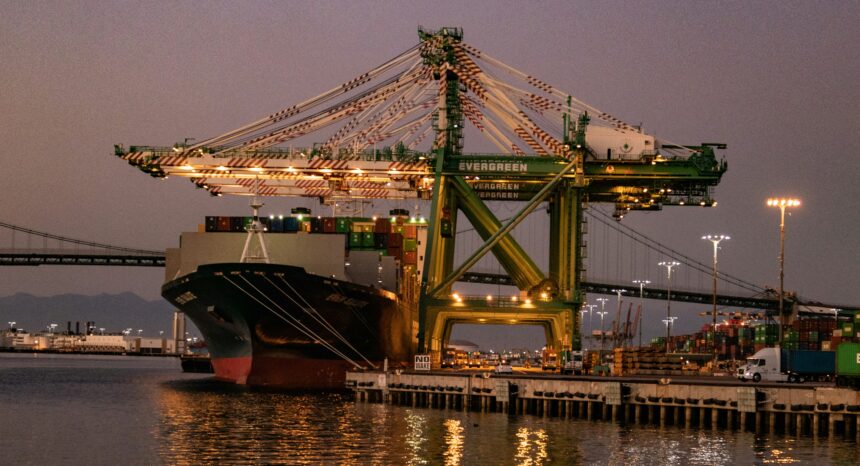
President Donald Trump's proposed tariffs on goods from Canada, Mexico, and China have sparked significant attention. To help journalists cover this complex topic, The Journalist's Resource and Econofact hosted a webinar featuring trade economists and an NPR producer. Key takeaways include following the exemptions from tariffs and understanding the historical motivations behind the use of tariffs, such as revenue generation, restriction of imports, and the negotiation of favorable trade terms. Journalists can provide historical context for their coverage by introducing audiences to key figures from past tariff disputes.
Canada
Covering Trump’s proposed tariffs? Here are 4 things you need to know
A public inquiry into the 1998 Omagh bombing is being held more than 25 years after the atrocity. The bombing, which killed 29 people and injured over 200, was carried out by the Real IRA with the intention of derailing the Northern Ireland peace process. However, it instead galvanized politicians and the public to redouble their commitment to peace. The bombing also undermined support for dissident republican factions and aided the shift of mainstream republicans towards peaceful politics. Serious questions about the authorities' response to the bombing remain, which sparked the demand for an independent investigation. The inquiry, chaired by Lord Turnbull, is now underway and will include testimonies from survivors, responders, and witnesses.
Ireland
Omagh bombing: why a public inquiry is being held more than 25 years after the atrocity

Generative AI has the potential to support and streamline the research assessment processes, particularly in the case of the Research Excellence Framework (REF) in the UK. The REF, which distributes billions of pounds of research funds, is a time intensive and costly system. The use of Generative AI could relieve the burden of peer-reviewing research outputs and impact case studies, making the evaluation process faster, more efficient, and less expensive. This could help alleviate the financial stress and excessive workload faced by academics and universities. The introduction of GenAI tools into the work of REF panels for REF2029 is a viable solution to ease the strain of the assessment process.
Using GenAI for the REF is a no-brainer

The "B-Ready" Project aims to enhance Azerbaijan’s construction and operational permit processes through complete digitalization, led by the State Committee for Urban Planning and Architecture. The initiative focuses on improving the regulatory framework, increasing transparency, and streamlining permit issuance via the Electronic Construction Portal. Key reforms include integrating Building Information Modeling (BIM), establishing an electronic permit system, and offering online services for construction-related documentation. These efforts seek to reduce costs, improve efficiency, and enhance coordination among institutions, supported by international collaboration and monitoring systems for sustainable urban development.
Algeria, Armenia, Bosnia and Herzegovina, Bulgaria, Estonia, Georgia, Kazakhstan, Kuwait, Kyrgyz Republic, Moldova, Mongolia, Russian Federation, Tajikistan, Türkiye, Ukraine, United Arab Emirates, Uzbekistan | Financial services
The "B-Ready" Project's "Business Location (Issuance of Construction Permits)" Indicator
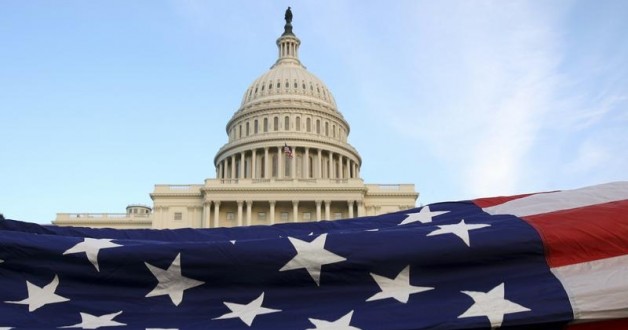
Donald Trump's withdrawal of the US from international bodies like the World Health Organization (WHO) and the Paris climate accords raises questions about the survival of these organizations amidst global deglobalization. While similar challenges were faced in the 1930s with high tariffs and trade blocs, most international regulatory bodies were able to survive, albeit with reduced effectiveness. The key to their survival was the preservation of rule sets, individual brokering work, and the creation of new international clubs. Today, global regulatory bodies face even greater threats as trade deglobalization and bloc-based regulatory standards become more prevalent.
Financial services
Trump pulls out of WHO and Paris – how did international bodies get through deglobalisation last time around?
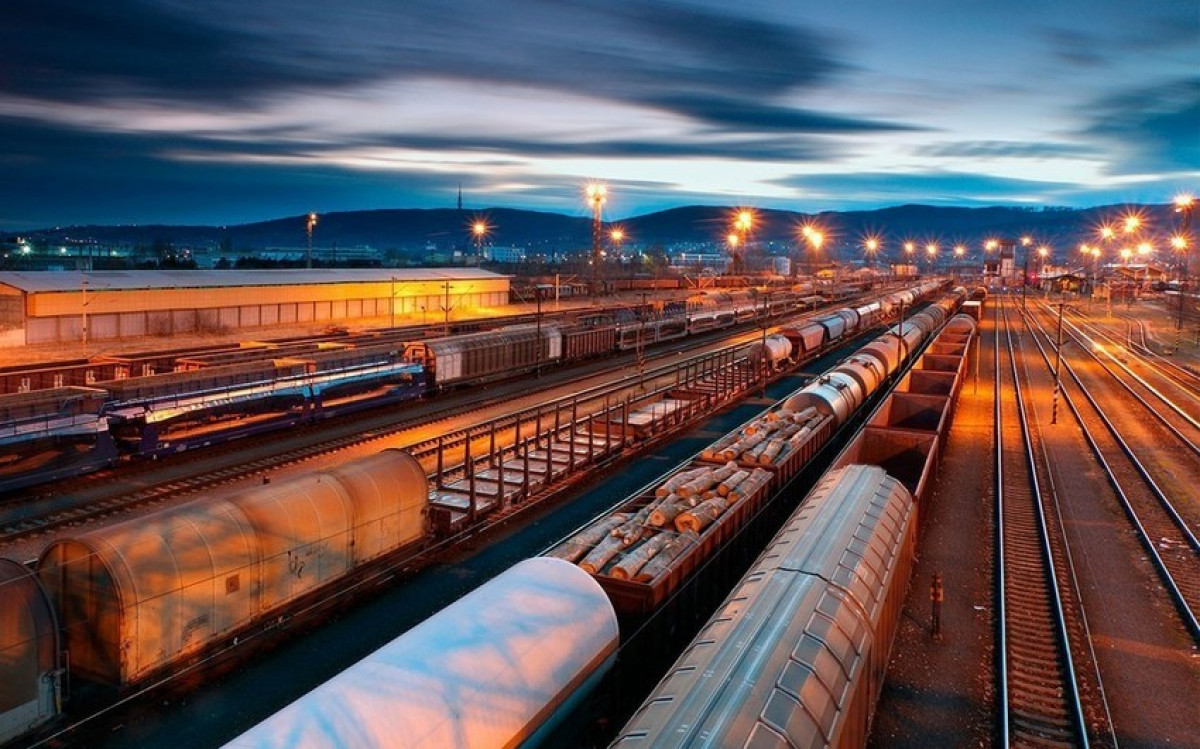
Azerbaijan's transportation sector modernization has established the country as a key player in global trade. This initiative includes developing strategic transport corridors such as the Trans-Caspian and North-South routes, improving regional connectivity and cargo efficiency. Significant investments have fostered advanced infrastructure, technology improvements, and sustainable practices, enhancing logistics operations. By expanding capacity and improving performance, Azerbaijan aims to strengthen its position in international trade while collaborating with global partners for economic and environmental gains.
Armenia, Bosnia and Herzegovina, Bulgaria, Estonia, Georgia, Hungary, Kazakhstan, Kyrgyz Republic, Moldova, Pakistan, Russian Federation, Tajikistan, Tanzania, Türkiye, Ukraine, United Arab Emirates, Uzbekistan
Modernization of Azerbaijan's Transportation Sector

Azerbaijan has made significant progress in internet connectivity and infrastructure reforms through key state programs and large-scale projects. Over 70% of households now have access to high-speed broadband, with average internet speeds doubling to 35.2 Mbps between 2021 and 2023. The country has achieved nearly complete coverage of 3G and 4G networks, driven by advancements in GPON technology and an increasing number of fiber-optic subscribers. Efforts continue to extend connectivity to remote areas, furthering the nation's digital transformation.
Armenia, Bosnia and Herzegovina, Bulgaria, Georgia, Kazakhstan, Kyrgyz Republic, Tajikistan | ICT
Internet Connectivity and Infrastructure Reforms in Azerbaijan

The review identifies transformative trends in the global and Azerbaijani fintech landscapes, emphasizing the roles of startups, regulators, and technology providers. Emerging technologies such as AI, blockchain, and cloud computing are reshaping finance, with the Asia-Pacific region projected to lead fintech growth by 2030. In Azerbaijan, strategic policies and digital payment innovations are fueling the fintech sector, particularly in online payments and e-commerce, thereby promoting financial inclusion and economic development through private investment and international collaboration.
Armenia, Bosnia and Herzegovina, Kazakhstan, Kyrgyz Republic, Russian Federation, Tajikistan, Türkiye | Financial services
New Trends in Banking and Financial Ecosystem

Strong wage bargaining coordination is often seen as essential for economic success in the Eurozone. However, new research shows that this belief may not hold true for the economic performance of new member states. The structure of the Eurozone tends to favor export-driven economies in Northwestern Europe over those in Southern Europe, which rely more on domestic demand. While wage coordination is important for export-led growth, it doesn't necessarily lead to long-term economic success in terms of real GDP per capita growth. The relationship between wage coordination and growth appears hump-shaped rather than linear, suggesting that an intermediate level of coordination is associated with lower real GDP per capita growth.
Croatia, Cyprus, Latvia, Lithuania, Poland
How important are corporatist institutions for economic success in the Eurozone?

The World Economic Forum's Annual Meeting in Davos 2025 discussed the state of global conflicts, including lesser-known hot spots. The current geopolitical fragmentation could increase levels of strife. There was a call for greater dialogue between the Global South and the Global North, with the recent ceasefire deal in Gaza seen as a hopeful sign. The panel emphasized the need for stability and foreign investment to stabilize political situations. The experts stressed the importance of paying closer attention to conflicts in Libya, Myanmar, the Sahel, and Sudan. There is optimism for positive change, particularly with a new US administration focused on resolving conflicts in the Middle East and Ukraine. The experts urged responsible management of this "liminal moment" and emphasized the need for dialogue and collaboration between developed and developing economies.
The state of conflict in 2025, according to experts at Davos – including strife the world has (too often) overlooked

China's AI system, DeepSeek, has had profound implications for global tech development, particularly in the United Kingdom. Unlike other AI tools, DeepSeek offers a more efficient and cost-effective approach to AI development. Its open-source license allows smaller players to enter the space and innovate. DeepSeek has reshaped the competitive landscape by democratizing AI and setting a new benchmark for efficiency. The UK needs to diversify the pathways for Stem professionals and leverage its strengths in interdisciplinary expertise to lead in AI applications. The UK's funding and regulatory frameworks need an overhaul, and efforts should focus on retaining talent in the country. Additionally, the UK can play a crucial role as an ethical leader in AI governance and champion transparent AI standards.
United Kingdom
Deepseek: China’s gamechanging AI system has big implications for UK tech development

Artificial intelligence (AI) is transforming companies' ability to create value and is not resulting in job losses, according to research by PwC. The study found that CEOs expect AI to transform how their companies create value, while also stating that AI has increased or had no change in headcount over the past year. Investors also expect AI to deliver productivity gains without sacrificing jobs. Furthermore, employees who use AI daily expect it to make their work more efficient and believe it will have positive impacts on their roles, including improved salaries and increased demand for staff. Sectors that are more capable of utilizing AI are also experiencing higher productivity growth. To make the most of AI, it is crucial to develop people's abilities and desire to leverage the technology.
How AI’s impact on value creation, jobs and productivity is coming into focus
France faces seven strategic challenges by 2025, reflecting a shifting global landscape marked by major geopolitical events. Key issues include the ongoing war in Ukraine, the implications of Donald Trump's policies, the dynamics within Europe, tensions in the Middle East, the evolving roles of the Global South, challenges to multilateralism, and concerns regarding the Maghreb region. The situation in Ukraine is particularly critical, with Europe's credibility and security tied to the outcome, necessitating coordinated support and strategic discussions among European nations.
Algeria, Burkina Faso, France, Ukraine | Financial services
2025: Seven Strategic Challenges for France

Lebanon's permanent representative to the United Nations, Nawaf Salam, discusses his experience during the Arab Spring and Lebanon's role in international power plays. He highlights the challenges and opportunities that came with Lebanon's seat on the United Nations Security Council. Salam discusses Lebanon's involvement in key events such as the Arab Spring, the Palestinian case for UN membership, and the situation in Syria. He also addresses the domestic divisions in Lebanon and the importance of protecting the unity and stability of the country.
Lebanon
You have acted as the Lebanese Ambassador to the Untied Nations during very exciting times, when political and economic powers have been shifting worldwide. What can you tell us about the changes you have witnessed?