
The convergence of AI and immersive technologies is transforming digital entities, such as avatars and chatbots, and changing how we interact with technology. Responsible design and governance are becoming essential as digital entities become more autonomous and human-like. The use cases for digital entities are expanding, unlocking innovative capabilities and creating economic and social value. They offer personalized experiences, enhanced customer engagement, operational efficiency, and emotional connectivity for organizations, while consumers benefit from hyper-personalization and improved user experiences. The design of digital entities can persuade and influence our opinions, attitudes, and behaviors. Digital entities can be non-embodied (text or voice-based) or embodied (visual forms). They serve various roles, such as virtual assistants, influencers, guardians, companions, and more. Retail and healthcare are just a few industries benefiting from the applications of digital entities.
Financial services
Realizing the value of Digital Entities in the era of AI

Contrary to popular belief, Trump voters are not the obstacle to climate action that many think. While their support for Trump, who denies the science of climate change, may seem contradictory, it is important to understand how these individuals relate to climate science and the underlying narratives of climate action. The blame and responsibility for climate change predominantly lie with wealthy countries, which can be a difficult narrative for those who do not consider themselves rich or villainous. Furthermore, the concept of "denialism" oversimplifies the complex social dynamics at play and hinders progress in finding alternative solutions. It is crucial to avoid identifying one group as the sole cause of the problem and instead consider different perspectives to shape legitimate climate action.
Trump voters are not the obstacle to climate action many think they are
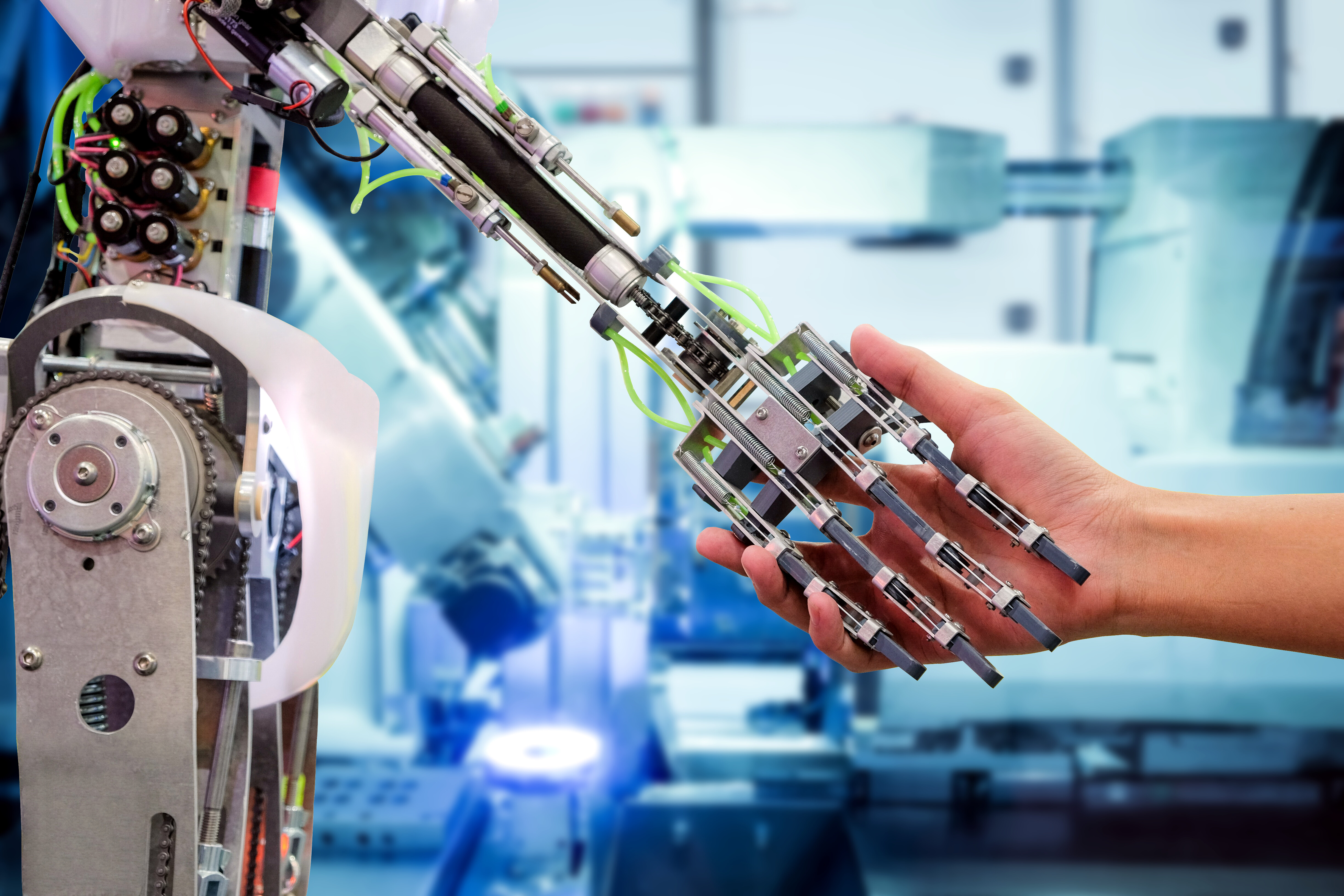
The 21st century is marked by the Intelligent Age, where AI is integrated into almost every aspect of life. However, rapid technological advancements risk widening global inequalities, with some regions benefitting more than others. It is crucial for global cooperation in order to address these challenges and ensure that intelligent technologies are used wisely and for the benefit of all humanity. Collaboration, wisdom, and inclusivity are key to navigating the Intelligent Age and building a more equitable and sustainable future.
A call for global cooperation in the Intelligent Age

Regional initiatives in Africa, Europe, and Asia are proving to be effective in advancing shared global priorities despite geopolitical turbulence. Examples include the African Continental Free Trade Area (AfCFTA) which aims to integrate economies and boost trade, the Clean Industrial Deal in Europe which aligns climate and industrial policies, and the Association of Southeast Asian Nations (ASEAN) which promotes digital trade and commerce. These regional approaches serve as models for advancing global goals amidst challenging circumstances.
Senegal | Financial services
The road to global cooperation runs through regions

European leaders and experts at the World Economic Forum Annual Meeting in Davos discussed the challenges faced by Europe's economy and proposed remedies. Some suggested solutions included unifying EU capital markets and fostering more confidence. Europe's economy has been growing at a slower pace compared to the US and is faced with an energy crisis, dependence on Chinese imports, and a financial system that is less integrated than perceived. The experts also recommended tapping into Europe's cultural values and strengths, such as its green energy potential and liberal democracies, to regain competitive edge.
Financial services
Something is ailing Europe; experts and leaders at Davos offered up remedies

The Global GovTech Board made its debut at the World Economic Forum 2025 Annual Meeting. The initiative seeks to promote innovation, foster global partnerships, and redefine digital governance standards globally.
Global GovTech Board debuts at WEF 2025

The TikTok saga has become a battleground between China and the US, and the EU must be prepared to protect its citizens. The US has been pressuring Chinese tech companies, including TikTok, through bans and export controls. Congress in the US argues that TikTok failed to comply with ownership requirements and poses security risks. Additionally, TikTok has been accused of promoting Chinese propaganda and interfering in foreign elections. The US is considering a complete ban or forced sale of TikTok, which could benefit US tech platforms. The EU should also restrict TikTok's operations due to security concerns and its influence on European youth.
The TikTok saga shows the app Cold War has turned hot – now the EU must respond
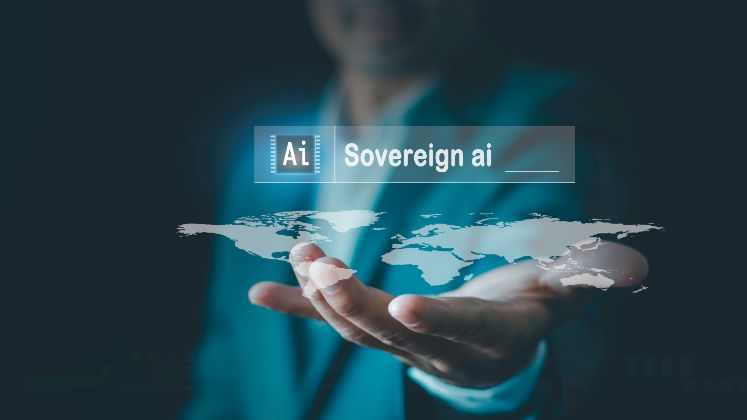
The pursuit of sovereign AI is becoming a global arms race with high stakes. Technology executives now have a direct influence on government policies and decisions in AI development. The book "Genesis: Artificial Intelligence, Hope and the Human Spirit" by Henry Kissinger, Craig Mundie, and Eric Schmidt explores the geopolitical implications of AI development, urging policymakers to choose between co-evolution and co-existence with AI. The authors highlight the potential for AI to bring rationalism to politics and strategic decision-making, but also emphasize the importance of striking a balance and avoiding over-reliance on AI.
The global pursuit of sovereign AI is becoming the 21st century’s arms race
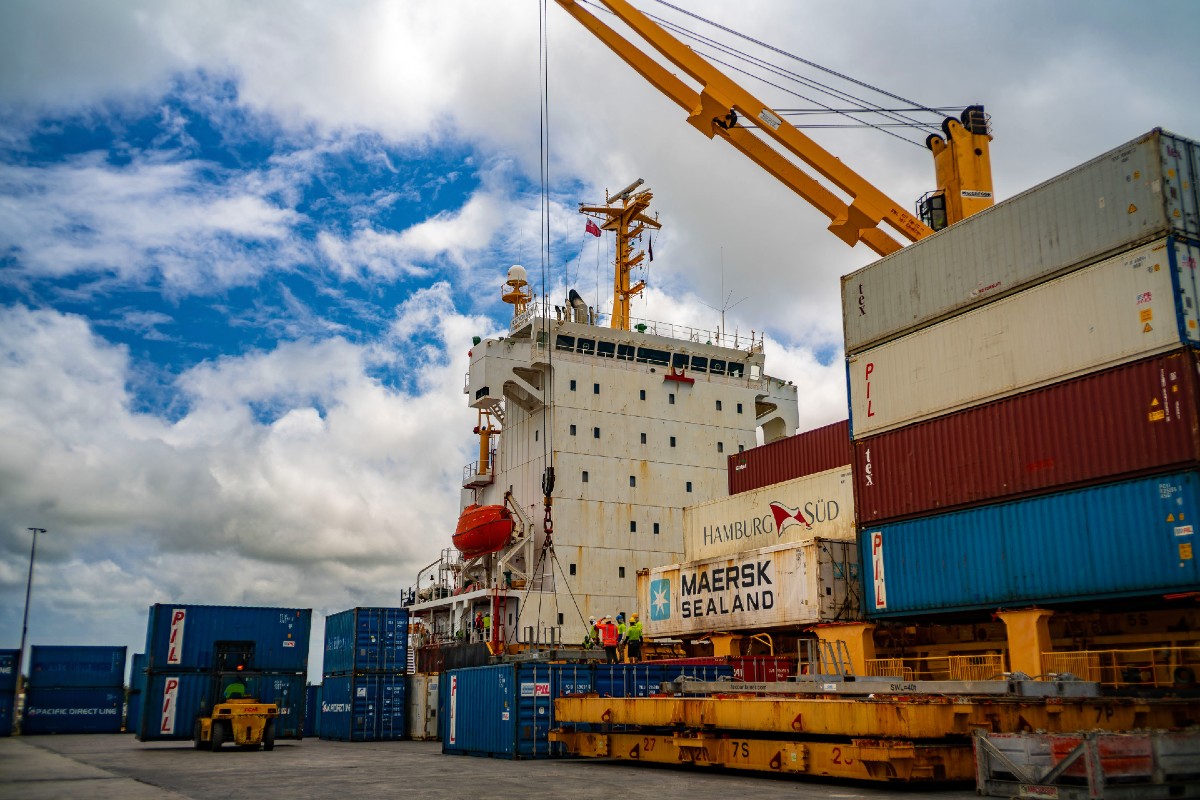
The new policies of the US administration, including rising tariffs, may have mixed outcomes for Asian economies. Studies suggest that the negative effects on the Chinese economy will be modest, with growth slowing by just 0.3% per year during the four years of the new administration. Other Asian economies may have new export opportunities to the US, benefiting from trade diversion. However, it is important to note that slower Chinese growth can also hurt other economies in the region, as it reduces demand for imports. Additionally, Asian economies should be cautious in responding to higher US tariffs with tariffs of their own, as they can contribute to inflation and increase costs of production. The impact of the US administration's policies on US inflation and interest rates may be of greater importance for Asian economies.
Financial services
How Can Asia Successfully Navigate New US Administration Policies?
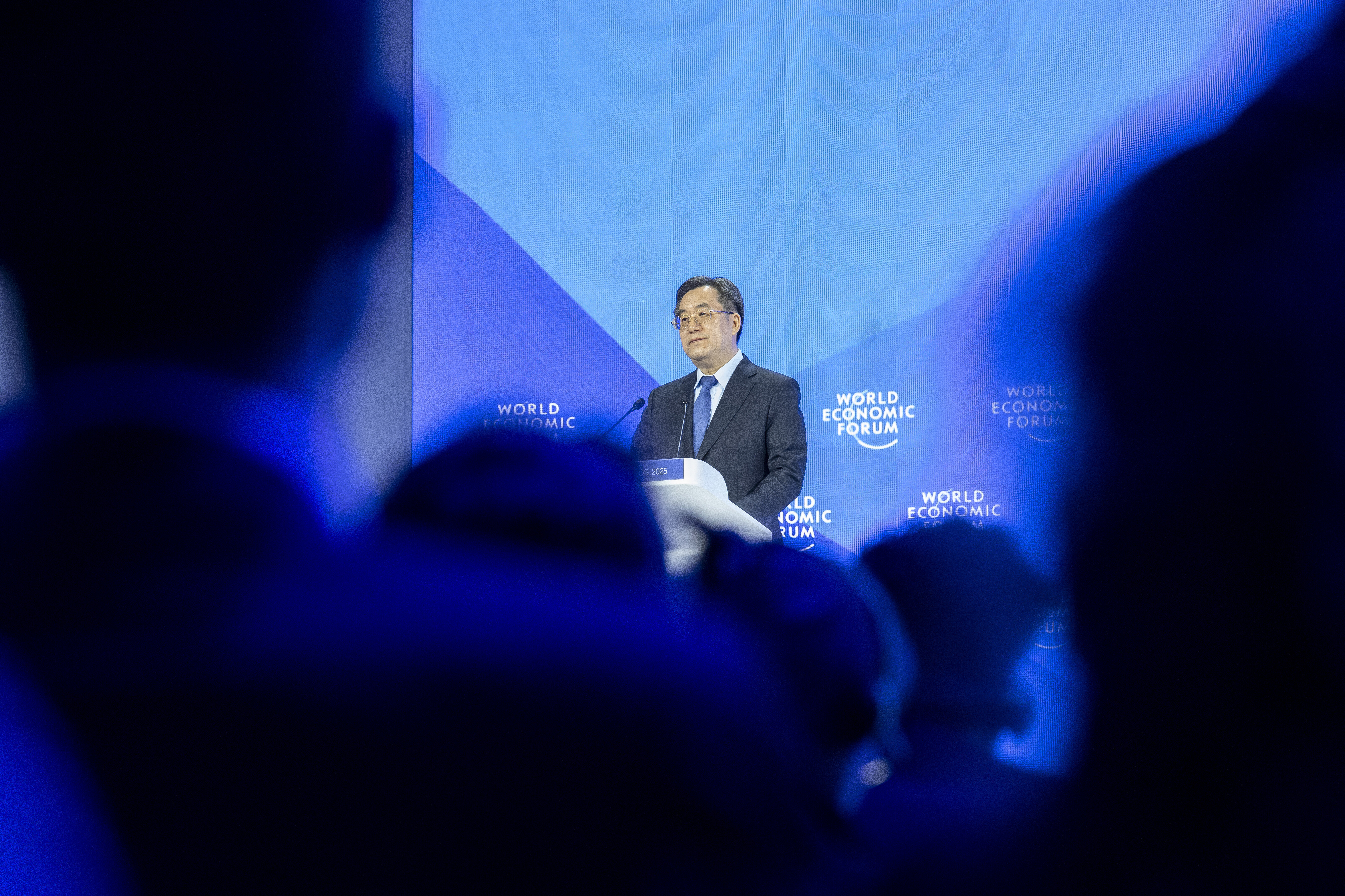
China's role in global growth and its economic transformation were highlighted at Davos 2025. China showcased its transition to a new model of growth focused on domestic consumption, advanced manufacturing, and green transformation. The green transition, particularly in electric vehicles and renewable energy, emerged as a key driver. China emphasized its commitment to opening up and international engagement, despite geopolitical tensions. Discussions also touched on the challenges and opportunities of China's economic trajectory and its place in the global order. Three major trends shaping China's development were highlighted: high-quality growth, green transition, and reform and opening up. The urgency of maintaining global economic engagement was emphasized, and China's active management of multiple transitions was acknowledged. China's evolving role in global industry was exemplified by its success in the electric vehicle sector. The manufacturing transition and advancements in artificial intelligence were also discussed. However, geopolitical uncertainties cast a shadow over China's development.
Denmark, Taiwan, China | Financial services
China at Davos 2025: Continuing importance to global growth
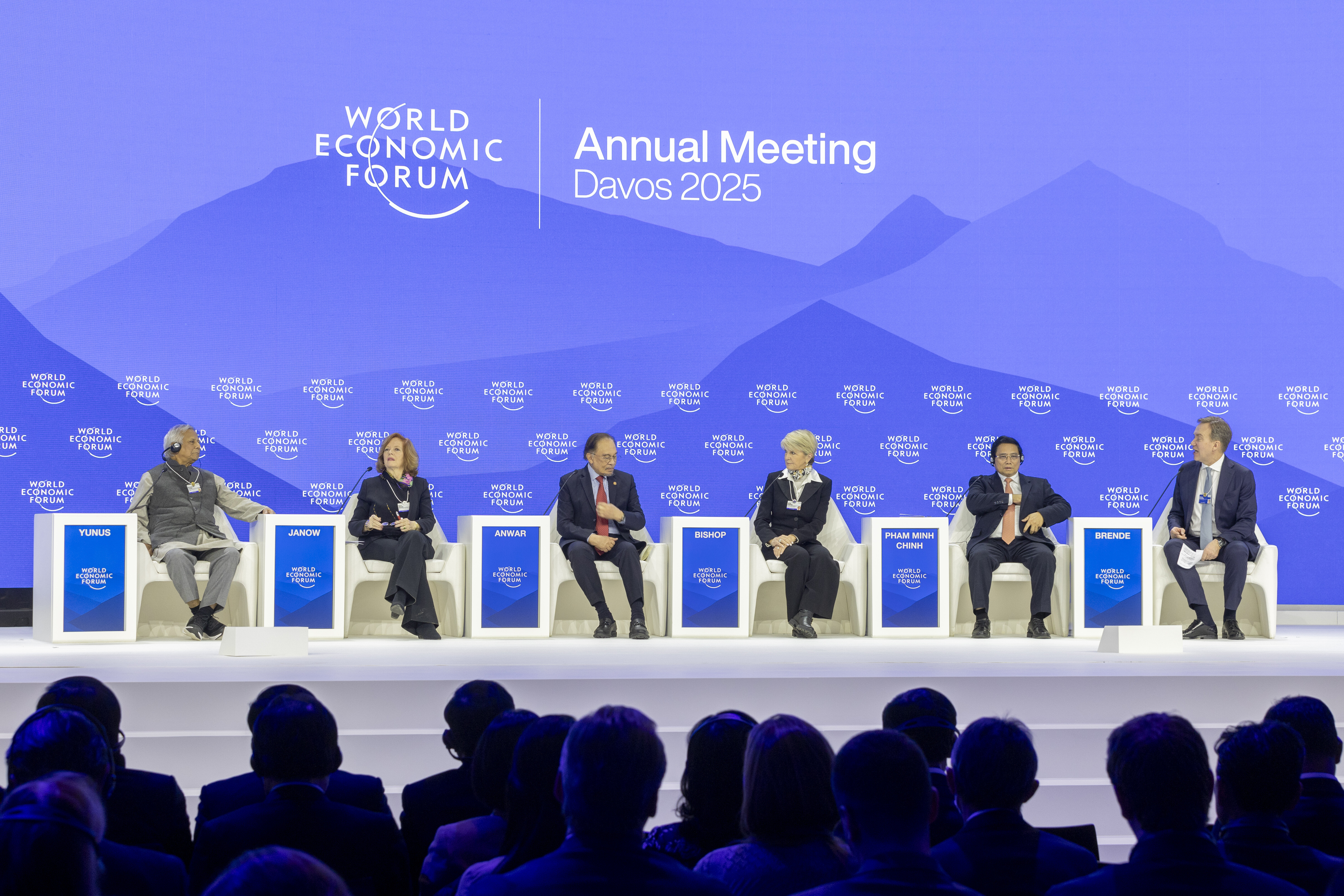
ASEAN leaders expressed their belief that the region will be the world's most attractive by 2025 due to its ethos of cooperation, focus on peace, and embrace of the digital economy. They highlighted the region's large, young market, digital-savvy populations, natural resources, and cultural identity as advantages for investors. The leaders also emphasized their commitment to ASEAN's core values and discussed their ambitious plans for the bloc, including expansion, stability, and an inclusive approach to technology. Growth opportunities and the need for better infrastructure were also emphasized as key priorities.
Australia, Cambodia, Philippines, Thailand, Viet Nam | Financial services
Will ASEAN be the world’s most attractive region in 2025? Here's what leaders said at Davos
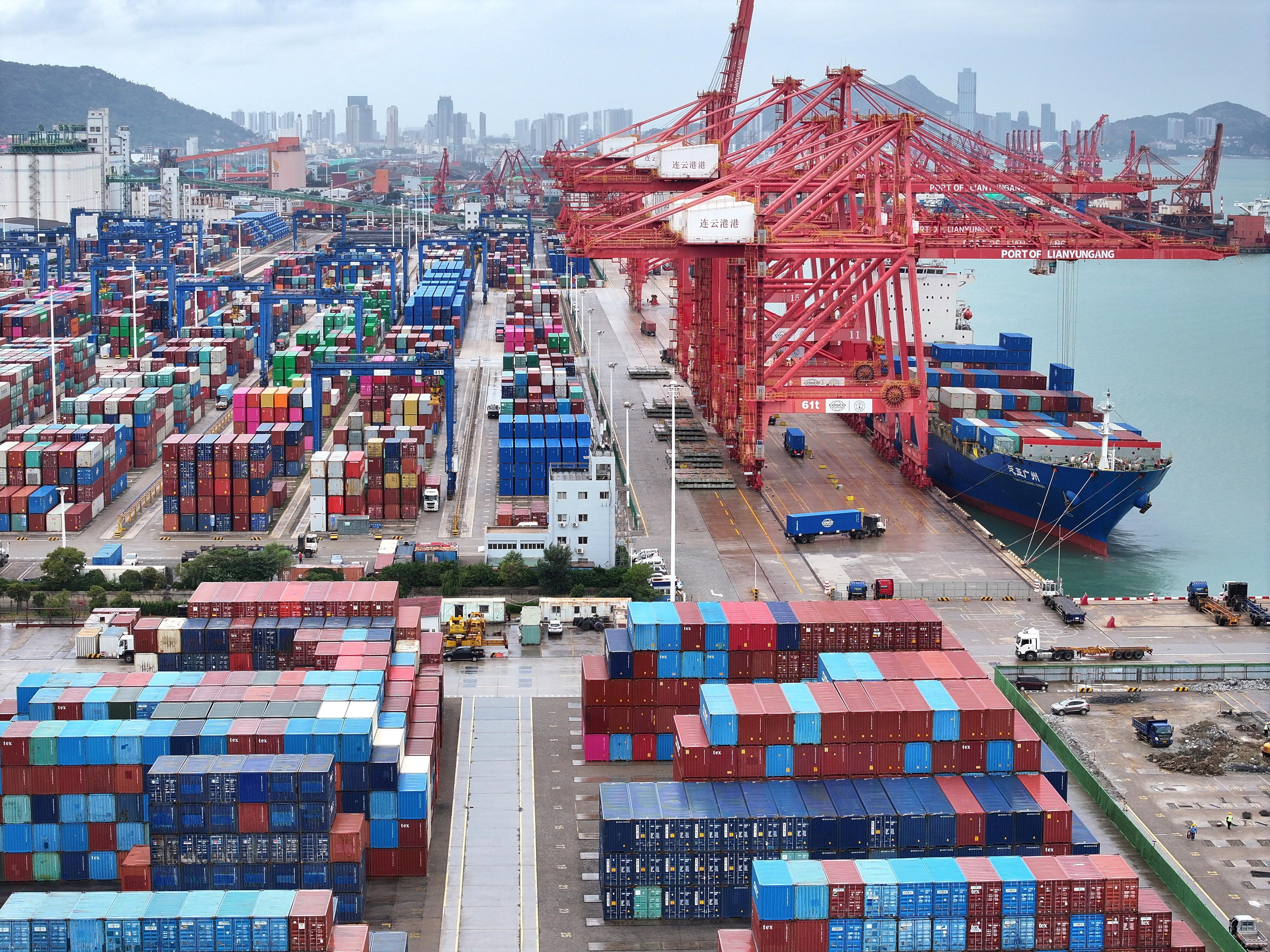
Artificial intelligence (AI) and generative AI (GenAI) have the potential to transform supply chains by optimizing pricing, planning, and safety. Quantum computing will further accelerate innovation by improving logistics efficiency and crisis management. Robotics and humanoids will take over repetitive tasks to reduce costs and improve safety. With these advancements, there is an opportunity to enhance production, improve planning and collaboration, and boost sustainability in global supply chains. AI is becoming more accessible and affordable, with impacts seen in areas such as demand detection and arrival time accuracy. GenAI is rapidly advancing, improving customer experiences and simplifying logistics processes. Quantum computing will further enhance the computational power of AI and GenAI, revolutionizing the management of transactions and enhancing traceability.
Why we will be seeing a radical reinvention of supply chains

The UK government has released its AI Opportunities Action Plan, revealing its intention to regulate advanced AI systems and position itself as a global leader in AI innovation. The plan proposes giving more powers to the AI Safety Institute (AISI) and transitioning from voluntary cooperation to mandatory oversight. The government is also considering the Frontier AI Bill, which would grant the AISI legal powers and permission to test AI models before market release. This approach differs from the EU's voluntary code of practice for AI systems. The UK's focused regulation of advanced AI systems could have implications for other countries' AI oversight strategies.
UK government’s AI plan gives a glimpse of how it plans to regulate the technology
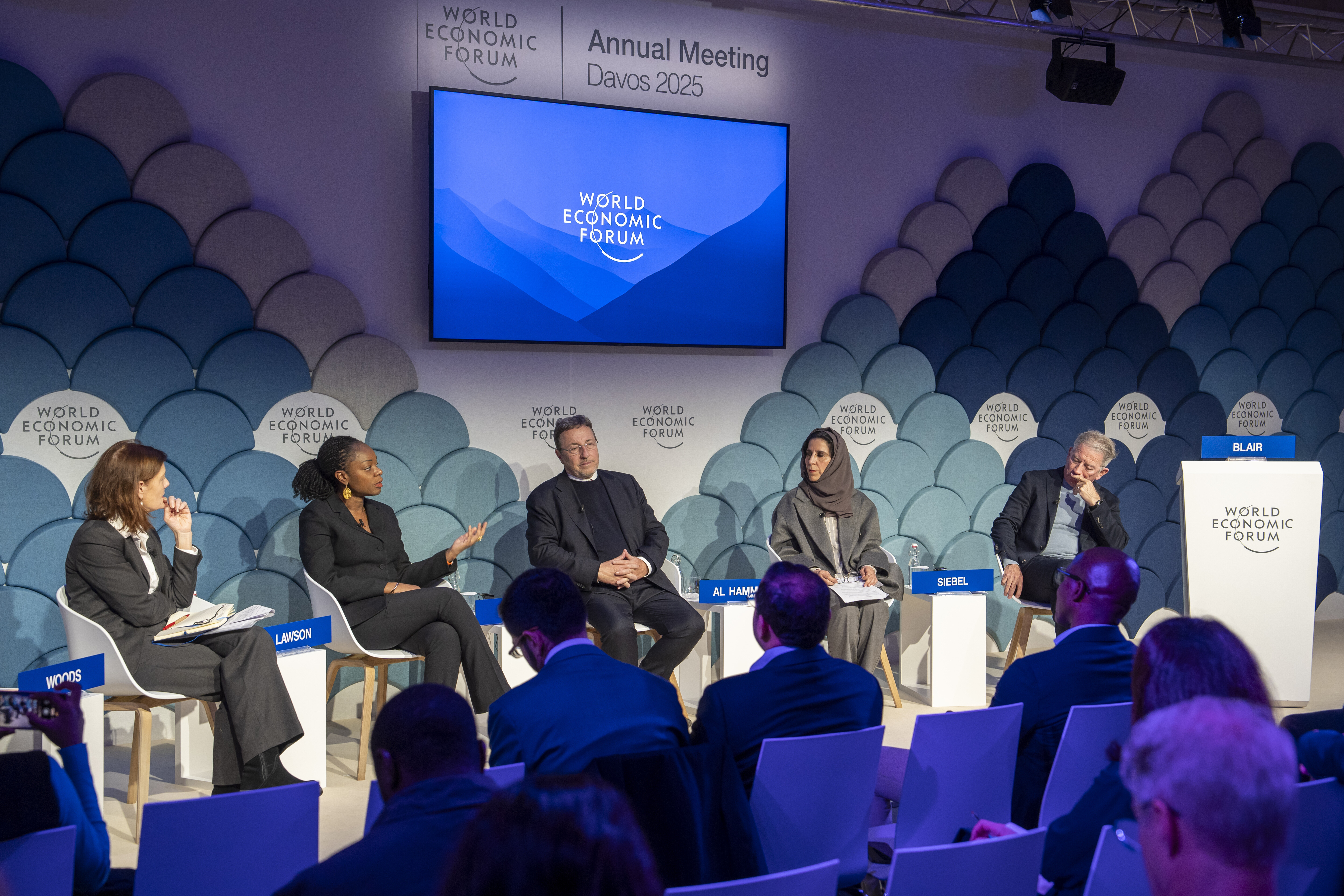
Governments are exploring the use of artificial intelligence (AI) to improve services and meet the demands of citizens. However, they face challenges such as bureaucracy, legacy systems, and safety concerns. Collaboration and strong governance are necessary for successful digital transformations using AI. Governments are encouraged to keep up with tech innovations to provide faster and more efficient services. Tony Blair, former UK prime minister, emphasized the importance of properly harnessing AI to transform government operations. Successful examples of government digital transformations, such as Togo's platform for delivering financial aid during the COVID-19 pandemic, highlight the need for top-down support and overcoming resistance to new technology. The UAE's digital transformation strategy demonstrates the importance of legislative reform in facilitating technological advancements.
Financial services
How to ‘rewire’ governments to use AI in the Intelligent Age

Youth represent 16% of the global population, yet they often lack a voice in urban planning that affects their lives. Digital platforms and AI technologies can empower young people to actively participate in shaping their cities. Programs like Safetipin and AI&Me enable youth to conduct safety audits and report on high-risk areas, leading to actionable insights that improve urban safety. Furthermore, AI tools enhance data collection and analysis, making urban planning processes more efficient and inclusive. Engaging youth in these initiatives strengthens their contributions to sustainable urban development.
Education
Empowering youth to actively participate in shaping their cities and digital future

Discussions at Davos 2025 focused on India's ability to sustain growth amidst global uncertainties. Key themes that emerged included the need to combine manufacturing and services, tackling gender parity challenges, expanding digital transformation in healthcare, and leveraging growth beyond major cities. India's growth forecast is 6.5% according to the IMF, but leaders emphasized the need to achieve higher growth rates to meet the aspirations of the population. India is also expanding its global role and strengthening ties with the European Union.
India
From breaking siloes to driving growth: what to know on India at Davos 2025

Trade discussions and trends were prominent at the World Economic Forum Annual Meeting in Davos. Key takeaways from the event include the return of tariffs and the potential impact on global trade, debates on economic fragmentation and diversification of supply chains, the formation of new alliances, the need for businesses to be prepared for trade uncertainties, the increasing importance of TradeTech in simplifying trade processes and addressing challenges, and the transformative potential of artificial intelligence and blockchain in trade.
Financial services
8 things we learned on trade this week in Davos
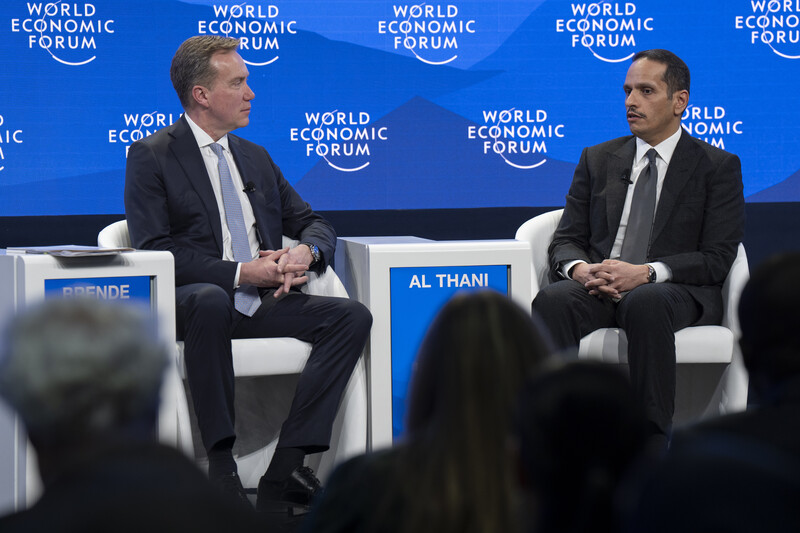
Leaders at the World Economic Forum Annual Meeting 2025 discussed de-escalating conflicts in the Middle East, with a focus on dialogue and humanitarian support. Key updates included the collapse of the Assad regime in Syria and the ceasefire between Israel and Hamas in Gaza. Despite some positive developments, challenges persist, and collaborative solutions are needed. The Qatari Prime Minister emphasized mediation and open communication for peace. The Syrian government outlined plans for national reconciliation and rebuilding, while the Israeli President and Palestinian Authority expressed cautious optimism about the ceasefire. External players, like Iran, hope for a reconsideration of the Iran nuclear deal.
Middle East: Insights and discussion at Davos 2025

Latin American leaders attended the World Economic Forum's Annual Meeting 2025 in Davos to discuss environmental resilience and the region's economic prospects in a fragmented world. Key topics included the impact of protective measures and US-China rivalries on trade, the importance of addressing climate change, and the interconnected challenges of improving labor productivity and workforce skills. Discussions also focused on the long-term environmental challenge of water availability and food security in the region. Indigenous leaders emphasized the need to protect sacred sites and highlighted how climate change and biodiversity loss affect not only nature but also cultural heritage.
Brazil | Financial services
In quotes: From climate resilience to trade tensions – what we heard from Latin American leaders in Davos

Global education must integrate AI while centering on humanity, according to UN Secretary-General António Guterres. While AI offers significant benefits, such as wider access to information and advanced learning tools, it also poses risks. Guterres emphasized the need for clear ethical principles and investment in training for teachers and students to ensure responsible AI use. The UN's Competency Frameworks and the Global Digital Compact aim to maintain control over AI development and governance. However, divisions exist among countries regarding the use of AI in education, with some lacking clear guidelines and others imposing restrictions. Access to high-quality education is still a challenge, with millions of children out of school globally. Violence and cyberbullying in schools are also prevalent issues.
Education
Global education must integrate AI, centred on humanity