
AI must be democratized to ensure inclusive growth and access for all. The World Economic Forum's AI Governance Alliance has launched the Blueprint for Intelligent Economies, a framework for international strategic decision-making. It aims to promote a common understanding of AI and provide a planning tool for collaboration among governments, industry, academia, and civil society. The blueprint outlines nine strategic objectives for developing a national AI ecosystem and emphasizes the importance of building foundations, growing new economies, and putting people at the heart of intelligent economies. Collaboration and cross-stakeholder commitment are crucial for success and to avoid obsolescence in an AI-driven future.
How the 'Blueprint for Intelligent Economies' can help drive growth through inclusive AI

The Stargate project is a $500 billion initiative to build US AI infrastructure over the next four years. Led by SoftBank and OpenAI, the project aims to give the US a first-mover advantage in the AI technology race. It involves the construction of up to 20 data centers and collaboration with international allies. The Biden administration has initiated trade protections on AI chips, but regardless of policy decisions, the project will have significant implications for the global technology industry.
What is the Stargate project and why does it matter?
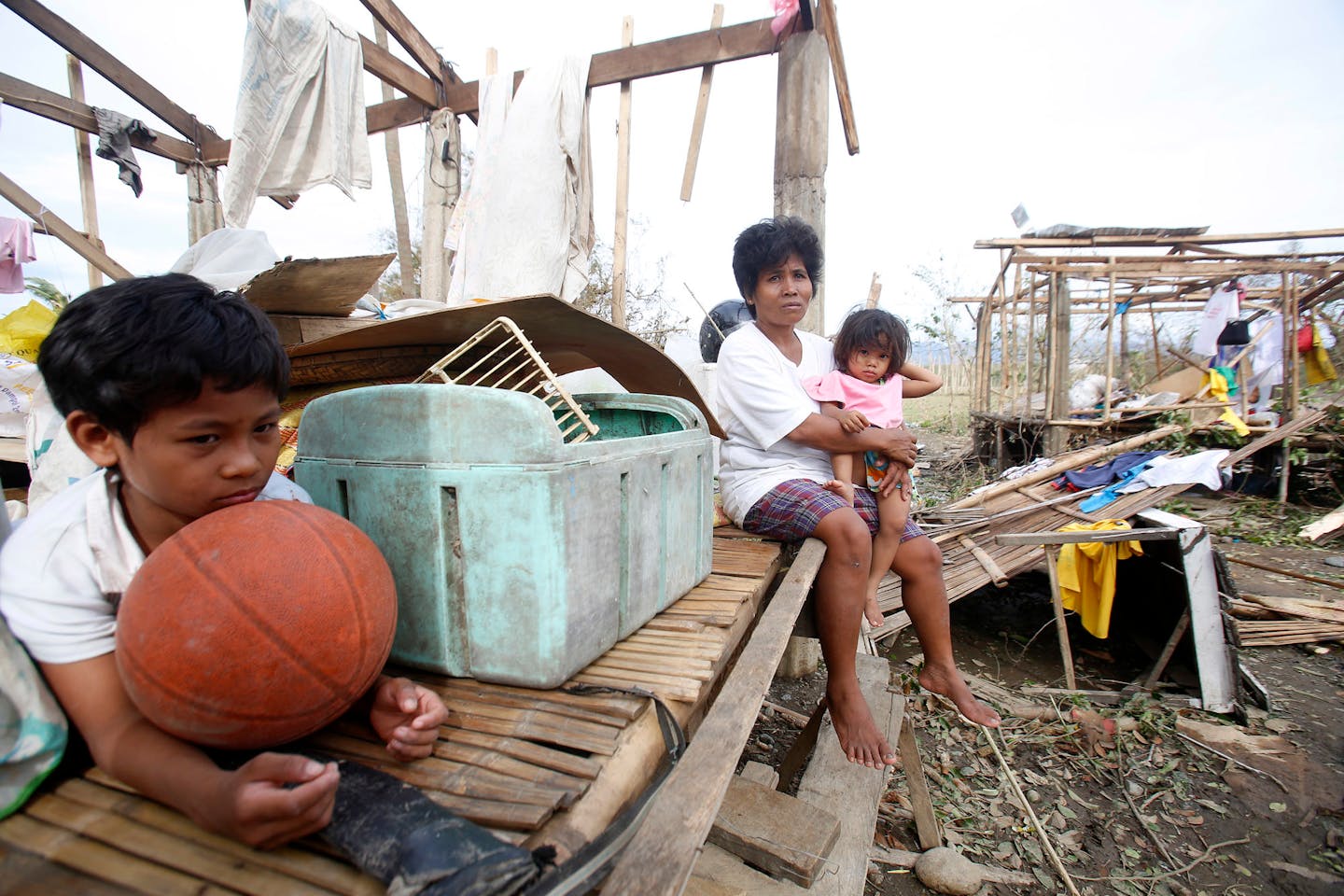
Back-to-back typhoons have left emergency workers in the Philippines suffering from compassion fatigue. The storms overwhelmed rescue teams, who are now struggling with trauma and mental health problems. A lack of psychological support for rescuers exacerbates the problem. The situation highlights the need for programmes to address compassion fatigue and provide psychological aid. Local disaster funds often go unspent, which further hampers the response efforts. Despite having strong local disaster relief mechanisms, the lowest opinion of the national government's response efforts comes from the region that experiences the highest levels of exposure to disasters.
Health
Disaster fatigue: Battered by storms and out of compassion

Artificial intelligence (AI) presents both opportunities and risks for gender equality. Women face unique vulnerabilities and challenges in an AI-driven future. To address these, it is crucial to reskill women, strengthen social safety nets, and institutionalize inclusive governance frameworks. The digital divide between men and women may widen without proper policy intervention, and women living in poverty are most likely to lag in AI-facilitated transformation. AI will have contextualized, uneven effects on the labor market, potentially leading to job displacement and increased inequality. Governing the AI Commons is critical to prevent gender discrimination and ensure inclusive resource management. Generative AI can reinforce gender bias and perpetuate harmful stereotypes, making women particularly vulnerable to AI-driven risks like gender-based violence. Reskilling women and strengthening social safety nets are proposed actions to ensure a gender-equal future with AI.
Driving Gender Equality: Solutions to Empower Women in a Digital Future

2025 is expected to be a busy year for healthcare dealmaking, according to the recent J.P. Morgan Healthcare Conference. Optimism is building that dealmaking will rebound after a slow 2023 and 2024, with more M&A and IPO moves anticipated. Factors driving this include controlled global inflation, declining interest rates, and a belief that the new leadership at the Federal Trade Commission will take a less stringent view of M&A. Other trends to watch in 2025 include a focus on operational improvement, momentum in key therapeutic areas like cardiovascular and oncology, and emerging modalities of care such as antibody-drug conjugate and radiopharmaceuticals.
Healthcare Dealmaking Could Spike In 2025

US President Donald Trump delivered a virtual address at the World Economic Forum's Annual Meeting in Davos, Switzerland. During the address, Trump discussed economic growth, deregulation efforts, and dismissed concerns about protectionist policies. He participated in a public dialogue with four top global CEOs and expressed optimism about the US being a favorable place for business. Trump also mentioned plans to lower the corporate tax rate and addressed questions on international business regulations and energy production.
Trump to global CEOs at Davos 2025: 'America is back and open for business'
Artificial intelligence (AI) is playing a crucial role in analyzing millions of individual cells in biomedicine. Researchers have tested self-supervised learning, a promising approach for analyzing large datasets of cells. This form of machine learning works with unlabelled data and does not require pre-assigned groups. The study showed that self-supervised learning improves performance in tasks such as predicting cell types and reconstructing gene expression. The findings contribute to the development of virtual cells, comprehensive computer models that reflect cellular diversity and can be used to analyze cellular changes in diseases.
Artificial intelligence in biomedicine: A key to analyzing millions of individual cells
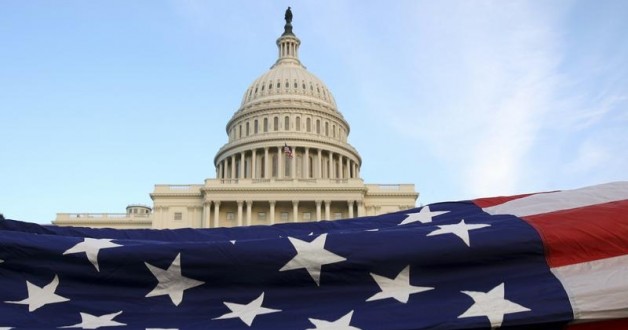
Two bills introduced in the U.S. Congress aim to revoke China's permanent normal trade relations (PNTR) status. The bills would suspend normal trade relations with China and increase tariffs on Chinese imports. Countries with PNTR status benefit from lower tariffs, while countries without this status face higher tariffs. The bill proposes additional tariffs on China, phased in over five years. It would also eliminate the "de minimis" treatment for imports valued below $800. The bill argues that China's current trade status poses a threat to US national security and resilient supply chains. Previous attempts to revoke China's PNTR status have failed, but the sponsors hope to leverage Republican control of Congress and President Trump's support for tariffs to pass the legislation.
New Bill Asks US Congress to Revoke China’s Normal Trade Relations Status
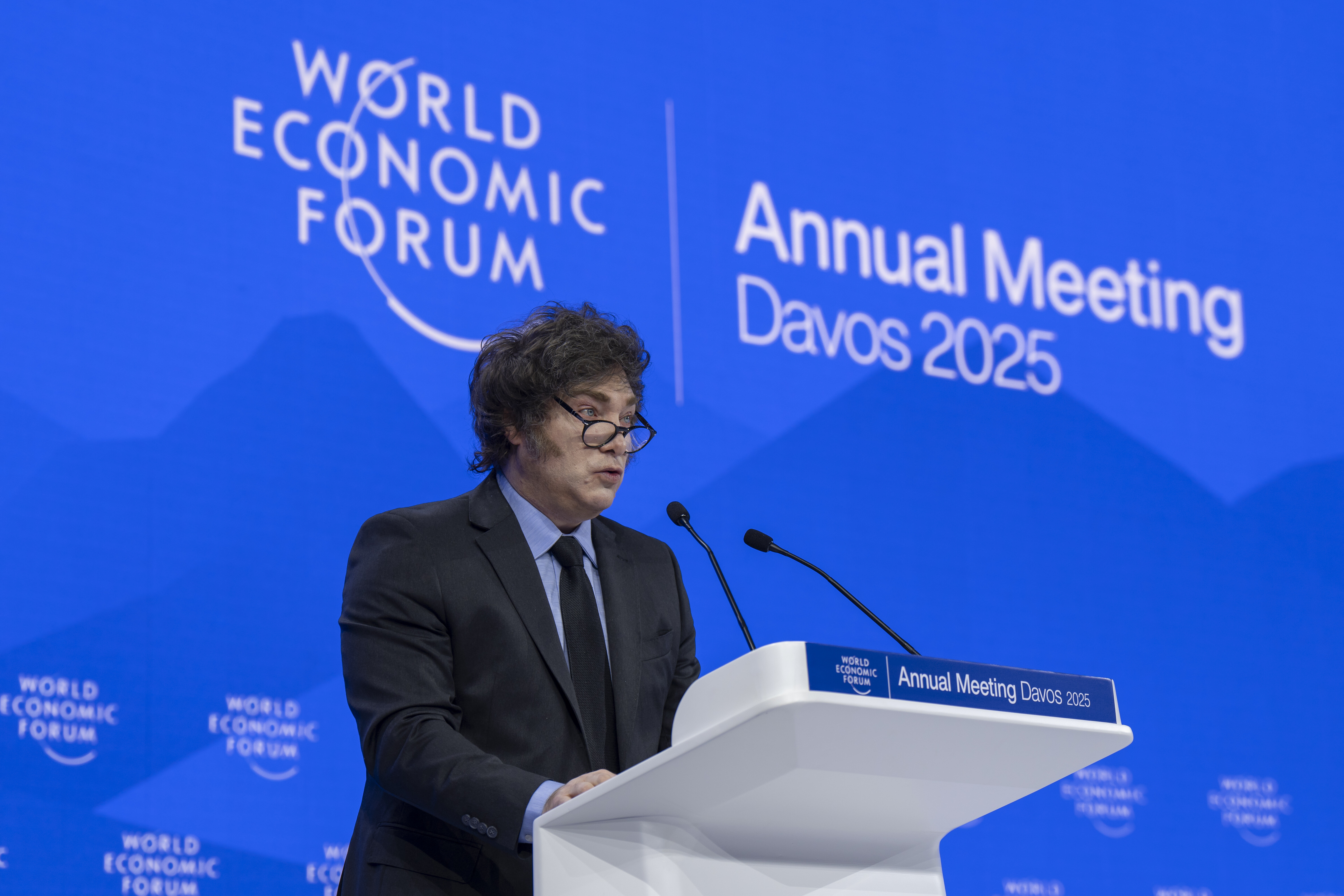
Argentinian President Javier Milei delivered a special address at Davos 2025, emphasizing the need for a new way of doing politics that involves telling people the truth and embracing the ideas of freedom. Milei called for a cure to the "mental virus of woke ideology" that has colonized institutions and urged the world to return to libertarianism. He highlighted Argentina as an example of a country embracing fiscal responsibility and commitment to solving problems like inflation. Milei also mentioned finding allies in the fight for freedom, forming an international alliance with leaders such as Elon Musk, Giorgia Meloni, and Donald Trump.
Davos 2025: Special Address by Javier Milei, President of Argentina

Latin America's economies are recovering from previous shocks, but medium-term growth is projected to be lacklustre and the region faces challenges such as trade tensions, low productivity, and the effects of climate change. The region must navigate possible disruptions in global trade, including the threat of new tariffs and protectionism. However, there are opportunities for Latin American economies, such as nearshoring and the potential for new value chains. Investing in Latin America is seen as economically beneficial, according to Ilan Goldfajn, president of the Inter-American Development Bank.
Bolivia, Brazil, Chile, Costa Rica, Ecuador, Latvia, Mexico, Panama, Peru, Spain, Venezuela | Financial services
Is Latin America's economic tide turning? Here are some insights from Davos 2025

Around 60% of the music sector is already integrating AI into compositions. While AI offers potential for creativity, it raises concerns about remuneration and ownership in the music industry. Grammy-award winning artists Angélique Kidjo and Nile Rodgers express fears about the future of creativity in the digital age, emphasizing the need to preserve humanity. Kidjo highlights the lack of rights and fair compensation for artists, calling for laws that recognize the value of human work. Rodgers has been meeting with UK MPs to discuss regulation. It is crucial to address these issues to ensure the preservation of humanity amidst technological advancements.
Cultural leaders at Davos: We must preserve our humanity in the digital age
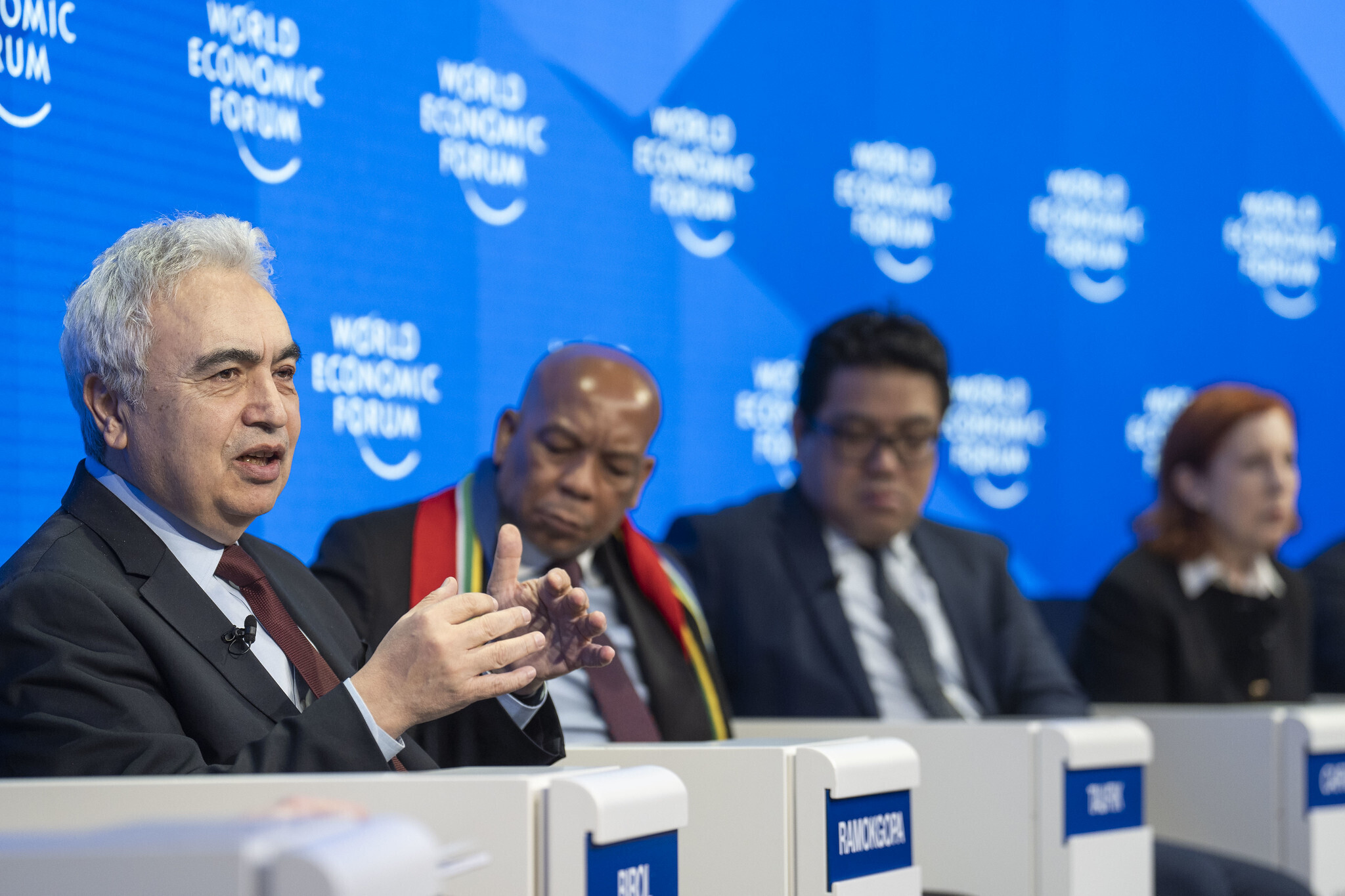
Experts, including the International Energy Agency's Fatih Birol, argue that energy security and the energy transition can be achieved simultaneously. Geopolitical factors are influencing the energy transition and raising concerns about energy security. Well-designed energy transition policies can enhance energy security, bring down prices, create prosperity, and generate jobs. Diversification, efficiency, and flexibility in the energy sector are crucial for both energy security and accelerating energy transitions. While clean energy transitions are progressing globally, energy security is still challenged by geopolitical tensions. Decision-makers must act collaboratively to accelerate the transition while considering all three factors: energy security, equity, and sustainability.
Financial services
Do we really have to choose between energy security and the energy transition?
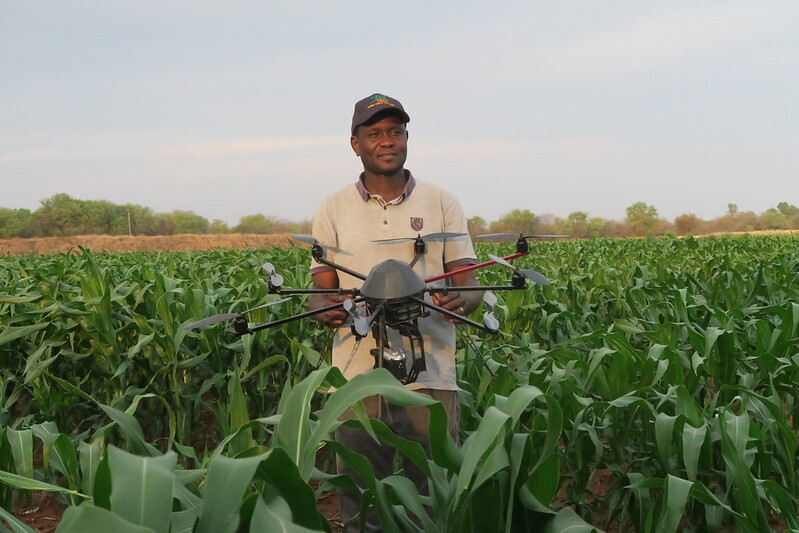
Emerging technology, data solutions, and innovation can address food and water security in the Intelligent Age. A data stack framework, which consolidates diverse datasets and uses emerging technologies like artificial intelligence, can enhance decision-making and promote sustainable interventions in food and water systems. However, it is crucial to design AI with limited environmental input and establish appropriate governance frameworks to mitigate risks and harness benefits. The stack should be co-created with end users, managed by a neutral platform, and financed through collective analysis and concessional financing. Coordination across stakeholders and sectors is essential, as is accounting for future food decisions and incorporating circular and renewable technologies. The use of data stacks can aid in building secure water and food systems, with key geographies like India already implementing similar frameworks.
4 ways to address food and water security in the Intelligent Age
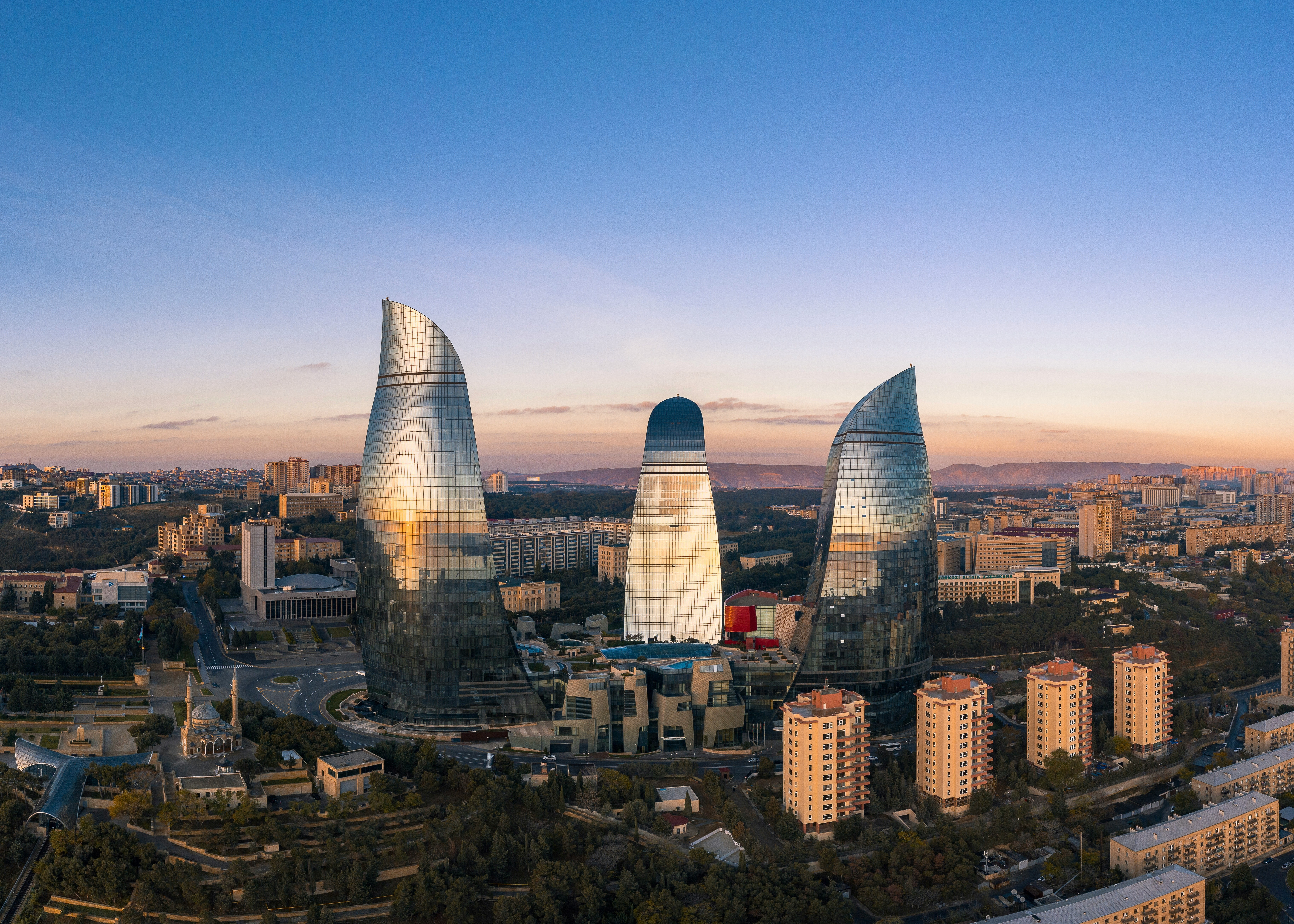
Azerbaijan is integrating artificial intelligence (AI) into its energy sector to improve efficiency and promote sustainability. The country is leveraging AI applications to optimize energy production, enhance data management and infrastructure, and improve energy efficiency. Azerbaijan has favorable conditions for renewable energy, making it a potential regional leader in green energy export. Pilot projects are being implemented to advance the country's green energy transition and serve as models for other countries. However, challenges such as data governance and regulatory gaps need to be addressed for successful AI adoption in the energy sector.
How Azerbaijan is leveraging AI for sustainable energy transformation

Artificial intelligence (AI) has shown promise in driving global growth and productivity, but there are challenges that could stall its momentum in 2025. The industry is facing issues such as rising development costs and energy requirements. Additionally, investors are starting to question whether AI investments will yield meaningful returns. Despite the rapid pace of technological advances in AI, signs of a slowdown are evident in the near future.
Three Reasons Why AI’s Momentum Could Stall in 2025
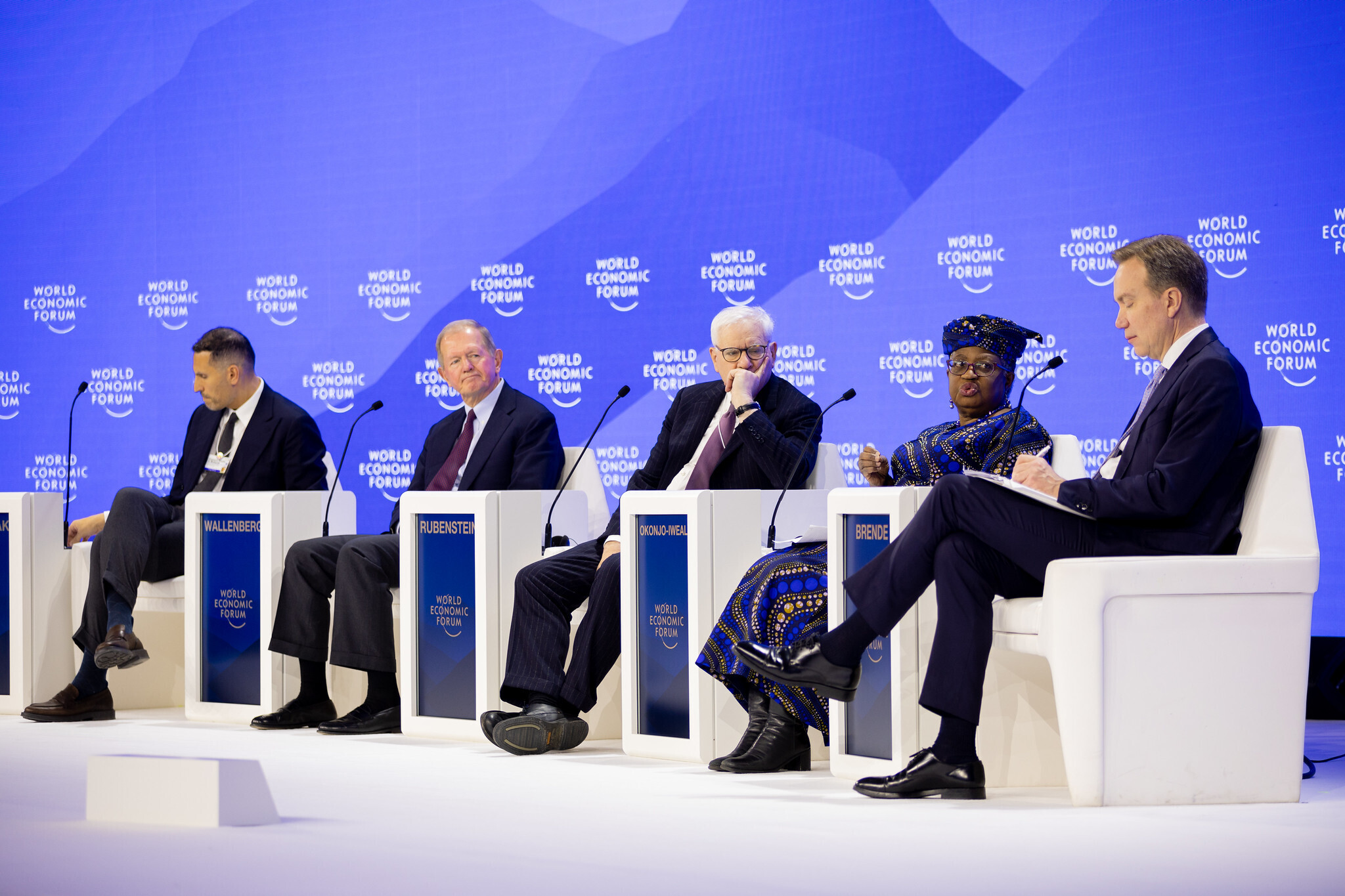
Leaders at Davos 2025 are discussing the implications of Donald Trump's return to the White House. They are talking about cautious optimism on tariffs, European unity on climate goals, and how technological innovation could help offset potential disruptions. The global economy faces challenges, but there is potential for growth through technologies like artificial intelligence. The world is entering a new era of harsh geostrategic competition, and the impact of Trump's tariffs on global trade is being debated. Some believe the tariffs might be negotiable and could have offsetting effects, while others caution against the risks they pose.
Financial services
In quotes: How leaders at Davos 2025 view Trump's comeback
This report discusses the risks of financial system fragmentation due to states using the global financial system for geopolitical objectives. It proposes frameworks to protect the integrity of the system and design economic statecraft policies that balance security and prosperity. The report emphasizes the eight principles that underpin the effective functioning of global financial services. Policy-makers are recommended to implement these frameworks to create a financial system that reflects the dynamics of the 21st century. The report also highlights the importance of coordination and integration and calls for action from the private sector to safeguard the essential elements of the global financial system.
Financial services
Navigating Global Financial System Fragmentation

Rising geopolitical tensions threaten the global financial system and could result in economic losses of up to 5% of global GDP. The World Economic Forum and Oliver Wyman have proposed a framework to strengthen the financial network while respecting countries' domestic policies and national security priorities. A well-integrated global financial system drives economic growth, but increasing geopolitical tensions and fragmentation pose risks to global prosperity. Policy-makers face difficult choices in implementing reforms that protect the financial system but may exacerbate fragmentation. Financial fragmentation could reduce economic productivity and contribute to rising inflation, with adverse effects likely to be felt more heavily in less developed capital markets. Deepening financial integration and cooperation is crucial to mitigate the risks and costs of fragmentation.
Financial services
The global financial system keeps the world stable and unified. Here's how to strengthen it
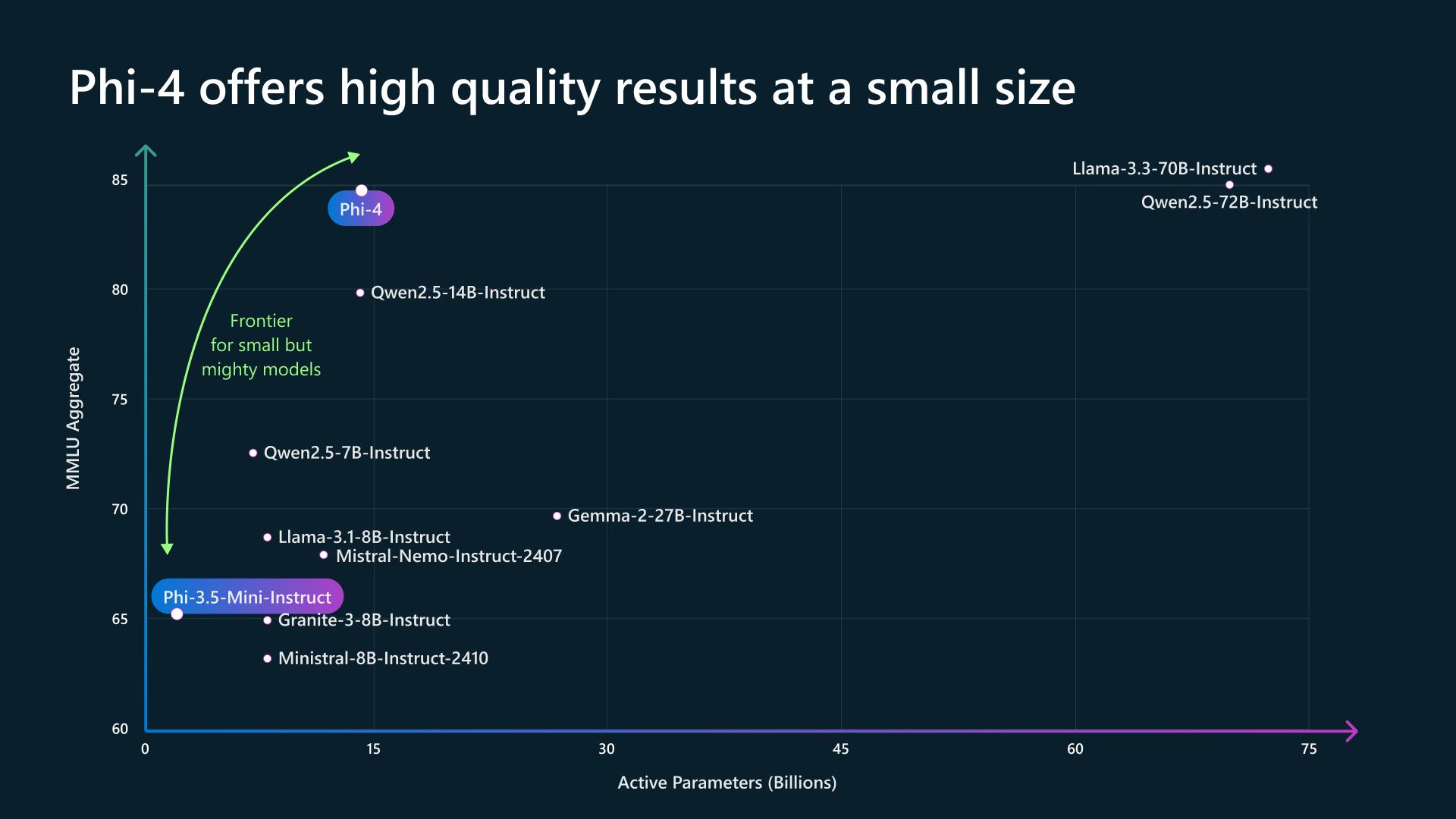
Small language models (SLMs) are gaining popularity in the business sector as a cost-effective and efficient way to implement AI. Unlike larger language models (LLMs), SLMs are designed to excel at specific tasks by being trained on focused datasets. They have fewer parameters, making them faster and more efficient than LLMs. SLMs offer benefits such as faster training and response times, reduced energy consumption, cost-effectiveness, and improved performance in domain-specific tasks. Additionally, SLMs can help address the linguistic diversity gap in AI.
What is a small language model and how can businesses leverage this AI tool?

The Eurozone may face another crisis despite recent economic growth in southern Europe and stagnation in France and Germany. The growth in southern European economies, although impressive, has not yet brought them back to pre-2009 levels. Reports suggesting that structural supply-side reforms were responsible for the economic turnaround may be overlooking key factors such as a construction boom and green energy projects. The previous property and construction boom in countries like Ireland and Spain had led to imbalanced growth and a collapse in skilled labor. Further analysis is needed to determine the true state of the Eurozone economy.
Greece, Italy, Portugal, Spain | Financial services
Walking around in circles – will the Eurozone soon face another crisis?