AGI development predictions by experts vary, but the focus should be on the current risks of AI misuse rather than future AI dangers. Unintentional misuse includes lawyers relying on AI chatbots that generate inaccurate legal information, resulting in sanctions. Intentional misuse involves the proliferation of non-consensual deepfakes created using AI tools, leading to the need for legislation to combat this issue. The advancement of AI-generated audio, text, and images could lead to a "liar's dividend," where those in power claim that evidence against them is fake. Additionally, companies are exploiting public confusion by labeling products as AI, leading to potentially harmful consequences in areas such as hiring and decision-making. Mitigating these risks is crucial but could be challenging if distracted by unrealistic concerns of sci-fi AI scenarios.
Human Misuse Will Make Artificial Intelligence More Dangerous
Europe's economic competitiveness requires a pragmatic approach and a Catalytic Industrial Policy to boost the green, digital, and social sectors. Europe's energy import dependency and lack of investment in green energy infrastructure have made it vulnerable to leverage by Russia. Additionally, Europe's high trade openness and reliance on exports highlight the need for policies that address declining export shares in certain countries. Demographic decline and population loss in Central, East, and Southeast Europe further exacerbate labor shortages and the need for specialized markets. Further investment in capital and technology, particularly in export-oriented sectors, is crucial for reaching global markets.
Armenia, Austria, Belarus, Belgium, Bermuda, Bolivia, Bosnia and Herzegovina, Bulgaria, Cambodia, Canada, Chile, Croatia, Cyprus, Czech Republic, Denmark, Egypt, Estonia, Finland, France, Germany, Greece, Hungary, Iceland, India, Indonesia, Ireland, Israel, Italy, Kazakhstan, Latvia, Lebanon, Lithuania, Luxembourg, Malta, Mexico, Netherlands, New Zealand, Norway, Pakistan, Poland, Portugal, Republic of Korea, Romania, Russian Federation, Slovakia, Slovenia, Spain, Sweden, Switzerland, Tajikistan, Tunisia, Türkiye, Ukraine, United Kingdom, Venezuela, Viet Nam | Financial services
Europe’s Economic Dependencies Demand Pragmatic Solutions
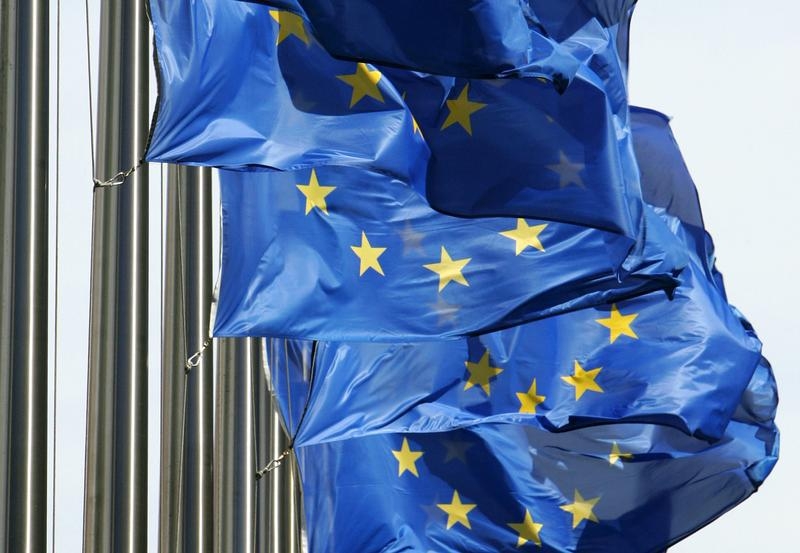
Europe must take on a leading role amidst the shifting world order, but faces challenges such as hesitancy among member states and the rise of populism. A new industrial policy, with a focus on a comprehensive approach, goals beyond GDP, and the European Green Deal, is crucial. The European Green Deal aims to reduce greenhouse gas emissions by 50% by 2050 and includes initiatives such as a green recovery strategy and a just transition fund. Europe's approach is distinct, but it lags behind the US in productivity. However, the European approach of balancing social and ecological goals could prove successful.
France, Germany, Italy, Poland, Sweden, United Kingdom | Financial services
Industrial Policy: Key to Europe’s Role in a Shifting World Order
Emerging economies need to take strategic actions in order to tap into the clean energy supply chains dominated by China. Expanding domestic markets, developing regional trade partnerships, and forming clean energy free trade agreements with advanced economies are some of the ways to integrate into the clean energy sector. The World Bank Group, Asian Development Bank, and emerging multilateral development banks can provide financial support and technical advice. However, the private sector will be the main driver of this development, with local capital markets and partnerships playing a crucial role.
Armenia, Bahrain, Belarus, Benin, Bermuda, Bolivia, Brazil, Cambodia, Cameroon, Canada, Chile, Ecuador, Egypt, Finland, Ghana, Hungary, India, Indonesia, Japan, Jordan, Kenya, Lesotho, Malaysia, Mauritius, Mexico, Morocco, Mozambique, Namibia, Nepal, Netherlands, New Zealand, Pakistan, Panama, Peru, Philippines, Republic of Korea, Rwanda, Saudi Arabia, Sri Lanka, Taiwan, China, Thailand, Türkiye, Uganda, United Arab Emirates, Venezuela, Viet Nam | Financial services
3 ways the Global South can harness clean energy supply chains
US tariffs proposed by President-elect Donald Trump could potentially harm the American artificial intelligence (AI) industry. Although Trump promises to promote the indigenous AI industry by reversing AI restrictions, the tariffs and export control policies on AI hardware supply chains could have significant consequences. Access to advanced chips from Taiwan, as well as a global network of materials and manufacturing, is crucial for the future of AI. Tariffs on hardware infrastructure would raise the price of computational hardware and hinder startups from entering the AI market. Additionally, these tariffs would impact the production of AI chips by NVIDIA, a leading hardware design firm for AI.
Hardware and Hard Truths: Trump’s Tariffs Could Hurt American AI - War on the Rocks
The United States and China have different approaches to governing general-purpose artificial intelligence (GPAI) systems. These differences in focus, principles, and international governance implementation have implications for international cooperation and addressing the risks associated with GPAI systems. Cooperation between the two countries may be necessary to address these challenges.
Bridging the Artificial Intelligence Governance Gap
Israel's Airobotics specializes in fully autonomous drones equipped with AI-driven data analytics. Its drones are tailored for smart city planning, industrial monitoring, and public safety operations. Airobotics is currently selling drones in Israel, the United Arab Emirates, and the U.S. The company aims to provide aerial infrastructure as a utility, similar to the internet, and is participating in a program to enter the Indian market. Airobotics' technology includes a box, a drone, and a command center for launching missions. The drones have various use cases, including mapping, infrastructure inspection, emergency services, and defense. Airobotics has completed type certification with the FAA and has raised over $100 million in funding.
Startup Of The Week: Airobotics
Emerging market economies can increase their resilience to debt shocks by implementing various strategies. These include fiscal frameworks and buffers, consolidation strategies, and coordinated policies. Unanticipated rises in debt can hinder growth and drive inflation. Previous studies suggest that high levels of debt can have a negative impact on growth and inflation. A recently published analysis on 34 emerging market economies found that real GDP significantly decreases after an unanticipated increase in public debt, while inflation increases. Factors such as initial debt levels, domestic financial conditions, and income levels can worsen the effects of debt shocks. Policy makers should prioritize longer-term fiscal consolidation strategies and build up fiscal buffers in order to enhance public debt sustainability. The design of fiscal frameworks and the coordination of monetary and fiscal policies are also crucial. Additionally, emerging market economies should focus on sustainable growth and efforts to raise tax revenue and mobilize domestic financial resources.
Financial services
How Emerging Markets Can Boost Resilience to Debt Shocks
Regional cooperation has a positive impact on labor productivity and innovation, according to a study. The research analyzed data from 170 economies and 60,000 firms to investigate how regional policies contribute to economic growth. The findings revealed that participation in regional value chains, as well as connectivity in infrastructure and technology, can drive productivity and innovation. The study suggests that strengthening institutional choices and involvement in regional initiatives can amplify the benefits of regional integration.
Regionalism, Productivity, and Innovation: An Empirical Investigation
Japan's campaign to promote road safety for senior drivers serves as a model for an aging world. Efforts include license renewals, safety courses, advanced vehicle features, and awareness campaigns. Such measures not only improve road safety but also build resilient communities by ensuring transportation for the elderly.
Japan
What an ageing world can learn from Japan's campaign to get seniors driving safely
AI skills gap is hindering the effective deployment of artificial intelligence technology. Public and private organizations need to collaborate and update the current model of career education and training to unleash the full potential of AI.
Education
Closing the AI Skills Gap in 2025
Major brands in the UK are using emotional marketing strategies to capture attention and boost sales through Christmas adverts. Brands employ techniques such as nostalgia, music, and celebrity endorsements to make their adverts impactful and memorable. The social psychologist William McGuire's framework identifies six steps to influence consumer behavior: presenting the message, capturing attention, understanding, agreement, remembering, and responding or behaving accordingly. The Christmas period offers ample opportunities for brands to evoke positive emotions through long-standing traditions and familiar narratives. Successful campaigns establish emotional hooks that make brands more relatable and engaging to consumers.
Christmas adverts: decoding the trusted formula used to pull on consumers’ heart strings
The new EU Commission aims to improve geoeconomic resilience, decarbonization, and competitiveness. However, the EU lacks a long-term strategy and is poorly positioned to engage with an assertive Brazil in an increasingly multipolar world. The EU is concerned about dependency on Chinese imports, particularly in relation to security and geopolitical tensions. The EU plans to publish a Clean Industrial Deal and expand the Global Gateway initiative to promote its geoeconomic interests and strategic autonomy. Brazil, with its economic weight and key raw materials, is a sought-after partner for the EU, China, and others, but Brazil's alignment with China raises concerns. China has been expanding its presence in Brazil and using soft power tactics.
Bolivia, Brazil, Ecuador, Portugal, Venezuela | Financial services
The EU-Brazil Partnership and the New Climate Geopolitics
The strengthening of the US dollar following Donald Trump's victory in the US presidential election could hasten the end of its dominance. Trump's "America First" foreign policy, which threatens tariffs on emerging markets, may encourage countries to seek alternatives to the US dollar as a reserve currency and means of payment for international commodities. The increase in the value of the US dollar could harm US exports, while Trump's economic policies could raise US debt and lead to a decline in the value of US dollar reserves held worldwide. The Brics nations have previously considered creating a separate currency, possibly based on existing currencies such as the Euro or Yuan.
Financial services
Why Donald Trump’s election could hasten the end of US dollar dominance
The friendship between Italian Prime Minister Giorgia Meloni and Elon Musk is gaining attention, especially since Musk has a role in the incoming US administration. Their admiration for each other was expressed during Musk's visit to Italy, and he also presented Meloni with an award at a recent event. Musk's increasing political activity on social media, particularly regarding immigration, aligns with Meloni's tough stance on the issue. They also share frustration with what they perceive as "woke conformism." Potential business deals, such as Starlink's expansion in Italy, further unite them. However, their differing views on deregulation and trade policies may pose challenges for Meloni's nationalist party.
Italy
Elon Musk and Giorgia Meloni: a burgeoning friendship the world should keep an eye on
The Federal Reserve's Beige Book provides valuable story ideas for journalists covering a range of topics, including business, agriculture, transportation, and housing. It offers a high-level, anecdotal glimpse into the current economic sentiment in each of the Fed's 12 regions. The book is compiled from reports from Federal Reserve district directors, interviews, and surveys, and it includes insights from hundreds of contacts representing various industries and company sizes. Research suggests that the anecdotes in the Beige Book accurately reflect employment and inflation trends in the US economy. The most recent release highlights a slowdown in home furnishing sales due to homeowners' reluctance to incur high interest rates.
Financial services
Story ideas from the Federal Reserve’s Beige Book: December 2024
The International Panel on the Information Environment (IPIE) provides key recommendations for a UN Code of Conduct on Information Integrity for Digital Platforms. The proposals emphasize a commitment to correcting misinformation, respecting human rights, and supporting independent media. Other suggestions include enhancing transparency and user empowerment, improving researchers' access to data, expanding global research efforts, establishing stronger disincentives against misinformation, and ensuring AI is safe and ethical. The recommendations aim to uphold information integrity, combating the threats posed by misinformation, which undermine democratic institutions and fundamental rights.
IPIE Submission on the UN Code of Conduct for Information Integrity on Digital Platforms
The UK's creative industries, including film, TV, and publishing, contributed £124.6 billion to the economy in 2022. These industries have grown by over 50% since 2010 and now employ 2.4 million people. However, attracting foreign investment is crucial for future growth. The UK government has published a green paper outlining its plans to capture more foreign investment in the creative industries. Understanding the flows of foreign direct investment (FDI) into the sector is important for attracting new investment. The UK is the second most popular destination for FDI in the creative industries, with investment concentrated in London and the southeast, but also including cities like Belfast, Manchester, and Edinburgh. Investment predominantly comes from North America and Europe, highlighting the need to attract investment from a wider range of locations. The UK also plays a significant role in outward FDI, investing in other countries' creative industries. Options for the UK to maintain inward investment include scaling up and supporting innovation and improving the general business environment.
United Kingdom
The UK’s booming creative industries could employ even more people – if they attract fresh international investment
Almost half of workers' core skills will be disrupted by artificial intelligence (AI) in the future. Businesses predict that by 2027, 44% of skills will be affected by AI. At the World Economic Forum's Annual Meeting of the Global Future Councils, experts discussed how to prepare people for the changing economy. The panel highlighted that AI will create new jobs, disrupt existing ones, and improve productivity. They also emphasized the importance of developing soft skills and the need for the education system to respond faster to AI advancements.
Education
3 things we learned about AI and skilling from experts
Consumer goods companies in the U.K. face significant challenges following the Autumn Budget, which raised taxes and payroll costs and put pressure on manufacturers to reduce prices amidst rising input costs. Retailers warned of added expenses up to £7 billion from wage increases, further affecting margins. Economic uncertainty has led 85% of consumers to either maintain or reduce spending, shifting interest towards private-label brands. Additionally, a strong U.S. dollar raises costs for raw materials, complicating manufacturers' pricing strategies. To navigate these challenges, companies should focus on productivity, comprehensive margin management, and omnichannel strategies to enhance competitiveness.
Financial services
U.K. Autumn Budget: Consumer goods companies caught between a rock and a hard place