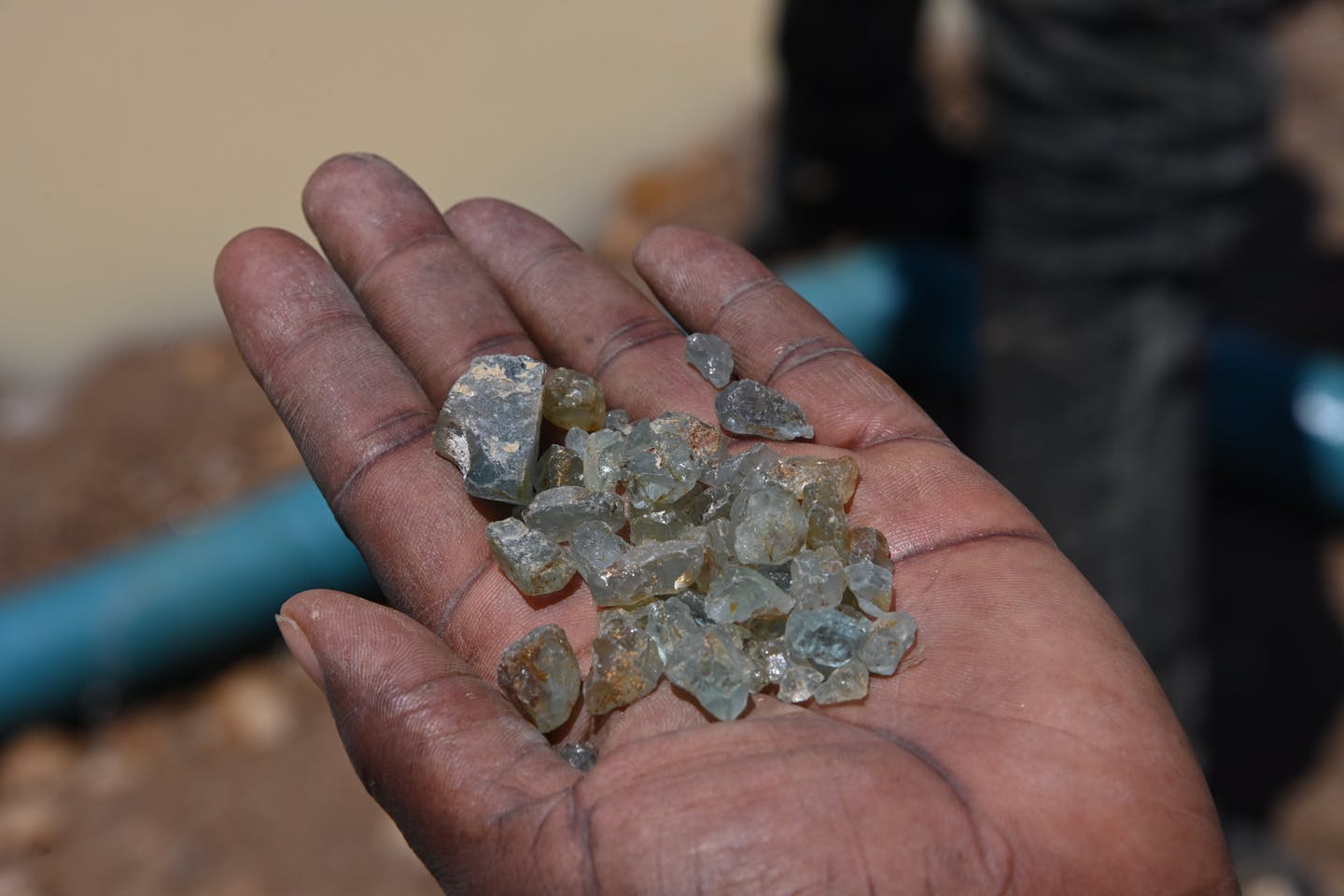
Efforts to establish a legally binding global treaty on sustainability and traceability of critical minerals at the UN Environment Assembly stalled due to political complexities and resistance from member states, particularly those with resource-rich economies. Colombia and Oman proposed the treaty to ensure traceability of minerals like copper, nickel, cobalt, and rare earth elements, vital for renewable energy and military industries. Traceability aims to prevent socio-environmental damage and illegal practices but faces challenges from complex supply chains and governance issues. The final resolution was nonbinding, focusing on dialogue and cooperation, with hopes of revisiting the treaty in 2027.
Oman
Global treaty to trace critical minerals stalls amid uncertainty

In 2025, cyber incidents targeting the EU showed a decline in unique operations but an increase in affected targets, reflecting growing cumulative and transnational impacts, especially through supply chains and interconnected sectors. The EU's new cybersecurity package, including revisions to the Cybersecurity Act and NIS 2 Directive, aims to enhance member state cooperation by strengthening ENISA’s role in shared situational awareness. However, findings from the European Repository of Cyber Incidents (EuRepoC) suggest that despite regulatory efforts, challenges remain in addressing the cumulative, sub-threshold, and strategically distributed nature of cyber threats. This raises concerns that current approaches may not fully mitigate fragmentation or reinforce European solidarity in cybersecurity responses.
Africa | ICT, Financial services, Health
Cyber Activity Balance 2025: The EU in Focus

Countries are increasingly including Indigenous Peoples' rights in their climate plans under the Paris Agreement, rising from 22% in 2015-16 to 54% by 2025. However, many governments have yet to align climate policies with Indigenous rights, fully recognize Indigenous jurisdiction, or ensure meaningful participation. Indigenous Knowledge Systems receive more attention but often without respecting their full value. Few countries address structural issues like colonialism driving Indigenous vulnerability. Meaningful engagement is vital for climate justice, effective adaptation—given Indigenous stewardship of ecosystems—and fostering trust and long-term cooperation in climate governance.
Indigenous rights should be at the heart of climate commitments

The Greater Mekong Subregion (GMS) Transport Sector Strategy 2030 Midterm Review and Update outlines progress and future plans for regional transport cooperation through 2030. Covering the period 2018–2030, the strategy aims to foster a more integrated, prosperous, sustainable, and equitable GMS. The midterm review assesses achievements and evolving challenges, while the update adjusts the roadmap to strengthen the strategy’s impact on regional development and connectivity in the second half of the implementation period.
Cambodia
Greater Mekong Subregion Transport Sector Strategy 2030 Midterm Review and Update
Advances in optical systems, photonics, cloud computing, and artificial intelligence have significantly improved the quality and accessibility of satellite Earth observation data, democratizing its use. However, this technological convergence also introduces risks related to national security, privacy, and trust. Addressing emerging challenges in commercial space-based Earth observation requires thoughtful government policies and frameworks to balance innovation benefits with protection needs.
Education, ICT
Expanding access to satellite Earth observation data: What it means for privacy, security and trust
The growing demand for responsibly sourced minerals like lithium, cobalt, and nickel, driven by the global energy transition, has made robust ESG data practices essential for mining companies. These practices support transparency, satisfy stakeholder expectations, and ensure alignment with sustainability goals. According to PWC’s 2021 Global Investor ESG Survey, 83% of investors consider detailed, evidence-based ESG reporting crucial for attracting investment. Additionally, regulations such as the European Sustainability Reporting Standards under the CSRD mandate companies to perform double materiality assessments, further emphasizing the importance of accurate ESG data in evaluating financial and environmental impacts.
Financial services
ESG Data Stewardship: An IFC Good Practice Note for Mining

AI is automating routine entry-level tasks, disrupting the traditional model where junior workers gained foundational skills through such roles. This shift causes a decline in entry-level employment, especially in AI-exposed sectors, while older workers remain employed due to their experience with nuanced judgment AI cannot replicate. Without these foundational roles, young workers face "skill entrapment" with limited career growth, and organizations risk a “training deficit” as seniors stop delegating to juniors. Women may be disproportionately affected due to overrepresentation in clerical roles at high AI risk. To adapt, young workers need to develop uniquely human skills like judgment and relationships, while employers must redesign entry-level positions to preserve skill development and mentorship, ensuring a sustainable talent pipeline.
Education
AI could mark the end of young people learning on the job – with terrible results
The CHIPDIPLO Paris Conference on February 11, 2026, focused on shaping effective semiconductor policies amid global tensions, particularly U.S.-China competition and supply chain vulnerabilities revealed by recent crises. Governments are increasingly adopting state-led industrial policies—such as subsidies and tax incentives—to boost domestic semiconductor capabilities, though these policies carry risks. The conference gathered experts from Europe, Asia, and the U.S. to evaluate policy successes and challenges. European Commission’s DG Connect highlighted progress under the first Chips Act and priorities for Chips Act 2.0, including demand support, energy efficiency, security, and talent development. CHIPDIPLO, an EU co-funded project, aims to strengthen Europe’s semiconductor foreign policy and foster coordination among EU states and international partners.
ICT
CHIPDIPLO Paris Conference:
Recent research shows large language models (LLMs) like Gemini 2.5 Pro, ChatGPT 4o, and Claude3.7 Sonnet can recognize empathic communication in text nearly as well as expert humans and far better than nonexperts. Using multiple psychology-based frameworks to assess empathy in 200 text conversations, the study found these AI models reliably judged nuances of empathy, suggesting their potential to enhance training in fields like therapy and customer service. However, the accuracy of AI empathy recognition depends heavily on the quality and clarity of the assessment frameworks used.
Can AI Help Humans with Empathy?
Work from anywhere (WFA) allows employees to choose their living location, reducing costs and improving quality of life while enabling companies to access global talent pools. This model benefits workers and organizations by increasing flexibility and productivity. WFA is adopted by diverse companies, including startups and established institutions, often supported by hybrid work formats with scheduled in-person team activities. Digital twins—integrating sensors, AI, and automation—extend WFA into sectors like healthcare by enabling remote patient monitoring and telemedicine. AI tools enhance remote collaboration by providing real-time knowledge sharing and personalized assistance, further facilitating distributed teams across time zones and locations.
Education
Are jobs getting better?: The ability to work from anywhere will redistribute talent around the world
In Prague, Czech President Petr Pavel refused to appoint Filip Turek, a controversial figure with extremist views, as environmental minister, sparking a political standoff with the ruling coalition. This led to a large civic protest of 100,000 people supporting democratic principles over illiberalism. The government, composed of three illiberal parties with differing agendas, including the Motorists, SPD, and ANO, faced internal tensions. Pavel's firm stance and public mobilization highlighted how liberal democracy can resist illiberal political forces aiming to undermine constitutional values and rule of law in the Czech Republic.
Czech Republic
Defending democracy in Prague – how one president and a hundred thousand protesters held illiberalism at bay

Thailand's 2026 election saw Prime Minister Anutin Charnvirakul win by emphasizing nationalism, economic stability, and security amid ongoing border tensions, while climate change and environmental issues were largely absent from public debate. Despite severe air pollution and climate-related risks like flooding and heat impacts on agriculture, environmental topics featured mainly in policy documents rather than campaign rhetoric. Thailand remains dependent on fossil fuels, facing significant challenges in energy transition and air quality improvements. The government maintains long-term climate commitments toward net zero by 2050, integrating decarbonisation into economic and industrial policy through measures like carbon pricing and clean-air laws, reflecting climate concerns as economic strategy rather than a central electoral issue.
Thailand
Thailand’s Anutin wins on economy and security as climate fades from election spotlight
The transatlantic relationship is increasingly strained as the US grows less reliable, prompting European leaders to pursue greater independence. President Trump’s Greenland episode highlighted deteriorating trust and a shift in US foreign policy marked by unpredictability and disregard for traditional allies. Europe underestimated Russia’s ambitions and remained overly dependent on US security guarantees, limiting strategic autonomy. Despite increased European defense spending and support for Ukraine, the US retains critical military capabilities essential for European defense. This evolving dynamic demands European efforts to build a stronger, more self-reliant security architecture.
Africa
The anatomy of a transatlantic divide
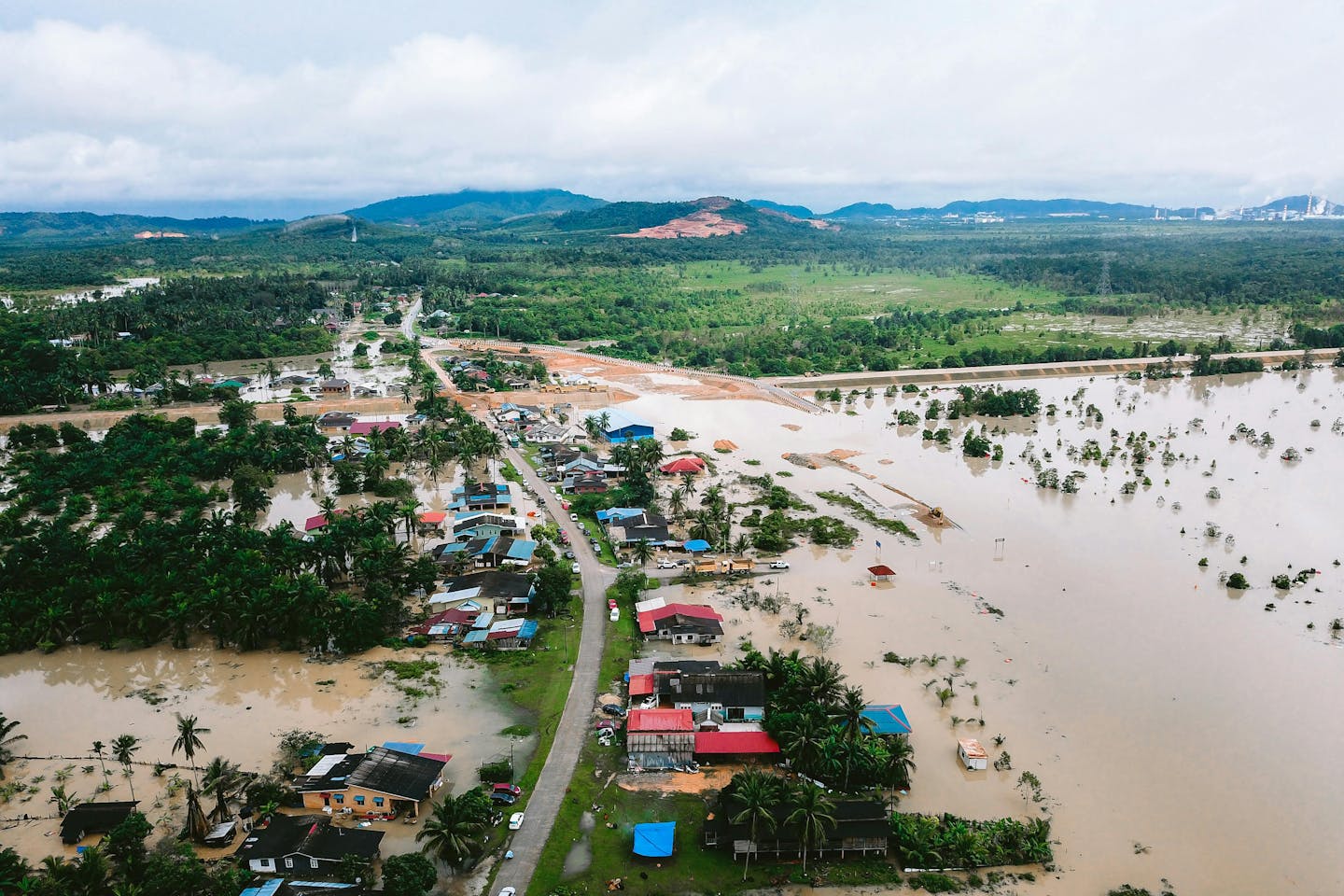
Southeast Asia faces a significant adaptation finance gap, estimated at US$17.5 billion annually, despite high climate vulnerability. Adaptation finance remains underfunded, comprising only 6-10% of climate-related issuances from 2015 to 2024. Key challenges include lack of predictable revenue streams, long return horizons, project fragmentation, and small transaction sizes, which deter private investment. To address this, countries can strengthen national plans and taxonomies, such as ASEAN’s Mitigation Co-benefit and Adaptation for Resilience guide, and strategically use financial instruments targeting adaptation outcomes. Mobilizing domestic capital and leveraging sustainable bond markets, evidenced by the oversubscribed Tokyo Resilience Bond, are crucial steps to close the funding gap and build resilience.
Africa | Financial services
Southeast Asia can tap bond markets, improve taxonomies to fill adaptation finance gap: report
DCAF conducted a preliminary assessment of Haiti’s security sector to identify opportunities for enhanced support addressing short- to medium-term needs. The assessment, based on literature review and over 50 interviews, concludes that international aid must link immediate tactical assistance with longer-term institutional reform. Investments should target both operational capacity and governance foundations, emphasizing management, leadership, accountability, and institutional integrity. Short-term priorities include backing the new Gang Suppression Force through joint operations and on-the-job capacity-building, alongside strengthening security sector governance by enhancing policymaking, strategic planning, and regulatory frameworks. The report offers 17 recommendations spanning short- and medium-term actions for security sector development and governance strengthening in Haiti.
Backing from the brink: Assessing Haiti’s security sector and opportunities for future SSG/R programming
Renée Sieber, Ana Brandusescu, and Jonathan van Geuns explore governance challenges faced by Canadian municipalities in adopting artificial intelligence. They highlight the balance between in-house development and outsourcing, identify a lack of public participation, and offer four key recommendations: iterative AI adoption, enhanced collaboration, more thorough debate on social impacts, and increased civic involvement to build stronger local AI governance frameworks.
Education
Building AI Governance in Municipalities from the Ground Up

Pacific countries like Papua New Guinea and Solomon Islands face unique transport challenges due to remoteness, dispersed populations, climate threats, and reliance on imported fuels. To promote sustainable development, a $1.5 million Asian Development Bank project developed long-term, low-carbon transport strategies targeting 2050. Through workshops, participants applied foresight, scenario planning, and backcasting to address critical uncertainties such as energy security, land availability, transport technologies, and geopolitical instability. Proposed initiatives include solar-electric ferries, electric aircraft, drone deliveries, and integrated digital systems. These efforts aim to build resilience, reduce carbon emissions, and guide coherent transport policies supporting inclusive economic growth in the Pacific region.
Botswana, Cambodia, Cameroon, Costa Rica, Malta, Nepal, New Zealand, Panama, Rwanda | Financial services, Health
How Pacific Countries are Developing Low-Carbon Transport
Strengthening the rule of law is essential for private sector growth in Asia and the Pacific, enabling businesses to invest with confidence through clear commercial laws, effective dispute resolution, and consistent cross-border regulations. Robust legal frameworks support small and medium enterprises by simplifying business registration, improving access to finance through movable asset collateral, and streamlining insolvency processes. They also facilitate participation in emerging environmental markets by defining carbon credit rules and enabling green financing mechanisms. Alternative dispute resolution and adherence to international standards reduce legal uncertainty and enhance investor trust. Strong rule of law systems foster stable, long-term economic growth and are vital for mobilizing private capital toward sustainable development in the region.
Latin America | Financial services
Why the Rule of Law Matters for Private Sector Growth in Asia and the Pacific
Working across cultures in global business can lead to conflicts rooted in misunderstandings of cultural norms, such as communication styles and trust expectations. Recognizing these as cultural issues enables more effective conflict resolution. Workplace misconduct often triggers retaliatory negative behaviors, so leaders should focus on preventing instigations and helping parties de-escalate tensions rather than just punishing individuals. Structural powerholders often underestimate organizational inequities, but prompting them to reflect on bias increases their willingness to address discrimination. Leaders must also actively identify and rectify systemic inequalities, like unequal bonuses. Additionally, managing compensation during financial crises requires balancing worker motivation with financial prudence to maintain productivity.
Take 5: We Can Work It Out
Food supply chains increasingly rely on digital systems and AI for managing inventory, shipments, and approvals. While this boosts efficiency, it creates vulnerabilities: if digital authorisation fails or cyberattacks occur, food shipments can be halted despite physical availability, as seen in recent disruptions. Automation often replaces human oversight, reducing manual backups and staff trained to intervene during failures. This leads to risks where digital records no longer match reality, threatening food access. Resilience depends on maintaining human involvement, transparent algorithms, and the ability to override systems to ensure continuous food distribution amid system failures.
Replacing humans with machines is leaving truckloads of food stranded and unusable