Professor Anthony Bogues discusses the current global political conjuncture characterized by the erosion of the postwar international order, the disintegration of the Keynesian social contract, and the rise of deep ties between technological and political elites leading to authoritarianism. He highlights a shift from rule-based diplomacy to power politics, the unprecedented growth of inequality, and the overt resurgence of white supremacy replacing the liberal narrative of racial progress. Drawing on anti-colonial thought, Bogues underscores how liberalism and illiberalism are deeply interconnected in shaping contemporary violence, disposability, and elite power.
Illiberalism, war, violence and authoritarianism: the current conjuncture – an interview with Professor Anthony Bogues LSE Human Rights
The EU and India finalized a long-pending Free Trade Agreement (FTA) in January 2026, marking a significant advance in their relations alongside agreements on Security and Defence Partnership, Mobility Cooperation, Innovation Hubs, and a Startup Partnership. This comprehensive partnership aims to deepen strategic alignment amid great power rivalry, driven by India's economic development goals and the EU’s desire to diversify alliances and reduce dependency on China. Recent diplomatic efforts, including the EU Commission's 2025 India visit, catalyzed progress. Concurrently, India is actively pursuing multiple trade agreements globally, using economic diplomacy as a tool to hedge geopolitical risks and boost industrial and technological modernization.
Belgium, France, India, Italy, Latvia, Mauritius, Nepal, Netherlands, Sri Lanka | Financial services
Leapfrogging in EU-India relations: From Free Trade to Strategic Defence and Tech
The 2026 Future of Finance Forum at Wharton convened experts to address pivotal issues shaping finance, including digital assets, central banking, U.S. federal debt, artificial intelligence, geopolitics, and private markets. Finance currently stands at a transformative juncture with innovations like AI and digital currencies challenging traditional systems. AI, while not originating from finance, profoundly impacts the sector by influencing asset management, credit, insurance, trading, and regulation, especially given finance's concentration of higher-wage roles. The forum highlighted both substantial opportunities and risks presented by these developments, emphasizing the critical nature of these converging factors for the economy's future.
Financial services
Future of Finance | Joao Gomes and Itay Goldstein
The EU Emissions Trading System (EU ETS) has been central to Europe's climate strategy since 2005, achieving a ~47% emissions reduction in power and heavy industry by 2023 through a cap-and-trade mechanism that incentivizes cost-effective decarbonization and innovation. Recent reforms tightened supply, raising carbon prices sharply, which strengthens the decarbonization signal but raises competitiveness concerns for European industries facing higher costs than global rivals. The paper explores three reform scenarios, noting that weakening the ETS or the Carbon Border Adjustment Mechanism (CBAM) risks undermining climate goals and investment certainty. The recommended path maintains ETS tightening and CBAM while increasing industrial support by recycling ETS revenues into decarbonization tools, shifting competitiveness towards leadership in low-carbon technologies.
Estonia | Financial services
The EU ETS at a Crossroads: Competitiveness Concerns and Policy Scenarios

Quantum technology is rapidly advancing from theory to practical use, impacting multiple aspects of daily life. Quantum computing utilizes qubits that exist in multiple states simultaneously, enabling the simulation of complex molecular interactions for faster drug discovery and material innovation. Quantum sensors offer unprecedented precision for navigation without GPS, medical imaging, and environmental monitoring. Optimization problems in logistics, finance, and energy management could be solved more efficiently with quantum algorithms. Quantum communication ensures ultra-secure data transmission, addressing cybersecurity threats posed by quantum computers themselves. Additionally, quantum technology promises to accelerate artificial intelligence developments by processing information in fundamentally new ways.
Financial services, ICT, Education
Five ways quantum technology could shape everyday life
The British government promotes the use of education technology (EdTech) and artificial intelligence (AI) in schools to enhance learning and future skills. However, EdTech use varies widely across schools, with inconsistent policies and limited regulation. Research by Digital Futures for Children reveals children’s mixed experiences: some access advanced technologies like drones and VR, while others face uninspired uses of tech. Schools monitor students’ online activities extensively, often without clear disclosure about data use. Free app versions expose children to advertisements and potential commercial exploitation. Features like behavior charts and timers can negatively impact wellbeing, especially for children with special needs. Overall, EdTech’s impact on privacy, inclusion, and learning quality remains unsettled, raising important questions about children’s rights and educational equity.
Education
What does “good” EdTech look like – and what do schoolchildren think about it?
Europe faces an ageing paradox where the growing electoral power of older voters prioritizes pension preservation over investments crucial for future growth. As voters over 50 constitute the majority, governments focus on protecting existing pension benefits—often politically untouchable—leading to underinvestment in areas like education, infrastructure, and innovation. This shift results in slower economic growth and higher debt, exacerbating ageing challenges. Addressing this requires rebalancing political influence toward younger generations and implementing reforms that support long-term investment and sustainable economic renewal.
Africa
The ageing paradox – why grey power is preventing the investment an ageing Europe needs

Nature loss is a major threat to global economies, with businesses both depending on and harming biodiversity. IPBES highlights that over $7 trillion in finance flows in 2023 negatively impacted nature, driven largely by sectors like agriculture, energy, and mining. A key challenge is businesses' lack of awareness and data to assess their environmental impact, compounded by short-term financial priorities that overlook longer ecological cycles. Current political and economic practices often undervalue biodiversity, inhibiting transformative changes needed to halt biodiversity decline, which risks economic stability, human wellbeing, and disproportionately affects developing countries.
Financial services
IPBES: Four key takeaways on how nature loss threatens the global economy
The India-EU Free Trade Agreement, hailed as a major commercial milestone, features strong, enforceable trade commitments but notably weaker climate and environmental provisions. Environmental clauses, primarily within the Trade and Sustainable Development (TSD) chapter, emphasize dialogue, cooperation, and consultation rather than sanctions or binding targets. Unlike trade rules subject to dispute resolution, environmental commitments lack enforceable penalties, reflecting a broader tendency to treat economic obligations as legally binding while positioning environmental goals as aspirational. This limits the deal's effectiveness as a climate governance tool, highlighting a persistent imbalance in trade agreements between enforceable trade measures and softer sustainability commitments.
India
Climate enforcement weak in India-EU ‘mother of all deals’, experts say
Asia’s transition to high-income status is challenged by slowing productivity, demographic shifts, environmental limits, and geopolitical risks. Traditional growth methods like capital deepening and export-led expansion are insufficient, prompting a need for new development strategies focused on institutions, innovation, and resilience. Key themes include managing social and environmental pressures, strengthening institutional quality, adapting to technological disruptions, navigating geopolitical tensions, enhancing productivity through finance, addressing aging populations, and pursuing green transitions. Aligning institutional reform, innovation, macroeconomic stability, and climate goals offers viable pathways for Asia to escape the middle-income trap while promoting sustainability and social inclusion.
Cambodia, Indonesia, Japan, Mongolia, Philippines, Singapore, Thailand | ICT, Health, Financial services
Navigating Asia’s Path to a High-Income and Sustainable Future
India has significantly increased preschool access, with about 80% of children entering first grade having some early education experience. However, quality and equity issues persist, especially in public centers where education often takes a backseat to nutrition and health duties. To improve school readiness and boost long-term economic growth, India must prioritize investments in early learning by expanding caregiver support for ages 0-3, professionalizing the early childhood workforce, integrating childcare centers into primary schools, and focusing on data-driven outcomes. Current government spending falls short of providing quality education, necessitating strategic enhancements to address developmental disparities.
Education
Prioritizing Early Education Is Key to Long-Term Growth
India has significantly expanded preschool access, with around 80% of children entering first grade with some preschool experience. However, quality and equity challenges persist, particularly in public and community childcare centers where education often takes a backseat to nutrition and health services. Government spending on early childhood education remains low compared to the estimated cost for quality programs. To improve school readiness and long-term economic growth, India must prioritize investments in early learning by focusing on the critical birth to age 3 period, professionalizing the early childhood workforce, integrating childcare centers within schools, and implementing outcome-driven data systems. These strategies aim to enhance cognitive and social development, reduce developmental gaps, and ensure sustainable educational improvements.
Education
Professionalizing Early Education Is Key to Long-Term Growth
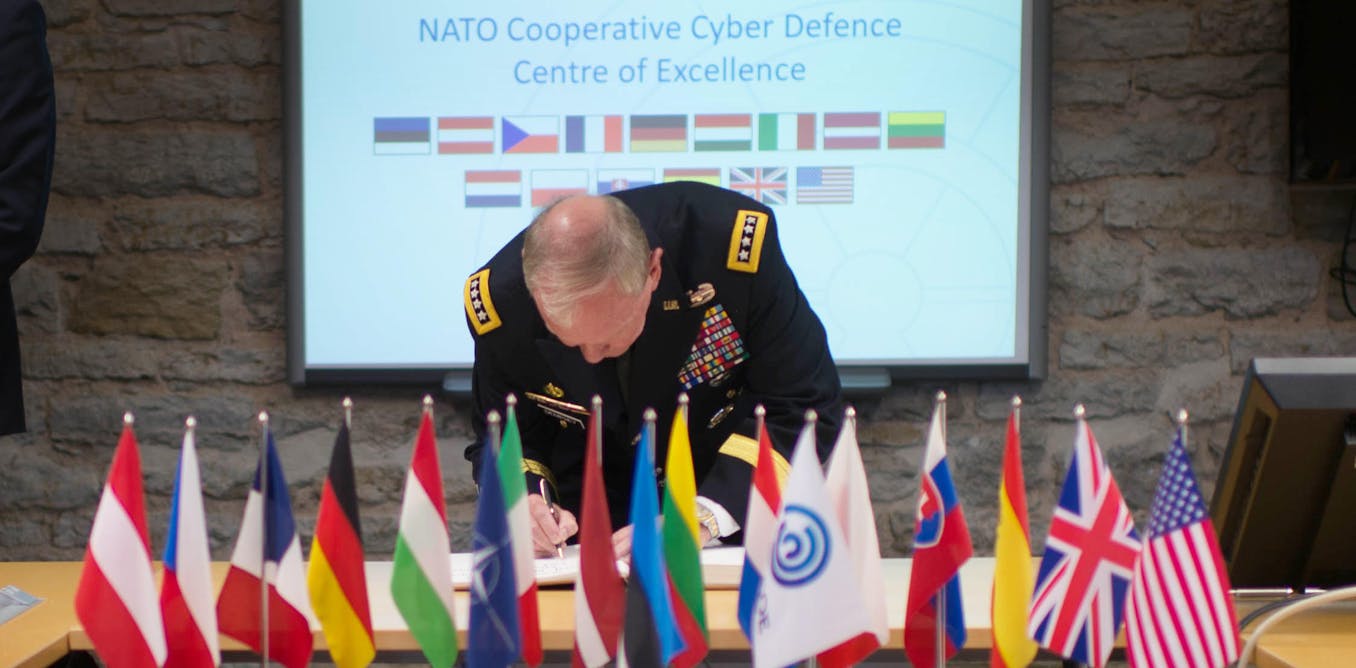
Estonia faced one of the first major state-linked cyber-attacks in 2007, which prompted it to become a global leader in cybersecurity, ranking fifth worldwide. The UK, though recently boosting funding and launching a Cyber Action Plan, remains vulnerable with many public sector IT systems critically exposed and cyber-attacks increasing sharply. The UK struggles to compete with private-sector pay rates for cybersecurity talent and faces escalating threats from state-linked groups using AI-enhanced attacks. The US and Australia lead in cyber-defense spending and policies, emphasizing rapid incident reporting, AI monitoring, and government-private sector cooperation. Russia's cyber warfare has intensified across Europe, while China favors covert, long-term espionage.
Estonia | Financial services
Which countries are best-placed to resist state-supported cyber-attacks? A government advisor explains
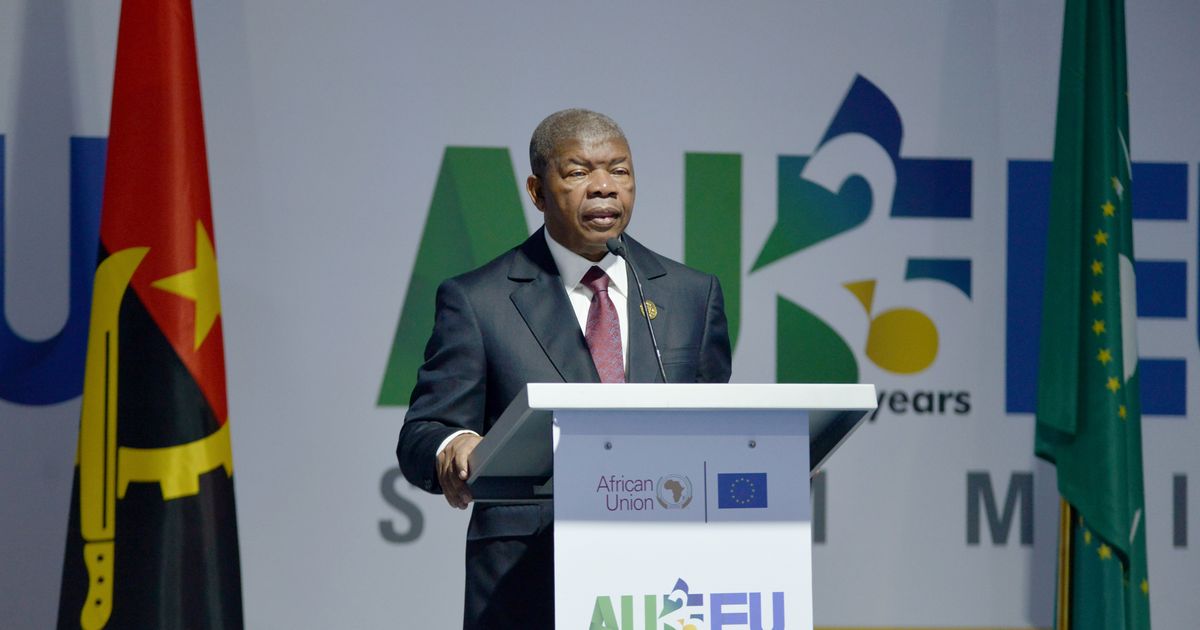
African governments are asserting greater strategic confidence in the geopolitical competition for critical raw materials, aligning resource policies with industrial goals and seeking deeper value chain integration. The African Union’s 2025 African Green Minerals Strategy promotes local value creation, regional supply-chain integration, and sustainable mineral development. After the 2025 AU-EU Summit reaffirmed commitments, the EU’s Critical Raw Materials Act expanded diplomatic efforts but faces challenges due to limited project pipelines and fragmented funding under the Global Gateway, hindering its ability to compete with China, Gulf States, and the US. Strengthening internal coordination and financing within the EU’s next Multiannual Financial Framework is essential to enhance cooperation with Africa’s industrial ambitions and ensure European resilience.
Benin, Cameroon, Eswatini, Ghana, Malawi, Mauritania, Mozambique, Namibia, Senegal, South Africa | Financial services
Strategic Raw Material Cooperation between Africa and Europe
DCAF and the NATO Parliamentary Assembly published a report analyzing democratic governance and oversight of intelligence agencies with law enforcement powers in the Euro-Atlantic area. The study highlights that effective intelligence supervision requires legitimacy, transparency, and multi-layered accountability, not just institutional design. It provides a framework exploring the blurred boundaries between intelligence and law enforcement, examining historical, legal, and normative contexts. Oversight mechanisms involving parliaments, governments, courts, and civil society are reviewed alongside case studies from eight countries, revealing diverse institutional arrangements that uphold transparency and respect for rights. The report concludes that political will, expertise, and cooperation among oversight bodies are crucial for robust accountability.
Intelligence oversight in the Euro-Atlantic area: Extending to law enforcement functions
AI-driven applications are enabling Mexico’s informal workers, who make up about 55% of the workforce, to enter the formal economy by simplifying access to social security, healthcare, and financial services. These tools reduce bureaucratic hurdles with AI-powered virtual assistants and facial recognition, allowing workers like street vendors to register and enroll remotely. Fintech innovations use AI to assess creditworthiness without traditional records, expanding financial inclusion for the unbanked. Additionally, reforms supported by AI integration are formalizing gig economy workers by automating their enrollment in social security systems, improving labor protections and financial opportunities.
Education
AI tools are helping Mexican workers move into the formal economy
Public discourse around AI, especially since ChatGPT’s launch, has been marked by exaggerated claims that misrepresent its technical capabilities and obscure its social and political implications. AI does not learn or possess agency like humans, and conflating machine output with human intelligence creates misleading expectations. Broad claims that AI affects “humanity” ignore differential impacts on vulnerable groups, limiting political mobilization. Depicting AI as autonomous obscures human roles in its development and narrows democratic debate. Economic narratives linked to AI often uncritically reflect entrenched capitalist values, restricting alternative futures. Finally, framing AI developments as urgent stifles thoughtful policy responses, impeding democratic governance and control.
Education
Should you believe the AI hype? Probably not
Displacement exposes individuals to severe psychological distress due to violence, unsafe living conditions, and uncertainty. This distress not only affects the displaced but also threatens social cohesion and economic stability in host communities and home countries. Mental health and psychosocial support (MHPSS) are often overlooked in humanitarian efforts, despite their potential to enhance social coexistence and support peace processes. The humanitarian-development-peace (HDP) nexus underscores the importance of integrating MHPSS in displacement situations to foster recovery, economic independence, and reduce the long-term impacts of trauma on individuals and society.
MHPSS – A Resource for Peace
Clean energy sectors contributed 15.4 trillion yuan (US$2.1 trillion) in 2025, equivalent to 11.4% of China’s GDP, playing a critical role in driving the country’s economic growth. Without this sector, GDP growth would have been just 3.5% instead of the targeted 5%. The clean energy industry saw rapid growth, nearly doubling from 2022 to 2025, with electric vehicles (EVs) and batteries being the primary contributors, accounting for 44% of the economic impact. Investments in clean energy reached 7.2 trillion yuan, significantly outperforming fossil fuel investments. However, concerns about potential slowdowns and overcapacity remain.
Canada, India
Analysis: Clean energy drove more than a third of China’s GDP growth in 2025

On November 20, 2025, the Bishkek Declaration initiated negotiations for the CAREC Trade and Investment Facilitation Partnership Agreement (CARTIF), aiming to enhance regional economic cooperation among CAREC countries. Despite a doubling of intraregional merchandise exports from 2015 to 2024, intraregional trade remains static at 6% of total merchandise trade. While countries like Mongolia, Pakistan, and Uzbekistan saw net foreign direct investment increases, others experienced declines. CARTIF seeks to address persistent barriers such as tariffs, service regulation discrepancies, and transit trade issues, fostering a legal framework for better cross-border trade and investment facilitation in alignment with WTO standards and beyond.
Financial services
CARTIF: A Potential Catalyst For Cross-Border Trade and Investment in the CAREC Region