Call to Action - Commitments

Discover all the commitments made to date by our Call to Action partners. Progress on these commitments is tracked and updated annually using a methodology developed in partnership with the Boston Consulting Group. 

The next Call to Action progress update, featuring the endorsing organizations, will take place during the World Economic Forum's Annual Meeting of 2027 in Davos-Klosters, Switzerland. It will create a powerful opportunity to shine a global spotlight on endorsers’ contributions, elevate best practices, and reinforce momentum for collective impact.

Featured commitments

2024 Investments in frontier markets 

Proparco

In 2024, Proparco reaffirmed its commitment to investing in frontier markets with a renewed dedicated strategy approved in April 2024 and additional commitments totaling more than 474 million EUR in frontier markets (LDCs and/or FCS countries), including approx. 282 million EUR in Fragile and Conflict Affected States in 2024. 

Notable investments included €19.5 million for the first independent solar power plant in Chad, contributing to the country’s renewable energy transition, and a partnership with Grameen Credit Agricole Foundation to support two microfinance institutions in Uganda. This initiative aims in particular to enhance financial services for refugees and host communities.

HRI Roadmap for Africa 

African Development Bank

The African Development Bank (AfDB)  partnered with the HRI initiative to develop the HRI Roadmap for Africa, a collaborative framework to mobilize investments in Africa’s frontier markets. It seeks to address the persistent challenges of underinvestment and vulnerability in fragile regions by fostering partnerships between local ecosystem in support of investment opportunities in these markets.

Between 2025 and 2026 the AfDB and HRI Initiative teams will focus on establishing the internal coordination mechanisms to launch up to five Country Alliances and refine the approach based on lessons learned. Between 2027 and 2030 the refined Roadmap will be implemented through up to ten Country Alliances.

Sharia-compliant credit fund

One Earth Future

One Earth Future (OEF) provides growth capital and technical assistance to SMEs in fragile and conflict-affected settings, utilizing a sharia-compliant private credit fund structure. Between now and 2030, OEF intends to place $200 million with 220 SMEs in fragile and conflict-affected settings.

The investments will focus on East Africa, in sectors including Agribusiness, education, health, light industry, renewables, re-greening, waste management, water and sanitation. OEF believes that, with the right support, SMEs can be a driving force for peace and prosperity in their countries.
Commitments

AfricInvest has forged a strategic collaboration with Bridgespan, supported by DEG Impact, to develop an innovative Impact Measurement and Management (IMM) methodology, known as the Multiple of Impact (MOI), which quantifies the value created by social and environmental initiatives. The MOI approach represents an advancement and customization of the monetization method that Bridgespan and TPG Rise co-developed and published on in Harvard Business Review back in 2017. Functioning much like an Internal Rate of Return, MOI assesses the environmental and social value generated per dollar invested. It captures both the beneficial and adverse impacts, essential in navigating the realities of a Just Net Zero transition. The MOI initiative supports three key capabilities: 1.	Comprehensive Measurement: It yields a singular figure that encompass both positive and negative social and environmental impacts generated by an investment. 2.	Impact Drivers: It identifies which products, services, or activities drive the greatest impact, offering valuable insights into optimizing strategies. 3.	Streamlined Reporting: The MOI enables rigorous, apples-to-apples reporting, allowing investors like AfricInvest to measure and compare the impact of investments in a streamlined manner. It aggregates data without compromising essential details that inform decision-making. AfricInvest and Bridgespan are convening a working group to further advance the methodology and promote broader implementation of MOI in the African market. This working group, comprising stakeholders, has two primary objectives: 1) Enhancing the technical approach of the MOI, and 2) Strategizing on how to broadly translate the MOI concept to the field, with a specific focus on adapting it to the African continent.Supporting partners include: Bridgespan, DEG Impact 
Monetizing and Measuring Impact
AfricInvest, Bridgespan Group
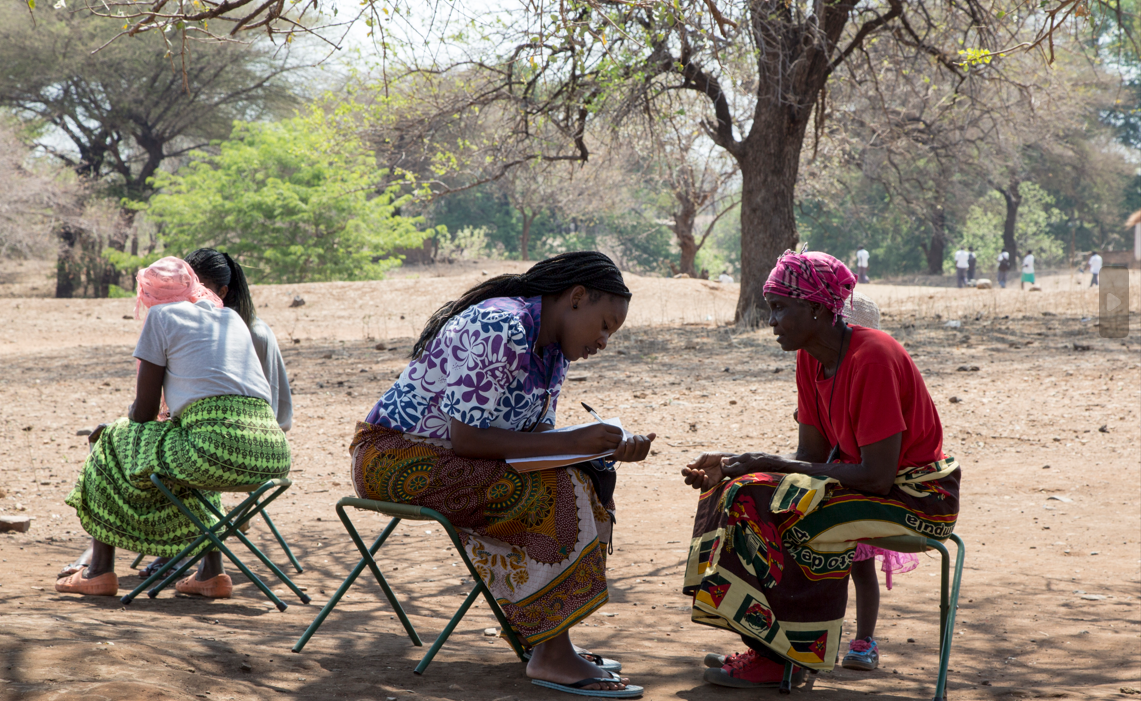
By 2030, elea aims to triple its impact by collaborating with 100 impact entrepreneurs to reach more than 100m people. elea will continue investing in inspiring entrepreneurs working across topics and regions to bring transformational change in people’s life trajectories. Key levers to triple elea’s impact include growing regional hubs in South Africa and Mexico, reinvesting capital from exits, and fostering an ecosystem of sharing and learning in the elea Entrepreneurs’ Community.Picture copyright David Brazier & Bio Innovation Zimbabwe
ASEAN, Africa, Latin America | Food & agriculture, Health, Energy, Food & Retail, Retail, Supply Chain & Transportation, Technology
Impact through entrepreneurship
elea Foundation for Ethics in Globalization
Building on its proven track record of leveraging its convening power to establish innovative networks, address market barriers, and share actionable insights, Lightrock aims to bring together high-potential frontier market companies and broader ecosystem participants in 2024, with a specific focus on Africa. The primary objective is to educate founders and operators on sustainable business scaling while maintaining profitability. This knowledge-sharing effort seeks to tap into Lightrock's extensive experience in scaling purpose-driven companies, with a particular emphasis on the unique challenges and opportunities present in the African market. Insights from its portfolio company founders, many of whom are leaders in their respective markets, will play a crucial role. These founders have successfully closed some of the largest funding rounds for growth-stage companies in their specific frontier markets across the continent. The initiative is designed to offer clear and actionable guidance for African companies developing growth and talent retention strategies. Additionally, it will provide insights into the critical factors for successful fundraising and navigating M&A opportunities within the African business landscape. The support and assistance for these companies will be delivered through a program of in-person and virtual engagements.
Africa
Lightrock Africa Ecosystem Convening 2024
Lightrock
Finance for Peace works with partners to catalyse a market for peace-positive investment. Peace-positive investment can de-risk investments in emerging markets and fragile settings for both investors and communities. An initiative of Interpeace, Finance for Peace works collectively with partners to create standards, market intelligence and partnerships across sectors to build trust in the market, share knowledge and establish networks. In 2024, as part of its commitment to WEF’s Humanitarian Resilience Initiative, Finance for Peace and Interpeace will work with the African Development Bank to implement and operationalise a MOU including the following commitments: •	Launch a pioneering Peace Financing Vehicle in 2024 that mobilizes resources at scale from the capital markets in line with the Security-Indexed Investment Bonds Initiative. •	Working with partners such as the UN Capital Development Fund, Finance for Peace will provide technical support toward the launch of Peace-Positive Investment Fund. By jointly creating a pipeline of peace positive sovereign and non-sovereign operations and jointly engaging in resource mobilization and advocacy, Finance for Peace seeks to grow wider investment in emerging and fragile markets. Design work for peace positive investment will be piloted in Mozambique in 2024.Supporting partners include: African Development Bank (AFDB), United Nations Capital Development Fund (UNCDF)
Mozambique
Catalysing a Market for Peace Finance
Interpeace, African Development Bank Group, United Nations Capital Development Fund (UNCDF)
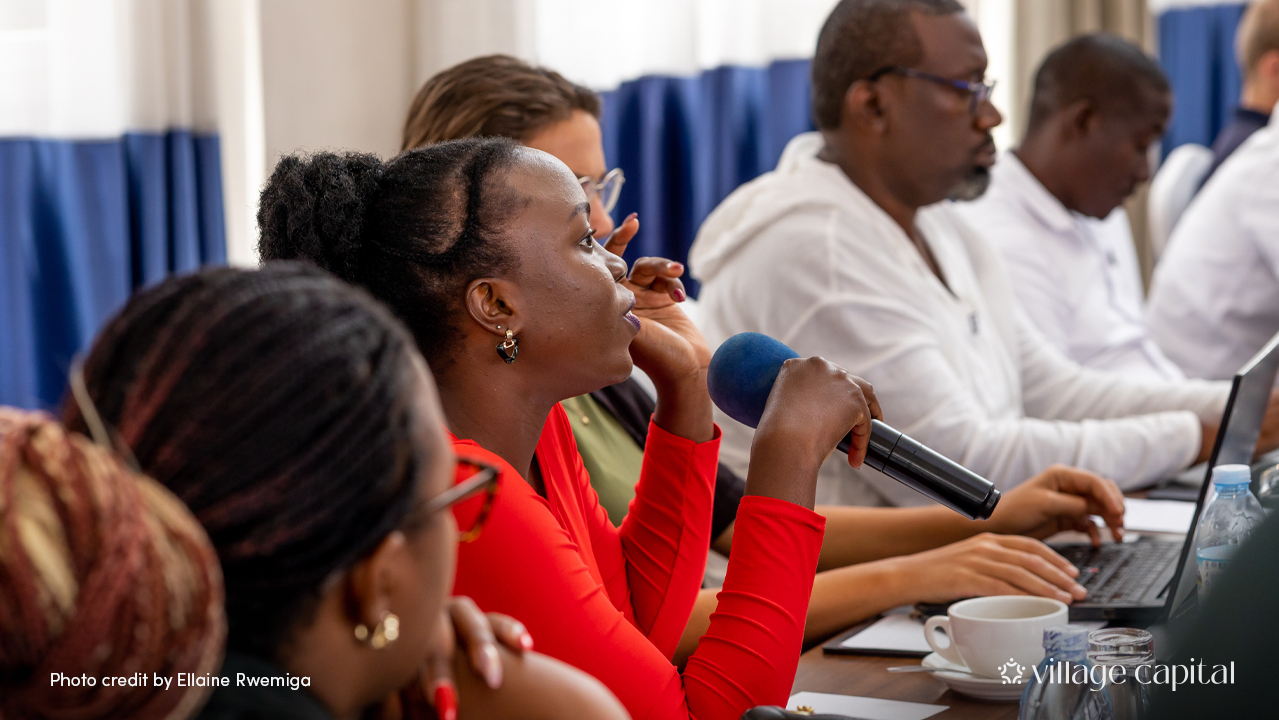
2024 update:In 2024, we completed Phase One of the initiative to identify 14 high-performing community-led entrepreneur support organizations. These 14 ESOs from Ghana, Kenya, Malawi, Mozambique and Tanzania worked collaboratively on ecosystem-specific problem statements and strategies to best identify and support high-potential startups in their ecosystems. In addition, these organizations benefited from Village Capital’s strategic support and deep dives with world-class Thematic Experts in blue economy, renewable energy, climate adaptation and food security. We have just completed the selection of one ESO partner per market to co-lead Venture Programs in 2025-26. Each of the five selected ESO Partners will receive up to US$260,000.00 in funding to contribute towards their team time, workshops for ventures and startup grants in their market. Two nominated members of each ESO Partner will effectively come on secondment with Village Capital (up to 70% of their time) as part of the program teams. They’ll get deep exposure to our way of supporting startups, in addition to contributions to leadership team time to participate in key activities such as venture selection, program design and facilitation.Commitment:In 2024, Village Capital will launch a three-year initiative focused on building capacity for more than a dozen Entrepreneur Support Organisations (ESOs) in Kenya, Ghana, Malawi, Mozambique, and Tanzania focused on leadership development, technical climate-focused training, and organizational management. The initiative will result in direct entrepreneurship support training for 500 high-growth potential, climate-focused startups and is intended to catalyze and mobilize $100M in follow-on capital for climate-focused startups, including via an innovative Venture Partner Model.
Kenya, Tanzania, Mozambique, Malawi, Ghana | Food & agriculture, Energy
Capacity Building for Entrepreneur Support Organisations
Village Capital
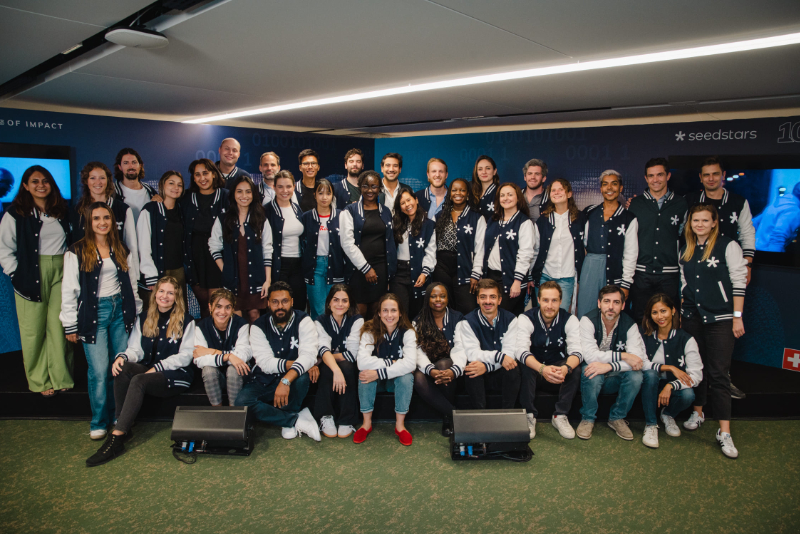
To bridge the gap between project potential and investment readiness, ensuring a higher rate of successful investments in frontier markets, Seedstars commits to work to improve the bankability of projects in frontier markets by facilitating collaboration between investors, investment facilitators, donors, and foundations, enhancing their ability to attract and absorb return-seeking capital. Key activities will include: Organize workshops and roundtable discussions between DFIs, investment facilitators, donors, and foundations to identify challenges and opportunities in improving project bankability. Develop and implement training programs for local enterprises to meet investment readiness criteria. Establish a framework for assessing and enhancing the bankability of projects, including risk mitigation strategies. Through this work, Seedstars aims to improve project readiness for investment in frontier markets, increase investment in projects that were previously considered non-bankable, and establish stronger partnerships and understanding between diverse financial stakeholders.Supporting partners include: Deutsche Gesellschaft für Internationale Zusammenarbeit (GIZ), Visa Foundation, European Bank for Reconstruction and Development (EBRD), International Finance Corporation (IFC), Millenium Challenge Corporation (MCC), CAF - Development Bank of Latin America and the Caribbean, Corfo, Tetra Pak, Krealo
Collaborative Enhancement of Project Bankability in Frontier Markets
International Finance Corporation, Seedstars, German Agency for International Cooperation (GIZ), Tetra Pak, Corporacion de Fomento de la Producion (CORFO), Development Bank of Latin America (CAF), Millennium Challenge Corporation (MCC), European Bank for Reconstruction and Development (EBRD), Visa Foundation
Seedstars commits to supporting the alignment of investment instruments of investors, creating partnerships that de-risk investments and facilitate the flow of capital into smaller, high-impact deals in frontier markets. Key activities will include: Establish a forum for investors to discuss and align their investment strategies. Develop standardized risk assessment frameworks to simplify and accelerate the investment process. Create co-investment funds or mechanisms that specifically target smaller deals, offering shared risk and diversified portfolios. Through this work, Seedstars aims to contribute to increased number of smaller deals receiving funding, enhanced understanding and collaboration between investors, and more efficient deployment of capital towards impactful ventures in frontier markets.Supporting partners include: Deutsche Gesellschaft für Internationale Zusammenarbeit (GIZ), Visa Foundation, European Bank for Reconstruction and Development (EBRD), International Finance Corporation (IFC), Millenium Challenge Corporation (MCC), CAF - Development Bank of Latin America and the Caribbean, Corfo, Tetra Pak, Krealo
Strengthening Investor Partnerships for Smaller Deal Engagement
European Bank for Reconstruction and Development (EBRD), Seedstars, Millennium Challenge Corporation (MCC), Tetra Pak, German Agency for International Cooperation (GIZ), Corporacion de Fomento de la Producion (CORFO), Development Bank of Latin America (CAF), International Finance Corporation, Visa Foundation
2024 Update:Capital budgeted to be invested: $3.6 millionCapital disbursed: $1.6 millionExpected impact:•	Support 310 youth (160 in Ghana; 150 in Uganda)•	Train, coach, and provide catalytic grants to 49 entrepreneurs (36 in Ghana; 13 in Uganda);•	Attract $1.1 million ($500,000 in Ghana; $600,000 in Uganda) in direct investments; and•	Provide safe water products and services to 478,000 people (203,000 in Ghana; 275,000 in Uganda).•	Support at least 15 enterprises to scale their operations using microloans, with 70% repaying their loans.•	Initiate a network of, at least, 45 stakeholders (20 from Ghana; 25 from Uganda) who meet several times per year; and•	At least 750 stakeholders (300 in Ghana; 450 in Uganda) attend events.Commitment:Build an entrepreneur pipeline in Uganda and Ghana and help identify and scale innovative models to deliver safe water services to hard-to-reach rural communities as follows:Support entrepreneurs:Attract youth to entrepreneurship through hackathons and incubation programsTrain, coach, and provide catalytic grants to entrepreneursAttract direct investments to enterprisesOffer safe water products and services to citizens.Facilitate partnerships:Organize regular stakeholder coordination meetings; andOrganize events and invite government, non-government, and private sector stakeholders.Supporting partners include: cewas and Young Water Solutions
Uganda, Ghana
Scaling Innovative Safe Water Models Targeting Vulnerable Populations
Conrad N. Hilton Foundation
2024 update:Capital budgeted to be invested: $6.5 millionCapital disbursed: $3.8 millionExpected impact:	Establish results-based contracts with at least 22 operators providing reliable water services to five million people;•	Ensure that 77,000 waterpoints work at least 96 percent of the time; and•	Enroll 12 water operators in a pilot to use results-based subsidies based on water quality targets.Engage governments and the private sector in the expansion of results-based models (pillar 1).•	50 percent of funding for results-based subsidies come from non-traditional sources; and•	4 governments execute results-based contracts.Commitment:Provide reliable and safe water services to vulnerable rural populations through results-based subsidies to contracted service providers:Establish results-based contracts with water service providersEnsure that waterpoints are in good working conditionEnroll water service providers in a pilot to test the use of results-based subsidies based on water quality targets.Engage governments and the private sector in the expansion of results-based models:Ensure results-based subsidies from non-traditional sources (corporate or government financing)Support governments to execute results-based contracts with water operators.Supporting partners include: Uptime Catalyst Facility
Ghana, Uganda
Safe Water Service Delivery and Global Financing of Rural Water Services
Conrad N. Hilton Foundation
2024 update:Capital budgeted to be invested: $1.1 millionCapital disbursed: $600,000Expected impact:•	86,500 people access safe water products and services; •	$2.6 million in capital mobilized;•	17,300 loans disbursed;•	865 micro, small, and medium enterprises supported; and•	2,595 new jobs created.Commitment:Provide technical assistance to microfinance institutions for safe water lending:Develop procedures for safe water loansTrain staff on procedures and productsEstablish a safe water monitoring and data management unitDevelop marketing business plans.Fund risk capital:Provide risk capital to banks through matching contributionsSolicit expressions of interest from banks.Design support grants:Provide initial liquidity to accelerate growth of safe water loan portfoliosSupport learning documentation and dissemination and monitor impact.Supporting partners include: Aqua for All
Ethiopia | Financial services
Commercial Financing for Pro-poor Rural Safe Water
Conrad N. Hilton Foundation, Aqua for All
2024 update:Capital budgeted to be invested: $1.3 millionCapital disbursed: $700,000Expected impact:·       Facilitate agreements with 8 local governments. ·       Serve 250,000 people across 1,000 communities with reliable and sustainable service;·       Waterpoints exceed 95 percent functionality;·       Ensure 85 percent of breakdowns are fixed within 24 hours; and85 percent of customers report they are happy with water services. Commitment:Provide a model of pro-poor, reliable, and professional rural water provision.Engage government and non-government actors to align actions with the government’s policy for rural water services (pillar 1):Facilitate agreements between local governments and operators and mobilize communities to comply with fee payment against servicesHold multi-stakeholder reviews and track stakeholder compliance with government’s policy. Provide 24/7 safe water to communities enrolled in operation agreements (pillars 2 and 3)Serve vulnerable people with reliable and sustainable serviceEnsure that breakdowns are fixedCustomers report they are happy with their water service.Supporting partners include: Whave Solutions
Uganda
Scale 24/7 Professional Water Service Provision in Rural Areas
Conrad N. Hilton Foundation
The HRI Initiative and the World Economic Forum Giving to Amplify Earth Action (GAEA) are entering a new partnership to convene private public philanthropic partnerships to support and scale projects addressing the impacts of the global climate and nature crisis on our most vulnerable communities.Supporting partners include: Acumen, Bamboo Capital Partners, Giving to Amplify Earth Action (GAEA), International Committee of the Red Cross (ICRC), International Rescue Committee (IRC), Private Infrastructure Development Group (PIDG), United Nations Refugee Agency (UNHCR)
Food & agriculture, Energy, Food & Retail, Supply Chain & Transportation
Scaling Action at the Intersection of Climate and Humanitarian Impact
World Economic Forum
The continuum of impact capital spans a spectrum of commercial and catalytic capital that prioritizes financial returns alongside positive social or environmental outcomes, playing a crucial role in advancing market-driven solutions in frontier markets. Beyond funding, capital providers offer technical assistance and guidance to prepare businesses for the next growth stage, where partnerships are vital in addressing inefficiencies, sharing risks, and enhancing profitability. By recognizing the role of diverse capital types at different business stages, providers can collaborate to build and share investment pipelines, leveraging contextual knowledge, local relationships, and trust. However, pipeline sharing is complex, often hindered by misaligned criteria, trust issues, or low-quality opportunities, and it thrives on trusted relationships and tailored convenings rather than technological shortcuts. To address these challenges, the HRI Initiative commits to support increased collaboration amongst impact capital providers by facilitating co-investment opportunities and pipeline sharing through structured platforms for investor collaboration, fostering trust, and visibility of vetted opportunities, thereby unlocking impactful investments. This will be done through a new series of investor roundtables, and pipeline and investment vehicle mappings, and driving impactful outcomes in traditionally under-invested markets.Supporting partners include: EY, elea Foundation for Ethics in Globalization, Investisseurs et Partenaires (I&P), Private Infrastructure Development Group (PIDG), Africa Finance Corporation (AFC)
Facilitating Collaboration amongst Impact Capital Providers
World Economic Forum
The Collaborative for Frontier Finance (CFF) will produce novel insights and curate resources to help build the case for investment in small and growing businesses through local capital providers in frontier markets, increasing market transparency, and providing access to practical tools for fund managers, funders, and field builders. This includes a flagship Annual Local Capital Provider Survey on small business finance in Africa and the Middle East.
Market Insights into Local Capital Providers Investing in Small and Growing Businesses in Frontier Markets
Collaborative for Frontier Finance
Seedstars and Visa Foundation announced the launch of the SEED (Seedstars Entrepreneurship Ecosystem Development) Inclusivity Program, aimed at supporting entrepreneurs with disabilities and disability-focused businesses across Asia, focusing on India, Indonesia, and Vietnam. Entrepreneurship can drive inclusive economic growth and create employment opportunities. However, entrepreneurs with disabilities face significant barriers. These include limited access to finance due to biases, inadequate support networks, lack of tailored resources, and societal stigmas. These challenges collectively create an unsupportive environment that hinders entrepreneurs' potential to start and grow successful businesses.To address these challenges and unlock the untapped potential of entrepreneurs with disabilities, the SEED Inclusivity Program will provide comprehensive support through capacity building, access to financing pathways, and ecosystem development. This initiative draws on Seedstars’ successful collaboration with MADA (Assistive Technology Center Qatar) in the MENA region, which focused on enhancing digital access for persons with disabilities and the elderly. That program identified and promoted innovative solutions, improving access to education, cultural activities, and various services. The SEED Inclusivity Program aims to replicate and expand on this success, fostering digital inclusion and driving social impact in Asia by supporting entrepreneurs who are developing accessible technologies and services.Impact:The program aims to support 45 high-impact founders through its comprehensive Seedstars Growth Program. Divided into three cohorts of 15, participants will have access to digital content, expert-led masterclasses, one-on-one mentorship, hands-on learning, and support from disability experts.The program is designed to be inclusive and diverse with a goal to have 40% of participants be entrepreneurs with disabilities and 30% be women-led businesses.
India, Indonesia, Viet Nam | Financial services
SEED Inclusivity Program
Seedstars
1. The IFRC network will support at least 500 million people to increase their resilience to the impacts of climate change and improve their adaptive capacities in the most climate vulnerable countries. 2. The IFRC network will support at least 100 National Red Cross and Red Crescent Societies in developing and implementing climate resilient strategies and plans. This includes ensuring resources, knowledge and skills are available to “last mile” communities.3. The IFRC network will support meaningful participation and active leadership of women, local communities, Indigenous Peoples, youth and other marginalized and/or underrepresented groups in the development and implementation of locally-led climate resilience programmes in 100 countries.4. The IFRC network will raise at least CHF 1 billion in financing to support a five-year global programme to scale up local and community-based climate action.This is a global initiative. A total of 59 countries are benefitting from funding under the GCRP, with most funds going to the Africa region (27 countries), then Asia-Pacific (11 countries), the Americas (10 countries), MENA (4 countries) and Europe (7 countries). 32 of these 59 countries feature on the ND-GAIN Index of 100 most climate vulnerable countries.
Global
Global Climate Resilience Platform
International Federation of Red Cross and Red Crescent Societies (IFRC)
FASA (or “Financing for Agri-SMEs in Africa”) is a fund of funds which aims to unlock financing for agricultural Small and Medium Enterprises across Africa, by supporting investment funds that are active in the sector.Our strategy:Providing catalytic capital and technical assistance to investment funds, which will in turn empower businesses operating within agricultural value chains in Africa.Investment strategy:FASA supports both emerging and established fund managers raising funds across any asset class, currency or region, provided they focus on Africa’s agricultural sector. FASA’s capital is therefore channelled to agri-SMEs in Africa through the investment funds.For each selected investment fund, FASA provides from $2M to $10M of subordinated capital, mainly in the form of junior equity, alongside capacity building and technical assistance. For the avoidance of doubt, FASA does not provide grants. In addition, FASA provides capacity building and technical assistance to the fund managers and their agri-SME portfolios.Capital budgeted to be invested: $80 millionTarget: 10 funds funded and 500 businesses funded through these funds.Partners: CGIAR (agriculture and climate partner), donors: USAID, NORAD, FCDO, KOICA
Africa
FASA Fund
Investisseurs & Partenaires (I&P)
AfricInvest strives to provide attractive risk-adjusted returns while supporting African entrepreneurs in driving inclusive and sustainable growth. Managing $1.2 billion in impact capital, AfricInvest is committed to catalyzing further investment into African frontier markets and fostering long-term economic resilience.In addition to their investment activities, the organization has played a crucial role in advancing the investment ecosystem in Africa, with a focus on private investments. They have established local and regional associations for private equity and venture capital, including the African Venture Capital Association (AVCA) and the Global Private Capital Association (GPCA).
Africa
AfricInvest - Investments in frontier markets
AfricInvest Group - AfricInvest Global Mando
One Earth Future (OEF) provides growth capital and technical assistance to SMEs in fragile and conflict-affected settings, utilizing a sharia-compliant private credit fund structure. Between now and 2030, OEF intends to place $200 million with 220 SMEs in fragile and conflict-affected settings.The investments will focus on East Africa, in sectors including Agribusiness, education, health, light industry, renewables, re-greening, waste management, water and sanitation. OEF believes that, with the right support, SMEs can be a driving force for peace and prosperity in their countries.

Africa
Sharia-compliant credit fund
One Earth Future