
Our insights on responsible governance and integrity

Articles

Videos

Creating Certainty in an Uncertain World: The Evolving Role of Gatekeepers.

OECD Global Anti-corruption and Integrity Forum 2025

Powering the Future: Integrity to Drive Net Zero

World Economic Forum - Strategic Intelligence 2025

The Integrity Advantage: A Blueprint for SMEs

World Economic Forum - Strategic Intelligence 2024

Business integrity in real estate: Tackling illicit financial flows

World Built Environment Forum 2024

Navigating Compliance Amidst Global Uncertainty

World Economic Forum - Strategic Intelligence 2024

Being Honest about Governance

World Economic Forum - Annual Meeting 2024

Defending Transparency

World Economic Forum - Annual Meeting 2023

Investing Responsibly in Sustainable Governance 

World Economic Forum - Annual Meeting 2022

The Role of Anti-Corruption Amid the ESG Revolution

International Anti-Corruption Conference (IACC) 2022

What’s Next for Tech for Integrity: Emerging Opportunities, Persisting Challenges & Potential Risks

International Anti-Corruption Conference (IACC) 2022

Uniting Gatekeepers Against Illicit Financial Flows – A Framework for Action

UN Special session of the General Assembly against corruption 2021

In Good Governance We Trust 

World Economic Forum - Sustainable Development Impact Summit 2021

Corruption and Democracy

World Economic Forum - Annual Meeting 2020

Publications

Investing in Integrity in an Increasingly Complex World: The Role of Anti-Corruption amid the ESG Revolution

June 2022

Defining the ‘G’ in ESG: Governance Factors at the Heart of Sustainable Business

June 2022

The Role and Responsibilities of Gatekeepers in the Fight against Illicit Financial Flows: A Unifying Framework

June 2021

Podcasts

Transformation maps

Transformation Maps are the World Economic Forum’s dynamic knowledge tool  driven by an intelligent system that lets users explore and make sense of complex and interlinked forces that are transforming economies, industries and global issues. The map below present insights on governance topics written by experts.

Learn more 

AI is being used in European procurement to detect, prevent, and investigate corruption by targeting entrenched patronage networks. These AI tools are now critical in the EU enlargement process, where candidate countries must demonstrate credible enforcement to receive pre-accession funds. The European Public Prosecutor’s Office employs AI to probe financial crimes but faces bureaucratic challenges limiting its effectiveness. Ukraine’s open-source e-procurement system Prozorro, enhanced with machine learning, is a leading example of AI-integrated anti-corruption reform that involves civil society in oversight. Albania has even appointed an AI chatbot to oversee public procurement, illustrating political willingness to experiment with AI governance. The key challenge remains political: ensuring authorities allow AI systems to act on their findings.
Financial services
AI can help tackle corruption in Europe – but only if politicians let it do its job
The sacking of Foreign Office chief Olly Robbins by Keir Starmer highlights a severe breakdown in the traditionally strong relationship between UK ministers and civil servants. This crisis, exacerbated by Robbins’ failure to inform Starmer of Peter Mandelson’s vetting issues, reflects long-standing tensions. These have worsened since Brexit and the previous government's adversarial approach, notably under Dominic Cummings. Starmer, despite his civil service background, has so far failed to mend these ties, partly due to unclear government strategy and mixed policy signals. The civil service struggles with diminished capacity, detachment from frontline realities, and growing mistrust, undermining its ability to effectively advise ministers and speak truth to power.
What Mandelson vetting row reveals about escalating tensions between ministers and civil servants
Defense personnel management systems must maintain merit, integrity, and accountability during wartime despite the need for procedural flexibility. This involves applying competency-based frameworks for recruitment and evaluation, carefully managing senior leadership appointments to balance professional and political oversight, and identifying corruption-sensitive key positions to mitigate risks. Although wartime conditions compress timelines and increase pressure, personnel systems must adapt without compromising transparency and ethical standards. Practical design options drawn from comparative practices support resilient, effective, and integrity-based human resource management in defense institutions amid conflict.
HRM in defense institutions as part of wartime integrity building
Research on Italian municipalities shows that local governments colluding with organized crime do not receive less overall EU funding; rather, they receive about 93% less in projects allocated directly to local authorities. Funding shifts away from large, closely monitored projects (above €150,000) that trigger stricter anti-mafia scrutiny, leading colluding officials to strategically avoid them. Instead, funds still flow but are directed to private actors or other public bodies, bypassing compromised local governments. These findings indicate that while anti-mafia regulations limit organized crime’s direct access to public investment, collusion continues to distort how EU funds are allocated and used.
Latin America
Mafia, local governments and money – how fighting collusion reshapes EU investment
Corruption remains deeply entrenched in Ukraine despite Russia’s war and specialized anti-corruption institutions. Recent scandals and government reshuffles reveal that fighting corruption is not a political priority, as appointments often reflect loyalty and expertise rather than anti-corruption commitment. Ukraine’s governance model, characterized by oligarchic influence and weak separation of powers, impedes rule of law reforms. Sustainable anti-corruption efforts require a broader overhaul, including judiciary independence and accountable institutions. Such transformation is essential for Ukraine’s EU accession and demands coordinated efforts from Kyiv and Brussels.
Ukraine
The Rule of Law in Ukraine – More Than Combating Corruption
Emerging economies face a complex global technology governance landscape as AI, quantum computing, and synthetic biology become national security concerns, challenging access to knowledge and international collaboration. While geopolitical tensions strain partnerships, fields like health and climate offer opportunities for cooperation, exemplified by vaccine production during COVID-19. Premature import substitution policies risk strengthening entrenched firms and harming consumers. Effective industrial policy requires transparent, accountable governance to avoid politicized resource allocation. Strategic international collaboration and tailored development approaches are crucial for emerging economies to build technological sovereignty and advance their capabilities.
Algeria, Angola, Armenia, Australia, Austria, Azerbaijan, Bahrain, Bangladesh, Barbados, Belgium, Benin, Bolivia, Botswana, Brunei Darussalam, Bulgaria, Burkina Faso, Cambodia, Chad, Chile, Colombia, Costa Rica, Czech Republic, Denmark, Dominican Republic, Ecuador, Egypt, El Salvador, Estonia, Eswatini, Ethiopia, Finland, Gabon, Georgia, Germany, Ghana, Greece, Guatemala, Guinea, Haiti, Honduras, Hungary, Iceland, India, Indonesia, Ireland, Israel, Jamaica, Japan, Jordan, Kazakhstan, Kenya, Kyrgyz Republic, Latvia, Lebanon, Lesotho, Lithuania, Luxembourg, Madagascar, Malawi, Malaysia, Mali, Malta, Mauritania, Moldova, Mongolia, Montenegro, Morocco, Mozambique, Namibia, Nepal, Netherlands, New Zealand, Nigeria, Norway, Oman, Pakistan, Panama, Paraguay, Peru, Philippines, Poland, Portugal, Qatar, Republic of Korea, Romania, Russian Federation, Rwanda, Saudi Arabia, Senegal, Serbia, Seychelles, Singapore, Slovakia, South Africa, Spain, Sweden, Switzerland, Taiwan, China, Tajikistan, Tanzania, Thailand, Trinidad and Tobago, Tunisia, Türkiye, Uganda, Ukraine, United Arab Emirates, United Kingdom, Uruguay, Venezuela, Viet Nam, Yemen, Zambia, Zimbabwe | Health, ICT, Financial services, Education
Building Bridges—Not Walls—for Technological Sovereignty
Modern capitalism faces three critical challenges: anthropogenic climate change, extreme inequality, and market dominance by a few mega-corporations. Climate change represents a global negative externality that national governments alone cannot solve, with international efforts to price carbon emissions repeatedly stalling. Extreme inequality, exacerbated by top executives’ soaring pay, threatens social cohesion and political stability, linking closely to persistent poverty. Market dominance by corporations like Meta, Apple, and Amazon reduces competition, innovation, consumer choice, and economic welfare, often leading to market failure. These "wicked monsters" are complex, ill-defined problems requiring collective, multidisciplinary solutions involving widespread stakeholder engagement.
Financial services, Health
The three “wicked monsters” of modern capitalism
The English water industry's lack of regulation fuels ongoing sewage pollution, driven by profit motives since its 1989 privatisation. Despite massive profits and shareholder dividends totaling approximately £76 billion, companies have discharged untreated sewage extensively—16.3 million hours between 2019 and 2024—causing severe environmental and health harms. Investigations reveal water firms use disinformation tactics common to harmful industries to evade accountability and regulatory scrutiny. Government agencies are conducting unprecedented criminal and civil probes, while a new watchdog exposes regulatory failures. Calls for a complete sector overhaul stress the urgent need for enhanced environmental compliance and transparency.
England’s sewage scandal hinges on lack of water industry regulation – new docudrama reveals how profit drives pollution

Peter Mandelson, former UK ambassador, is under investigation for alleged misconduct in public office related to passing confidential information to Jeffrey Epstein. The misconduct charge, a common law offense, requires evidence of acting in an official capacity, willful misconduct, and actions falling below acceptable standards, breaching public trust. If proven, particularly with links to corruption or financial benefit, it could carry severe consequences. Public interest in prosecution may be waning, given Mandelson's political history, but he faces significant legal challenges ahead.
What exactly is misconduct in public office and could Peter Mandelson be convicted?

Strong, digitally enabled institutions rooted in fairness enhance resilience, foster growth, reduce inequality, and build citizen trust. The review analyzes governance in education, healthcare, infrastructure, intellectual property, climate change, and digital transformation, identifying obstacles like corruption and weak accountability. It advocates for context-specific governance models that prioritize transparency and participation over Western frameworks. The study concludes with policy recommendations aimed at creating inclusive and resilient institutions to meet the challenges of the 21st century and achieve the 2030 Sustainable Development Goals.
Burkina Faso, Ethiopia, Ghana, Guinea, Paraguay | Financial services, Health, Education, ICT
From Field to Future: A Critical Review of Good Governance for Sustainable Development in Developing Countries
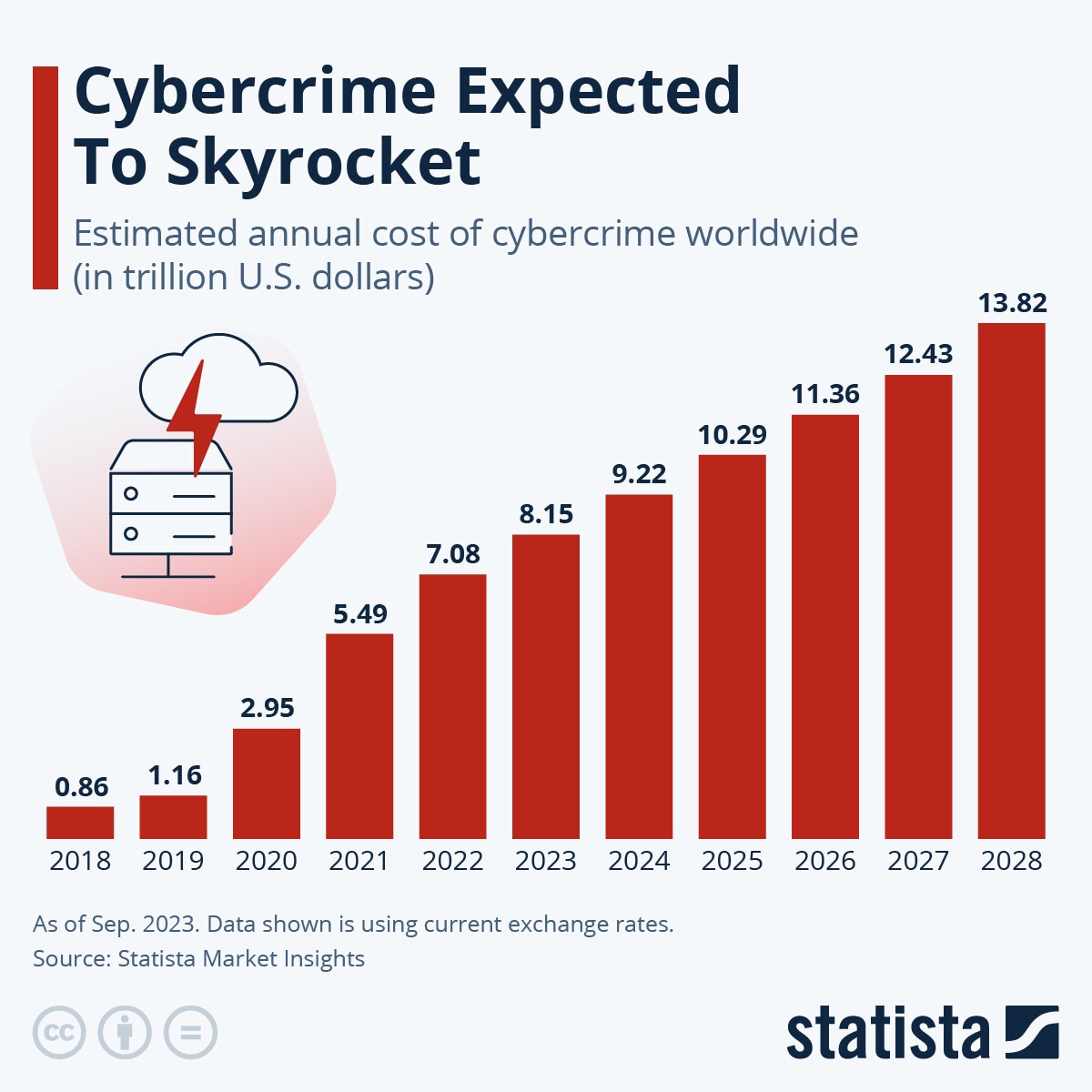
Cybercrime operates as a borderless economy driven by collaboration, making it imperative for societal-wide efforts to counteract it. Strengthening public-private partnerships and incentivized reporting can disrupt this economic model by fostering community intelligence. Current cybercriminals benefit from sophisticated structures that outpace defenders, who often operate under restrictive frameworks. Successful collaborative initiatives, like the World Economic Forum’s Cybercrime Atlas, demonstrate the potential of shared efforts. However, sustaining long-term impact requires robust incentive-driven models that empower individuals and organizations to report suspicious activity, enhancing deterrence and resilience against cybercrime.
Africa | Financial services, ICT, Health, Education
Collaboration and incentives can shift the economics of cybercrime. Here's how
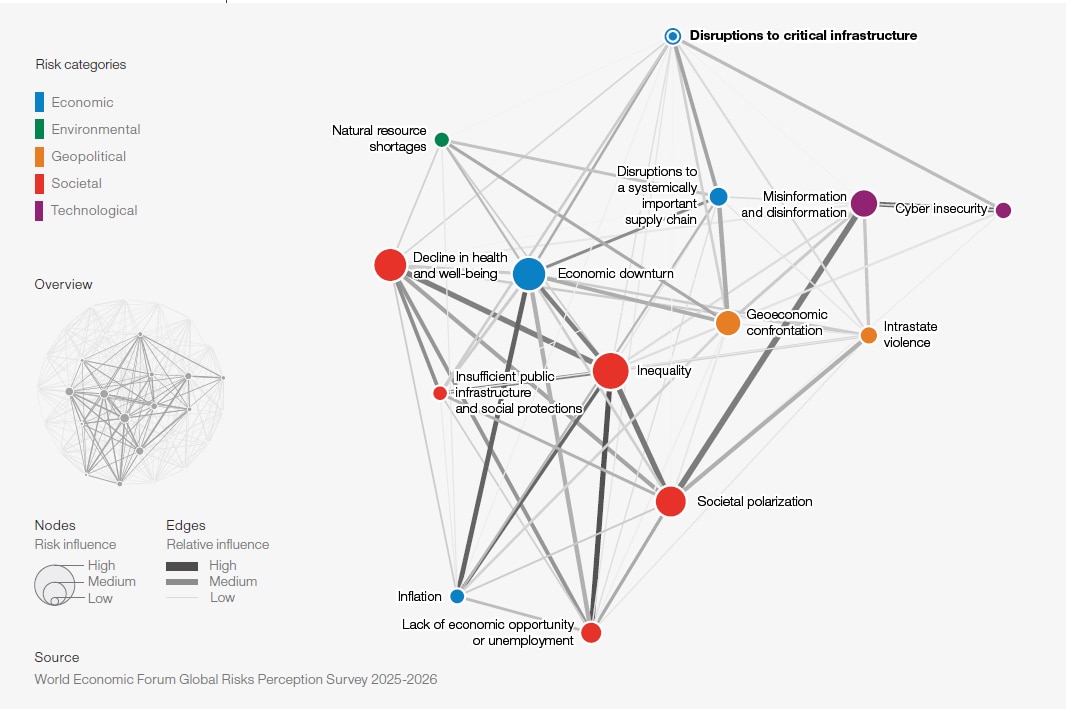
Critical infrastructure is increasingly vulnerable to significant risks, including extreme weather and cyber threats, according to the Global Risks Report 2026. Despite these dangers, public attention towards disruptions is alarmingly low, ranked 23rd among global risks for the next decade. The report emphasizes potential cascading effects on essential services when infrastructure fails, particularly highlighting climate challenges and geopolitical conflicts. Furthermore, a lack of sufficient public financing hampers necessary upgrades, leaving aging infrastructure exposed. A holistic understanding of risk, integrating climate and economic concerns, is crucial for effective management and mitigation of these threats.
Burkina Faso, Germany, Ghana, Haiti, Indonesia, Kenya, Nigeria, Russian Federation, Rwanda, Ukraine, United Kingdom | ICT, Financial services, Health, Education
Critical infrastructure is at critical risk: It’s time to treat it as such
FIFA governs global football amidst a complex framework involving various organizations and legal challenges. Alan Tomlinson asserts that without intervention from national legal bodies and the EU, FIFA's mismanagement will persist. The 1995 Bosman ruling by the Court of Justice of the European Union dramatically reshaped player mobility, affirming players' rights to move clubs without transfer fees post-contract. European institutions have made strides towards promoting integrity and governance in sports, yet significant gaps remain in accountability and action against corruption in the football sector.
Who’s in charge of football? Understanding the complex legal framework that governs the beautiful game
Higher levels of trust in regional organizations are significantly correlated with increased citizen demand for engagement in policymaking processes, according to a study involving 7,729 respondents across four European regions. The research identifies a gender disparity where women exhibit greater trust in regional organizations but do not demand more engagement. These findings highlight the necessity for inclusive engagement strategies that consider gender differences in political efficacy and responsiveness, with implications for participatory governance and urban sustainability challenges.
Latin America
Public trust in regional policymaking and citizen demands for engagement

Integrity processes not only address moral and legal issues related to corruption but also enhance business competitiveness. Companies with strong integrity frameworks can foster better communication with stakeholders and drive consistent performance. Anti-corruption measures, established through global treaties and national laws, demonstrate a direct link between corporate governance and success. Despite navigating a complex environment of geopolitical tensions and regulatory changes, robust integrity practices can provide a competitive edge, fostering innovation and ethical growth while maintaining public trust.
Algeria, Angola, Belgium, Burkina Faso, Chad, Egypt, Ethiopia, Guinea, Hungary, Kuwait, Luxembourg, Mali, Qatar | Financial services, Education
Can integrity processes help companies compete?
Phishing and cyber-enabled fraud pose growing global risks to individuals, organizations, and nations. Addressing this requires a systemic defense framework emphasizing three pillars: Prevention, Protection, and Mitigation. By adopting a multistakeholder, upstream-focused approach, responsibility shifts to those best equipped to act at scale, enabling proactive harm prevention and more effective control of these threats.
Financial services
Fighting Cyber-Enabled Fraud: A Systemic Defence Approach
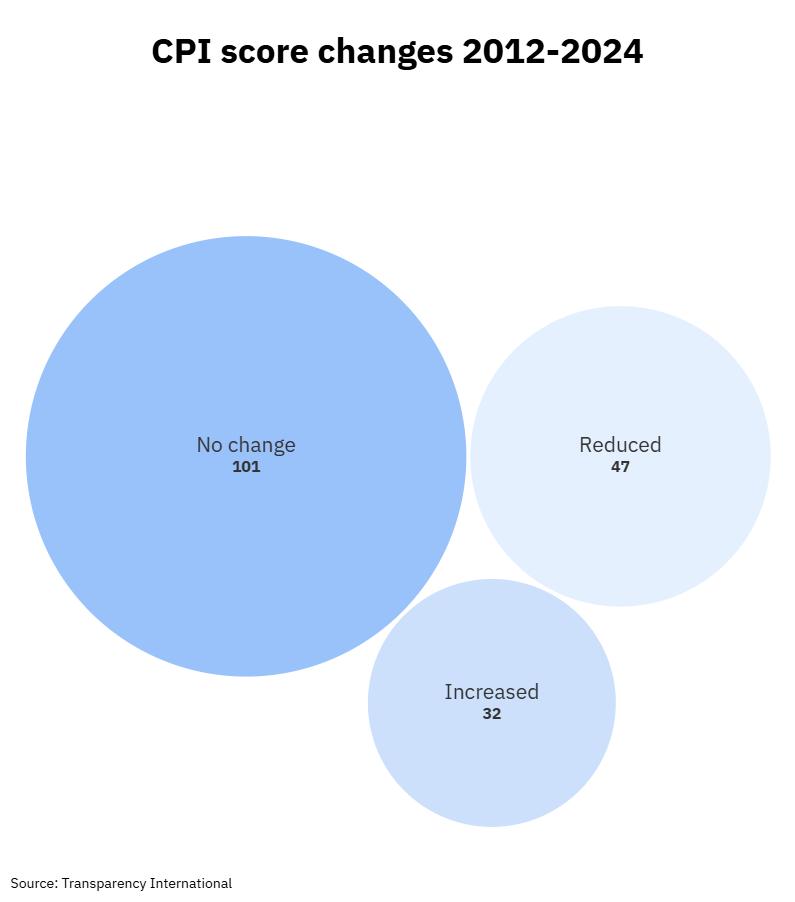
Corruption costs the global economy approximately $3.6 trillion annually, undermining health, rights, and democracy. Experts advocate for a whole-of-society approach to combat corruption, emphasizing the need for political trust and strong institutions. Transparency International reports that most countries have either stagnated or declined in corruption perception since 2012, with only a few showing significant improvement. Tackling corruption requires redefining public understanding of what constitutes corruption, including recognizing smaller acts as harmful. A societal shift toward community involvement in monitoring corruption is essential for meaningful progress.
Africa, Latin America | Financial services, Health
How we can tackle corruption effectively: A whole-of-society approach

Fraud is the most prevalent crime in the UK, constituting over 40% of reported offenses, with around 4.2 million incidents reported in a year. The National Crime Agency estimates that 86% of fraud goes unreported, leading to economic losses of £219 billion annually. Governments have inadequately addressed fraud, resulting in fragmented and short-lived initiatives. Despite plans for a new strategy and new resources, critics argue that more substantial measures, including mandatory data-sharing and public education, are essential. The issue is exacerbated by the political landscape and the evolving nature of fraud in the digital age.
Financial services
Successive UK governments keep failing on fraud – and the problem is only getting worse
Good governance of the security sector is crucial for sustainable development, ensuring peace, justice, and strong institutions aligned with the 2030 Agenda and other global frameworks. However, corruption within security institutions—manifested as a lack of transparency, weak oversight, and procurement fraud—undermines these efforts, aggravating conflict and destabilizing economies. The G20's Anti-Corruption Working Group has largely neglected this issue. To combat these risks, there is a need for robust oversight, anti-corruption initiatives, and risk assessments in the security sector, reinforcing integrity and accountability in defense and security spending.
Angola, Ghana, Guinea | Financial services, Health
Security sector corruption: The overlooked risk in global stability and development agendas

Relations between UK ministers and civil servants have soured significantly over the past decade, exacerbated by conflicts over Brexit and perceptions of state inefficiency. Despite hopes for improvement under Keir Starmer’s leadership, frustrations persist, with ministers criticizing civil servants for being ineffective. Changes in the political landscape, marked by a decline in mutual respect and the rise of a "them and us" mentality, have created confusion about the civil service's role. Politicians now often rely on external advisers, leading to increased animosity and an identity crisis within the civil service, undermining effective governance.
Financial services, ICT
Why have relations between civil servants and ministers turned so sour – and can they be repaired?

PACI Community

A World Economic Forum Initiative