Our insights on responsible governance and integrity

Articles

Videos

Creating Certainty in an Uncertain World: The Evolving Role of Gatekeepers.

OECD Global Anti-corruption and Integrity Forum 2025

Powering the Future: Integrity to Drive Net Zero

World Economic Forum - Strategic Intelligence 2025

The Integrity Advantage: A Blueprint for SMEs

World Economic Forum - Strategic Intelligence 2024

Business integrity in real estate: Tackling illicit financial flows

World Built Environment Forum 2024

Navigating Compliance Amidst Global Uncertainty

World Economic Forum - Strategic Intelligence 2024

Being Honest about Governance

World Economic Forum - Annual Meeting 2024

Defending Transparency

World Economic Forum - Annual Meeting 2023

Investing Responsibly in Sustainable Governance 

World Economic Forum - Annual Meeting 2022

The Role of Anti-Corruption Amid the ESG Revolution

International Anti-Corruption Conference (IACC) 2022

What’s Next for Tech for Integrity: Emerging Opportunities, Persisting Challenges & Potential Risks

International Anti-Corruption Conference (IACC) 2022

Uniting Gatekeepers Against Illicit Financial Flows – A Framework for Action

UN Special session of the General Assembly against corruption 2021

In Good Governance We Trust 

World Economic Forum - Sustainable Development Impact Summit 2021

Corruption and Democracy

World Economic Forum - Annual Meeting 2020

Publications

Investing in Integrity in an Increasingly Complex World: The Role of Anti-Corruption amid the ESG Revolution

June 2022

Defining the ‘G’ in ESG: Governance Factors at the Heart of Sustainable Business

June 2022

The Role and Responsibilities of Gatekeepers in the Fight against Illicit Financial Flows: A Unifying Framework

June 2021

Podcasts

Transformation maps

Transformation Maps are the World Economic Forum’s dynamic knowledge tool  driven by an intelligent system that lets users explore and make sense of complex and interlinked forces that are transforming economies, industries and global issues. The map below present insights on governance topics written by experts.

Learn more 

AI currently lacks effectiveness in fighting corruption due to the unique and hidden nature of corrupt practices, which leads to insufficient and non-comparable data. Different regulations across regions further complicate AI's applicability. While future advancements in AI may provide better tools for combatting corruption, the current models, primarily large language models, are inadequate for compliance needs. However, AI can assist in identifying red flags in transactions and analyzing large datasets when applicable.
What We Know About AI Fighting Corruption | Philip Nichols

Trust in multinational companies has decreased by 21% since 2021, emphasizing the urgent need for strong governance to restore credibility and integrity in business. Current challenges include systemic corruption, short-term incentives undermining long-term planning, and regulatory fragmentation creating compliance difficulties for companies, particularly SMEs. Boards must adapt governance structures to prioritize transparency, trust, and anti-corruption efforts. Embracing these governance opportunities can support resilience, foster innovation, and ensure sustainable business practices, especially in rapidly evolving sectors like technology and AI.
Ghana, Guinea, Haiti, Kuwait, Luxembourg, Qatar | Education, Financial services, Health
3 opportunities to strengthen good governance and corporate resilience

AI governance should prioritize integrity, accountability, transparency, and resilience while integrating transformation and cybersecurity efforts. Boards must encourage collaboration between AI and cybersecurity teams from the project's inception to minimize risks and avoid costly last-minute validations. Trustworthy governance relies on independent leadership, accurate inventories of AI and IT assets, and strong literacy at the board level. Key strategies include empowering a senior leader for AI and security convergence, implementing cross-functional reviews, enhancing transparency in decision-making, maintaining comprehensive asset inventories, and fostering practical literacy through real-world scenario training. Boards must act as guardians of trust in the evolving AI landscape.
Education
In the AI era, business governance means safeguarding trust
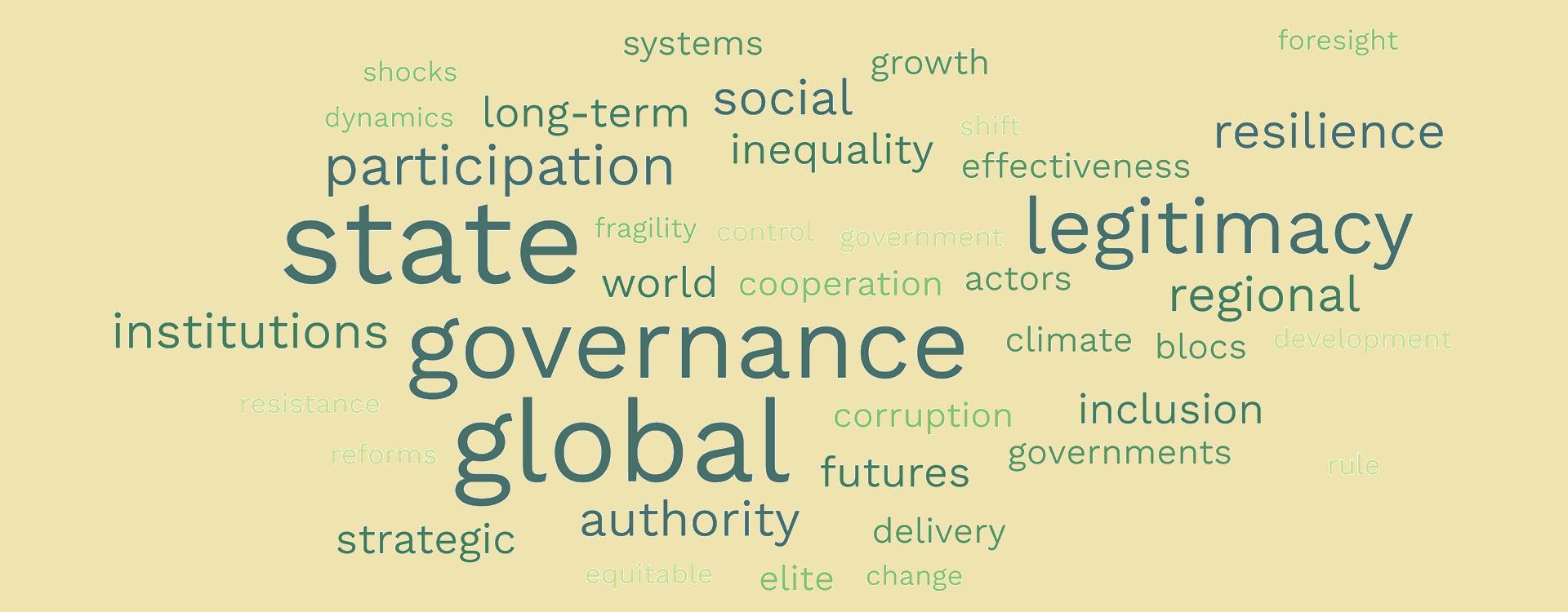
Global South states face significant pressures from climate change, demographic shifts, technology, and geopolitical tensions that challenge their legitimacy, capacity, and governance. A strategic foresight study identifies four potential governance trajectories: the dealmaker, which prioritizes economic growth but risks long-term instability; the system-builder, rooted in cooperation and equity but difficult to achieve; the fractured state, characterized by fragmentation and rising inequality; and the collapsed state, where governance fails entirely. Each trajectory is influenced by external shocks and internal choices, highlighting the complexity and uncertainty of governance futures in the Global South.
Albania, Algeria, Angola, Azerbaijan, Bangladesh, Barbados, Belgium, Benin, Bolivia, Botswana, Brunei Darussalam, Burkina Faso, Cambodia, Cape Verde, Chad, Chile, Colombia, Democratic Republic of the Congo, Denmark, Egypt, El Salvador, Estonia, Eswatini, Ethiopia, Finland, Gabon, Georgia, Germany, Ghana, Greece, Guatemala, Guinea, Haiti, Hungary, Iceland, Indonesia, Ireland, Israel, Jamaica, Japan, Jordan, Kenya, Kuwait, Kyrgyz Republic, Latvia, Lebanon, Lesotho, Luxembourg, Madagascar, Malawi, Malaysia, Mali, Mauritania, Moldova, Mongolia, Montenegro, Mozambique, Namibia, Netherlands, New Zealand, Nigeria, Pakistan, Paraguay, Peru, Philippines, Poland, Portugal, Qatar, Republic of Korea, Russian Federation, Rwanda, Saudi Arabia, Senegal, Serbia, Seychelles, Singapore, Slovakia, South Africa, Sweden, Switzerland, Taiwan, China, Tanzania, Thailand, Tunisia, Uganda, Ukraine, United Arab Emirates, United Kingdom, Uruguay, Venezuela, Viet Nam, Yemen, Zambia, Zimbabwe | Health, Financial services, Education
Under pressure: governance futures in the Global South
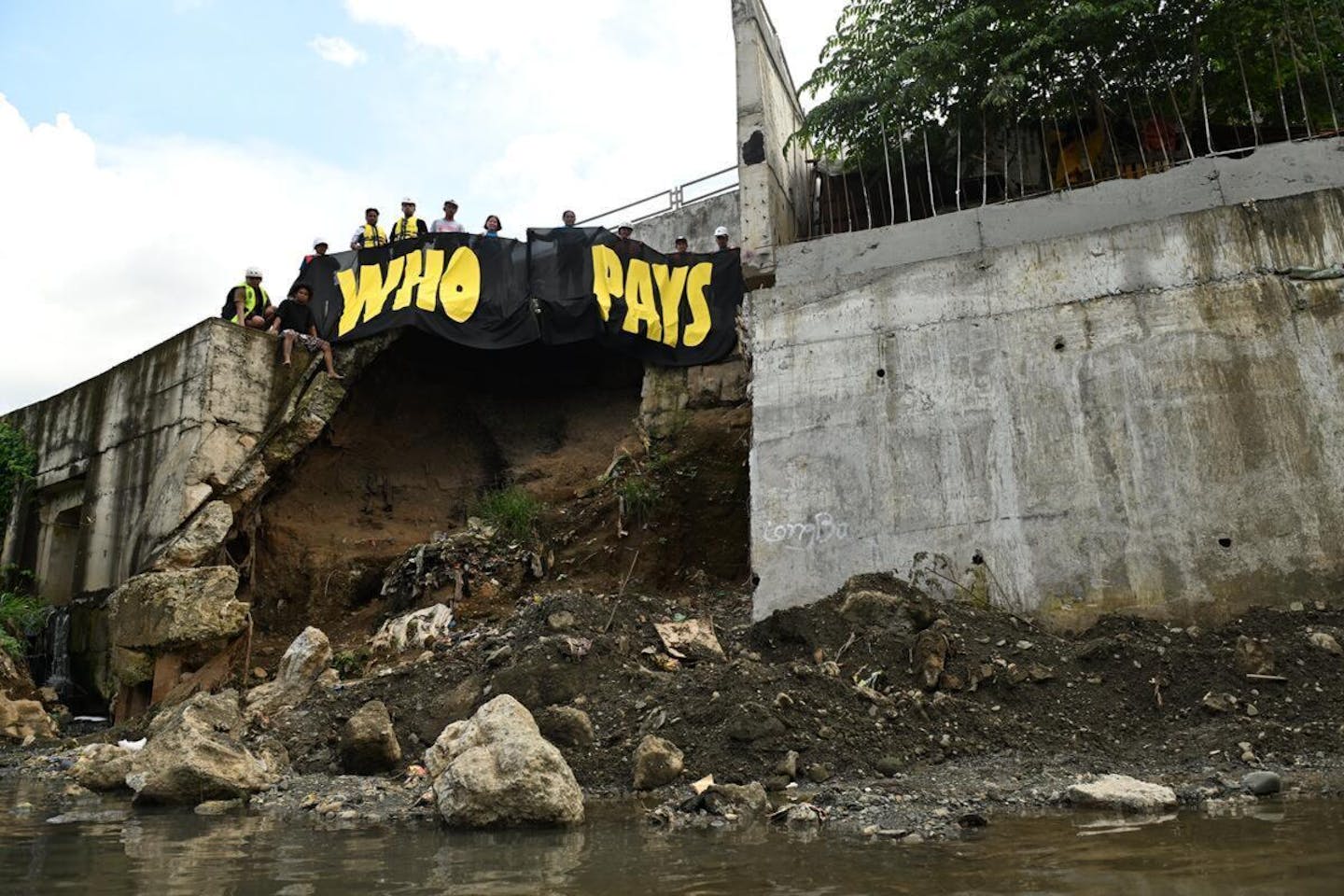
Greenpeace Philippines reported that nearly P1.089 trillion (US$19.1 billion) in climate-tagged funds could have been lost to corruption since 2023, severely impacting the country’s flood control initiatives. Up to P560 billion (US$9.8 billion) may have been misallocated to "ghost projects" in 2025 alone. National leaders highlighted that corruption reduces available funds for climate projects to only 30-40%, compromising the ability to respond to climate disasters. As floods worsen, experts warn that infrastructure corruption not only undermines economic stability but also poses health risks to vulnerable populations.
Nigeria | Financial services
‘Climate criminals’: Greenpeace Philippines warns US$18 billion in climate-tagged funds potentially lost to corruption
Greenpeace Philippines reports that up to P1.089 trillion (US$19.1 billion) in climate-related government funds are potentially lost to corruption and ineffective flood control projects since 2023. Recent warnings indicate that around P560 billion (US$9.8 billion) may have been misappropriated into substandard infrastructure. Corruption reportedly limits actual project implementation funding to 30-40%. The Department of Public Works and Highways manages the majority of this budget. Experts emphasize that ineffective climate initiatives pose serious health and safety risks, disproportionately affecting vulnerable communities in the face of escalating climate disasters.
Nigeria | Financial services
‘Climate criminals’: Greenpeace Philippines warns US$19 billion in climate-tagged funds potentially lost to corruption

Financial fraud is increasingly targeting consumers, with a 33% rise in victims in England and Wales in 2024. This issue is particularly grave internationally, with the UK Home Office noting that 70% of fraud cases have cross-border elements. Various organized crime groups are behind many scams, including complex operations in East Asia involving thousands of forced workers. 

While the UK government has implemented defensive measures to protect victims, there is a pressing need for more offensive strategies against fraudsters. The private anti-scam community (Pasc) is engaging in disruptive tactics like reporting fraudulent actors and using technological tools. Coordinated efforts between governments and this community, alongside sanctions against known scammers, are essential to combat the growing threat of fraud effectively.
Latin America | Financial services
How the global anti-scam community could come together to beat the criminals
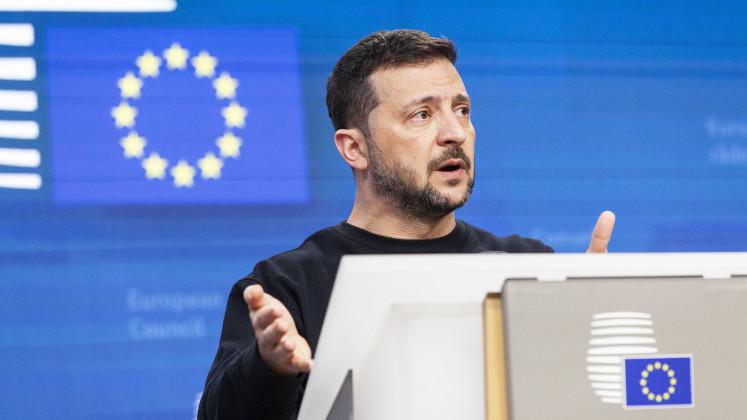
Protests erupted in July in Ukraine over a proposed bill undermining anti-corruption agencies, leading to lessons for the EU regarding rule of law and governance. While Ukraine has made progress in anti-corruption efforts since the 2013 Euromaidan Revolution, the adoption of draft law No. 12414 threatened the independence of key institutions like NABU and SAP. Public demonstrations underscored civil society's resilience and the high priority of European integration among Ukrainians. This episode highlights the fragility of the rule of law in Ukraine and the need for EU conditionality to be supported by internal societal engagement.
Ukraine | Financial services
All’s well that ends well? Lessons from Ukraine’s anti-corruption crisis
Incumbent African leaders increasingly manipulate legal frameworks to solidify their power and suppress opposition, a phenomenon referred to as 'lawfare.' Tactics include altering presidential term limits, reshuffling judicial appointments, and exploiting legal ambiguities, as seen in countries like Zimbabwe, Zambia, Tanzania, and Togo. This undermines public trust in democratic institutions and creates uneven political competition. For example, Tanzania excluded the opposition party Chadema from elections based on questionable legal interpretations, while Zambia saw inconsistent court rulings benefiting incumbents. Such actions threaten democratic accountability and erode institutional integrity across the continent.
Weaponising the law against democracy in Africa

Dismantling organized crime significantly boosts local economies in Italy by increasing bank lending to legitimate firms. Research shows that after anti-Mafia interventions between 2019 and 2021, lending to such businesses rose by an average of 0.8%, with increases up to 2.1% in areas heavily infiltrated by Mafia influence. This credit reallocation fosters productivity gains and enhances market efficiency. However, transparency following these operations can lead banks to raise interest rates slightly, reflecting perceived risks. Local banks, with deeper insights into borrowers, prove essential for supporting legitimate businesses in post-crime environments.
Latin America | Financial services
How dismantling organised crime revitalises lending and productivity in Italy
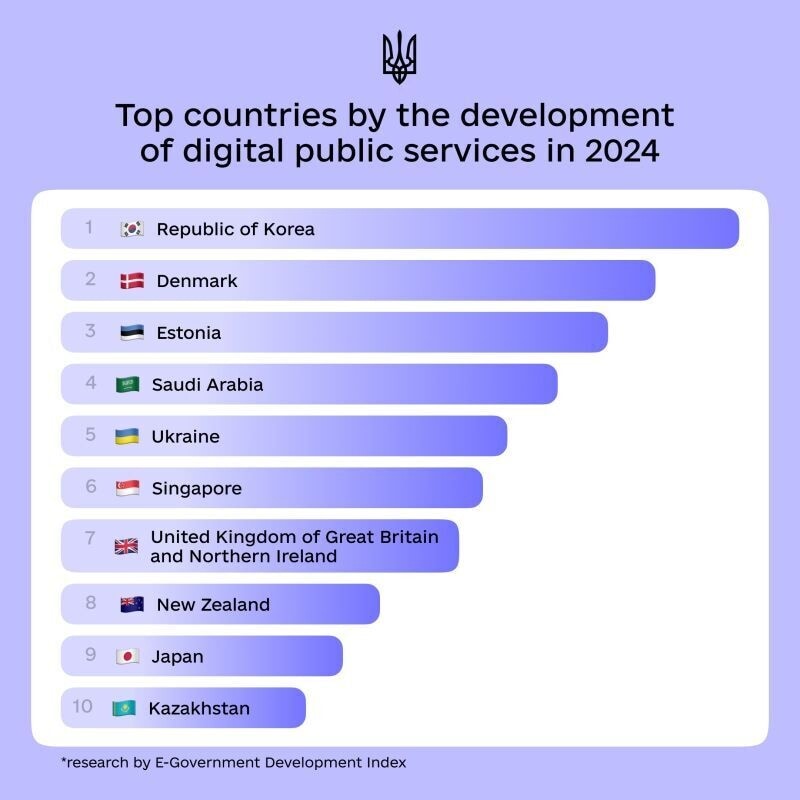
Governments can adopt start-up principles to enhance efficiency and responsiveness, particularly in crisis situations, as demonstrated by Ukraine's digital transformation during the Russian invasion in 2022. Key strategies included rapid iteration of digital services, user-centric design, and data-driven decision-making. The Air Alert app exemplifies this, developed swiftly to provide critical notifications to citizens. Ukraine's e-government platform, Diia, grew progressively based on user feedback, aiming to restore public trust through accessible services. Emphasizing innovation does not equate to abandoning public duty; it enhances governmental capacity to address urgent needs effectively.
Financial services, Health, Education, ICT
Should governments act like start-ups?
Norm externalization describes how regulations and governance models developed in one jurisdiction influence others, driven by market mechanisms, policy diffusion, and power dynamics. This process reshapes the global digital order, illustrated by the European Union's GDPR prompting global compliance and China's Digital Silk Road transferring its standards to recipient countries. India similarly influences the Majority World with its digital public infrastructure. As countries navigate diverse regulatory models, especially those in the Majority World, they strive to assert their digital sovereignty amid competing governance frameworks.
Indonesia, Tanzania, United Kingdom | Financial services, Education, ICT, Health
Regional Power, Policy Shaping and Digital Futures: Norm Externalization through the Delhi and Beijing
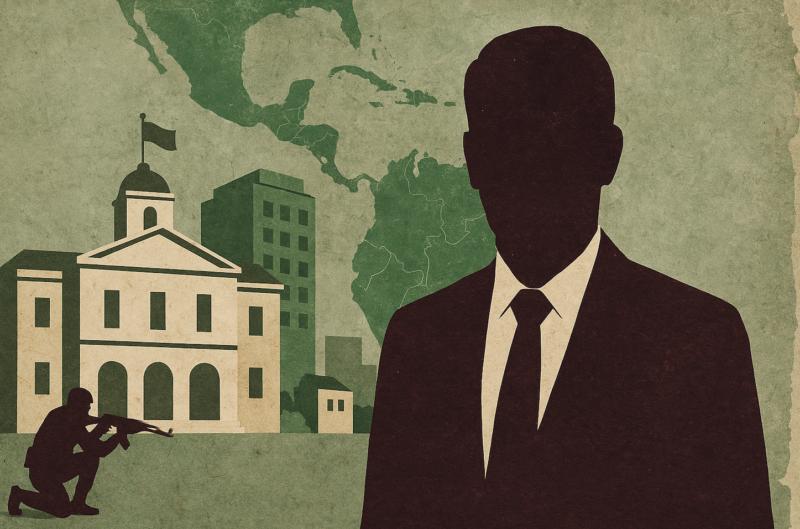
Armed violence undermines public trust in institutions globally, from El Salvador to Sweden. To combat this, countries have committed to reducing violence per Sustainable Development Goal 16. Despite successes in violence prevention strategies, approaches neglect the political and institutional factors, particularly the influence of organized crime. Tailoring violence prevention requires reforms in local governance. Regions like Latin America face significant challenges, with recent spikes in criminal violence in Europe. Successful interventions have emerged but require better cross-regional collaboration and funding to address the complexities of organized crime and improve governance.
Latin America | Financial services, Health, Education
Strong local institutions and governance are key to preventing violence and organized crime in cities
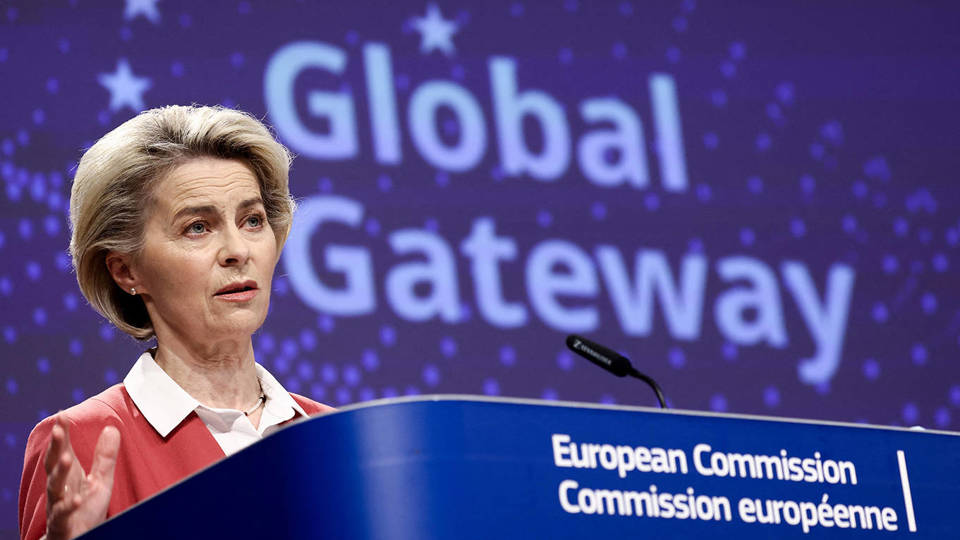
Developing countries require approximately $4 trillion annually to achieve the United Nations Sustainable Development Goals (SDGs). With public finances under pressure, the European Union is mobilizing private capital through initiatives like the Global Gateway, which combines guarantees and grants to de-risk investments. This includes agreements like a €75 million guarantee for off-grid energy in underserved regions. The EU is also promoting projects that improve infrastructure and local ownership while removing investment barriers to create predictable, sustainable opportunities for investors. Key areas of focus include education, job training, and climate resilience.
Angola, Colombia, France, Greece, Indonesia, Kenya, Namibia, Philippines, South Africa, Switzerland, Tanzania, United Kingdom | Financial services, Education, Health
Reimagining Sustainable Development for a Fractured World

Data sleuths and research-integrity officers have differing perspectives on addressing allegations of research misconduct. While there is consensus on the pressure to publish fostering dubious practices, only 6% of sleuths find current reporting channels effective, compared to 77% of integrity officers. Around 64% of officers support self-regulation for misconduct investigations, but only 28% of sleuths agree. Many sleuths expressed frustration with slow investigations and conflicts of interest within institutions. A majority favor establishing an independent external regulatory body to handle misconduct allegations at a national level.
How to tackle research misconduct: survey finds stark disagreement

The collapse of Robert Maxwell's media empire in 1991 highlighted the informal institutional framework of the City of London, exposing vulnerabilities in corporate governance. Despite increased regulations like the Cadbury Report and subsequent reforms, issues persist within the governance regime. The Financial Reporting Council (FRC) has faced criticism for inadequate oversight following corporate failures. Proposals for a strengthened regulatory body, the Audit, Reporting and Governance Authority, remain unfulfilled, suggesting that beyond regulation, a focus on character and ethical standards is essential for effective corporate governance.
Robert Maxwell and the institutional weakness of the City of London
Corruption-related services are increasingly relocating from traditional financial centers like London to more permissive jurisdictions such as Dubai, due to tightening regulations on dubious funds. This trend enables corruption to thrive, complicating enforcement efforts. Key professionals—bankers, lawyers, and accountants—play a pivotal role in facilitating corrupt dealings, often employing “jurisdictional arbitrage” to escape stricter regulations. The UAE has emerged as a leading new hub for these activities, promoted by authoritarian governance and a lack of civil society scrutiny. Recent sanctions against figures like Isabel dos Santos highlight ongoing efforts against corruption, but enforcement remains insufficient.
Switzerland, United Arab Emirates | Financial services
‘Come meet us in Dubai’: the new offshoring of grand corruption
Populist governments in Latin America often foster division by labeling dissenting groups as adversaries, which hampers open communication and collaboration among governments, civil society, think tanks, and other stakeholders. This polarization and democratic backsliding undermine core values like freedom of expression, civic participation, and the rule of law, complicating consensus-building. Additionally, reduced international funding, partly due to shifts like U.S. aid cuts, constrains think tanks' resources and collaborative capacity. These conditions force think tanks to navigate complex choices about engaging with opposing political actors while striving to maintain independence and contribute to the public good.
Latin America | Health
Collaboration under the mantle of populism

Cultural capture occurs when regulators unconsciously adopt the beliefs and priorities of the industries they oversee, undermining regulatory independence. It emerges through mechanisms identified in the CHAIN framework: Closeness, Homogeneity, Avoidance, Identities, and Networks. These processes can lead to significant regulatory failures, as seen in crises like the 2008 financial meltdown and the BP Deepwater Horizon disaster. Recognizing cultural capture and its behavioral indicators is crucial for improving oversight and maintaining proper regulatory functions across various sectors.
Financial services
Cultural capture threatens regulatory independence
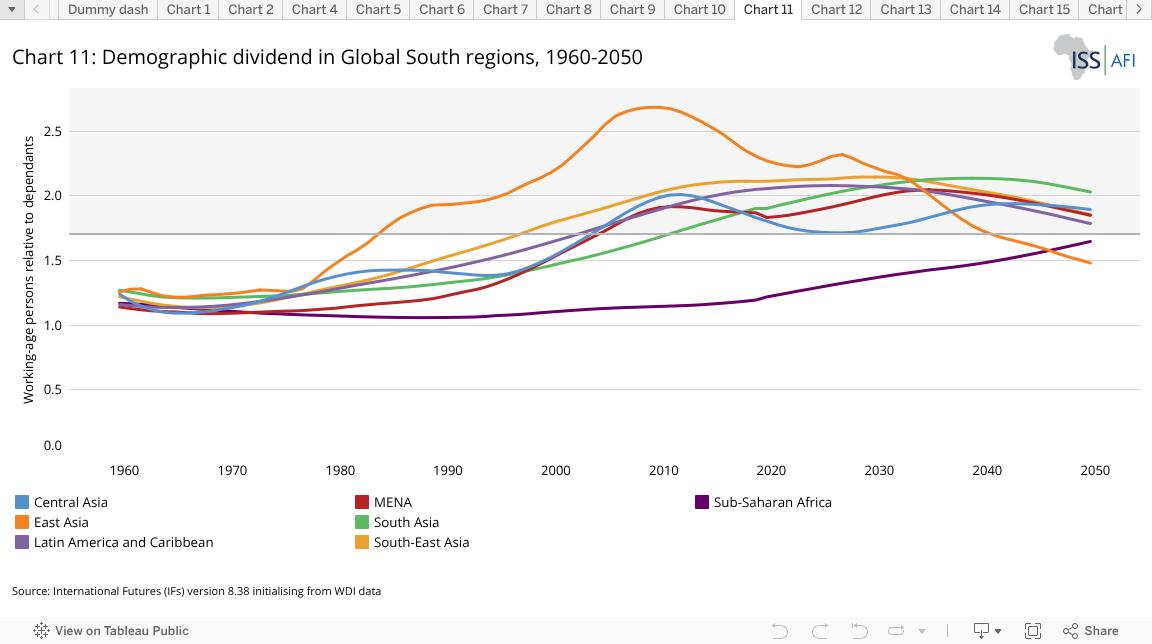
Emerging global trends such as demographic shifts, climate change, digital disruption, and geopolitical realignment are reshaping state roles, capacity, and legitimacy in the Global South. The analysis incorporates governance indicators and regional consultations to identify challenges and opportunities across various domains. Four future governance scenarios—Growth World, Sustainable World, Divided World, and World at War—are proposed, illustrating different state evolution pathways. Key recommendations include rethinking governance approaches, enhancing participatory mechanisms, and embedding foresight into policy planning to navigate increasing complexity.
Algeria, Angola, Argentina, Armenia, Australia, Austria, Bahrain, Bangladesh, Belgium, Benin, Bolivia, Bosnia and Herzegovina, Botswana, Brazil, Bulgaria, Burkina Faso, Burundi, Cambodia, Cameroon, Canada, Chad, Chile, Costa Rica, Croatia, Cyprus, Czech Republic, Denmark, Ecuador, Egypt, Estonia, Eswatini, Ethiopia, Finland, France, Georgia, Germany, Ghana, Greece, Guinea, Hungary, Iceland, India, Indonesia, Ireland, Israel, Italy, Japan, Jordan, Kazakhstan, Kenya, Kuwait, Kyrgyz Republic, Latvia, Lebanon, Lesotho, Lithuania, Luxembourg, Malawi, Malaysia, Mali, Malta, Mauritania, Mauritius, Mexico, Mongolia, Morocco, Mozambique, Namibia, Nepal, Netherlands, New Zealand, Nigeria, Norway, Oman, Pakistan, Panama, Peru, Philippines, Poland, Portugal, Qatar, Republic of Korea, Romania, Russian Federation, Rwanda, Saudi Arabia, Senegal, Singapore, Slovakia, Slovenia, South Africa, Spain, Sri Lanka, Sweden, Switzerland, Taiwan, China, Tajikistan, Tanzania, Thailand, Tunisia, Türkiye, Uganda, Ukraine, United Arab Emirates, United Kingdom, Venezuela, Viet Nam | ICT, Financial services, Health
State Futures in the Global South

PACI Community

A World Economic Forum Initiative