
Our insights on responsible governance and integrity

Articles

Videos

Creating Certainty in an Uncertain World: The Evolving Role of Gatekeepers.

OECD Global Anti-corruption and Integrity Forum 2025

Powering the Future: Integrity to Drive Net Zero

World Economic Forum - Strategic Intelligence 2025

The Integrity Advantage: A Blueprint for SMEs

World Economic Forum - Strategic Intelligence 2024

Business integrity in real estate: Tackling illicit financial flows

World Built Environment Forum 2024

Navigating Compliance Amidst Global Uncertainty

World Economic Forum - Strategic Intelligence 2024

Being Honest about Governance

World Economic Forum - Annual Meeting 2024

Defending Transparency

World Economic Forum - Annual Meeting 2023

Investing Responsibly in Sustainable Governance 

World Economic Forum - Annual Meeting 2022

The Role of Anti-Corruption Amid the ESG Revolution

International Anti-Corruption Conference (IACC) 2022

What’s Next for Tech for Integrity: Emerging Opportunities, Persisting Challenges & Potential Risks

International Anti-Corruption Conference (IACC) 2022

Uniting Gatekeepers Against Illicit Financial Flows – A Framework for Action

UN Special session of the General Assembly against corruption 2021

In Good Governance We Trust 

World Economic Forum - Sustainable Development Impact Summit 2021

Corruption and Democracy

World Economic Forum - Annual Meeting 2020

Publications

Investing in Integrity in an Increasingly Complex World: The Role of Anti-Corruption amid the ESG Revolution

June 2022

Defining the ‘G’ in ESG: Governance Factors at the Heart of Sustainable Business

June 2022

The Role and Responsibilities of Gatekeepers in the Fight against Illicit Financial Flows: A Unifying Framework

June 2021

Podcasts

Transformation maps

Transformation Maps are the World Economic Forum’s dynamic knowledge tool  driven by an intelligent system that lets users explore and make sense of complex and interlinked forces that are transforming economies, industries and global issues. The map below present insights on governance topics written by experts.

Learn more 

Financial products are becoming more complex, leading to challenges in managing money that can affect mental health. The current financial system, driven by the pursuit of profit, has contributed to environmental damage and social inequality. A new framework is proposed, drawing from diverse cultural and religious perspectives on money, emphasizing sustainability, morality, and community ties. Many cultures prioritize kinship and charity over wealth accumulation, and this approach can reshape finance to be more responsible and nurturing. To create a sustainable future, finance must return to its foundational values and focus on trust and community relationships.
Education, Financial services
I’ve studied faiths and cultures around the world. Here’s how finance can be made more inclusive and sustainable
Elon Musk's reported $34 billion loss due to Tesla's share price drop is largely nominal, as such fluctuations rarely affect billionaires' lifestyles but impact their philanthropic strategies. Timing of donations can significantly influence tax benefits, with appreciated assets like stocks offering greater advantages over cash donations. This situation raises critical concerns about philanthropic practices, particularly regarding donor-advised funds (DAFs), which allow donors to receive tax deductions without an immediate charitable contribution. These dynamics create risks of diverting resources from public needs, weakening charitable action, and consolidating influence over philanthropic decisions.
Why Elon Musk’s US$34 billion loss wasn’t really that – and what it tells us about the philanthropy of the ultra-wealthy
Public inquiries are the typical political response to allegations of institutional abuse, with multiple ongoing inquiries across the UK and beyond. While they symbolize official acknowledgment of wrongdoing, they often fall short in delivering truth, justice, and accountability for victims due to constraints in their terms of reference and a focus on institutional responses rather than systemic issues. Victims frequently find the inquiry process traumatic and its extensive costs delay justice. Previous inquiries have made similar recommendations that go unimplemented. A rethinking of public inquiries is necessary, emphasizing victim experiences and considering alternative models for truth recovery.
Another public inquiry into institutional abuses – why they so often fail to deliver justice for victims

Africa faces a worsening debt crisis, with external debt rising from under 13% to 25% of GDP between 2009 and 2023, driven by increased reliance on private and bilateral lenders. The debt-servicing burden has also surged from 3% to 10% of government expenditure. China has become a dominant creditor, accounting for 40% of Africa's bilateral debt. Many loans are used for unproductive purposes, leading to "ghost projects" and further economic fragility. This shift in creditor structure complicates assessments of debt sustainability and highlights the urgent need for fiscal reforms to ensure long-term growth.
Benin, Burkina Faso, Cameroon, Democratic Republic of the Congo, Ghana, Lesotho, Malawi, Mauritania, Nigeria, Senegal, South Africa, Zambia, Zimbabwe | Financial services, Health
Indebted and underfunded

Corruption in healthcare undermines trust, exacerbates inequality, and costs an estimated $455 billion globally. While institutional reforms are necessary, they are insufficient without addressing the social norms that perpetuate corrupt practices. Informal payments are prevalent in countries like Bulgaria, Greece, and Moldova, where patients often feel compelled to pay for entitled services. Effective policy must include comprehensive measurement of corruption's roots and recognition of the influence of perceived social norms. Approaches to reform should focus on promoting integrity, utilizing role models, and crafting culturally sensitive messages to reshape public expectations and behaviors regarding corruption.
Latin America | Health
Why money alone won’t cure corruption in healthcare
Trust is essential for effective governance, but it is challenging to measure in urban settings. A new framework is proposed for city officials to assess and enhance civic trust through observable indicators and interventions. It differentiates between trust drivers—such as direct experiences and institutional actions—and its emotional and behavioral effects. The framework includes a three-phase approach: assessing baseline trust indicators, analyzing causal drivers, and evaluating targeted interventions. It is illustrated with hypothetical and real-world cases, aiming to provide public institutions with a practical method for measuring and improving civic trust.
Making Civic Trust Less Abstract: A Framework for Measuring Trust Within Cities
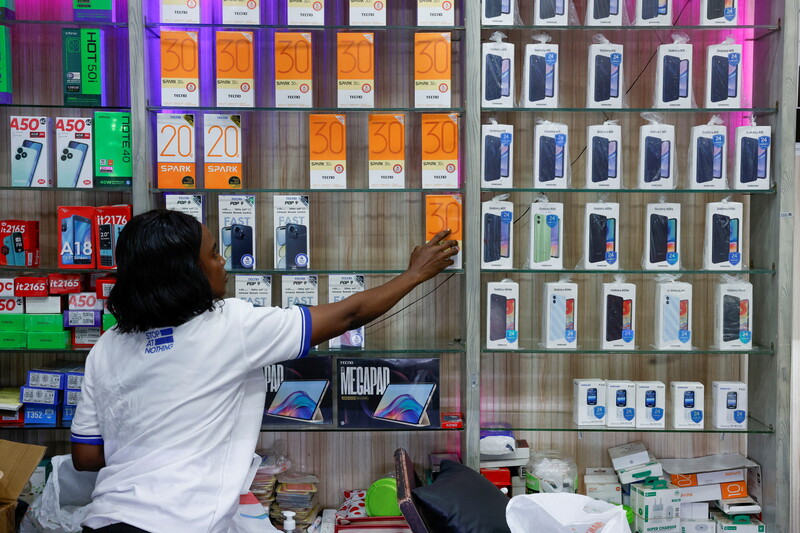
Samir Saran and Anirban Sarma argue that the dominance of big tech has led to an under-regulated form of "capitalism on steroids." They identify four main design flaws highlighting the tensions between technology, geography, and society. These flaws include the imposition of Silicon Valley ideologies on varied cultural markets, the mediating role of private companies in state-citizen relationships, the neglect of privacy and ethics in the pursuit of rapid innovation, and the need for regulatory frameworks that support innovation without being predatory. The authors advocate for light-touch regulations that empower businesses and protect citizens.
Ireland, Thailand, United Kingdom | Health, Financial services, Education, ICT
2 experts on the 'design flaws' in today's era of 'capitalism on steroids'
Kazakhstan has developed a comprehensive methodology for establishing anti-corruption standards in public institutions and the quasi-public sector, aligned with its Anti-Corruption Policy Concept and international commitments. Key elements include risk mapping, mandatory conflict of interest disclosures, financial controls, and enhanced transparency measures. The framework promotes accountability through training and public engagement, alongside reforms in human resource management and procurement processes. The initiative, adopted in December 2024, aims to foster a culture of integrity and consistency in anti-corruption efforts across all sectors while improving governance and public trust.
Kazakhstan
Strengthening Anti-Corruption Standards in Kazakhstan

The book addresses the growing integration of emerging digital technologies, such as artificial intelligence and blockchain, in public governance. It highlights the benefits of automation, hyper-connectivity, and complexity through algorithmic systems and data-driven AI. The book also examines regulatory compliance and the need for innovative legal frameworks to manage these technologies. Additionally, it emphasizes the importance of socio-ethical concerns, particularly trust and public values, in the evolving digital landscape of public governance.
Financial services, Health, ICT, Education
Public Governance and Emerging Technologies
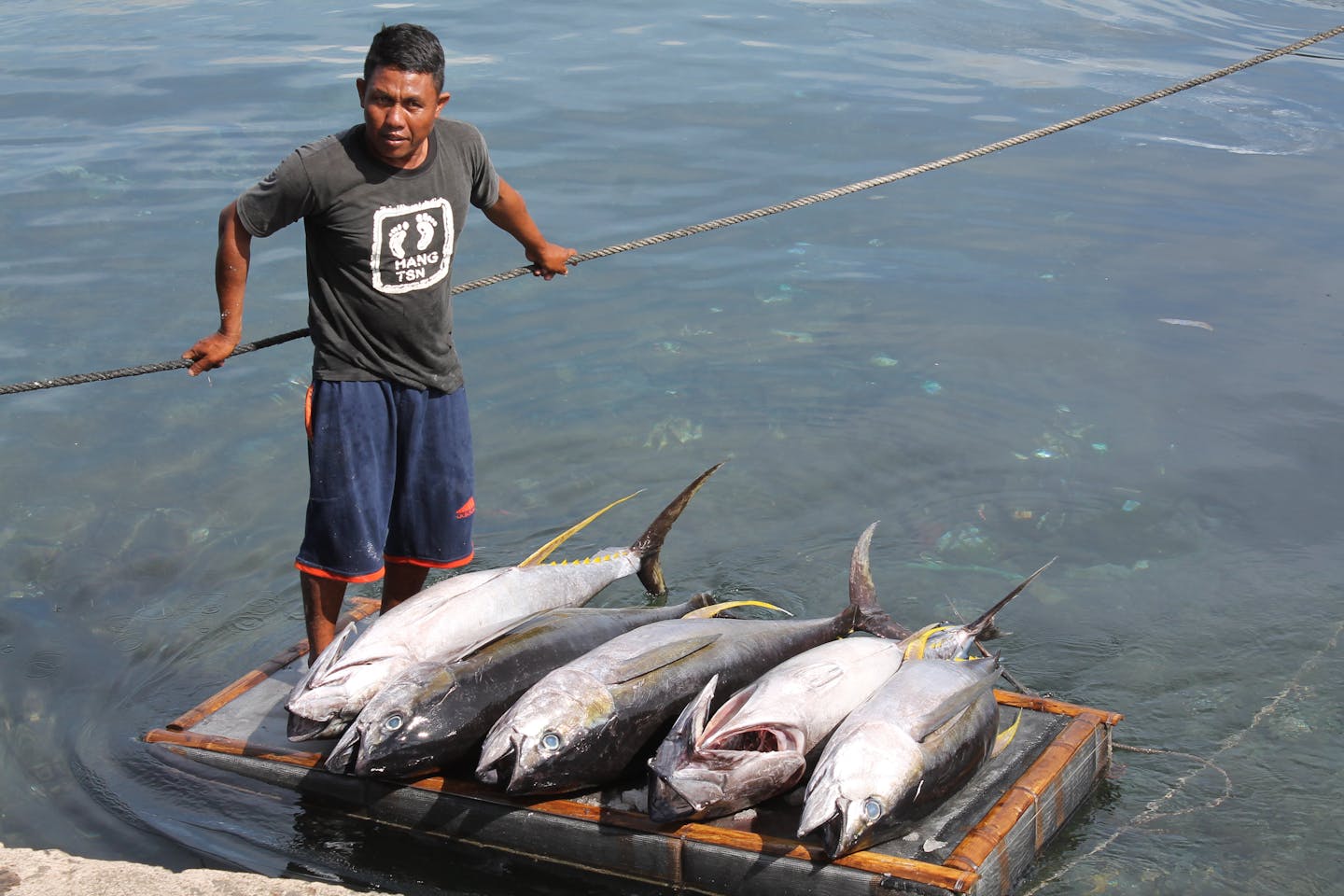
Fish play a crucial role as a protein source but are also central to conflicts over fishing rights and practices. Greater transparency in fisheries, advocated by Maisie Pigeon of the Coalition for Fisheries Transparency, is essential for resolving these issues. By publicizing vessel ownership and fishing activities, transparency can help combat overfishing and illegal practices, ultimately benefiting fish stocks and small-scale fishers. Key principles include beneficial ownership disclosure, which identifies the real owners profiting from vessel operations. Countries like South Korea, the UK, and Chile are recognized for advancing fisheries transparency, which is increasingly seen as vital for effective governance and community support.
Q&A: Greater transparency can make fisheries fairer
The study analyzes data sources and methodologies in economic research on corruption by reviewing 339 journal articles from 2022. It finds that cross-country composite indicators are the most common measure, whereas single country studies often use administrative data. Research in ranked journals tends to focus on administrative and experimental data, emphasizing causes of corruption. The broader dataset of 882 articles indicates strong academic interest in corruption, particularly from political science and public policy perspectives, but highlights a lack of novel data sources and insufficient focus on the causes of corruption.
Latin America
Which Data Do Economists Use to Study Corruption ?

The environmental polycrisis, encompassing climate breakdown, biodiversity loss, and pollution, poses a significant threat but can be addressed through increased societal honesty. Deceit in politics, media, and business has impeded progress, fueling a culture of misinformation. To combat this, accountability and transparency must be demanded from leaders, with dishonesty treated as unacceptable. A shift towards integrity involves supporting honest alternatives and initiating critical conversations to raise standards of truthfulness in leadership. This cultural change is essential for effective decision-making and progress in tackling environmental challenges.
Nigeria | Health
To address the environmental polycrisis, the first step is to demand more honesty
Public institutions are essential for addressing global challenges such as climate change, election security, forced migration, and unemployment due to AI, particularly in the Global South. However, many institutions face significant public distrust and are perceived as inefficient and outdated. New methods and models drawn from innovations in government, business, and civil society can help redesign these institutions to become more results-oriented, agile, and transparent, better equipped to meet future needs.
Bangladesh, Nigeria | Financial services, Education, Health
Designing New Institutions and Renewing Existing Ones – A Playbook

The global trend of voter dissatisfaction with incumbent governments is evidenced by significant electoral defeats for ruling parties across various countries, irrespective of their political ideologies. Voters perceive a failure to meet their expectations, a situation exacerbated by rising populism, polarization, and misinformation. Factors like unemployment, inflation, and corruption contribute to this sentiment. A notable example is former Chilean President Ricardo Lagos, whose public housing initiatives were overshadowed by constituents' rising expectations. This disconnect between government capacity and public demands—termed the "Lagos paradox"—has intensified, indicating a global challenge for incumbents.
Africa, Latin America | Financial services, Health
Why Everyone Thinks Their Government Has Failed

Walhi, Indonesia's largest environmental group, has lodged a formal complaint with the Attorney General, accusing 47 companies in the palm oil, mining, and forestry sectors of committing environmental destruction and corruption, leading to estimated state losses of 437 trillion rupiah (US$26.5 billion). The accusations include the illegal revision of zoning plans and the retroactive legalization of illegal plantations involving bribes paid to officials. Walhi claims these activities form a larger cartel-like network of collusion between corporations and government officials, urging law enforcement to dismantle these corrupt links.
Indonesia
Indonesian watchdog urges legal action against environmental crime 'cartels'
Federal auditors conduct essential duties by investigating and ensuring proper spending within government agencies, often initiated through reports or Congressional orders. Their work is structured and available for public scrutiny, contrasting sharply with DOGE's opaque operations, despite claims of transparency from figures like Elon Musk. While a government report indicated over $200 billion in waste, fraud, or abuse from 2018 to 2022, this represents a small fraction of the $7 trillion federal budget.
DOGE Is Doing the Opposite of Government Auditing
Public records and essential datasets are disappearing from government websites, threatening accountability and transparency. The Department of Government Efficiency (DGE) has faced criticism for errors in reporting while making data less accessible. Since January 20, the Trump administration has accelerated data manipulation and record revisions, limiting public access to federal information and allowing significant oversight to bodies like the DGE. This trend risks rewriting history and fostering misinformation, underscoring the urgent need for protective measures to safeguard transparency and accountability in governance.
Government data is disappearing before our eyes

Investigative reporters Katey Rusch and Casey Smith exposed a covert system in California law enforcement that allows officers with misconduct histories to conceal their records through clean-record agreements. Their extensive investigation, which involved thousands of public records requests, revealed that at least 163 police departments signed such agreements with at least 297 officers from 2012 to 2022. These agreements often resulted in officers walking away with distorted personnel records and financial benefits, including substantial disability pensions, while shielding misconduct from public scrutiny. The findings culminated in a two-part series titled “Right to Remain Secret,” published in the San Francisco Chronicle.
How they did it: Reporters in UC Berkeley journalism program expose system California police used to hide officer misconduct
Sin taxes, such as Philadelphia's soda tax of 1.5 cents per ounce, effectively raise revenue and reduce consumption, with the soda tax reducing purchases by approximately 50%. However, around half of the reduction is offset by consumers purchasing soda outside of the city, indicating a 25% net decrease in local purchases. Research suggests that for sin taxes to achieve greater effectiveness, they should be implemented over larger geographic areas to minimize cross-border shopping. The impact of small price changes on consumer behavior is acknowledged, emphasizing the sensitivity to price variations.
Do Sin Taxes Actually Work? | Ben Lockwood

People project their political beliefs onto fictional characters, associating heroes with their own views and villains with opposing ones. In a study involving images of various characters, participants believed heroes like Spiderman and Harry Potter shared their political affiliations, while villains such as Darth Vader and Cersei Lannister were seen as opposition. Additionally, when reading about a politician, participants inaccurately recalled their party affiliation based on the character's moral portrayal, illustrating how partisanship alters perceptions and reinforces divisions in political identities.
Who does Spiderman vote for? Study shows people project their political views onto fictional heroes and villains

PACI Community

A World Economic Forum Initiative