Description
A Revolving Credit Facility (RCF) is a flexible line of credit provided by financial institutions, allowing borrowers to access funds up to a predetermined limit. It is designed for short-term financing needs, where the borrower can withdraw, repay, and reuse the available funds multiple times. The facility is structured with a maximum amount that can be drawn upon and typically requires regular repayments. Interest is charged only on the amount borrowed, not the entire credit line, and terms may include variable rates based on the lender's prime rate, plus, a premium.
Benefits
The primary benefit of RCFs is flexibility. They enable borrowers to access funds on a need-basis, for various purposes, such as covering cash flow gaps or unexpected expenses. Unlike instalment loans, they allow for repeated use without reapplying, offering convenience and ongoing access to credit. Additionally, interests are only paid on the utilized portion, making it a cost-effective option for short-term financial needs and maximizing liquidity for the borrowers. Revolving Credit Facilities are especially suitable for clean energy projects with varying capital requirements over time and especially pertinent in an EMDE context.
Case Study
AfDB providing its Revolving Fund for the financing of the Eastern Ethiopia Electricity Grid Reinforcement Project
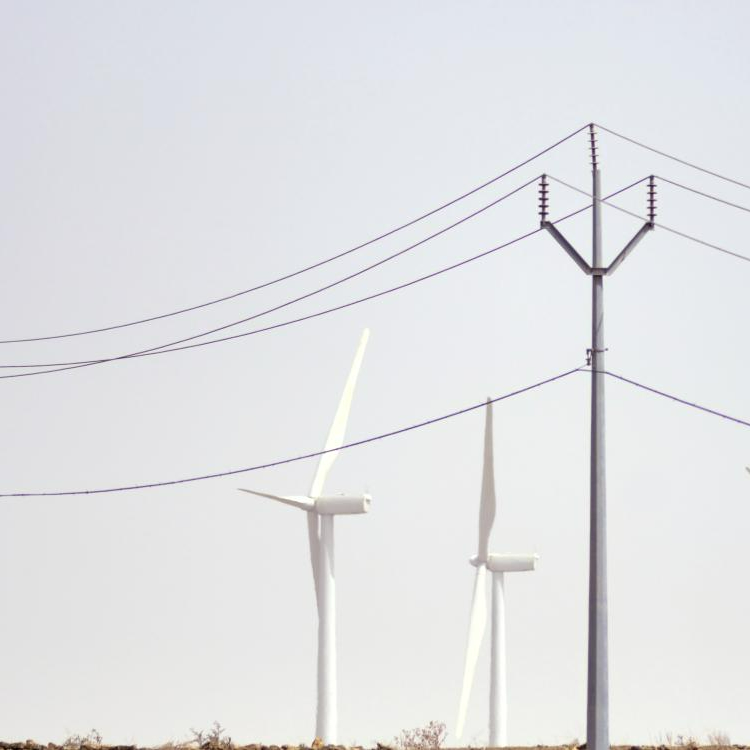
In 2024, the African Development Bank (AfDB) approved the financing of the Eastern Ethiopia Electricity Grid Reinforcement Project, which is scheduled for completion in 2028. It aimed to improve access to reliable electricity in eastern Ethiopia by increasing the capacity of the transmission system. The project included the construction of new high-voltage transmission lines and substations, ultimately increasing transmission capacity from 70 MW to 360 MW, and significantly improving the region's electricity supply. The project also included capacity building and the implementation of key environmental and social management plans, including the Environmental and Social Management Plan (ESMP), the Resettlement Action Plan (RAP) and the Gender Action Plan (GAP).
The total cost of the project amounted to USD 120 million. It included a joint co-financing arrangement between the African Development Fund (in the form of a USD 52-million grant) and Korean Exim Bank (in the form of a USD 52-million loan provided under the Korean - African Energy Investment Framework (KAEIF) through the Korea Economic Development Cooperation Fund (EDCF)). The AfDB, who administered the financial package, structured some of the loan resources to be applied as a Revolving Fund (or special account) to finance AfDB's share of eligible operating expenses and to give the developer flexibility in project implementation while efficiently meeting their local currency or foreign exchange requirements on a revolving basis. The remaining 13.3% (i.e., USD 15.89 million) of the project cost was covered by the Government of Ethiopia.
Additional Sources
- https://www.british-business-bank.co.uk/business-guidance/guidance-articles/finance/what-is-a-revolving-credit-facility
- https://corporatefinanceinstitute.com/resources/commercial-lending/revolving-credit-facility/#:~:text=A%20revolving%20credit%20facility%20is,or%2C%20simply%2C%20a%20revolver
- African Development Bank, Disbursement Handbook, 2020, https://www.afdb.org/sites/default/files/documents/financial-information/disbursement_handbook_en_final_version_march_2020.pdf
- African Development Bank, Eastern Ethiopian Electricity Grid Reinforcement Project, 2023, https://www.afdb.org/sites/default/files/documents/projects-and-operations/ethiopia_-_eastern_ethiopia_electricity_grid_reinforcement_project_-_project_appraisal_report.pdf