Playbook of Solutions

Home
About
Policy Measures
De-risking Tools
Finance Mechanisms
Case Studies
Get Involved

Case Studies

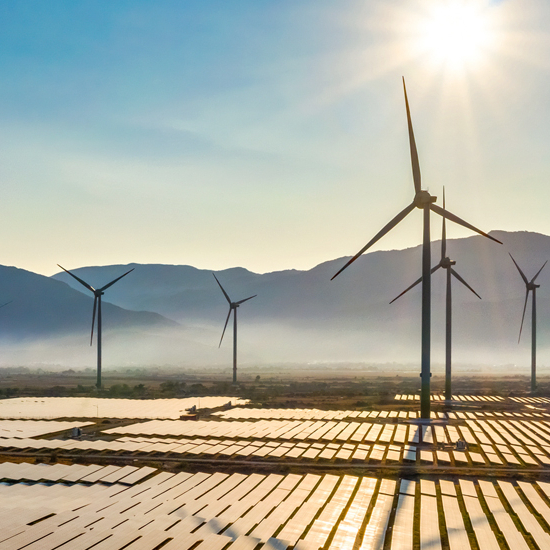
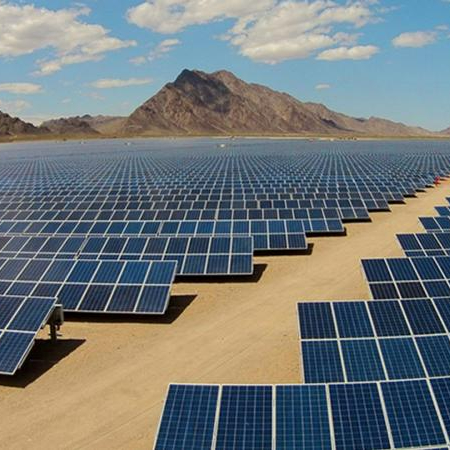
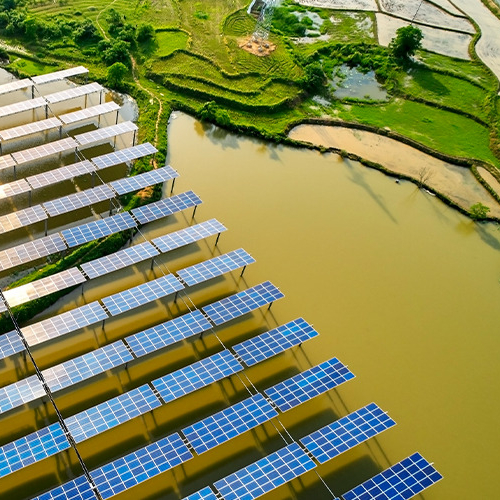
The Playbook of Solutions is an interactive online tool, referencing concrete, already implemented policy measures, de-risking tools and finance mechanisms that have successfully helped unlock finance for clean energy in the Global South. 

Show more
DescriptionCredit guarantees are credit enhancement mechanisms which guarantee debt instruments such as loans or bonds. They’re an irrevocable promise from the guarantor to pay the principal and/or interest up to a pre-determined amount, which is typically expressed as a percentage of principal. A credit guarantee is “partial” when it covers less than 100% of the debt or “full” if they provide a 100% coverage. A reinstatement provision allows the guarantee to be drawn to meet debt service payments in case the borrower defaults.  BenefitsCredit guarantees improve access to financing for high-risk projects as they facilitate market access for borrowers, encourage long-term funding, and allow for better financing terms. Additionally, they help expand and enhance the financial sector in developing countries, contributing to overall economic development and stability. Overall, these instruments facilitate complex development projects as they help mobilize private financing in high-risk environments. They especially are useful to mitigate the political and counterparty risks which are difficult for private investors to manage and price. Case StudyWorld Bank Group’s new portfolio guarantee platform In 2024, the World Bank Group launched a new guarantee platform to streamline its guarantee business and enhance its impact on economic and sustainable development. This initiative aimed to simplify and accelerate access to loan and investment guarantees, thereby attracting private-sector investments and commercial financing to developing countries. The platform would consolidate guarantee products from the World Bank, International Finance Corporation (IFC), and the Multilateral Investment Guarantee Agency (MIGA), and centralize operations at MIGA for greater efficiency and client convenience.This one-stop platform would replace the disparate processes and standards currently followed by the different institutions, enabling clients to interact with a single team instead of multiple contacts. This streamlined approach is expected to triple the World Bank Group’s guarantee business to over USD 20 billion by 2030. The initiative would particularly focus on mobilizing private sector capital to fill the substantial funding gap in emerging markets and developing economies (EMDEs), including renewable energy projects. The guarantees would be available for both projects and portfolios of projects, and public and private sector risks.  Additional Sourceshttps://www.ifc.org/content/dam/ifc/doc/2023/ifc-product-description-partial-credit-gurantees.pdfhttps://www.adb.org/what-we-do/private-sector-financing/guaranteeshttps://thedocs.worldbank.org/en/doc/634711443560767054-0290022015/original/GuaranteesSummaryMozambiqueSARGPRGIBRDENCLAVE.pdfhttps://www.worldbank.org/en/news/feature/2024/04/11/new-guarantee-platform-delivers-efficiency-simplicity-to-boost-impacthttps://www.miga.org/
India & South Asia, ASEAN, Africa, Middle East & North Africa, Latin America, Caribbean Countries
Credit Guarantees
DescriptionLocal currency financing involves issuing debt in the currency of the borrower's income, thereby avoiding currency mismatches. Local currency financing can be provided by local financial institutions or by foreign financial institutions, which can then bear or hedge the currency risk. BenefitsBorrowing in local currency protects projects from foreign exchange risk. Local currency loans reduce the borrower’s risk of increased debt payments in the event of currency devaluation, therefore increasing the project creditworthiness. Beyond being an effective risk mitigation strategy, local currency lending also has co-benefits such as actively contributing to the development of local financial markets by increasing demand for local currency and developing financial products such as local currency bonds and currency swaps.  Case StudyThe IFC financing local currency loan to Absa Bank Limited in South Africa The International Finance Corporation (IFC) partnered with Absa Bank Limited to provide a loan of up to ZAR 4.5 billion (approximately USD 240 million) to support the development of certified green buildings in South Africa. This local currency loan would help Absa expand its green building financing portfolio, targeting both the residential and commercial sectors, and could offer relatively better loan terms as it didn't have to price the currency risk. The financing would be used to finance projects certified under IFC's Excellence in Design for Greater Efficiencies (EDGE) programme, which aimed to promote resource-efficient and climate-friendly buildings. The loan also included performance-based incentives funded through the IFC-UK Market Accelerator for Green Construction (MAGC) program, which encouraged financial intermediaries to develop and launch new green building finance products. IFC also provided advisory services to Absa in order to enhance its capacity to manage loans for green building projects.Additional Sourceshttps://www.cardanodevelopment.com/what-is-local-currency-finance/#:~:text=Local%20currency%20financing%20is%20the,of%20depreciation%20and%20avoid%20bankruptcyhttps://treasury.worldbank.org/en/about/unit/treasury/ibrd-financial-products/local-currency-financinghttps://pressroom.ifc.org/all/pages/PressDetail.aspx?ID=27691
South Africa
Local Currency Financing
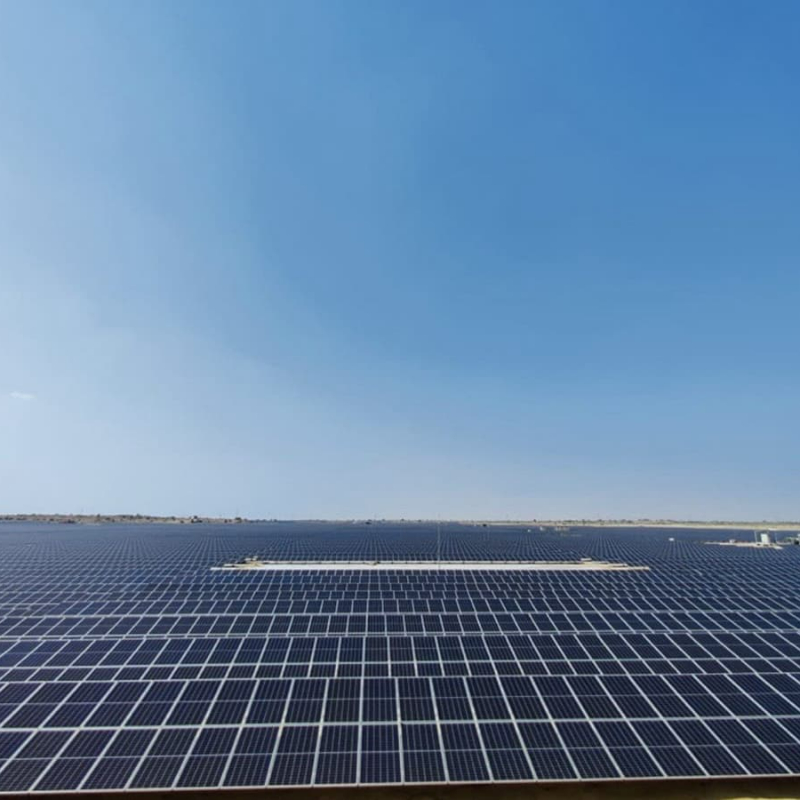
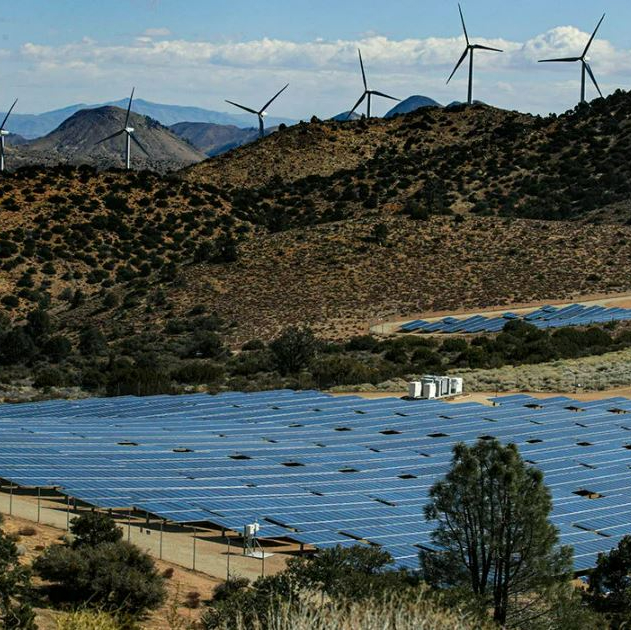
DescriptionLocal currency financing involves issuing debt in the currency of the borrower's income, thereby avoiding currency mismatches. Local currency financing can be provided by local financial institutions or by foreign financial institutions, which can then bear or hedge the currency risk. BenefitsBorrowing in local currency protects projects from foreign exchange risk. Local currency loans reduce the borrower’s risk of increased debt payments in the event of currency devaluation, therefore increasing the project creditworthiness. Beyond being an effective risk mitigation strategy, local currency lending also has co-benefits such as actively contributing to the development of local financial markets by increasing demand for local currency and developing financial products such as local currency bonds and currency swaps.  Case StudyADB financing local currency loan to ENGIE in IndiaIn 2024, the Asian Development Bank (ADB) and the ENGIE group finalized a local currency loan agreement of 14.6 billion Indian rupees (about USD 176 million) to fund a 400-megawatt solar photovoltaic power plant in Gujarat. The solar plant will use locally produced bifacial photovoltaic modules and is expected to generate 805 gigawatt-hours of electricity annually over 25 years. The loan was arranged by ADB, with equal contributions from ADB and the Asian Infrastructure Investment Bank. ADB helped provide long-term local currency financing not usually available in local markets and reduce the currency risk for the Gujarat Urja Vikas Nigam Limited, the state electricity regulation board, which was the sole off-taker. Additional Sourceshttps://www.cardanodevelopment.com/what-is-local-currency-finance/#:~:text=Local%20currency%20financing%20is%20the,of%20depreciation%20and%20avoid%20bankruptcyhttps://treasury.worldbank.org/en/about/unit/treasury/ibrd-financial-products/local-currency-financinghttps://www.adb.org/news/adb-engie-sa-partner-build-400-mw-solar-powerplant-gujarat-india
India
Local Currency Financing
DescriptionA portfolio guarantee is a financial instrument designed to help financial institutions manage and mitigate credit risk associated with a portfolio of assets. The guarantee can take various forms (e.g., risk sharing facility, synthetic risk transfer) and cover various risk allocations (up to 100%). It is structured to cover potential credit losses, thereby allowing financial institutions to manage risks more effectively. BenefitsLike credit guarantees, portfolio guarantees provide protection against credit losses, which reduces the overall risk for financial institutions. They allow leverage, meaning that a certain amount of guarantee can enable a larger amount of lending. But compared to individual credit guarantees, portfolio guarantees comparatively reduce the overall risk through diversification, which can also lead to lower transaction costs.  Case StudyGreen Guarantee Company building a portfolio guarantee for climate mitigating projects in emerging economiesIn 2024 was launched the Green Guarantee Company (GGC), a guarantor designed to mitigate investment risks and facilitate institutional investment in green bonds and loans in emerging and frontier markets. The GGC aims to leverage its investment-grade rating, to offer full guarantees on medium to long-term institutional debt issued in hard currencies. In case of payment defaults, the GGC would step in to ensure investors receive payments as scheduled. The GGC could also offer its guarantees along with Multilateral Development Banks guarantees as co-guarantors. The GGC’s primary goal is to mobilize private institutional capital to finance climate adaptation (including renewable energy projects) and mitigation projects in developing countries. It uses its own BBB credit rating to provide investment grade guarantees to borrowers in emerging markets, which in turn improves the borrowers’ ratings, and unlocks larger pools of capital. The GGC also plans to address technical barriers by providing a technical assistance (TA) facility and a reporting service, enhancing market readiness, and building local capabilities. The TA facility shall aid borrowers with structuring and certification support, while the reporting service ensures transparency and best practices in managing and using proceeds.GGC’s stakeholder base is comprised of United Kingdom’s Foreign Commonwealth & Development Office, the Green Climate Fund (GCF), the Nigeria Sovereign Investment Authority, the United States Agency for International Development with Prosper Africa and Norfund. These investors will invest USD 100 million so GGC could provide up to USD 1 billion of guarantees. The project proposal was first submitted to the GCF Board by MUFG Bank, which acts as an Accredited Entity of the GCF.Additional SourcesAsian Development Bank, Credit Guarantees, 2016, https://www.adb.org/sites/default/files/publication/203871/credit-guarantees.pdfhttps://www.ifc.org/en/what-we-do/products-and-services/treasury-client-solutions/portfolio-guaranteeshttps://www.climatefinancelab.org/wp-content/uploads/2023/01/GGC-report.pdfMUFG Presentation at virtual meeting of the Deputies (Network to Mobilize Investment for Clean Energy in the Global South), 18 April 2024
Global
Portfolio Guarantees
DescriptionA Revolving Credit Facility (RCF) is a flexible line of credit provided by financial institutions, allowing borrowers to access funds up to a predetermined limit. It is designed for short-term financing needs, where the borrower can withdraw, repay, and reuse the available funds multiple times. The facility is structured with a maximum amount that can be drawn upon and typically requires regular repayments. Interest is charged only on the amount borrowed, not the entire credit line, and terms may include variable rates based on the lender's prime rate, plus, a premium. BenefitsThe primary benefit of RCFs is flexibility. They enable borrowers to access funds on a need-basis, for various purposes, such as covering cash flow gaps or unexpected expenses. Unlike instalment loans, they allow for repeated use without reapplying, offering convenience and ongoing access to credit. Additionally, interests are only paid on the utilized portion, making it a cost-effective option for short-term financial needs and maximizing liquidity for the borrowers. Revolving Credit Facilities are especially suitable for clean energy projects with varying capital requirements over time and especially pertinent in an EMDE context. Case StudyAfDB providing its Revolving Fund for the financing of the Eastern Ethiopia Electricity Grid Reinforcement ProjectIn 2024, the African Development Bank (AfDB) approved the financing of the Eastern Ethiopia Electricity Grid Reinforcement Project, which is scheduled for completion in 2028. It aimed to improve access to reliable electricity in eastern Ethiopia by increasing the capacity of the transmission system. The project included the construction of new high-voltage transmission lines and substations, ultimately increasing transmission capacity from 70 MW to 360 MW, and significantly improving the region's electricity supply. The project also included capacity building and the implementation of key environmental and social management plans, including the Environmental and Social Management Plan (ESMP), the Resettlement Action Plan (RAP) and the Gender Action Plan (GAP).The total cost of the project amounted to USD 120 million. It included a joint co-financing arrangement between the African Development Fund (in the form of a USD 52-million grant) and Korean Exim Bank (in the form of a USD 52-million loan provided under the Korean - African Energy Investment Framework (KAEIF) through the Korea Economic Development Cooperation Fund (EDCF)). The AfDB, who administered the financial package, structured some of the loan resources to be applied as a Revolving Fund (or special account) to finance AfDB's share of eligible operating expenses and to give the developer flexibility in project implementation while efficiently meeting their local currency or foreign exchange requirements on a revolving basis. The remaining 13.3% (i.e., USD 15.89 million) of the project cost was covered by the Government of Ethiopia.Additional Sourceshttps://www.british-business-bank.co.uk/business-guidance/guidance-articles/finance/what-is-a-revolving-credit-facilityhttps://corporatefinanceinstitute.com/resources/commercial-lending/revolving-credit-facility/#:~:text=A%20revolving%20credit%20facility%20is,or%2C%20simply%2C%20a%20revolverAfrican Development Bank, Disbursement Handbook, 2020, https://www.afdb.org/sites/default/files/documents/financial-information/disbursement_handbook_en_final_version_march_2020.pdfAfrican Development Bank, Eastern Ethiopian Electricity Grid Reinforcement Project, 2023, https://www.afdb.org/sites/default/files/documents/projects-and-operations/ethiopia_-_eastern_ethiopia_electricity_grid_reinforcement_project_-_project_appraisal_report.pdf
Ethiopia
Revolving Credit Facility
DescriptionPolitical Risk Insurance (PRI) is a de-risking tool that helps mitigate risks arising from the adverse actions—or inactions—of governments (e.g., expropriation, currency inconvertibility and transfer restrictions, breach of contract), war, civil unrest, and terrorism. PRI can be provided by multilateral agencies (with a development mandate), or national export credit agencies (ECAs) which typically support investors and lenders from their home country. Private for-profit PRI providers also exist. Benefits By helping to avoid potential losses due to political causes, PRI helps provide a more stable environment for investments into developing countries, and, as a result, to unlock better access to finance. It enhances investors’ confidence in markets perceived as riskier, therefore allowing them to concentrate on the commercial aspects of their investments. In certain cases, PRI also reduces the provisioning requirement of lenders, thus improving overall financing terms. Case StudyMarsh extended Political Risk Insurance in West AfricaMarsh, a global leader in insurance broking and risk management, is an example of commercial PRI provider. In April 2024, Marsh arranged a highly bespoke private political risk insurance solution for a renewable energy investor working with a large lithium mine in Mali that was looking to replace conventional power generation for a mine operation. The developer-owner-operator of the project invested USD 36 million in equity – which was the policy's limit of liability – for a captive solar, thermal, and battery storage facility to be installed at the mine, with the mine owner being the sole power off-taker. The PRI was “extended” as it not only covered the newly developed power project, but also the additional risk of Government interference at the mine that risked indirectly impacting the project performance and viability. Covering two legally separate but physically linked assets with different risk profiles was a challenge that this extended PRI solution allowed to overcome.The PRI package provided by Marsh comprised coverage for events affecting the insured’s assets as well as political risk events affecting the mine. Extending political risk insurance coverage in this way allowed the insured to obtain sufficient comfort that they had de-risked the project adequately, given its exposure to the mining sector.Marsh was instrumental in drafting unique policy terms and conditions to accommodate such political and contractual complexity. The solution developed allowed the client to ultimately agree to sign the project / supply agreements with the Lithium mine. This successful project allowed a significant reduction in the local cost of energy as well as increased certainty over power delivery for a remote area of Mali, while reducing the carbon footprint of the mine.Additional Sourceshttps://www.miga.org/political-risk-insurancehttps://www.miga.org/sites/default/files/archive/Documents/WIPR10ebookchap3.pdfhttps://data.worldbank.org/indicator/EG.ELC.ACCS.ZS?end=2022&skipRedirection=true&start=2022&view=map&year=2021Marsh consultation interview, 5 August 2024
Mali
Political Risk Insurance
DescriptionCredit guarantees are credit enhancement mechanisms which guarantee debt instruments such as loans or bonds. They’re an irrevocable promise from the guarantor to pay the principal and/or interest up to a pre-determined amount, which is typically expressed as a percentage of principal. A credit guarantee is “partial” when it covers less than 100% of the debt, or “full” if it provides a 100% coverage.  BenefitsCredit guarantees improve the appetite of lenders and investors for financing projects through better risk allocation among funders and guarantors. As a result, guarantees facilitate market access for borrowers, encourage long-term funding, help crowd-in private capital, and allow for better financing terms. They are especially useful for complex development projects in high-risk environments, as they help mitigate political and counterparty risks that are difficult for private investors to manage and price. Additionally, they help expand and enhance the financial sector in developing countries, contributing to overall economic development and stability. Case StudyGuarantCo’s USD 27 million guarantee facility to boost renewable energy in Southern AfricaGuarantCo, part of the Private Infrastructure Development Group (PIDG), was established in 2005 to help close the infrastructure funding gap and alleviate poverty in lower income countries across Africa and Asia. The de-risking solutions offered by GuarantCo are fantastic illustrations of the enablers needed to mobilize private capital in emerging and developing economies. As an example, in 2024, GuarantCo provided Africa GreenCo with an 8-year USD 27 million framework guarantee facility to back its payment obligations to the Independent Power Producers (IPPs) it would buy clean energy from. The innovativeness of this structure lied in the fact that, while a guarantee framework was agreed between Africa GreenCo and GuarantCo, guarantees would be issued directly to the IPPs, providing them and their lenders with the comfort to enter into contracts and build renewable power projects in many countries across Southern Africa.The USD 27 million guarantee is expected to enable up to USD 270 million of private capital in IPPs; an excellent mobilization ratio of ~x5.45. Through the transaction, 200-300MW of renewable energy will be brought online, providing improved electricity access to grid-tied businesses and end users (Sustainable Development Goal 7.1) whilst enabling renewable energy to avoid and reduce GHG emissions (SDG 13).The Africa GreenCo model is, in itself, also worth highlighting. It helps mitigate the risk of purchaser default through the ability to secure alternative buyers or via trading on the South Africa Power Pool (SAPP) electricity market. Africa GreenCo acts as a credit worthy off-taker of renewable energy from IPPs and, in turn, sells the energy to a diversified portfolio of Commercial & Industrial customers in Southern Africa. Through its activities, GreenCo increases the supply of, and demand for, finance for energy projects, and mobilizes private sector capital faster to boost renewable energy generation in the region.Additional Sourceshttps://www.ifc.org/content/dam/ifc/doc/2023/ifc-product-description-partial-credit-gurantees.pdfhttps://www.adb.org/what-we-do/private-sector-financing/guaranteeshttps://thedocs.worldbank.org/en/doc/634711443560767054-0290022015/original/GuaranteesSummaryMozambiqueSARGPRGIBRDENCLAVE.pdfhttps://africagreenco.com/about-us/ https://guarantco.com/news/guarantco-provides-africa-greenco-with-a-usd-27-million-guarantee-to-boost-renewable-energy-in-southern-africa/  
South Africa, Namibia, Botswana, Zimbabwe
Credit Guarantees
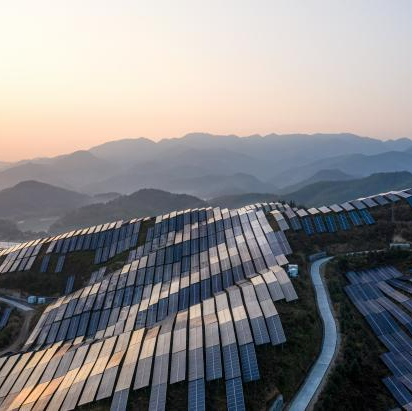
DescriptionA counterparty guarantee is a form of assurance provided by one party (the guarantor) to another party (the beneficiary) to perform the obligation of a third party if the third party fails to perform its obligation. Generally, counterparty guarantees are financial obligations that require the guarantor to make a payment on behalf of the guaranteed entity (e.g., service debt), but they can also require other compensation (e.g., termination payment) and cover operational obligations (e.g. supply of materials, construction). BenefitsCounterparty guarantees cover counterparty risk (i.e., risks arising from an entity’s – often the utility’s – poor credit quality). In project finance, counterparty guarantees facilitate the financing of projects that would otherwise be considered too risky. Such guarantees can increase investor confidence, broaden the pool of potential financiers, and improve financing terms by reducing costs, increasing available funds, and extending loan maturities. This in turn reduces the annual debt service costs for project users. Case StudyMIGA issuing guaranteeing the State Bank of India paymentsIn 2024, the Multilateral Investment Guarantee Agency (MIGA) issued a USD 317.5 million guarantee for loans from Citi, Crédit Agricole CIB and Standard Chartered Bank to the State Bank of India (SBI). The guarantee, with a term of up to 10 years, covers the risk of default by a state-owned enterprise – in this case SBI. It was designed to refinance part of an existing USD 500 million IBRD loan for grid-connected rooftop solar photovoltaic (GRPV) systems in India. The GRPV programme, launched in 2016, supported commercial and industrial customers with solar systems.The guarantee shall mobilise private sector capital for SBI, facilitate the recycling of IBRD loans for other projects, and potentially save refinancing costs for SBI. At the time of writing, the transaction was expected to have a positive demonstration effect, encouraging international commercial banks to engage in similar projects in India or other countries.Additional SourcesS&P Global, Project Finance Construction And Operations Counterparty Methodology, 2011, https://maalot.co.il/Publications/MT20180214122842.PDFGlobal Infrastructure Facility, Government Guarantees for Mobilizing Private Investment in Infrastructure, 2019, https://ppp.worldbank.org/public-private-partnership/sites/ppp.worldbank.org/files/2020-02/Government-Guarantees%20for%20Mobilizing%20Private%20Investment%20in%20Infrastructure.pdfWorld Resources Institute, Mobilizing Private Investment in Climate Solutions: De-risking Strategies of Multilateral Development Banks, 2023, https://files.wri.org/d8/s3fs-public/2023-07/mobilizing-private-investment-climate-solutions.pdf?VersionId=eP7TinOgdXimK859xF2Flj_utYKachIThttps://www.miga.org/project/sbi-rooftop-solar-refinancing-0
India
Counterparty Guarantees
Challenges to investment South Africa faces significant challenges in its power supply, with insufficient generation capacity and transmission infrastructure frequently resulting in load shedding (335 out of 365 days saw outages in 2023). Leading into 2023, the government of South Africa had identified small-scale, embedded power generation such as solar rooftop PV as one of multiple solutions to address/overcome these challenges, helping reduce households and small and medium enterprises (SMEs) dependence on the national grid. However, SMEs and households both struggled to meet the high upfront costs required to install such solutions, limiting end-user demand for renewable energy (RE) technologies such as rooftop solar. Limited demand in turn constrained the ability of small Energy Service Companies (ESCOs) and rooftop suppliers to scale up and accelerate deployment.  Approach To address these challenges, the South African National Treasury launched the Energy Bounce Back (EBB) Loan Guarantee Scheme in August 2023. By guaranteeing solar-related loans, the EBB seeks to facilitate the RE transition and to support 1000 MW of rooftop solar generation by August 2024, increasing resilience against load shedding. To achieve this goal, the government partners with commercial banks, DFIs and non-SME finance providers to identify projects and provide loans to SMEs and households. The National Treasury then guarantees 20% of initial losses on rooftop solar loans, administered by the South African Reserve Bank, and private finance providers assume the remaining risk. The guarantees help reduce the cost of loans by lowering the perceived risk of solar investments, encouraging financial institutions to lend to such projects.The EBB operates through three main mechanisms. First, EBB offers loan guarantees for rooftop solar systems and power resilience assets (e.g. portable batteries), reducing financial risk for banks and making loans more accessible to SMEs and households. Second, EBB provides loans directly to ESCOs, enabling them to provide leasing, installment sales, and power purchase agreements for solar systems, which reduces upfront costs for end-users. The third mechanism provides working capital loans to businesses within the solar supply chain, ensuring they can meet the increased demand for solar equipment and installations. The EBB will be regularly assessed to evaluate its impact.  Key Enabling Conditions The EBB’s early progress is supported by several enabling conditions. South Africa’s advanced, stable banking system and deep capital market sustain a foundation for lending, enabling the EBB to rapidly scale its offering. Diverse participation of commercial banks, DFIs, and non-SME finance providers in the EBB facilitates the wider distribution of and access to loans. Also complementing the EBB are policies including tax incentives, which offer deductions of up to 25% of installation costs for households and 125% for businesses investing in RE projects. Impact / Outcomes Though results from EBB assessments were still pending at the time of writing, initial results were encouraging. Since August 2023, major South African banks such as ABSA Bank, First National Bank and Standard Bank have participated in the EBB. Immediate access was provided to commercial customers and was later provided to individual customers by the end of 2023, with loan options ranging between ZAR10,000 to ZAR10 million (~USD548 to USD548.6 million) for businesses, and ZAR300,000 (USD16,460) per household.Additional SourcesThe Banking Association of South Africa “Annual Report 2022”, https://www.banking.org.za/reports/ The Presidency Republic of South Africa “Just Energy Transition Implementation Plan 2023-2027”, https://www.stateofthenation.gov.za/assets/downloads/JET%20Implementation%20Plan%202023-2027.pdf https://www.treasury.gov.za/comm_media/press/2023/2023080801%20Energy%20Bounce%20Back%20Scheme%20FAQs.pdfhttps://www.cliffedekkerhofmeyr.com/news/publications/2023/Practice/Tax/special-budget-alert-22-february-The-lights-are-still-not-on-but-someone-has-finally-come-home.htmlhttps://www.sanews.gov.za/south-africa/treasurys-bounce-back-measures-help-households-solarhttps://solarquarter.com/2023/08/11/south-african-government-launches-energy-bounce-back-loan-scheme-to-fuel-solar-investment/
South Africa
Sovereign Guarantees
DescriptionBlended finance debt funds are vehicles that follow the blended finance structuring approach: leveraging catalytic capital from public or philanthropic sources to increase private sector investment in sustainable development. They aim to mitigate specific investment risks through the use of debt instruments and help to balance the risk/return profile of their investments. They are structured to overcome market barriers and leverage other investments to make otherwise commercially unviable projects viable. BenefitsBlended finance debt funds help fill financing gaps, address market failures and leverage private sector capital for strategic projects. By reducing perceived risk, these funds improve the creditworthiness of projects and encourage further investment. Blended debt funds can also help create markets by demonstrating the viability of certain investments. This disciplined and focused approach ensures that funds are used effectively, efficiently and transparently.Due to the nature of the financial instrument (i.e. debt), these funds are typically dedicated to less risky investments than blended finance equity funds.  Case StudyPentagreen Capital, HSBC and Temasek’s blended finance debt fundPentagreen Capital, launched by HSBC and Temasek in 2022 with USD 150 million in initial capital, aims to catalyze over USD 1 billion in loans within five years for sustainable infrastructure in Southeast Asia. It combines technical assistance and blended finance debt investment to unlock capital for marginally bankable projects in clean transport, renewable energy, energy storage, and water and waste management. Key strategic partners include the Asian Development Bank and Clifford Capital Holdings, providing technical and financial expertise. In 2023, it partnered with Citicore Solar Energy Corporation to accelerate new solar power projects in the Philippines. Pentagreen structured a USD 100 million Mezzanine Construction Green Loan Facility, committing an initial USD 30 million for six solar projects with a total capacity of 490MW. This funding aimed to mobilize additional debt to support ready-to-build projects, with a greenshoe option to increase the amount to USD 100 million for further expansion. In 2024, Clifford Capital and Pentagreen Capital announced a joint USD 30 million green loan with BECIS, an Energy as a Service (EaaS) provider, to finance 14 bioenergy projects in Southeast Asia and India. These projects will convert agricultural waste into renewable steam. The financing structure included a USD 30 million Secured Green Loan Facility, with Pentagreen’s tranche subordinated to Clifford Capital’s, and a potential increase to USD 50 million.Additional Sourceshttps://www.ifc.org/en/what-we-do/sector-expertise/blended-finance/how-blended-finance-workshttps://www.convergence.finance/blended-financehttps://www.pentagreen.com/pentagreen-capital-a-sustainable-infrastructure-debt-financing-company-established-by-hsbc-and-temasek-offically-launched.htmlhttps://www.pentagreen.com/pentagreen-capital-citicore-renewables-structure-100-million-usd-financing-to-accelerate-rollout-of-philippines-solar-projects.htmlhttps://www.pentagreen.com/clifford-capital-and-pentagreen-capital-announce-30-million-green-loan-collaboration-with-becis-to-support-bioenergy-projects-in-southeast-asia-and-india.htmlPresentation at the virtual meeting of the Deputies (Network to Mobilize Investment for Clean Energy in the Global South), 20 August 2024
Philippines, India, Indonesia
Blended Finance Debt Fund
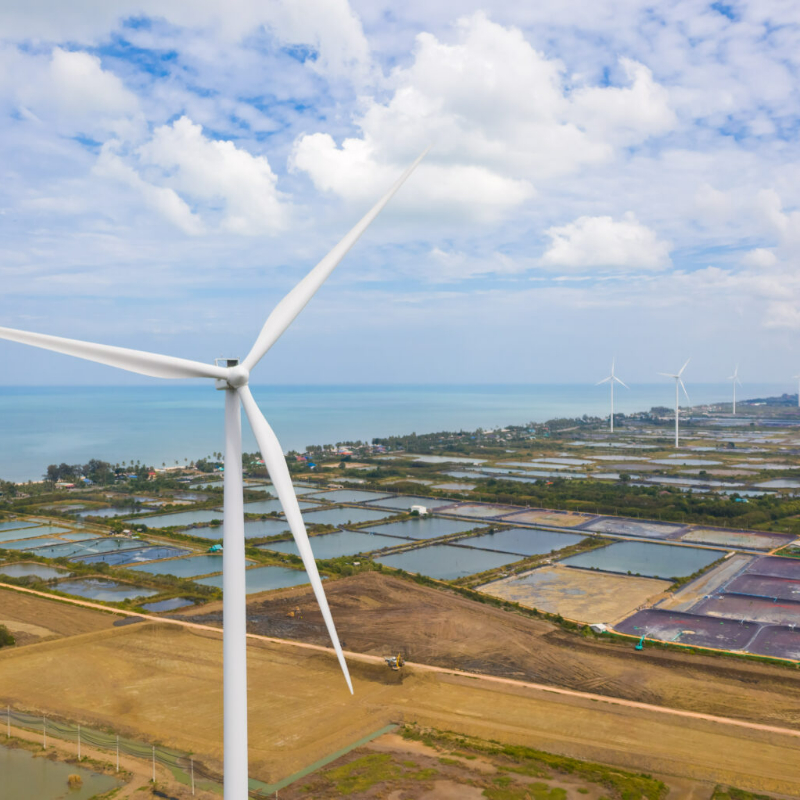
DescriptionVenture capital (VC) is a form of private equity investing that focuses on providing capital to earlier-stage businesses with high growth potential. In exchange for funding, investors receive an equity stake in the business. Companies seek venture capital to scale operations or develop new products and services, often operating at a loss for years before achieving profitability. Financing stages include pre-seed, seed, early-stage, and later-stage capital, each supporting different phases of business development. VC can invest through several instruments (e.g., common equity, preferred equity convertible debt) depending on the investors risk appetite and company needs.  BenefitsVC is a catalyst for innovation and job creation. By funding young, high-risk businesses with unproven management teams and/or emerging technologies, VC helps them develop and scale. This process not only fosters technological advancements but also favours employment opportunities. Additionally, successful VC ecosystems tend to attract talented nationals educated abroad, encouraging them to return and contribute to their home country's economic growth. VC also stimulates the local economy by enhancing management practices, fostering entrepreneurship, and encouraging quality innovations. VC can be a powerful enabler for the clean energy transition of emerging and developing economies, although it will operate at its best in transparent markets, where contract enforcement and financial market liquidity are optimized. Case StudyClime Capital South East Asia Clean Energy FundsIn 2023, Clime Capital, a Singapore-based venture capital and private equity fund manager, announced the first close of its second Southeast Asia-focused clean energy fund, SEACEF II, at USD 127 million. Investors included Development Finance Institutions (i.e., Australian Development Investments, Dutch development bank FMO, British International Investment), philanthropic organizations (i.e. Allied Climate Partners, Impact Assets, and the Global Energy Alliance for People and Planet).SEACEF II aimed to raise USD 135 million, building on the success of SEACEF I, which had raised USD 15 million in 2021. SEACEF I & II target early-stage, high-risk investments in renewable energy, energy efficiency, electric mobility, and electrical grid businesses in Vietnam, Indonesia, and the Philippines. In 2023, these countries represented 75% of Southeast Asia’s population and 80% of the region’s greenhouse gas emissions. SEACEF II's portfolio include companies like EBOOST (motorcycle electric charging stations), Xurya Daya Indonesia (rooftop solar developer offering dedicated financing options), and Levanta Renewables and Blueleaf Energy (large scale renewable developers). Additional SourcesMultilateral Investment Fund, Best Practices in Creating a Venture Capital Ecosystem, 2013https://corporatefinanceinstitute.com/resources/career-map/sell-side/capital-markets/venture-capital-financing/https://corporatefinanceinstitute.com/resources/career-map/sell-side/capital-markets/what-is-venture-capital/https://www.climecap.com/post/clime-capital-hits-127m-first-close-of-second-se-asian-clean-energy-fund
Viet Nam, Philippines, Indonesia
Venture Capital
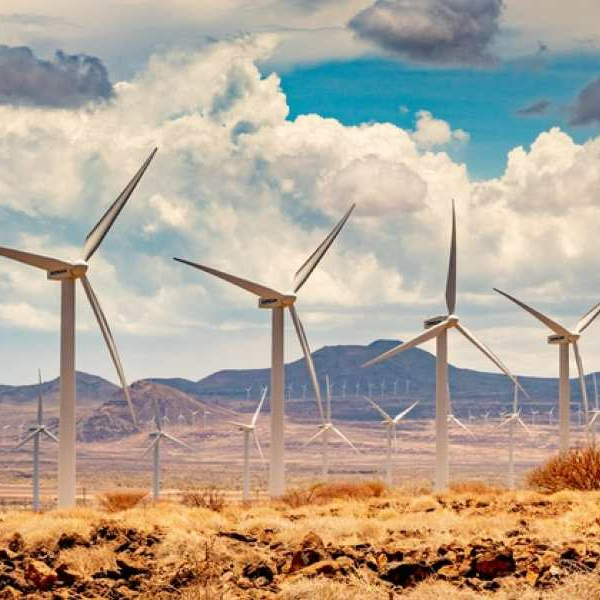
DescriptionSecuritization is the process of pooling income-generating assets, such as loans, leases or receivables, and selling them as tradable securities. This financial technique transforms illiquid assets into standardised instruments and provides a way to raise capital for projects. Cash flows from the underlying assets are used to pay interest and principal to the investors. The issuer creates a special purpose entity (SPE) that is insulated from the corporate risk of the parent company. The SPE creates and sells securities to investors, who receive interest payments based on the underlying cash flows. Securitization can involve complex structures such as tranching, where securities are divided into different risk and return categories tailored to the preferences of various investors. BenefitsSecuritization allows financial institutions to recycle funds by offloading mature project investments, freeing up capital for new developments and market growth. It also broadens the investor base by creating standardised investment products that meet the needs of traditional investors and diversify risk. On top of diversifying sources of capital, this method provides a layer of protection to the company's balance sheet, reducing perceived leverage and potentially improving credit ratings. Additionally, securitization can offer a lower cost of capital by providing access to longer-term funding at more favourable rates and a predictable return. While securitization requires mature capital markets to ensure the presence of sufficient securities investors, it is a promising strategy to unlock capital and distribute risks in an EMDE context. Case StudyThe Eastern and Southern African Trade and Development Bank participating in a securitization deal in Kenya In 2023, the Eastern and Southern African Trade and Development Bank (TDB) participated in a landmark USD 130 million securitization deal arranged by Citi, aimed at broadening access to off-grid solar energy in Kenya. The deal, denominated entirely in Kenyan Shillings, marked a first-of-its-kind for the region and involved securitizing future payments from over a million customers who purchase solar products through a pay-as-you-go model. By pooling these anticipated cash flows, the transaction created tradable securities, which were sold to investors. This mechanism allowed the solar solution distributor, Sun King, to access substantial capital to further expand its operations and deliver clean, affordable energy to Kenyan households and businesses.Securitization provided a way to convert the illiquid future payments into liquid securities, attracting a diverse range of investors including development finance institutions and commercial banks. Notably, the deal included contributions from institutions such as ABSA Kenya, British International Investment, FMO, Norfund, and Standard Bank Kenya. The arrangement not only facilitated access to finance for solar projects but also provided a model for future securitizations in the renewable energy sector, particularly in emerging markets. The transaction was further supported by Sun King's Sustainable Financing Framework, which emphasized sustainability and contributed to meeting the United Nations Sustainable Development Goals.Additional SourcesDr. Francis M. O’Sullivan & Charles H. Warren, MIT Energy Initiative, Solar Securitization: an innovative renewable energy finance, 2016, https://energy.mit.edu/wp-content/uploads/2016/07/MITEI-WP-2016-05.pdfTravis Lowder & Michael Mendelsohn, National Renewable Energy Laboratory, The Potential of Securitization in Solar PV Finance, 2013, https://www.nrel.gov/docs/fy14osti/60230.pdfhttps://www.climatebonds.net/projects/models/securitizationhttps://www.tdbgroup.org/tdb-and-consortium-of-lenders-to-broaden-access-to-finance-for-off-grid-solar-in-kenya-via-usd-130m-transaction-with-sun-king-arranged-by-citi/
Kenya
Securitization
DescriptionGreen bonds are bond instruments utilized to finance or re-finance environmentally friendly projects. If the projects also have a social focus, the bonds are designated as "sustainability bonds." Proceeds from green bonds must be allocated to finance or refinance green projects (e.g., renewable energy, clean transportation, energy efficiency) that have clearly communicated environmental goals, a selection process for eligible projects, and a detailed plan for managing associated risks. Green bond issuers must provide annual updates on the fund allocation, including project descriptions, amounts allocated, and expected impacts. This transparency allows investors to understand the environmental benefits and financial viability of the projects funded by green bonds. There are four commonly recognized types of green bonds, green use of proceeds bonds, revenue bonds, green project bonds, and green securitized bonds. BenefitsGreen bonds are critical, yet under-utilized financing mechanisms for clean energy projects in emerging markets. By providing substantial capital, attracting diverse investors, lowering the cost of capital, and promoting sustainable development, they can play a vital role in advancing the clean energy transition and supporting economic growth in these regions.In recent years, green bonds have been growing in popularity as investors pursue socially responsible investing. These bonds may offer tax incentives and appeal to ESG-focused investors, potentially expanding the investor pool and lowering borrowing costs. Although they don't inherently offer better risk or return than conventional bonds, green bonds signal a commitment to sustainability, attracting diverse funding sources. In spite of the challenges commonly associated to assessing their impact or the exact use of funds, green bonds support environmental goals and aim to offer a transparent, diversified investment option that aligns finance with policy objectives. The evolution of the green bonds market promises increased standardization and investor comfort over time. Case StudyJ.P. Morgan acts as Joint Global Coordinator, Joint Bookrunner, and Development Finance Structuring Agent on a green bond offering in IndiaJ.P. Morgan Development Finance Institution (JPM DFI), established in 2020, aims to mobilize capital toward sustainable impact and to contribute toward the achievement of the UN Sustainable Development Goals (SDGs), especially in emerging markets. To support this effort, JPM DFI can act as Development Finance Structuring Agent (DFSA) for issuers. In this role, JPM DFI works with issuers to communicate their development impact intentions to stakeholders and prepare a framework for impact reporting. JPM DFI can work with corporates, financial institutions, sovereigns, and state-owned enterprises and has supported issuers globally. This disclosure can be done in conjunction with green, social or sustainable bonds or be added to vanilla bonds if the issuer intends to create incremental impact in their country and can commit to report against impact metrics on an annual basis.In 2023, J.P. Morgan acted as joint global coordinator, joint bookrunner and DFSA on ReNew Energy’s USD$400 million green bond offering. ReNew is a renewable energy developer headquartered in India. The Notes were certified as Green Bonds by Climate Bonds Initiative and have been verified by an independent verification provider. JPM DFI helped ReNew disclose their entity-level strategy to address sustainable impact in India in the Development Impact chapter in the bond’s offering memorandum. This chapter specifically highlighted ReNew’s commitment to reduce its carbon footprint, improve its overall water consumption, support local employment, and improve gender equality in their workforce. JPM DFI provided ReNew with a reporting template to report on their progress on these initiatives on an annual basis over the life of the bond to evidence how ReNew is supporting the SDGs in India. As DFSA, JPM DFI also supported the syndication of the deal and marketed the bond to investors with impact criteria. This further helped support the orderbook and brought in more impact-focused capital. To further advance this effort of improving impact disclosure, J.P. Morgan is currently a co-chair of the Impact Disclosure Taskforce. The Taskforce, a network of 60+ financial institutions, capital markets participants, and industry stakeholders, was formed to help address the most significant global development challenges and close the funding gap for the SDGs. In April 2024, the Taskforce published the Impact Disclosure Guidance, a voluntary guidance that looks to assist corporate and sovereign entities, particularly those in emerging markets, to use principles of impact measurement and monitoring to attract sustainable pools of capital. At the time of writing, a draft of the guidance was available for public consultation. Additional SourcesThe Green Bond Principles & ICMA, Green Bond Principles, 2021, https://www.ifc.org/content/dam/ifc/doclink/2022/the-green-bond-principles-202206.pdfGaea, World Economic Forum, Labelled Bonds for the Net-Zero Transition in South-East Asia, 2024, https://www3.weforum.org/docs/WEF_Labelled_Bonds_for_the_Net_Zero_Transition_in_South_East_Asia_2024.pdfhttps://www.worldbank.org/en/news/opinion/2018/10/10/the-pros-and-cons-of-green-bondshttps://corporatefinanceinstitute.com/resources/esg/green-bond/https://www.renew.com/who-we-areJP Morgan Development Finance Institution, 2023 Annual Report, https://www.jpmorgan.com/content/dam/jpm/cib/complex/content/investment-banking/development-finance-institution/DFI-Annual-Report-2023.pdfhttps://www.irena.org/publications/2020/Jan/RE-finance-Green-bonds
India
Green Bonds
DescriptionA carbon reduction bonus is a financial mechanism designed to incentivize the reduction of carbon emissions. This incentive can take various forms, such as a discount on the interest rate of a loan, or through a credit for emissions reductions, which can be sold on carbon markets to generate additional revenue streams. BenefitsA carbon reduction bonus provides a financial incentive by combining renewable energy financing with the monetization of emission reductions. This dual benefit can lower the overall cost of financing for projects that reduce greenhouse gas emissions. Additionally, it creates potential for financial gains in the context of regulated carbon market, leading to higher market value for emissions reductions achieved. This mechanism thus promotes investment in green projects by offering both immediate financial relief and potential future rewards. Case StudyIDB Invest structuring a Carbon Reduction Bonus in ChileIn 2023, IDB Invest structured a USD 125 million financial package for ENGIE Energía Chile to promote the country's energy transition by accelerating the closure of coal-fired power plants. The package included a USD 74 million senior loan, USD 15 million from the Clean Technology Fund (CTF), and USD 36 million from funds managed by IDB Group. The funding aimed to build and maintain a 162MW wind farm in Calama, Chile, facilitating the early retirement of two coal units in Tocopilla by two years.The deal implemented an innovative carbon reduction bonus mechanism, which monetized the emission reductions from closing the coal units. This bonus was realized through a reduced interest rate on the CTF loan, based on a synthetic CO2e sale-purchase mechanism. In the absence of a formal carbon market in Chile at the time of this deal, the synthetic CO2e sale-purchase structure assigned monetary value to the avoided emissions from the early closure of the coal assets. If an official carbon market were established during the loan term, ENGIE and CTF could benefit from any increase in carbon credit value as compared to the synthetic scheme. This structure, supported by Chile's government policies, showcased a novel approach to financing and incentivizing clean energy projects.Additional Sourceshttps://initiatives.weforum.org/micee/case-study-details/aJY6800000000ClGAIhttps://www.idbinvest.org/en/news-media/idb-invest-and-engie-chile-debut-worlds-first-pilot-project-monetize-cost-decarbonization
Chile
Carbon Reduction Bonus
DescriptionA Private Equity Fund is a type of investment vehicle that pools capital from multiple investors to acquire equity stakes in companies or a series of specific projects, typically within a defined sector or geographic area. In exchange for this capital infusion, investors obtain ownership interests in the targeted enterprises or initiatives, which may include voting rights, dividend payments, and a share in any potential capital gains. Unlike Venture Capital (VC) funds, which generally focus on early-stage startups and high-risk, high-reward ventures, Private Equity Funds are usually designed to invest in more established businesses with proven track records or in more advanced technologies that have already demonstrated market viability. These funds typically target larger deals, involving substantial capital commitments. Additionally, Private Equity Funds often play a strategic role in the companies they invest in, leveraging their ownership stakes to influence business direction, drive operational efficiencies, and enhance long-term value creation.  BenefitsPrivate Equity funds can serve as a catalyst for climate action in emerging economies by leveraging its capital to attract co-investment from more risk-averse financial partners. It does not only enhance the overall financing capacity for climate-related projects but also helps to distribute risk, making it more feasible to fund large-scale sustainable initiatives especially in regions with underdeveloped financial markets. Private Equity Funds also hold significant value for enterprises aiming to capitalize on climate investment opportunities. Their extended holding periods and ownership models tend to offer the stability and strategic guidance necessary for established companies to transition toward more sustainable operations. By channeling capital into long-term, moderate-risk, and high-capital-intensity projects, private equity plays a pivotal role in fostering sustainable economic growth in emerging markets.  Case StudyTPG launching a dedicated Private Equity strategy to finance Global South climate solutions In 2023, TPG, a global alternative asset management firm, announced the launch of the Global South Initiative as part of its broader TPG Rise Climate II private equity fund complex. This initiative represented a significant commitment to accelerating the transition to a low-carbon economy in emerging markets across the Global South, with the aim to raise USD 2.5 billion of equity, leveraging TPG’s decades of experience in the region.  Unveiled at the World Climate Action Summit during COP28, the initiative received a major USD 500-million equity commitment from Altérra, the world’s largest private investment vehicle for climate action. ALTÉRRA’s commitment was made on a “first-in-capped-out” basis, an innovative financial instrument in which the ALTÉRRA capital is drawn down first until fully drawn and capped at a specified threshold. Taken together, these structural levers are designed to enable other investors in the fund to capture additional potential upside in their risk-adjusted returns. This return enhancement capital, or more commonly known as catalytic capital, is designed to crowd in new sources of capital for high-growth climate opportunities in underserved markets in the Global South. Investments made as part of this initiative will focus on sectors aligned with the COP28 Action Agenda, including energy transition, industrial decarbonization, sustainable living, and climate technologies. The innovation in this initiative lied in its ability to leverage a much more substantial quantum of catalytic capital and apply it to private equity style investing at scale. In doing so, the catalytic capital aims to de-risk investments, and ultimately attract large-scale institutional funding that historically avoided markets like those found across the Global South. This approach has demonstrated early success in accomplishing its mission, as TPG announced in late September 2024 that it had made significant progress towards its target. The initiative built on TPG’s legacy climate fund (TPG Rise Climate I), which boasted a successful track record, including notable investments of USD 1 billion in Tata Motors' electric vehicle subsidiary, which spearheaded the electrification of passenger mobility in India.  Additional SourcesTransformative Climate Finance, World Bank, 2020, https://documents1.worldbank.org/curated/en/548391592335609551/pdf/Transformative-Climate-Finance-A-New-Approach-for-Climate-Finance-to-Achieve-Low-Carbon-Resilient-Development-in-Developing-Countries.pdfhttps://www.weforum.org/press/2022/04/private-equity-firms-can-be-catalysts-to-fighting-climate-change-here-is-how/https://www.tatamotors.com/press-releases/tata-motors-to-raise-1-bn-in-its-passenger-electric-vehicle-business-at-a-valuation-of-upto-9-1-bn-from-tpg-rise-climate/
Global
Equity Fund
DescriptionSovereign guarantees (otherwise known as government guarantees) are formal assurances provided by a national government to underwrite financial liabilities or obligations of a specific entity. They give lenders assurance that the government would assume responsibility for repaying a financial commitment or ensuring contractual obligations are met in case of default of the primary obligator. They enhance investor confidence by mitigating risks related to counterparty, political instability, regulatory changes, and sometimes also currency fluctuation, thus making investments more attractive.  Benefits Sovereign guarantees are crucial in sectors like infrastructure and clean energy, where private capital is essential but risks can be perceived as high, especially in an emerging and developing context. These guarantees typically enable the financing of projects that would not otherwise be able to receive financing by elevating the credit worthiness of the contracting entity. By demonstrating government commitment, they help build confidence and improve the terms of the financing (e.g., reduced financing costs, lengthened tenors). Their effect on lowering the risk profile of a project, also tend to expand the investors’ base and promote competition in bidding, which further decreases financing costs.To minimize risk and maximize benefit, government guarantees should be considered part of the project structuring and assessed for risk allocation, government exposure, affordability and sustainability. Case StudySouth Africa National Treasury’s Energy Bounce Back (EBB) Loan Guarantee SchemeLeading into 2023, the government of South Africa had identified small-scale, embedded power generation such as solar rooftop PV as one of multiple solutions to overcome load shedding challenges that its energy system was facing. However, SMEs and households both struggled to meet the high upfront costs required to install such solutions.In order to help de-risk these investments for small Energy Service Companies (ESCOs), the South African National Treasury launched in August 2023 the Energy Bounce Back (EBB) Loan Guarantee Scheme. By guaranteeing solar-related loans, the scheme sought to facilitate the RE transition and support 1000 MW of rooftop solar generation in its first 12 months of existence. To achieve this goal, the government partnered with commercial banks, DFIs and non-SME finance providers to identify projects and provide loans to SMEs and households. The use of a sovereign guarantee mechanism in the form of the National Treasury guaranteeing 20% of initial losses on rooftop solar loans, administered by the South African Reserve Bank, was absolutely key in de-risk investment projects administered in the scheme. This sovereign guarantee helped increase investors’ confidence around the availability of 1st loss capital, should borrowers not be able to honor loan reimbursements. It helped reduce the cost of loans by lowering the perceived risk of solar investments while also encouraging major financial institutions from the private sector (e.g., ABSA Bank, First National Bank, Standard Bank) to participate in the scheme. Additional Sourceshttps://www.irena.org/-/media/Files/IRENA/Agency/Publication/2020/Jan/IRENA_RE_Sovereign_guarantees_2020.pdfhttps://ppp.worldbank.org/public-private-partnership/sites/ppp.worldbank.org/files/2020-02/Government-Guarantees%20for%20Mobilizing%20Private%20Investment%20in%20Infrastructure.pdfhttps://www.treasury.gov.za/comm_media/press/2023/2023080801%20Energy%20Bounce%20Back%20Scheme%20FAQs.pdf
South Africa
Sovereign Guarantees
DescriptionA syndicated loan is a loan provided by a group of lenders, which is structured, arranged, and managed by one or more lead arranging financial institutions. Each borrower essentially deals with the lead institution but establishes a direct legal relationship with the borrower and receives an individual promissory note from the borrower.BenefitsSyndicated loans provide de-risking benefits. Participating banks can leverage the lead bank’s market expertise and lending best practices, reducing individual risk through shared knowledge. Borrowers gain new lending relationships, enhancing their financial network and access to resources. Pooling resources from multiple institutions can also allow for larger capital commitments. It enables lenders to mitigate risk by distributing exposure, reducing capital weight, and offering financial support to projects whose credit needs may surpass individual lender limits. Case StudyIFC structuring a syndication platform for Paris Agreement aligned investment in Emerging MarketsIn 2013, the International Finance Corporation (IFC), part of the World Bank Group, launched the Managed Co-Lending Portfolio Program (MCPP). MCPP is a syndication platform for institutional investors which raised USD 16 billion between 2013 and 2021 from several sub-programs like the MCPP Infrastructure, launched in 2016, which aimed to raise USD 5 billion for infrastructure investments in Emerging Markets. The latter used a portfolio strategy that bundled many projects, reduced risk, and achieved scale with a 9:1 ratio of private sector investment to catalytic capital.At COP26 in 2021, IFC announced the MCPP One Planet initiative, aimed at scaling up private capital mobilization into sustainable investments in the world's poorest countries. MCPP One Planet was the world's first cross-sectoral portfolio of emerging-market loans aligned with the Paris Agreement, enabling institutional investors to directly provide capital for 100% Paris-aligned lending. In 2022, MCPP One Planet made its first investment, combining institutional investor contributions with IFC’s funds to expand climate-responsible financing for private companies on the front lines of climate change. The program provides enhanced impact reporting, aligning with the Sustainable Development Goals and demonstrating tangible contributions to the Paris Agreement.MCPP Infrastructure and MCPP One Planet de-risked projects by leveraging IFC's expertise in deal origination and management, providing institutional investors with a reliable investment framework. Additionally, with support from the Swedish International Development Cooperation Agency (Sida), IFC offered a limited first-loss guarantee to meet the risk-reward profile required by institutional investors. These innovative financing solutions addressed the significant investment gap in emerging markets’ infrastructure, estimated in trillions of dollars annually, thus promoting economic growth and sustainable development in these regions.Additional SourcesAfrican Development Bank Group, Syndications & Co-financing presentation, 2020, https://afdb-org.jp/wp-content/uploads/Financial_Products_2.pdfConvergence, US Aid, Prosper Africa, The Action Plan for Climate & SDG Investment Mobilization, 2022, https://www.convergence.finance/api/file/cbc5b99bc59eed81188357317d05948a:63f5dcfdc5654d3e2b93ba70e23f03199ee5aaab1df60853fa024e403995f4fb5edebd4fc1139e873498e233a87cee9f693983a8d755786b5294821b04ba1c3d4fe630fd72ea60346926ee34b30f16114cfbffe8272c164baea9e3d1a59f5755af09b16bbe8eeb006da0a5f6ccb84698ec6bc1d9eaa040e1f77b23c82e5f15e0https://namwolf.org/syndicated-loan-loan-participations/https://www.ifc.org/en/what-we-do/sector-expertise/syndicated-loans-and-mobilization/portfolio-syndicationshttps://pressroom.ifc.org/all/pages/PressDetail.aspx?ID=18142
Global
Syndicated Loans
DescriptionSubordinated or mezzanine financing is a hybrid form of capital, positioned between senior debt and equity within a company or project capital structure. This layer of financing typically takes the form of unsecured debt or preferred equity, offering a flexible solution for businesses seeking to bridge the gap between traditional loans and equity financing. Mezzanine investors often have the option to convert their investment into equity, providing them with a potential ownership stake. Sitting between pure equity and senior debt in terms of priority of payment and cost of capital mezzanine’s payment structure often includes interest paid in cash or shares and a component to calculate the conversion of debt-to-equity. BenefitsSubordinated or mezzanine financing allows to raise capital without significantly diluting existing ownership. Often unsecured and junior to senior debt, it can help secure additional senior loans by leaving collateral free for other lenders. It also helps strengthen the alignment between the company or project and mezzanine investors as they benefit from its growth and profitability. This approach helps reduce the overall cost of capital by balancing a blend of senior debt, mezzanine debt, and equity. For investors, mezzanine financing provides an attractive opportunity, offering high returns compared to traditional debt, along with the potential for equity conversion. Additionally, the interest payments are often tax-deductible, enhancing the investment's overall appeal. Case StudyIn January 2022, Westa.Solar, a subsidiary of Austrian group RP Global, secured a USD 1.5 million mezzanine loan agreement with the Development Bank of Austria (OeEB). The financial resources were provided by the African-Austrian SME Investment Facility (AAIF) of the Austrian Federal Ministry of Finance. The fund allowed Westa.Solar to accelerate the development of solar projects in Nigeria, with a total of four to six photovoltaic projects being set up, totaling a capacity of 2.5 MW. Projects were to focus on commercial and industrial customers as part of a joint venture with an established Nigerian photovoltaic developer (Oolu). The first reference project, developed in the Nigerian state of Kano involved a 500kWp rooftop photovoltaic system installed on a factory.Additional Sourceshttps://triplejump.eu/wp-content/uploads/2021/08/TJ-EEGF-A2E-Mezzanine-Paper_Final-2.pdfhttps://corporatefinanceinstitute.com/resources/commercial-lending/mezzanine-financing/https://assets.bbhub.io/professional/sites/24/BNEF-Financing-India%E2%80%99s-2030-Renewables-Ambition_FINAL.pdfhttps://www.oe-eb.at/en/our-projects/projects-at-a-glance/westa-solar.htmlhttps://ceobusinessafrica.com/westa-solar-secures-us1-58m-mezzanine-loan-to-develop-solar-projects-in-nigeria/
Nigeria
Mezzanine Financing
DescriptionGreen bonds are bond instruments utilized to finance or re-finance environmentally friendly projects. If the projects also have a social focus, the bonds are designated as "sustainability bonds." Proceeds from green bonds must be allocated to finance or refinance green projects (e.g., renewable energy, clean transportation, energy efficiency) that have clearly communicated environmental goals, a selection process for eligible projects, and a detailed plan for managing associated risks. Green bond issuers must provide annual updates on the fund allocation, including project descriptions, amounts allocated, and expected impacts. This transparency allows investors to understand the environmental benefits and financial viability of the projects funded by green bonds. There are four commonly recognized types of green bonds, green use of proceeds bonds, revenue bonds, green project bonds, and green securitized bonds. BenefitsGreen bonds are critical, yet under-utilized financing mechanisms for clean energy projects in emerging markets. By providing substantial capital, attracting diverse investors, lowering the cost of capital, and promoting sustainable development, they can play a vital role in advancing the clean energy transition and supporting economic growth in these regions.In recent years, green bonds have been growing in popularity as investors pursue socially responsible investing. These bonds may offer tax incentives and appeal to ESG-focused investors, potentially expanding the investor pool and lowering borrowing costs. Although they don't inherently offer better risk or return than conventional bonds, green bonds signal a commitment to sustainability, attracting diverse funding sources. In spite of the challenges commonly associated to assessing their impact or the exact use of funds, green bonds support environmental goals and aim to offer a transparent, diversified investment option that aligns finance with policy objectives. The evolution of the green bonds market promises increased standardization and investor comfort over time. Case StudyVietnam’s inaugural internationally verified green bondIn 2022, Vietnam's first internationally verified green bond, arranged by Vietcombank Securities (VCBS), issued by EVNFinance, and partially guaranteed by GuarantCo, marked a pivotal development in the country's green finance landscape. The VND 1,725 billion (USD 75 million) bond, with a partial credit guarantee of VND 1,150 billion (USD 50 million), aimed to fund green infrastructure projects, particularly in the solar energy sector. This issuance was notable for being Vietnam's inaugural onshore, local currency green bond verified internationally, and the first corporate bond with partial guarantees attracting institutional investors like Manulife and AIA. The proceeds would finance long-term loans for projects under EVNFinance’s Green Bond Framework, focusing on rooftop and ground-mounted solar installations. These projects were expected to reduce the national grid's reliance on fossil fuels and promote cleaner, cheaper energy alternatives for commercial and industrial users. The Global Green Growth Institute provided technical assistance, ensuring the bond met international green standards. This issuance supported Vietnam's transition to a low-carbon economy and enhanced investor confidence in the potential of local currency green bonds. It set a precedent for future green financing initiatives, highlighting Vietnam's commitment to sustainable development and the broader goal of achieving net-zero carbon emissions. Additional SourcesThe Green Bond Principles & ICMA, Green Bond Principles, 2021, https://www.ifc.org/content/dam/ifc/doclink/2022/the-green-bond-principles-202206.pdfGaea, World Economic Forum, Labelled Bonds for the Net-Zero Transition in South-East Asia, 2024, https://www3.weforum.org/docs/WEF_Labelled_Bonds_for_the_Net_Zero_Transition_in_South_East_Asia_2024.pdfhttps://www.worldbank.org/en/news/opinion/2018/10/10/the-pros-and-cons-of-green-bondshttps://corporatefinanceinstitute.com/resources/esg/green-bond/https://guarantco.com/news/guarantco-provides-evnfinance-a-vnd-1150-billion-c-usd-50-million-partial-credit-guarantee-to-support-the-issuance-of-vietnams-inaugural-internationally-verified-green-bond/https://www.irena.org/publications/2020/Jan/RE-finance-Green-bonds
Viet Nam
Green Bonds
DescriptionDebt swaps refer to financial arrangements where a sovereign state or entity replaces a portion of its debt with a commitment to perform certain actions, for example related to climate change mitigation or adaptation. This concept is gaining traction, with several Global South countries executing such swaps to achieve debt relief and create fiscal space for development. Swaps can be bilateral, tripartite (with sovereign buying back its bonds from private investors to retire them), or multilateral (with international financial institutions). Debt swaps can take various forms, such as debt-for-nature swaps, where debt is exchanged for the country's investment in preserving natural resources, or debt-for-climate swaps, where similar deals are made to promote investments in climate resilience or sustainable infrastructure.  BenefitsDebt swaps can provide numerous benefits to emerging economies. By freeing up fiscal resources, they tend to alleviate fiscal pressure, while enabling countries to invest in crucial areas like climate adaptation, conservation, or clean energy infrastructure without exacerbating debt burdens. Additionally, these swaps can improve a country's credit rating, as seen in Belize, potentially lowering borrowing costs.  Case StudyEgypt and Germany debt swapIn 2022, during COP27 in Sharm El-Sheikh, a joint Political Declaration was released by the Governments of Egypt, Germany, and the United States of America on accelerating Egypt’s energy transition. As part of this commitment, the German government allocated EUR 104 million in debt swaps to support the Energy Pillar of the Nexus of Water, Food and Energy (NWFE نُوَفِّــي) program, specifically targeting the goal of achieving 42% renewable energy in the energy mix by 2030.In this context, a financing agreement worth EUR 54 million as debt swap was signed in June 2023 for the Egyptian Power Transmission Project as part of the financing package. This project has been considered the flagship of the Egyptian-German Cooperation within the Energy Pillar of NWFE (نُوَفِّــي) program.The Egyptian Power Transmission project focused on upgrading Egypt's electricity transmission network to better integrate renewable energies. It included the construction of two substations and the connection of two 500 MW wind farms, Amunet and Red Sea Wind Farm, to the national grid. These developments aimed to provide the Egyptian population and economy with a more reliable and cost-effective energy supply.Additional SourcesIMF, Swapping Debt for Climate or Nature Pledges Can Help Fund Resilience, 2022, https://www.imf.org/en/Blogs/Articles/2022/12/14/swapping-debt-for-climate-or-nature-pledges-can-help-fund-resiliencehttps://kairo.diplo.de/eg-de/-/2604434Al-Mashat, R., & Berglöf, E. (2023). Fostering Developing Country Climate Agency Crucial to Net-Zero Transition. Project Syndicate, https://www.project-syndicate.org/commentary/fostering-developing-country-climate-agency-crucial-to-net-zero-transition-by-rania-al-mashat-and-erik-berglof-2023-06
Egypt
Debt Swaps

Playbook of Solutions

A World Economic Forum Initiative
About Policy Measures De-risking Tools Finance Mechanisms Case Studies Get Involved
© 2026 All rights reserved
Privacy Policy & Terms of Service