Playbook of Solutions

Home
About
Policy Measures
De-risking Tools
Finance Mechanisms
Case Studies
Get Involved

Case Studies

The Playbook of Solutions is an interactive online tool, referencing concrete, already implemented policy measures, de-risking tools and finance mechanisms that have successfully helped unlock finance for clean energy in the Global South. 

Show more
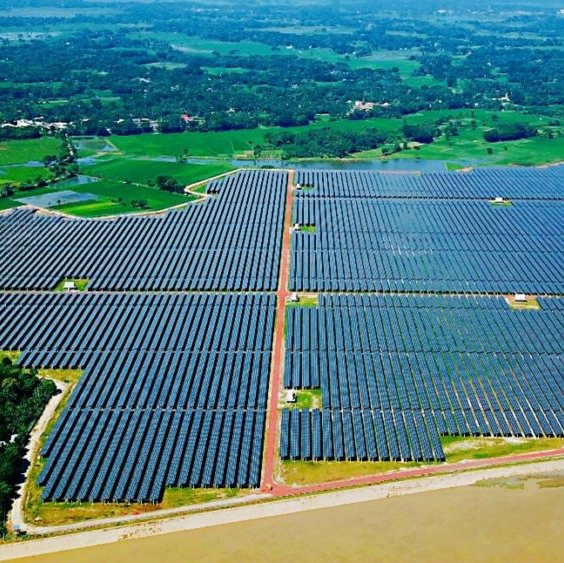
DescriptionSubordinated or mezzanine financing is a hybrid form of capital, positioned between senior debt and equity within a company or project capital structure. This layer of financing typically takes the form of unsecured debt or preferred equity, offering a flexible solution for businesses seeking to bridge the gap between traditional loans and equity financing. Mezzanine investors often have the option to convert their investment into equity, providing them with a potential ownership stake. Sitting between pure equity and senior debt in terms of priority of payment and cost of capital mezzanine’s payment structure often includes interest paid in cash or shares and a component to calculate the conversion of debt-to-equity. BenefitsSubordinated or mezzanine financing allows to raise capital without significantly diluting existing ownership. Often unsecured and junior to senior debt, it can help secure additional senior loans by leaving collateral free for other lenders. It also helps strengthen the alignment between the company or project and mezzanine investors as they benefit from its growth and profitability. This approach helps reduce the overall cost of capital by balancing a blend of senior debt, mezzanine debt, and equity. For investors, mezzanine financing provides an attractive opportunity, offering high returns compared to traditional debt, along with the potential for equity conversion. Additionally, the interest payments are often tax-deductible, enhancing the investment's overall appeal. Case StudyLaunched in 2022, Pentagreen Capital, a sustainable infrastructure debt financing platform established by HSBC and Temasek, closed in 2023 its first transaction with a landmark mezzanine financing facility for Citicore Solar Energy Corporation (CSEC), the solar development arm of Citicore Renewable Energy Corporation in the Philippines. The transaction structured a USD 100 million Mezzanine Construction Green Loan Facility, with an initial tranche of USD 30 million to finance six solar power projects, adding a total capacity of 490 MW. These projects are expected to avoid 430,000 tonnes of CO2 emissions each year.Pentagreen's mezzanine financing was designed to address a critical funding gap in Citicore's renewable energy development. By acting as the Mandated Lead Arranger and offering subordinated financing, Pentagreen enabled Citicore to efficiently allocate capital and complete the financing requirements to accelerate the construction of the solar projects and the completion of two additional facilities. This funding supported Citicore’s ambitious goal of rolling out 1 GW of solar capacity annually, in line with the Philippines’ Department of Energy’s targets for renewable energy growth by 2030. The facility also showcased the potential for blended finance to unlock capital for marginally bankable projects in Southeast Asia.Additional Sourceshttps://triplejump.eu/wp-content/uploads/2021/08/TJ-EEGF-A2E-Mezzanine-Paper_Final-2.pdfhttps://corporatefinanceinstitute.com/resources/commercial-lending/mezzanine-financing/https://assets.bbhub.io/professional/sites/24/BNEF-Financing-India%E2%80%99s-2030-Renewables-Ambition_FINAL.pdfhttps://www.pentagreen.com/pentagreen-capital-citicore-renewables-structure-100-million-usd-financing-to-accelerate-rollout-of-philippines-solar-projects.html
Philippines
Mezzanine Financing
Challenges to investmentAs of end-2021, electricity demand in Vietnam was forecast to increase annually by 7.9-8.9%, with total generation capacity expected to grow from 77 GW to 122-146 GW by 2030. Renewable sources, including wind, solar, and hydro power, were projected to represent 36-47% of that new installed capacity. However, Vietnam’s transmission infrastructure needed to expand rapidly to integrate the new renewable energy generation sources. Until 2011, Vietnam Electricity (EVN) held a monopoly on transmission and distribution, with foreign investor participation limited by restrictions on foreign direct investment. To meet rapidly growing electricity demand and connect new RE generation sources to the grid, Vietnam needed to promote foreign private investment in transmission and distribution, which would create a sustainable and stable power system. ApproachOn 11 January 2022, Vietnam’s National Assembly passed Law No. 03/2022/QH15, amending the Law on Electricity 28/2004/QH11. These amendments, effective 1 March 2022, increased foreign investors’ ability to participate in Vietnam’s electricity grid, allowing them to build, manage, and operate power grids. Specifically, the law removed previous caps on foreign ownership, so private players could invest in the construction of the electrical transmission grid and operate the grids they invested in. Balancing increased foreign ownership in grid projects, the Vietnamese government retained its monopoly over managing the national power grid system and constructing and operating large electricity plants of particular socio-economic importance as well as national defense and security significance. Key Enabling ConditionsVietnam's firm commitment to increasing RE, as stated in the eighth National Power Development Plan (NPDP), opened opportunities for the foreign, foreign investment in grid development and helped to integrate Vietnam’s rising RE generation capacity. The amendments to the Law on Electricity were also complemented by broader government efforts to increase foreign direct investment, such as the 2020 amendments to the Law on Investment.Impact / OutcomesFor the period 2021-2030, Vietnam issued extensive enhancement plans for its power infrastructure, involving the construction of new 500 kV substations totaling 49,350 MVA, the renovation of existing substations amounting to 38,168 MVA, and the establishment of 12,300 km of new 500 kV transmission lines, in addition to the renovation of 1,324 km of existing lines. Additionally, the plan included the construction of 16,285 km of new 220 kV transmission lines and the renovation of 6,484 km of existing lines. The total investment capital required was estimated at $134.7 billion, with $14.9 billion for the transmission grid. Although the amendments permitted foreign investor participation in grid projects, investors still faced regulatory risks due to stringent compliance requirements and security concerns. Additionally, starting 22 November 2022, the private sector shared tariff-setting responsibility with EVN, overseen by the Electricity Authority of Vietnam (ERAV). Annex V of the Implementation Plan of Power Development Plan 8 lists priority grid projects, including projects to connect domestic sources and projects to import electricity from neighboring countries.Additional SourcesPioneer International Consulting (2023). Option Analysis for Private Sector Investment into Vietnam’s Transmission Network, https://vepg.vn/wp-content/uploads/2023/08/Options-for-private-sector-investment-into-Vietnams-grid-24042023-ENG.pdf https://www.dfdl.com/insights/legal-and-tax-updates/vietnam-changes-to-the-law-on-electricity/#:~:text=03%2F2022%2FQH15%20(the,Law%20on%20Electricity%202004%E2%80%9D)https://en.baochinhphu.vn/decision-approving-national-power-development-plan-8-111230614195813455.htm https://www.enerdata.net/publications/daily-energy-news/vietnam-power-develoment-plan-to-double.html#:~:text=Vietnam%20has%20unveiled%20its%208,2030%20(about%2030%20GW)https://www.iea.org/data-and-statistics/data-tools/energy-statistics-data-browser?country=VIETNAM&fuel=Energy%20supply&indicator=ElecGenByFuel https://law.asia/investment-strategies-vietnam-foreign-businesses/ https://www.pecc3.com.vn/en/law-on-amendments-and-supplements-on-articles-of-the-law-on-electricity/ https://vietnamnews.vn/politics-laws/1112818/investment-electricity-law-amendments-discussed-at-na-extraordinary-session.html https://www.wfw.com/articles/vietnam-issues-implementation-plan-of-power-development-plan-8/
Viet Nam
Lifting Restrictions on FDI
DescriptionPolitical Risk Insurance (PRI) is a de-risking tool that helps mitigate risks arising from the adverse actions—or inactions—of governments (e.g., expropriation, currency inconvertibility and transfer restrictions, breach of contract), war, civil unrest, and terrorism. PRI can be provided by multilateral agencies (with a development mandate), or national export credit agencies (ECAs) which typically support investors and lenders from their home country. Private for-profit PRI providers also exist. Benefits By helping to avoid potential losses due to political causes, PRI helps provide a more stable environment for investments into developing countries, and, as a result, to unlock better access to finance. It enhances investors’ confidence in markets perceived as riskier, therefore allowing them to concentrate on the commercial aspects of their investments. In certain cases, PRI also reduces the provisioning requirement of lenders, thus improving overall financing terms. Case StudyMIGA Political Risk Insurance facilitates clean energy projects in Democratic Republic of Congo (DRC)The Multilateral Investment Guarantee Agency (MIGA), a member of the World Bank Group, is one of the leading providers of Political Risk Insurance. MIGA’s PRI products mitigate the risks associated with investing in emerging markets and developing economies with a focus on fragile and/or conflict-affected states. MIGA PRI supports the World Bank’s goal of poverty reduction and shared prosperity on a livable planet. In 2022, the Democratic Republic of Congo (DRC) had one of the lowest electrification rates in the world with 15.7% of the population having access to electricity. In 2023, MIGA issued a USD 50.3 million guarantee to CES AC1 Limited of Mauritius, a subsidiary of Congo Energy Solutions Limited (CESL), for its equity investment in Nuru SASU who’s responsible for construction, operation, maintenance, expansion of a 11.7MW of solar-hybrid metro-grid sites and the refinancing of a 1.3MW existing metro-grid. MIGA’s Political Risk Insurance covered risks such as expropriation, transfer restriction and inconvertibility, and war and civil disturbance for up to 15 years. MIGA’s risk exposure was shared with the IDA Private Sector Window (PSW) and the Renewable Energy Catalyst Trust Fund, helping to spread the risk and reduce the cost of the guarantee for the project enterprise.In the case of this clean energy project, the use of PRI was absolutely critical in easing investors’ concerns around political and economic instability, providing a secure environment for investors and encouraging private sector participation.Additional Sourceshttps://www.miga.org/political-risk-insurancehttps://www.miga.org/sites/default/files/archive/Documents/WIPR10ebookchap3.pdfhttps://www.miga.org/project/nuru-solar-hybrid-mini-grids-1https://data.worldbank.org/indicator/EG.ELC.ACCS.ZS?end=2022&skipRedirection=true&start=2022&view=map&year=2021
Democratic Republic of the Congo
Political Risk Insurance
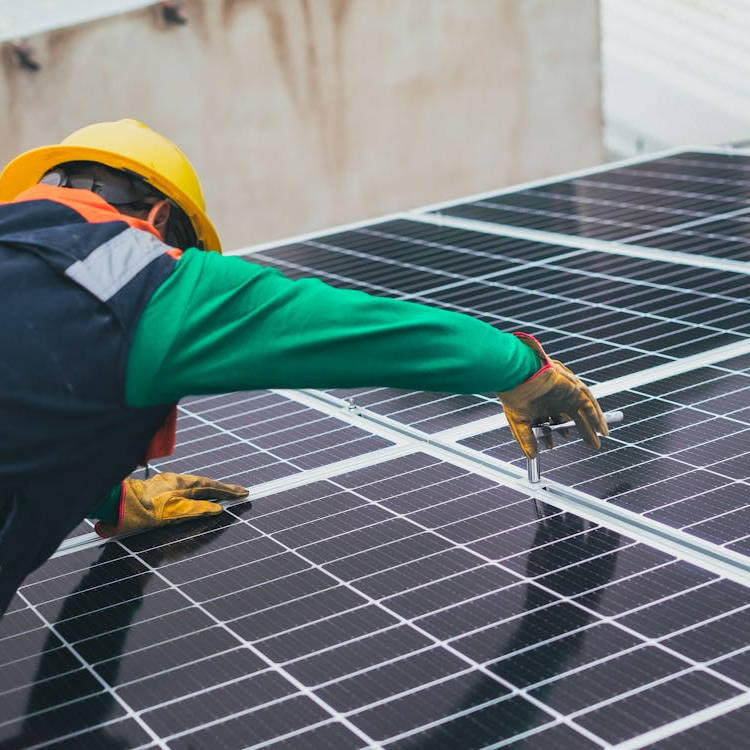
Challenges to investmentIt’s projected that the clean energy transition will require approximately 1 million new jobs across the EU by 2030. This transformation will require supporting workers in updating their skills and shifting the education system’s attention towards affected communities. In Romania, which has committed to phasing out coal by 2032, this transition involves updating existing competencies or learning a completely new set of skills. Workers in polluting industries would need to be supported with complex and integrated interventions to facilitate a transition between sectors and ensure the sustainability of new occupations. At the time of writing, Gorj was the Romanian region the most affected by undergoing decarbonization efforts, with around 8,000 employees still active in the coal mining industry. This meant an acute need for alternative, sustainable jobs, and accompanying measures to guarantee workers’ transition.  ApproachIn accordance with the EU Partnership Agreement with Romania – 2021-2027, a €31.5-billion package was allocated to Romania as part of the EU Cohesion Policy. This included a €2.14-billion contribution to social and economic impact of the green transition as part of the Just Transition Fund (JTF). From these funds, almost €300 million were allocated to workforce reskilling/upskilling, supporting six beneficiary Romanian counties. The Just Transition Fund was a fundamental pillar of the Just Transition Mechanism (JTM) announced in 2019 as part of the European Green Deal. The Renewable Energy School of Skills (RESS) was one of the beneficiaries of this support in Romania. The RESS established the largest network of vocational training centers in the country for renewable energy sources, aimed at facilitating the transition from coal-based energy production to renewable energy sources. The RESS featured two primary locations in Constanța and Petroșani, along with four additional centers in Târgu-Jiu, Bucharest (at the Polytechnic University), Galați, and Arad, which is home to one of the largest photovoltaic parks in Europe, with an approved capacity exceeding 1,000 MW.As part of its programs, the RESS capitalized on the transferable technical skills of mining sector technicians, equipping them with both practical and theoretical knowledge necessary to excel as technicians and specialists in the solar, wind, and energy distribution sectors.  The RESS successfully implemented targeted programs such as RenewAcad—co-financed by the EU, and set up in partnership with of Oltenia Energy Complex (OEC) and the Equal Opportunity Foundation. The program notably launched a comprehensive counseling and professional retraining initiative in Rovinari, Gorj. The course aimed at preparing OEC employees to take part in the construction of new photovoltaic parks. In 2024, RenewAcad marked the completion of the 4th vocational training course of the RenewAcad – Targu Jiu project, with 100 people originating from the coal industry specialized in the installation of photovoltaic systems. Following massive over-subscription, this program was continued.  Key Enabling ConditionsSeveral key factors drove the success of the development and implementation of the RESS in Romania.In Romania, skills anticipation studies undertaken by government ministries and agencies – namely the Ministry of Education (Ministerul Educației), the National Institute of Statistics (Institutul Naţional de Statistică), and the National Commission for Strategy and Prognosis (Comisia Naţională de Strategie şi Prognoză) – were critical in assessing and forecasting future needs for the power sector.The financial support provided by the EU was also key to enabling a long-term commitment and building the infrastructure necessary to boost upskilling and reskilling programs.Lastly, integrated partnerships between public institutions, the private sector, educational institutions, and civil society were of the utmost importance. Grassroots and bespoke support measures, although time- and resource-intensive, ensured that the workforce would undergo a more engaged and accepted transition. These initiatives were complemented by policies and programs that encouraged the development of high value-added skills to reintegrate workers into the labour market.Impact / OutcomesAt the time of writing, the RESS in Constanța alone had trained over 5,000 wind energy technicians in Romania. Additional programs and locations were expected to add to this number, with the intention to retrain up to 800 coal miners as technicians in the renewable energy and energy distribution fields annually, for a total of 8,000 technicians over the entire programs’ lifespan. The awarded certifications would provide technicians with employment opportunities in installation, operation and maintenance of renewable energy and grid projects both in Romania and abroad. Additional SourcesEuropean Commission, 2022 The Possible Implications of the Green Transition for the Labour Market (europa.eu)European Commission – Cohesion Policy for Romania, 2022 https://ec.europa.eu/commission/presscorner/detail/da/ip_22_4662  European Commission – Partnership Agreement with Romania – 2021-2027, 2022 https://commission.europa.eu/publications/partnership-agreement-romania-2021-2027_en#detailsWorld Economic Forum, 2020 Case Study Details - Mobilizing Investment for Clean Energy in Emerging Economies - EU Just Transition Mechanism (weforum.org)BZEE e.V. (Training Centres for Renewable Energy Non-Profit Association, or in GermanBildungszentren fürErneuerbareEnergieneingetragenerVerein) BZEE e.V.Industry Standard for Trainings in Wind Energy (bzee-association.org) Energy Industry Review – RenewAcad Completes 4th Training Course for Specialists in Green Jobs of the Future https://energyindustryreview.com/renewables/renewacad-completes-4th-training-course-for-specialists-in-green-jobs-of-the-future/Solar Energy Bucharest Summit. https://solarenergy-expo.ro/en/sponsor/ress-renewable-energy-school-of-skill/ IEA Skills Development and Inclusivity for Clean Energy Transitions, 2022 https://iea.blob.core.windows.net/assets/953c5393-2c5b-4746-bf8e-016332380221/Skillsdevelopmentandinclusivityforcleanenergytransitions.pdfAssociated Press - As coal plants shut in Romania, some miners transition to green energy while others are reluctant, 2024 https://apnews.com/article/coal-energy-transition-romania-715c79d312dc62bf5a5ef0d68e32d6fd 
Romania
Workforce Development/Reskilling Measures
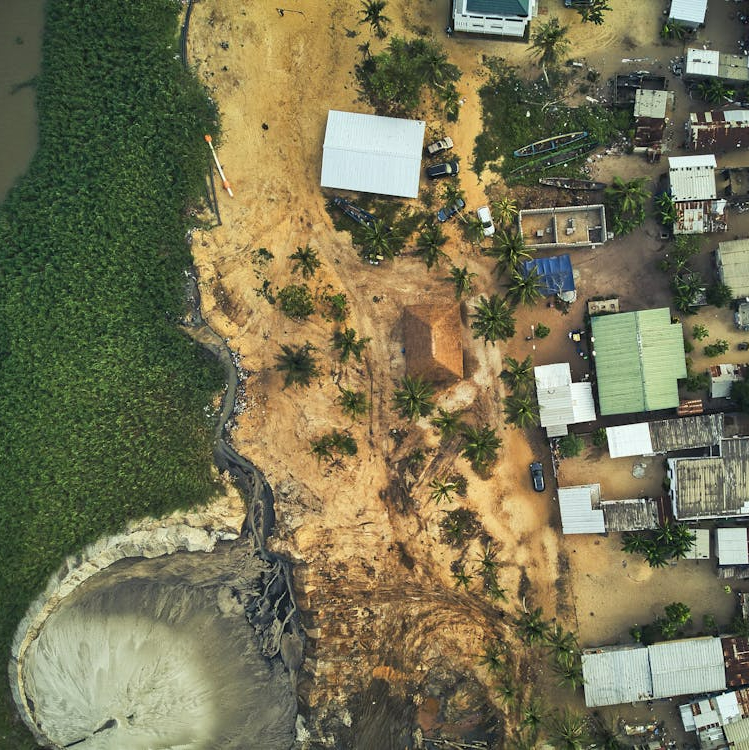
Challenges to investmentPrior to launching its energy efficiency sensitization program, Côte d'Ivoire faced challenges in creating a culture of energy conservation. Public understanding of energy-saving practices was limited, and there was minimal engagement from both individuals and businesses. The government’s efforts to enforce energy efficiency standards and encourage the use of efficient appliances were challenged by the population's limited awareness of their benefits.  ApproachIn response to these challenges, in 2021, Côte d'Ivoire's Ministry of Energy launched a comprehensive sensitization program with the support of the Bureau d’Economie d’Energie (BEE) and the European Union. The program, which is part of a broader 2021-2030 strategic framework, aimed to raise public awareness and foster a culture of energy conservation across multiple stakeholder groups, including households, industry professionals, and government entities.The public outreach campaign spanned over several large-scale communication efforts across the country, using a variety of channels such as roadside billboards, local radio interviews, TV advertising and community events to promote energy-saving behaviors. The campaign focused on three major types of equipment: thermostats, lamps, and air conditioners, with an emphasis on how to select and install these devices to optimize energy savings.The capacity-building component of the program was equally critical. The government organized training sessions and workshops for professionals in the energy and building sectors to promote the adoption of energy efficiency measures. The initiative facilitated energy audits and the implementation of energy-saving standards in both commercial and residential buildings.   Key Enabling ConditionsSeveral factors contributed to the success of Côte d'Ivoire’s energy efficiency awareness program. High-level political support from national leadership played a pivotal role in elevating the importance of energy efficiency and driving momentum for the program’s initiatives. The multi-year strategy planification helped structure the approach and campaign. Additionally, the comprehensive communication strategy, which involved multiple channels such as mass media, workshops, and public events, ensured widespread dissemination of energy efficiency messages and helped create a strong foundation for behavioral change. Impact / OutcomesPublic awareness of energy efficiency increased across different segments of the population and businesses, thanks to the comprehensive and multi-format approach to this campaign. The program also garnered strong support from various business partners, leading to the adoption of energy-saving practices in their operations and encouraging wider adoption of energy-efficient behaviors across industries. Additional Sourceshttps://www.energie.gouv.ci/energie 
Côte d'Ivoire
Energy Transition Awareness Programs
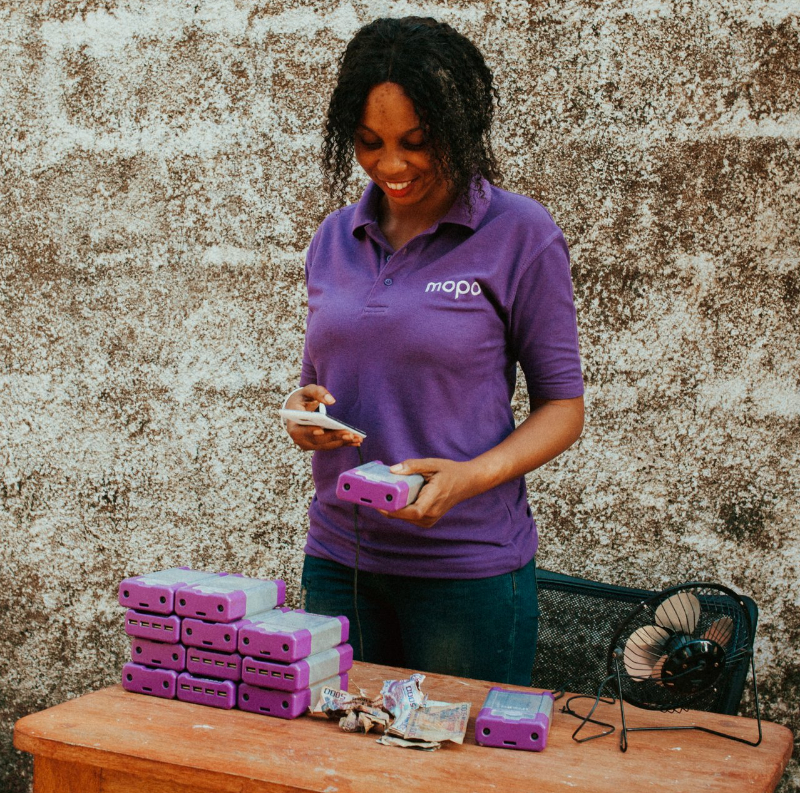
DescriptionInvestor Accelerator Platforms, or Collective Donor Platforms by Development Finance Institutions (DFIs) refer to frameworks or systems where multiple DFIs collaborate by co-mobilizing resources, sharing knowledge and best practices, and co-financing for specific development initiatives or projects. Key activities include developing missing investment-related intelligence, market analysis, capacity building, engaging DFIs, development partners, regulators, and other stakeholders to enhance the investment environment. BenefitsIn addition to simply crowding funding and mobilizing a higher amount of capital, investor accelerator platforms increase investment readiness in target markets. By collectively addressing DFI-specific challenges such as limited capacity and resources to invest in opportunity identification the platforms enable DFIs to turn unbankable opportunities into bankable projects. Such platforms also support DFIs to access concessional funding and leverage it for scaling impactful development projects and private sector participation. While not a requirement, investor accelerator platforms often target frontier markets and fragile states, where DFIs have a mandate to provide investment to but have demonstrated mixed investment results. In addition to high-level support from European governments and headquarter offices of DFIs, country-based teams provide long-term sustainable investment in the markets of operation. Case Studies1.       Africa Resilience Investment Accelerator (ARIA) ARIA mobilizes investment in frontier markets across Africa. It is supported by the UK’s DFI, British International Investment (BII); FMO, the Dutch entrepreneurial development bank; and Proparco, the private sector financing arm of the Agence française de développement Group (AFD Group). ARIA operates in seven markets in Africa: Benin, the Democratic Republic of Congo (DRC), Ethiopia, Guinea, Liberia, Sierra Leone and Togo. In these markets, ARIA’s country-based teams develop longer term pipelines of investable opportunities for its funding DFIs; provide technical assistance to local businesses on active deals; and work with a broad coalition of DFIs, companies, investors, governments and donor agencies to help build business-enabling environments. To date, ARIA has identified more than 180 investable opportunities in frontier markets and unlocked more than $50 million in investment. While ARIA works across sectors, energy is a key target for its partner DFIs and the DFI community more broadly. An example of an ARIA-supported energy deal is BII’s $8 million investment in MOPO, a clean energy business operating in the DRC. The company installs solar-powered recharging hubs, which rent MOPO batteries to customers to use in their homes and small businesses.2.       Invest for Impact Nepal (IIN)Launched in February 2021 by BII, FMO and the Swiss Agency for Development (SDC), the Investment Innovation Network (IIN) is a pioneering collaboration between DFIs and development partners to accelerate transformative foreign investment in Nepal. It aims to drive economic growth, create jobs, and foster an equitable and sustainable economy by supporting financial institutions, private equity, and venture capital funds in accessing DFI resources and expertise, and attracting foreign impact investors to Nepali businesses. After an initial research phase to assess market and ecosystem constraints, IIN began implementation in August 2022. It has been recognized by the Oxford Fragility Forum, the leading forum that brings together DFIs for an action-oriented discussion on how to improve investment in fragile and conflict-affected environments, as one of the most successful global examples of collaboration.Specially in the field of energy, BII has signed a $15 million trade loan agreement in 2025 with Sanima Bank Limited, an A-class national level bank in Nepal, to support the country’s renewable energy growth with an emphasis on hydropower. This investment will catalyze the import of capital goods related to hydropower development, such as equipment for food, agriculture, and manufacturing. Additional Sourceswww.investforimpactnepal.comhttps://www.ariainvests.org/https://www.ariainvests.org/news/aria-supports-bii-drc-mopo-investmenthttps://www.ariainvests.org/news/aria-proparco-joins-bii-fmo-platform-expansion?rq=Energy
Nepal, Democratic Republic of the Congo
Investor Accelerator Platforms
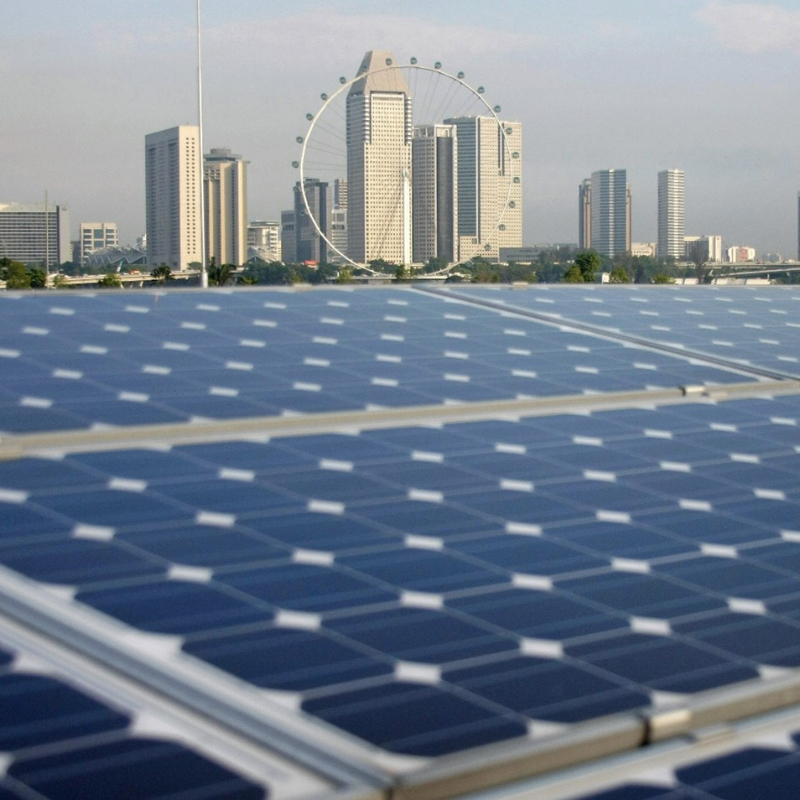
Challenges to InvestmentRenewable Energy Certificates (RECs) are tradable instruments that allow corporates and individuals to transfer the property rights and environmental attributes of renewable energy generation without the need to trade physical energy. A REC is created for each megawatt-hour (MWh) of renewable electricity generated and delivered to the grid. While REC transactions grew in the mid to late-2010s, the REC market in Singapore faced several challenges in its early stages. The process of acquiring and selling RECs was complex, with many hidden costs involved. The market was still in its infancy, with changes in regulations or demand and supply causing significant price volatility. Prices were not fully transparent, with most trades done over-the-counter. Without a clear framework, there was a lack of consistency and credibility in the issuance, tracking and usage of RECs in Singapore.ApproachTo address these challenges, Singapore introduced Standard (SS) 673: Code of Practice for Renewable Energy Certificates (SS 673) in 2021. The new standard provides a clear REC framework and improves the integrity of measurement, reporting, and verification requirements for REC issuance and management. It creates guidelines surrounding the roles of REC ecosystem stakeholders, procurement modes for RECs, the verification of renewable energy installations, and public reporting requirements for REC issuance and retirement. Despite the lack of explicit timelines from the government, the introduction of a comprehensive standard supported consistent REC transactions and management, catalysing the continued growth of clean energy projects. Key Enabling ConditionsExperts suggest that RECs can play a role in the transition to renewable energy in Southeast Asia, but should be combined with other measures such as power purchase agreements and direct investments in renewable energy projects. SS 673 was intended to create consistency in the REC production and management process in Singapore, and it is likely that other REC tracking systems wishing to serve the Singapore market will conform to these rules. Impact / OutcomesThe SS 673 standard helped synchronise the two existing standards – International RECs Standard Foundation (I-RECs) and Trade Instrument for Global Renewables (TIGR) – and aimed to harmonise costs for issuing and managing RECs, promoting clean energy development in Singapore. As of July 2022, over 32 MW of installations had been registered under the I-RECs standard in Singapore, primarily solar. I-RECs-registered installations generated and issued over 0.16 million RECs between 2015 and July 2022. Conversely, the TIGR standard had more installations than I-RECs as of 2021, amassing over 745 MW of cumulative total installations. TIGR-registered installations issued over 1 million RECs between 2015 and July 2022, accounting for 86% of the cumulative total issuance.Additional SourcesInternational Energy Agency, “Energy Statistics Data Browser: Singapore”, 21 December 2023, https://www.iea.org/data-and-statistics/data-tools/energy-statistics-data-browser?country=WORLD&fuel=Energy%20supply&indicator=TESbySourceInternational Renewable Energy Agency, “Energy Profile: Singapore (2023)”, https://www.irena.org/-/media/Files/IRENA/Agency/Statistics/Statistical_Profiles/Asia/Singapore_Asia_RE_SP.pdf https://www.ema.gov.sg/news-events/news/media-releases/2021/new-singapore-standard-launch-to-support-management-and-use-of-renewable-energy-certificateshttps://sbr.com.sg/utilities/news/sembcorp-rolls-out-renewable-energy-certificate-platformhttps://www.mti.gov.sg/Newsroom/Speeches/2021/10/Speech-by-2M-Tan-See-Leng-at-the-Asia-Clean-Energy-Summit
Singapore
Tradable Green Certificates

DescriptionA syndicated loan is a loan provided by a group of lenders, which is structured, arranged, and managed by one or more lead arranging financial institutions. Each borrower essentially deals with the lead institution but establishes a direct legal relationship with the borrower and receives an individual promissory note from the borrower.BenefitsSyndicated loans provide de-risking benefits. Participating banks can leverage the lead bank’s market expertise and lending best practices, reducing individual risk through shared knowledge. Borrowers gain new lending relationships, enhancing their financial network and access to resources.Pooling resources from multiple institutions can also allow for larger capital commitments. It enables lenders to mitigate risk by distributing exposure, reducing capital weight, and offering financial support to projects whose credit needs may surpass individual lender limits. Case StudyADB syndicating a Wind farm project in Vietnam In response to Vietnam's rapid economic growth and rising energy consumption, the Asian Development Bank (ADB) orchestrated and syndicated a USD 173 million green financing package in 2021 for the Lotus Wind Power Project. Syndication played a crucial role in de-risking the project by pooling resources from multiple financial institutions, thereby distributing the financial risk and leveraging the expertise of various stakeholders. This collaborative approach provided the necessary capital to support Vietnam’s ambitious renewable energy goals while mitigating individual lender exposure. The project, a collaboration with the Japan International Cooperation Agency (JICA) and other international lenders, financed the construction and operation of three wind farms in Quang Tri province, with a combined capacity of 144MW. This syndication not only reduced the financial risk but also enhanced the project's credibility, attracting further investment and support. The wind farms, operational since November 2021, generate an average of 422 gigawatt-hours of electricity annually.Beyond environmental benefits, the Lotus Wind Power Project significantly impacted local communities, improving infrastructure, creating business opportunities, and offering stable employment. This project exemplifies how syndication can de-risk large-scale renewable energy initiatives, driving both environmental and socioeconomic progress while aiding Vietnam's clean energy transition and empowering local communities.Additional SourcesAfrican Development Bank Group, Syndications & Co-financing presentation, 2020, https://afdb-org.jp/wp-content/uploads/Financial_Products_2.pdfConvergence, US Aid, Prosper Africa, The Action Plan for Climate & SDG Investment Mobilization, 2022, https://www.convergence.finance/api/file/cbc5b99bc59eed81188357317d05948a:63f5dcfdc5654d3e2b93ba70e23f03199ee5aaab1df60853fa024e403995f4fb5edebd4fc1139e873498e233a87cee9f693983a8d755786b5294821b04ba1c3d4fe630fd72ea60346926ee34b30f16114cfbffe8272c164baea9e3d1a59f5755af09b16bbe8eeb006da0a5f6ccb84698ec6bc1d9eaa040e1f77b23c82e5f15e0https://namwolf.org/syndicated-loan-loan-participations/
Viet Nam
Syndicated Loans
DescriptionMicrofinance loans or microcredits are small loans provided to individuals or small businesses that do not have access to traditional banking services, either because they do not have a regular income, collateral, or credit history. These micro-loans enable them to start or expand a small business, or to invest in a small project (e.g., off-grid solar systems). Microcredits are a type of offering within the microfinance space. The latter also include other financial services that may be offered in parallel, like, for instance, microsavings, checking accounts or microinsurance, all of which are pertinent to enhance capital for the energy transition in emerging and developing economies. BenefitsMicrofinance loans offer several benefits, particularly in economically disadvantaged regions. They provide access to capital for those who might not otherwise be able to obtain it, thereby encouraging entrepreneurship and the development of small-scale projects. This access helps improve living standards, promote economic development and reduce unemployment. More broadly, microfinance practices serve as an alternative approach to development, shifting the focus from government-led initiatives to market-based solutions. They rely on a variety of institutions that combine social and financial objectives to provide services, using market mechanisms as a means of delivering aid and promoting economic growth. Case StudyGreen microfinance loans in Bangladesh In 2021, the SAJIDA Foundation, a non-profit organization based in Bangladesh, received the authorization from the Bangladesh Securities and Exchange Commission to issue Bangladesh’s first green bond. It raised USD 10 million to provide microfinance loans to farmers and low-income families. It reiterated the issuance of a second green bond in 2023, this time, to raise around USD 20 million.The decision to seek funds through this bond issuance was Influenced by increased demand for microcredit services post-Covid and challenges associated with foreign loans and high bank interest rates. SAJIDA’s previous green bond had already set a precedent for utilizing bond market funding. At the time of writing, this latest new bond aimed to diversify its debt sources and extend the repayment period.Additional Sourceshttps://corporatefinanceinstitute.com/resources/commercial-lending/microfinance/https://corporatefinanceinstitute.com/resources/commercial-lending/microcredit/Rober Cull, Jonathan Morduch, World Bank, Microfinance and Economic Development, 2017, https://documents1.worldbank.org/curated/en/107171511360386561/pdf/WPS8252.pdf?_gl=1*1f8bs3l*_gcl_au*MjQ0MzcxNDY4LjE3MjIyNDkzNzMhttps://www.tbsnews.net/economy/stocks/sajida-foundation-files-tk300cr-bond-finance-microcredit-763786https://www.reuters.com/article/business/feature-bangladesh-tests-climate-finance-for-disaster-prone-communities-idUSL8N37L1JH/https://www.lightcastlebd.com/insights/2023/05/green-financing-bangladesh/#:~:text=In%20April%202021%2C%20the%20government,their%20microfinance%20program%20%5B17%5D.
Bangladesh
Microfinance Loans
DescriptionSustainability-Linked Bonds (SLBs) are bond instruments utilized to finance or re-finance a combination of environmentally (e.g., renewable energy, clean transportation, energy efficiency) and socially (e.g., access to clean water, transport, healthcare, housing) friendly projects. If the projects have only an environmental dimension, the bond is called green bond. Similar to green bonds, sustainability-linked bonds must have clearly communicated sustainability objectives, a selection process for eligible projects, and a detailed plan for managing associated risks. The bond issuer must provide annual updates on the allocation of funds, including project descriptions, amounts allocated and expected impacts. This transparency allows investors to understand the environmental and social benefits and financial viability of the projects financed by green bonds. BenefitsSustainability-linked bonds are critical, yet under-utilized financing mechanisms for clean energy projects in emerging markets. By providing substantial capital, lowering the cost of capital, and promoting sustainable development, they can play a vital role in advancing the clean energy transition and supporting economic growth in these regions.Although they don't inherently offer better risk or return than conventional bonds, SLBs signal a commitment to sustainability, attracting diverse funding sources. In spite of the challenges commonly associated to assessing their impact or the exact use of funds, sustainability-linked bonds support environmental and social goals and aim to offer a transparent, diversified investment option that aligns finance with policy objectives. The evolution of the bonds market promises increased standardization and investor comfort over time. Case StudyEcobank issued the first sustainability bond launched by a sub-Saharan Africa institutionIn 2021, Ecobank Transnational Incorporated (ETI), headquartered in Togo, successfully issued USD 350 million in Tier 2 Sustainability Notes. This issuance marked the first time a financial institution in Sub-Saharan Africa launched such notes, featuring a 10-year non-callable 5-year structure. The bonds were listed on the London Stock Exchange and carried a coupon rate of 8.75%, with semi-annual interest payments. The proceeds from the bonds were earmarked for financing or refinancing eligible sustainable projects, as per ETI's Sustainable Finance Framework, which received a Second Party Opinion from DNV.The offering attracted global investors’ interest, achieving a 3.6x oversubscription with an order book peaking at over USD 1.3 billion. Notably, the transaction was anchored by a USD 50 million commitment from the Dutch development bank FMO. This initiative underscored Ecobank's commitment to sustainable financing and highlighted the confidence of international investors in the bank's strategic positioning within the pan-African market.Additional SourcesICMA, Sustainability Bond Guidelines, 2021, https://www.icmagroup.org/assets/documents/Sustainable-finance/2021-updates/Sustainability-Bond-Guidelines-June-2021-140621.pdfICMA, Social Bond Principles, 2023, https://www.icmagroup.org/assets/documents/Sustainable-finance/2023-updates/Social-Bond-Principles-SBP-June-2023-220623.pdfhttps://ecobank.africa-newsroom.com/press/ecobank-transnational-incorporated-successfully-launches-us350-million-10nc5-year-tier-2-sustainability-notes?lang=en
Togo
Sustainability-Linked Bonds
DescriptionAggregated Renewable Energy (RE) Procurement is a strategy where two or more entities, such as local governments, corporations, or public institutions, join forces to purchase renewable energy. By pooling their energy demand, these buyers work together to define the clean energy project they want to support and negotiate a contract with a developer, typically through Power Purchase Agreements (PPAs) or contracts with utilities. Aggregated procurement is commonly used for community-scale or larger renewable energy installations and helps drive down costs, attract investments and increase access to clean energy, particularly in emerging economies with limited access to competitive financial markets. BenefitsBy pooling demand, aggregated RE procurement allows buyers to leverage economies of scale, resulting in lower costs per megawatt (MW) of energy. Administrative and consulting costs, such as hiring energy experts, are shared across all members, making the process more cost-efficient. Additionally, aggregated procurement helps smaller entities, which may lack the financial strength to execute large projects individually, to access renewable energy opportunities alongside larger players. By bringing multiple stakeholders together, aggregated procurement also sends a strong market signal, stimulating developer interest and growing the pipeline of clean energy projects. In countries with underdeveloped financial markets, this approach facilitates investment. Beyond cost benefits, aggregation also fosters knowledge sharing among participants, enhancing their ability to navigate regulatory complexities and scale up clean energy efforts.  Case StudyAggregated procurement model structured by the Clean Energy Investment AcceleratorThe Clean Energy Investment Accelerator (CEIA) is a public-private partnership designed to address barriers to scaling clean energy deployment in emerging markets. CEIA focused on markets with high commercial and industrial energy demand, engaging stakeholders in countries such as Vietnam, the Philippines, Indonesia, Colombia, and Mexico. By working with corporate buyers, governments, and utilities, the initiative aimed to unlock significant clean energy investment through aggregated procurement models and financial tools. CEIA helped local businesses and multinational companies signal their demand for renewable energy, which stimulated the clean energy project pipeline and strengthened the policy frameworks needed to support long-term sustainable growth.CEIA's impact was broad, with over USD 50 million by 2022 in clean energy investments mobilized and more than 100 MW of clean energy projects deployed to date. Through technical support and capacity building, CEIA displaced carbon-intensive power sources, opening pathways for gigawatt-scale replication. Over 600 companies have participated in CEIA’s in-country coalitions, helping to shape policy and improve the clean energy enabling environment. In 2021, CEIA facilitated Mexico’s first aggregated renewable procurement for a major multinational retailer, saving 30% in energy costs. Additional SourcesAggregated Renewable Energy Procurement for US Cities | World Resources Institute (wri.org)Clean Energy Investment Accelerator (squarespace.com)
Global
Aggregated RE Procurement
DescriptionNon-commercial and commercial hedging solutions can be mobilized to reduce the exposure to currency exchange rate fluctuation risks. These solutions include many different types of financial products, but higher risk and lower liquidity sometimes limit their availability in emerging or frontier markets. Green FX hedges, through a dedicated green hedge framework, support a company’s green bond framework by mitigating currency risk associated with green bond projects. This alignment enhances the company’s overall sustainability ambitions. Just like traditional FX hedges, green FX hedges help companies manage currency risk. However, they also align financial risk management with broader sustainability objectives.BenefitsManaging currency risk is a significant challenge for project developers and is often beyond the control of government agencies responsible for infrastructure development. It poses a significant threat to project financiers, as currency fluctuations can jeopardize the ability to service debt or impact profitability. The price and availability of hedging solutions in frontier markets can therefore have a significant impact on the financial viability of projects. By transferring currency risk from borrowers to the hedging entity, operationally hedging a transaction, or taking advantage of MDB financing conditions, these solutions increase the transparency and efficiency of development finance. Case StudyDeutsche Bank executes world’s first green hedge backed by second party opinion to finance clean energy in IndiaIn 2021, Deutsche Bank executed the world’s first green Foreign Exchange (FX) hedge, linked to a USD 561 million green bond issued by Continuum Green Energy Limited, a renewable energy group based in India. This hedge with notional of USD 185 million, developed under a specially designed Green Hedge Framework, aimed to manage the currency risk associated with Continuum's USD-denominated green bond proceeds. The FX forward, tied directly to the bond issuance, covered the conversion between Indian Rupees (INR), the currency of project revenues, and USD, the currency of bond interest and principal payments, thereby mitigating exchange rate risks over the 6-year tenor of the hedge. What made this transaction particularly innovative was its adherence to high standards of sustainability: both the Green Bond and the Green Hedge Framework received a Second Party Opinion from CICERO Shades of Green, which verified that the hedge met green financing standards. This framework also provided enhanced transparency for investors, as it aligned financial risk management with the environmental impact of the underlying green projects, such as wind and solar power developments in India. By using proceeds from the green bond to cover hedging costs, Continuum ensured that both the bond and hedge supported its renewable energy expansion, making this a pioneering approach to integrating FX risk management with green finance in emerging markets. This transaction also facilitated access to international pockets of funding reducing the investment risk and ensured long-term sustainability of the project enabling Continuum to manage the key risks of USD/INR volatility and implied depreciation over time.Additional Sourceshttps://www.iisd.org/system/files/publications/currency-risk-project-finance-discussion-paper.pdf?q=sites/default/files/publications/currency-risk-project-finance-discussion-paper.pdfhttps://www.iisd.org/credit-enhancement-instruments/institution/currency-exchange-fund/https://www.ifc.org/content/dam/ifc/doclink/2017/201710-ifc-local-currency-and-hedging-solutions.pdfhttps://www.continuumenergy.in/uploads/assign_document/1675230009_87768973_38.pdfhttps://www.db.com/news/detail/20210316-deutsche-bank-executes-world-s-first-green-hedge-with-continuum?language_id=1
India
Green FX Hedging
Challenges to InvestmentIn 2021, South Africa faced the highest number of load-shedding hours since 2014, revealing increasing imbalances in electricity supply and demand. Load-shedding issues stemmed in part from the country's heavy dependence on aging coal-powered plants, managed by the state-owned utility company Eskom. Energy supply disruptions posed a significant challenge for industries such as mining, which require a consistent power supply to sustain operations. In 2021, total load-shedding – which represents the electricity demand that is not met – reached 2,521 GWh. With unserved energy demand expected to cost $6.13/kWh in 2021, the total cost to the economy from load-shedding was estimated at $15.5 billion. To combat electricity shortages, South Africa has focused its efforts on reducing energy market concentration, decreasing dependence on Eskom’s coal-powered generation fleet, limiting load-shedding in the short- and medium-term, achieving national energy security, and increasing the contribution of renewable energy sources.    ApproachAmong other energy policy measures, in 2021, the South African Government waived the license threshold requirements for embedded electricity generation projects, raising the threshold from 1 MW to 100 MW. This change exempted projects below 100 MW from licensing obligations under the National Energy Regulator (NERSA), ending what was considered a time-consuming process for small projects. To maintain a well-organized system and ensure the ongoing stability of the grid, private generation projects that seek to utilize the grid continued to be subject to specific requirements. These included obtaining a grid connection permit from either Eskom or the relevant municipality; establishing a wheeling agreement with Eskom and the relevant municipalities for transfer across the grid; conducting a successful Environmental Impact Assessment; and securing a registration approval from NERSA to ensure the aforementioned requirements were met. Notably, renewable energy projects had the flexibility to operate in optimal locations, separated from energy consumption sites. The regulatory changes allowed large electricity users to directly source power from Independent Power Producers (IPPs) and transmit it through the Eskom grid. This arrangement empowered businesses to engage with IPPs, providing them with long-term price certainty. Key Enabling ConditionsSouth Africa’s change to the license threshold and subsequent investment in clean energy were supported by a number of related conditions and policies. The implementation of a flexible electricity wheeling framework allowed the sale of electricity to clients in different grid-connected areas, which attracted investor interest in location-specific clean energy. Large users such as corporates and miners could buy electricity directly from IPPs, ensuring price certainty over the long term. Last, the threshold announcement itself helped to initiate an investment environment for small scale embedded generation, which endures today. Impact / OutcomesThe government estimated that the threshold waiver could unlock up to $5.5 billion (ZAR 100 billion) of investment from 2021-2028. Those investments in turn could create 15,000 MW of additional generation capacity to support South Africa’s strained electricity system. In May 2022, following the threshold amendment, the first two private 100 MW solar projects were registered by NERSA. As of November 2022, the government estimated the pipeline of private embedded generation projects at 9,000 MW. South African mining companies were expected to invest in renewable energy projects worth up to $3.8 billion and comprising 3,900 MW of wind, solar, and battery energy projects, adding to the 585 MW of solar generation capacity that was already under construction.The Government of South Africa has further proposed to amend the governing law, which would lift the threshold to 100 MW and remove licensing requirements for clean energy projects below the threshold permanently.Additional SourcesCSIR (2023), Statistics on power generation in South Africa for 2022, https://www.csir.co.za/sites/default/files/Documents/Statistics%20of%20power%20in%20SA%202022-CSIR-%5BFINAL%5D.pdf Department of Mineral Resources and Energy (2021), Electricity Regulation Act: Amendment: Licensing Exemption and Registration Notice, https://www.gov.za/sites/default/files/gcis_document/202108/44989gon737.pdf https://energyandmines.com/2022/06/new-100mw-licensing-threshold-to-unleash-3-8b-renewables-spend-by-south-african-miners/ https://enter-africa.com/blogs/informational-articles-for-exporters/south-africa-first-two-private-100mw-generation-projects-approved https://www.gov.za/news/media-statements/mineral-resources-and-energy-amended-schedule-2-electricity-regulation-act-4 https://www.greenbuildingafrica.co.za/eskom-welcomes-threshold-increase-to-100mw-without-generation-licence/ https://www.greenbuildingafrica.co.za/south-africa-to-waive-100mw-embedded-generation-license-threshold-entirely/ https://greeneconomyjournal.com/explainer/the-independent-power-producers-ipp-solving-south-africas-energy-crisis-core-int-infographic/ https://greenenergyafricasummit.com/articles/energy-transition---acceleration-of-generatio https://www.iea.org/policies/14168-increase-in-electricity-license-threshold-for-embedded-electricity-generation-projects https://mybroadband.co.za/news/energy/401509-r100-billion-and-15000mw-of-private-power-the-impact-of-ramaphosas-surprise-announcement.html https://www.news24.com/fin24/economy/progress-with-crisis-plan-govt-lifts-cap-on-private-power-and-more-action-on-eskom-crime-20230121 https://www.powerengineeringint.com/renewables/south-africa-approves-first-100mw-solar-project-under-new-regulation/ https://www.pv-magazine.com/2021/08/16/south-africa-raises-threshold-for-distributed-generation-to-100-mw/
South Africa
Raising License Threshold for Small Embedded Generation
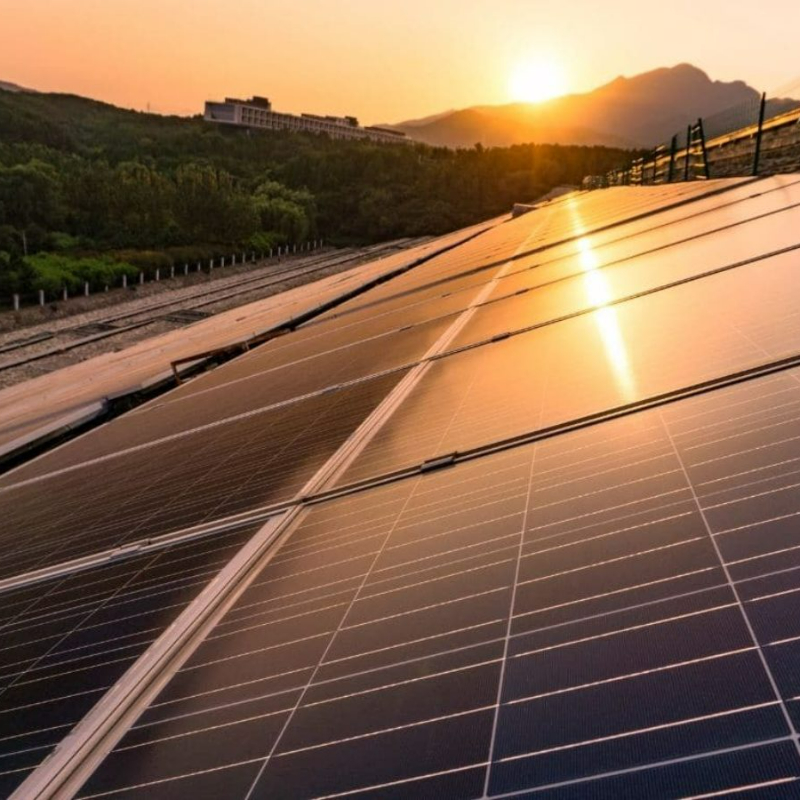
DescriptionWhen a project's currency risk is not operationally hedged (e.g., via natural currency hedges, exchange rate indexed contracts), non-commercial and commercial hedging solutions can be mobilized to reduce the exposure to currency exchange rate fluctuation risks. These solutions include many different types of financial products but higher risk and lower liquidity limit their availability in emerging or frontier markets.FX forwards are agreements to buy or sell a specified amount of a foreign currency at a specified price and time in the future. Cross-currency swaps are products in which two parties agree to exchange multiple fixed amounts (usually, a loan principal and interest amounts) denominated in two different currencies. Cross-currency swaps can be tailored to the project and country context (e.g. fixed or inflation-linked) and can be provided either to the lender or the borrower. BenefitsManaging currency risk is a significant challenge for project developers and is often beyond the control of government agencies responsible for infrastructure development. It poses a significant threat to project financiers, as currency fluctuations can jeopardize the ability to service debt or impact profitability. The price and availability of hedging solutions in frontier markets can therefore have a significant impact on the financial viability of projects. By transferring currency risk from borrowers to the hedging entity, or taking advantage of MDB financing conditions, these solutions increase the transparency and efficiency of development finance. Case StudyTCX’s solution to currency risk in Sierra LeoneSupported by a group of Development Finance Institutions (DFIs), impact investors, donor governments and the European Commission, TCX is a fund established for the sole purpose of reducing currency risk in developing countries. It offers financial instruments—cross-currency swaps and FX forwards—to hedge currency risk embedded in US dollar or Euro financing to emerging and frontier markets. TCX works with lenders (DFIs, impact investors and commercial banks) to hedge the risk and takes it on its own balance sheet. As a development finance initiative, TCX is not a commercial hedging provider and is able to offer a solution to currency risk even in the most challenging markets and for longer tenors. In 2016, Easy Solar was founded to provide solar solutions such as lanterns and stand-alone solar systems to households and businesses throughout Sierra Leone. In 2021, the company faced significant currency risk due to its local currency assets and USD-denominated debt. Easy Solar refinanced its USD loans with a USD 5 million loan from the Energy Inclusion Facility's Off-Grid Energy Access Fund (OGEF) and an associated cross-currency swap provided by TCX, which indexed the loan to the Leone. In practice, this means that Easy Solar still received USD financing but without any embedded currency risk. With the hedge, debt service repayments are fixed in the Leone and not impacted by currency fluctuations.This approach allowed Easy Solar to build resilience and become a financially sustainable business despite significant local currency devaluations. In 2022, the Leone depreciated by more than 60%. Without the hedging, Easy Solar would have faced increased debt service costs of up to 180% in Leone terms.Additional Sourceshttps://www.iisd.org/system/files/publications/currency-risk-project-finance-discussion-paper.pdf?q=sites/default/files/publications/currency-risk-project-finance-discussion-paper.pdfhttps://www.iisd.org/credit-enhancement-instruments/institution/currency-exchange-fund/https://www.ifc.org/content/dam/ifc/doclink/2017/201710-ifc-local-currency-and-hedging-solutions.pdfhttps://www.tcxfund.com/https://www.tcxfund.com/wp-content/uploads/2023/05/2.1_The-Currency-Exchange-Fund-NV_2022-with-PWC-auditor-report.pdfhttps://www.tcxfund.com/wp-content/uploads/2024/05/TCX-Impact-Report-2023.pdf
Sierra Leone
Currency Risk Hedging
DescriptionExport Credit Guarantees (ECGs) are assurances to domestic companies against the risks associated with international export transactions and activities. They are provided by Export Credit Agencies (ECAs), which are usually government-owned but can also be private companies operating on behalf of the government. Export Credit Guarantees vary in type depending on the country and the institution. Typically, guarantees protect against bad debt losses for the exporter and/or the financing bank. In addition to Export Credit Guarantees, some ECAs may also offer direct loans. Benefits Export Credit Guarantees help mitigate the risk of non-payment from foreign buyers, therefore increasing investors’ confidence in engaging in international trade. They are especially relevant in countries where private insurers lack the risk appetite to engage, and pertinent in most emerging and developing economies. They cover political and commercial risks to overseas investments. By providing these guarantees, ECAs encourage export activities and facilitate international trade. They also serve as a crucial instrument for shaping public policy, as they provide targeted support to specific sectors and types of projects. Consequently, ECAs have progressively enhanced their developmental, environmental, and social safeguard standards.The extensive scope and adaptability of ECG's export credit guarantees render them well-suited for a diverse array of initiatives, from small businesses to large-scale infrastructure projects. Moreover, they do not prevent the parallel participation of private insurers. Case Study Swedish Export Credit Corporation (SEK) leverages Export Credit Guarantee to finance solar projects in AngolaThe use of Export Credit Guarantees was instrumental in getting off the ground a 2020 transaction for the supply of equipment and commissioning of solar farms in Angola, involving Hitachi ABB Power Grids and several other Swedish companies. The project included seven photovoltaic parks, totaling a capacity of 370MW. Two of the solar projects were connected to the main grid, while the rest helped rural areas reduce their dependence to diesel generators for electricity. The Swedish Export Credit Corporation (SEK) financed the transaction, which was arranged by ING Bank and guaranteed by the Swedish Export Credit Agency (EKN), with an export credit of EUR 560 million, representing 85% of the project. Loans extended over a long tenure (18 years) and were borrowed by the State of Angola represented by the Angolan Ministry of Economy and Finance. The triple-A rated Swedish Export Credit Agency (EKN) backing the transaction helped the Angolan government obtain favorable lending terms and made the overall project viable. From the lender and guarantee provider’s perspective, the export credit guarantees allowed to enhance the Swedish content of the project and fulfill its financial goals, particularly in line with the Paris 1.5-degree agreement.Additional Sourceshttps://www.irena.org/-/media/Files/IRENA/Agency/Publication/2020/Jan/IRENA_RE_Sovereign_guarantees_2020.pdfhttps://www.adb.org/sites/default/files/publication/608956/adb-brief-134-regional-cooperation-trade-investment-finance-asia.pdfhttps://www.exportkreditgarantien.de/en/solutions/covering-risks/export-credit-guarantees.htmlhttps://www.sek.se/en/case/hitachi-abb-power-grids-and-other-swedish-companies-building-solar-power-in-angola/#:~:text=The%20financing%20from%20SEK%20covers,for%20the%20country's%20electricity%20supply.https://www.iea.org/countries/angola/energy-mixhttps://www.ekn.se/en/ekn-magazine/ekns-magazine/largest-ever-sub-saharan-solar-project/
Angola
Export Credit Guarantees
DescriptionExport Credit Guarantees (ECGs) are assurances to domestic companies against the risks associated with international export transactions and activities. They are provided by Export Credit Agencies (ECAs), which are usually government-owned but can also be private companies operating on behalf of the government. Export Credit Guarantees vary in type depending on the country and the institution. Typically, guarantees protect against bad debt losses for the exporter and/or the financing bank. In addition to Export Credit Guarantees, some ECAs may also offer direct loans. Benefits Export Credit Guarantees help mitigate the risk of non-payment from foreign buyers, therefore increasing investors’ confidence in engaging in international trade. They are especially relevant in countries where private insurers lack the risk appetite to engage, and pertinent in most emerging and developing economies. They cover political and commercial risks to overseas investments. By providing these guarantees, ECAs encourage export activities and facilitate international trade. They also serve as a crucial instrument for shaping public policy, as they provide targeted support to specific sectors and types of projects. Consequently, ECAs have progressively enhanced their developmental, environmental, and social safeguard standards.The extensive scope and adaptability of ECG's export credit guarantees render them well-suited for a diverse array of initiatives, from small businesses to large-scale infrastructure projects. Moreover, they do not prevent the parallel participation of private insurers. Case StudyUS EXIM offering Export Credit Guarantee In 2020, the Export-Import Bank of the United States (EXIM) approved USD 91.5 million in loan guarantee financing to support U.S. exports of design engineering and construction services to Senegal. The project involved the installation of low-voltage power lines and mini-grids of stand-alone solar units, reducing the need for diesel generators. It aimed to bring electricity to approximately 330,000 Senegalese across more than 400 villages.J.P. Morgan Chase was the lead arranger and mandated lender for the project, which totaled an estimated USD 100 million. EXIM guaranteed 81.5% of the funding, on top of a sovereign guarantee from the Senegal’s Ministry of Economy, Planning and Cooperation, with Senegal National electricity company (Senelac) as the borrower.From the lender and guarantee provider’s perspective, the export credit guarantees helped secure the project against foreign competition and fulfill EXIM's goals, including supporting small businesses, promoting exports to sub-Saharan Africa, and advancing renewable energy technology. Additional Sourceshttps://www.irena.org/-/media/Files/IRENA/Agency/Publication/2020/Jan/IRENA_RE_Sovereign_guarantees_2020.pdfhttps://www.adb.org/sites/default/files/publication/608956/adb-brief-134-regional-cooperation-trade-investment-finance-asia.pdfhttps://www.exportkreditgarantien.de/en/solutions/covering-risks/export-credit-guarantees.htmlhttps://www.exim.gov/news/exim-board-approves-915-million-export-financing-for-renewable-energy-rural-electrification
Senegal
Export Credit Guarantees
DescriptionContingent equity is a financial instrument designed to provide additional capital to a project if certain conditions or events occur, such as unexpected cost overruns. This structure provides a flexible financial buffer that can be deployed as needed, thereby increasing the robustness and attractiveness of the overall financing structure to investors. The contingent equity cost usually includes non-triggered elements (e.g., commitment fee during the commitment period, annual or upfront fee during the coverage period) and triggered elements (i.e., dividends).BenefitsContingent equity provides key benefits to project financing, including financial flexibility, by ensuring funds are available for unforeseen challenges without diluting existing equity. It mitigates risks by acting as a safety buffer against cost overruns, protecting lenders and ensuring project stability. It enhances creditworthiness by demonstrating a sound risk management strategy, making the project more attractive to investors. Contingent equity can be more economical than the cost of a loan guarantee if the triggering events are well defined. Case StudyNational Investment and Infrastructure Fund (NIIF) CDC Group and the Green Growth Equity Fund (GGEF) contingent equityIn November 2020, the National Investment and Infrastructure Fund (NIIF) – an asset management firm anchored by the government of India – CDC Group, UK’s development finance institution, and the Green Growth Equity Fund announced the funding of USD 390 million equity into Ayana Renewable Power, a renewable energy company involved in multiple solar projects across India, totaling over 1.14GW. Ayana Renewable Power projects were part of India's broader effort to increase renewable energy capacity and especially solar and reduce reliance on fossil fuels.This deal was notable for its structure, which included the provision for contingent equity investments which provided Ayana Renewable Power with a flexible financial buffer to address unexpected costs and project-specific risks. Contingent equity served as a critical financial mechanism in this initiative, providing a safety net, truncheoning Ayana Renewable Power financial stability and maintains project momentum.Additional Sourceshttps://www.elibrary.imf.org/display/book/9781589060609/ch009.xmlhttps://www.niifindia.in/abouthttps://www.niifindia.in/uploads/media_releases/Press%20Release%20-%20Renewable%20energy%20platform%20Ayana%20hits%20721%20million%20in%20funding%20as%20CDC,%20NIIF%20and%20GGEF%20agree%20to%20inject%20further%20capital-converted.pdfIRENA, Unlocking renewable energy investment: the role of risk mitigation and structured finance, 2016, https://www.aler-renovaveis.org/contents/lerpublication/irena_2016_jun_unlocking-renewable-energy-investment-the-role-of-risk-mitigation-and-structured-finance.pdfArsalan A. Farooquee, G. Shrimali, Driving Foreign Investment to Renewable Energy in India: A payment Security Mechanism to Address Off-Taker Risk, 2016, https://mpra.ub.uni-muenchen.de/71241/1/Driving-Foreign-Investment-to-Renewable-Energy-in-India_Technical-Report.pdfhttps://www.ayanapower.com/static/media/LSE-Ayana-case-study-30-April.67433ccc172bce468274.pdf
India
Contingent Equity
DescriptionCorporate Power Purchase Agreements (CPPAs) allow corporate buyers to commit to purchasing a specified volume of electricity over a predetermined period, often spanning several years. The contract stipulates a fixed price or a predefined escalation rate, offering the offtaker long-term confidence while the buyer enjoys cost stability and potential savings relative to conventional utility rates. There are two main types of CPPAs: physical CPPAs (e.g., one-site, off-site), and virtual CPPAs. CPPAs are “physical” when green electrons are either delivered on-site to the buyer of transmitted through the grid to an off-site facility, provided both parties are in the same electricity market to allow for physical delivery. These agreements detail key aspects such as commercial operation date, delivery schedules, penalties for underperformance and payment terms. The corporate customer receives the actual electricity generated along with Renewable Electricity Certificates (RECs). The seller typically remains responsible for the operation and maintenance of the facility.Unlike physical CPPAs, virtual CPPAs are financial instruments that do not involve the physical flow of electricity between the corporate buyer and the renewable energy project. Instead, the electricity generated is sold on the wholesale market. The contract sets a fixed price for the electricity, known as the “strike price”. If the market price exceeds the strike price, the buyer receives the difference. Conversely, if the market price falls below the strike price, the buyer pays the difference. The buyer also receives the associated RECs and benefits from the environmental attributes of the renewable energy produced. BenefitsIn an EMDE context, CPPAs help hedge against energy price volatility while supporting sustainable energy initiatives. They offer long-term cost stability and predictability for electricity prices and also enable corporates to access renewable energy without bearing the upfront capital costs, as it is the third-party seller who handles system installation and maintenance.On the generator side, the CPPA provides a predictable revenue stream which assists in customer and risk diversification, and eases access to capital. It also enables developers to construct new renewable infrastructure without relying on government tariffs, especially in regions where renewable resources and electricity prices are strong enough for projects to be economic without such support.Emerging markets and developing economies with favorable CPPA regimes (e.g., Chile, Taiwan) have seen enhanced foreign investment in clean energy projects. By encouraging new renewable energy projects, these agreements can aid national targets and generate employment. Case StudyAmazon first offsite CPPA in IndonesiaIn 2021, Amazon's AWS division entered a 210 MW Corporate PPA with Indonesia's state-owned utility PLN to source power from four solar projects on Bali and Java islands. This agreement represented the first offsite CPPA in Indonesia, marking a significant step in Amazon's commitment to decarbonize its global operations by 2025. Historically, CPPAs in Indonesia were challenging due to PLN's exclusive rights to sell electricity, alongside regulatory hurdles. However, policy shifts and Indonesia's ambitious renewable energy targets have started to foster a more favorable environment for corporate clean energy procurement. This growing trend was further exemplified by Nickel Industries' decision earlier in the year to secure over 400 MW of solar power through long-term PPAs. These developments indicate a maturing CPPA market in Indonesia, driven by increased corporate demand for sustainable energy solutions and evolving regulatory frameworks.Additional SourcesWorld Economic Forum, Accelerating Renewable Energy Corporate Power Purchase Agreement in Emerging Economies, 2021, https://www3.weforum.org/docs/WEF_Renewable_Energy_Corporate_PPA_2021.pdfhttps://www.enelx.com/n-a/en/stories/physical-ppa-vs-virtual-ppahttps://www.epa.gov/green-power-markets/physical-ppahttps://www.energy-storage.news/acwa-signs-ppa-with-south-africa-state-for-1-2gwh-hybrid-project/https://enerdatics.com/blog/corporate-ppa-amazon-signs-first-renewable-energy-ppa-in-indonesia-agrees-to-off-take-210-mw-of-solar-power/
Indonesia
Corporate Power Purchase Agreement
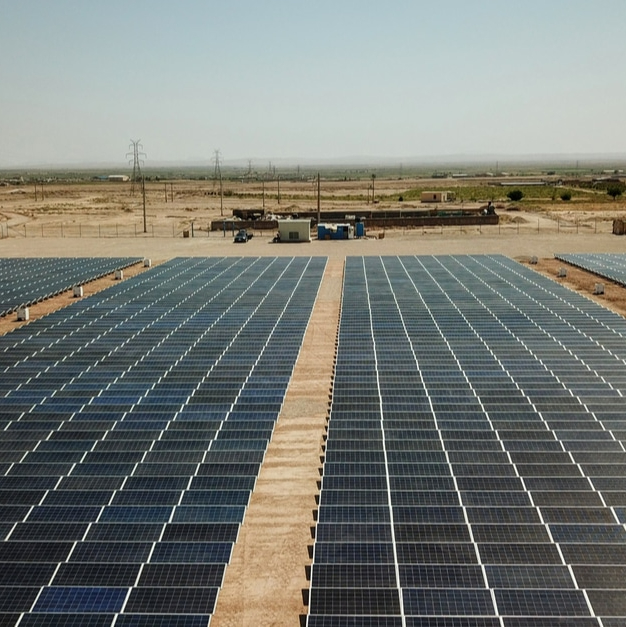
DescriptionTechnical Assistance (TA) is non-commercial support that includes advisory services, capacity building programs and the creation of business opportunities aimed at mitigating transaction risks. It takes various forms (e.g. support to the project, the final project’s beneficiary, the ecosystem, or the market) and is used at different stages of the investment life cycle, such as pre-investment, post-investment and operational support.  BenefitsTechnical assistance plays an important role in de-risking investments, particularly in developing or emerging markets, thereby attracting private capital to projects that might otherwise be considered too risky. By providing expertise and support, TA ensures that projects are thoroughly appraised and prepared, increasing their bankability and investment readiness. Post-investment, TA helps projects maintain high standards of operational efficiency and sustainability by incorporating best practices. TA also fosters a more conducive investment climate by encouraging knowledge sharing among stakeholders and helping to build long-term capacity in developing markets. Case StudyAfDB financing mini-grid technical assistance in Africa and solar technical assistance in the Sahel regionIn 2020, the African Development Bank (AfDB) approved a USD 7 million technical assistance grant from the Sustainable Energy Fund for Africa (SEFA) to support the Africa Mini-Grid Market Acceleration Program (AMAP). Implemented by a small dedicated team within SEFA, AMAP promotes improved business environments to support the growth of mini-grids across the continent by providing targeted technical assistance interventions to both public and private sector beneficiaries. AMAP has developed a customised set of tools and resources to strengthen the entire ecosystem, including public sector capacity building (policies, regulations, planning, community identification, feasibility studies, financial structuring and contracting, among others), improving access to finance through the development of innovative financial instruments (smart subsidies, concessional debt, and guarantees to cover the main risks) and support and capacity-building services for the private sector. AMAP, therefore, aims to promote mini-grid solutions at the national and continental levels in order to attract large-scale private investment.AMAP has supported 10 countries in developing the necessary infrastructure and capacity to catalyze green mini-grids markets. Through a range of tactical interventions, AMAP ensures more countries in Africa are able and willing to support green mini-grid solutions, that private sector investment is forthcoming and that the prospect of achieving SDG #7 are significantly enhanced. In 2023, the AfDB approved another technical assistance project for USD 6.3 million: the Desert to Power Regional Technical Assistance Project for the Sahel. The project aimed to create an enabling environment for solar power projects and encourage private sector investment in both the on-grid and mini-grid sectors, particularly in the Sahel countries (i.e. Burkina Faso, Chad, Djibouti, Eritrea, Ethiopia, Mali, Mauritania, Niger, Nigeria and Senegal).The technical assistance had five key components: preparing studies and technical assistance for solar projects, catalyzing private sector investment in the region, implementing a capacity building program, developing a mini-grid strategy, and managing project operations. The overall objective was to improve the regulatory and operational environment for renewable energy, support project preparation and implementation, and encourage private sector participation.Additional Sourceshttps://www.proparco.fr/en/article/technical-assistance-outlook-strategic-tool-development-financehttps://www.convergence.finance/news/7cgtqRftJDM5JMaabC4J3d/viewhttps://www.afdb.org/en/technical-assistance-solutionshttps://www.adb.org/business/how-to/technical-assistancehttps://www.afdb.org/fr/news-and-events/press-releases/african-development-bank-approves-7-million-sefa-technical-assistance-transform-mini-grid-investment-africa-40022https://mapafrica.afdb.org/en/projects/46002-P-Z1-FF0-034https://www.afdb.org/fr/documents/gpn-multinational-desert-power-regional-technical-assistance-project-sahel-ecreee
Burkina Faso, Chad, Djibouti, Eritrea, Ethiopia, Mali, Mauritania, Niger, Nigeria, Senegal
Technical Assistance
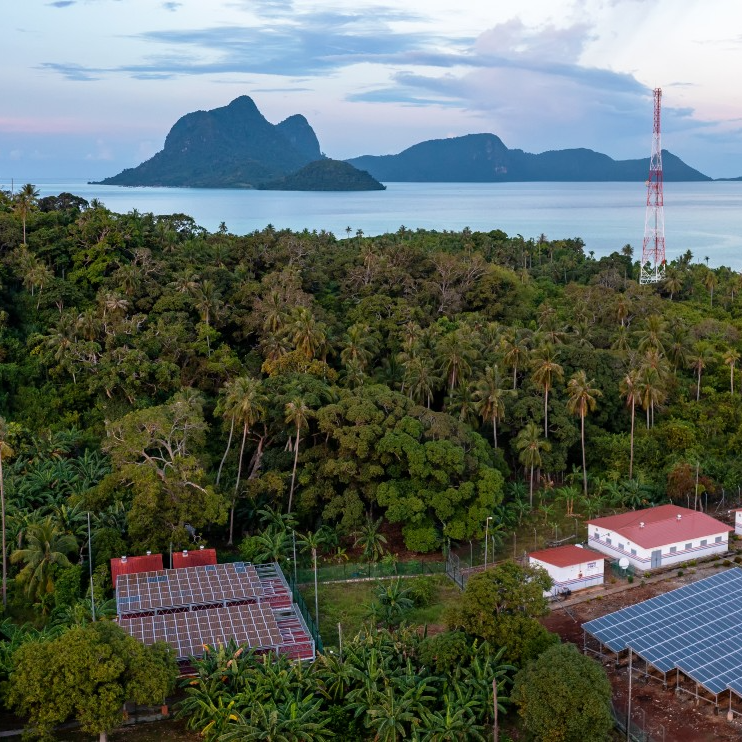
Challenges to investment In 2010, the Malaysian government launched the Green Technology Financing Scheme (GTFS) to promote green technology investment by offering lower financing costs and greater access to finance. By 2017, over USD 770 million (MYR 3.7 billion) in financing for 319 applications had been approved under the scheme, meeting target financing levels. However, financial institutions remained cautious about funding green technology projects because of perceived risk, where banks would not accept renewable technology as collateral or finance industries other than energy and utilities which had government-guaranteed revenue streams. As a result, applications were difficult to get approved, concentrated (over 85% in energy and utilities), and unable to catalyse sufficient private sector investment to meet Malaysia’s environmental targets.  Approach In 2019, the Malaysian government launched GTFS 2.0, extending the 2010 GTFS and earmarking an additional USD 460 million (RM 2 billion) for green technology financing. The program offered a 2% annual interest/profit rate rebate for the first seven years of financing on qualifying projects, along with a 60% government guarantee on Green Technology Costs to reduce risk for lenders. The government added additional sectors in scope, including manufacturing and Energy Service Companies (ESCOs), and project types, especially to finance investments in energy efficiency and energy performance contracting.  Key Enabling Conditions The program's success hinged on several key factors. The government guarantee substantially mitigated risk for lenders, thus encouraging broader participation in green technology financing. As a continuation of the successful GTFS scheme, GTFS 2.0 demonstrated the government's ongoing commitment to sustainable development. The program's eligibility across sectors like energy, water, building, transport, and manufacturing spurred diverse innovation and adoption of environmentally friendly solutions.More recently, in 2023, the National Energy Transition Roadmap (NETR) further increased the ambition of Malaysia in regards to gradually increasing RE shares to, respectively, 31% by 2025, 40% by 2035, and an impressive 70% by 2050. This has acted as yet an additional positive signal and confidence booster for investors in the clean energy space.   Impact / OutcomesGTFS 2.0 proved successful in mobilizing green technology investment. Since the inception of the program, it approved 112 projects that received RM 1.92 billion (USD 445 million) in financing commitments from 28 participating institutions. This initial funding leveraged an additional RM 2.4 billion (USD 550 million) in green investments. The supported projects contributed to an estimated annual greenhouse gas reduction of 1.32 million tonnes of CO2 and led to the creation of approximately 491 new jobs. Approved applications under GTFS 2.0 were still concentrated, with only one approved application outside energy and utilities and with three states – Perak, Johor, Selangor – accounting for over 60% of approved applications. However, GTFS 2.0 achieved its financing target much faster than the original scheme. Additionally, the majority of funded projects received between RM 500,000 and RM 25 million (USD 115,000 to USD 5.8 million) in financing, raising the average investment per project by 40-50%. Additional SourcesMESTEC (2019), Introduction of green technology financing scheme 2.0 (GTFS 2.0) https://policy.thinkbluedata.com/sites/default/files/Green%20Technology%20Financing%20Scheme%202.0%20%28GTFS%202.0%29%28Intro%29%28EN%29.pdf MESTEC (2019), Features of GFTS 2.0, https://policy.thinkbluedata.com/sites/default/files/Green%20Technology%20Financing%20Scheme%202.0%20%28GTFS%202.0%29%28EN%29_0.pdf Green Tech Malaysia (2019), Green Technology Financing Facility (GFTS & GFTS 2.0). https://www.myhijau.my/wp-content/uploads/2019/04/Slide-Presentation-GTFSv2-Business-Clinic-2019-compressed.pdf Malaysian Green Technology and Climate Change Center (2022), Annual Report 2020. https://www.mgtc.gov.my/wp-content/uploads/2022/06/AnnualReport2020.pdf APEC, Presentation on Green Technology Financing By Malaysia Green Technology and Climate Change Centre, 13-14 February 2020, https://mddb.apec.org/Documents/2020/PPSTI/PPSTI1/20_ppsti1_044.pdfGreenTech Malaysia, Green Technology Financing Facility (GTFS & GTFS 2.0), https://www.myhijau.my/wp-content/uploads/2019/04/Slide-Presentation-GTFSv2-Business-Clinic-2019-compressed.pdfhttps://policy.thinkbluedata.com/node/4220
Malaysia
Subsidized Investment Loans/Funds

Playbook of Solutions

A World Economic Forum Initiative
About Policy Measures De-risking Tools Finance Mechanisms Case Studies Get Involved
© 2026 All rights reserved
Privacy Policy & Terms of Service