Playbook of Solutions

Home
About
Policy Measures
De-risking Tools
Finance Mechanisms
Case Studies
Get Involved

Case Studies

The Playbook of Solutions is an interactive online tool, referencing concrete, already implemented policy measures, de-risking tools and finance mechanisms that have successfully helped unlock finance for clean energy in the Global South. 

Show more
Challenges to investment In June 2022, the Government of Tunisia (GoT) set a target for renewable energy (RE) to represent 35% of total power generation by 2030. The target translated to an annual investment of TND 900 million (about $300 million) through 2030. That investment would finance an additional 4 GW of RE capacity, rapidly expanding the existing 472 MW of installed capacity as of March 2022. Before setting the RE generation target, Tunisia already committed to strengthening and reinforcing the transmission network, as well as to improving energy efficiency. At that time, transmission, distribution, and generation in Tunisia were the responsibility of the state-owned monopolistic electricity company, Société Tunisienne de l’Electricité et du Gaz (STEG). However, STEG’s poor commercial performance – net profits had been negative since 2010 – and inadequate transmission system had dampened investors’ trust in STEG as a credible off-taker of privately-produced RE.  Approach To effectively integrate the planned RE capacity, the existing transmission grid required expansion and upgrading. To achieve that objective, the GoT in collaboration with STEG, formulated three projects: the Energy Sector Improvement Project (ESIP), the Project to Develop and Equip the Power Transmission Grid (PAERTE), and the Smart Grid Project (SGP). The Energy Sector Improvement Project (ESIP) was approved on 24 June 2019, with the goal of both (i) strengthening the electric transmission system and (ii) advancing STEG’s commercial performance and financial viability. The ESIP focused on financing investments in transmission capacity that are critical to integrating private RE generation. Key targets included increasing the transmission capacity along the South-North corridor by 3,090 MW and constructing 384 km of transmission lines by 30 June 2024. The project’s total funding amounts to $151 million, with $131 million allocated to the transmission network and $20 million to enhance STEG’s commercial performance, supported by the World Bank (WB). Another important project was the Transmission Network Development and Equipment Project (PAERTE), which was designed to enhance transmission and improve electricity supply in the governorates of Bizerte, Ben Arous, Sousse, Sfax, and Gabes. Like the ESIP, the PAERTE aimed to expand and strengthen the national grid to accommodate the planned RE capacity, with a goal of constructing 246 km of new transmission lines and improving the transmission system processing power targeting 66,766 Megavolt-ampere (MVA) in 2022. This project, funded by multiple donors, amounted €290 million. The African Development Bank loaned €108 million, the Africa Growing Together Fund provided €30 million as a loan, the Islamic Development Bank contributed €121 million, and the implementing agency, STEG, contributed €31 million. At its outset, the project was set to be implemented between 2020 and 2023, but the planned completion date was rescheduled to 31 December 2024. Finally, the French Development Agency (Agence Française de Développement, AFD) financed the Smart Grid Project (SGP) with €120 million. This project focused on three components: (i) improving infrastructure assets, (ii) rolling out smart grids to balance power supply with demand, and (iii) enhancing financial payment flows by adopting a modern billing system. The program will consist of two phases: During the first phase (2022-2025), the project has begun to deploy the smart grid network in a pilot region covering Sfax city and Kerkennah, Sousse city and Sidi Bouzid, and Le Kram and Beja. This phase involves developing control and communication stations and improving infrastructure by installing 430,000 smart meters. The second phase (2026-2030) will extend the smart grid network to Tunisia's most populous areas, including the capital city, Tunis.  Key Enabling Conditions The anticipated success of the three transmission projects relied on experience, reputation, and coordination with partners. The WB’s global expertise in these areas, coupled with its tailored energy programs, facilitated a comprehensive solution for Tunisia’s grid infrastructure. Its experience in power sector reforms in low- and middle-income countries enhanced credibility and improved private investors’ perceptions of risk. Finally, close partnerships within the Tunisian government supported a collaborative approach to implementation.  Impact / OutcomesBy 14 June 2023, the ESIP project increased transmission capacity along the South-North corridor by 721 km but did not construct any new transmission lines. The PAERTE project focused on improving the transmission system's processing power, achieving 64,746 MegaVolt-Amperes (MVA) of apparent power in 2023 versus the target of 66,766 MVA. Despite expanded power, overall energy losses in the transmission and distribution system rose, with actual losses in 2023 falling 2% above the target of 16%. Note: The STEG project aimed for completion by 30 September 2026, while the PAERTE project is expected to finish by 31 December 2024. The first phase of the SMP project continues as of this writing. Additional SourcesADB (2019). Project to Develop and Equip the Power Transmission Grid (PAERTE) https://www.afdb.org/sites/all/libraries/pdf.js/web/viewer.html?file=https%3A%2F%2Fwww.afdb.org%2Fsites%2Fdefault%2Ffiles%2Fdocuments%2Fprojects-and-operations%2Ftunisia-_ar_-_project_to_develop_and_equip_the_power_transmission_grid_paerte.pdf#page=1&zoom=auto,-14,842 IRENA (2021). Renewables Readiness Assessment: The Republic of Tunisia, https://www.irena.org/-/media/Files/IRENA/Agency/Publication/2021/Jun/IRENA_RRA_Tunisia-2021.pdf?rev=4e8e73f31aaf47eb99e58543dc24b43d IRENA (2021). Renewables Readiness Assessment: The Republic of Tunisia - Executive Summary, https://www.irena.org/-/media/Files/IRENA/Agency/Publication/2021/Jun/IRENA_RRA_Tunisia_Summary_2021_EN.pdf?la=en&hash=1806BFC45EF5B9056E70AB12E67649799503F49D WB (2019). Project Appraisal Document on a Proposed Loan in the Amount of US$151 million to the Societe Tunisienne de l’electricite et du gaz for an Energy Sector Improvement Project, https://documents1.worldbank.org/curated/en/296941561687292260/pdf/Tunisia-Energy-Sector-Improvement-Project.pdf https://projects.worldbank.org/en/projects-operations/project-detail/P168273 https://projectsportal.afdb.org/dataportal/VProject/show/P-TN-FA0-008 https://reglobal.org/greening-energy-mix-investments-focus-on-increasing-renewables-in-tunisia/ https://reglobal.org/tunisia-focuses-on-grid-expansion-for-integrating-renewable-energy/ https://renewablewatch.in/2020/10/02/power-networking-2/ https://www.tap.info.tn/en/Portal-Economy/16099718-steg-to-generalise
Tunisia
National Grid Roadmap including Intermittent Renewable Energy
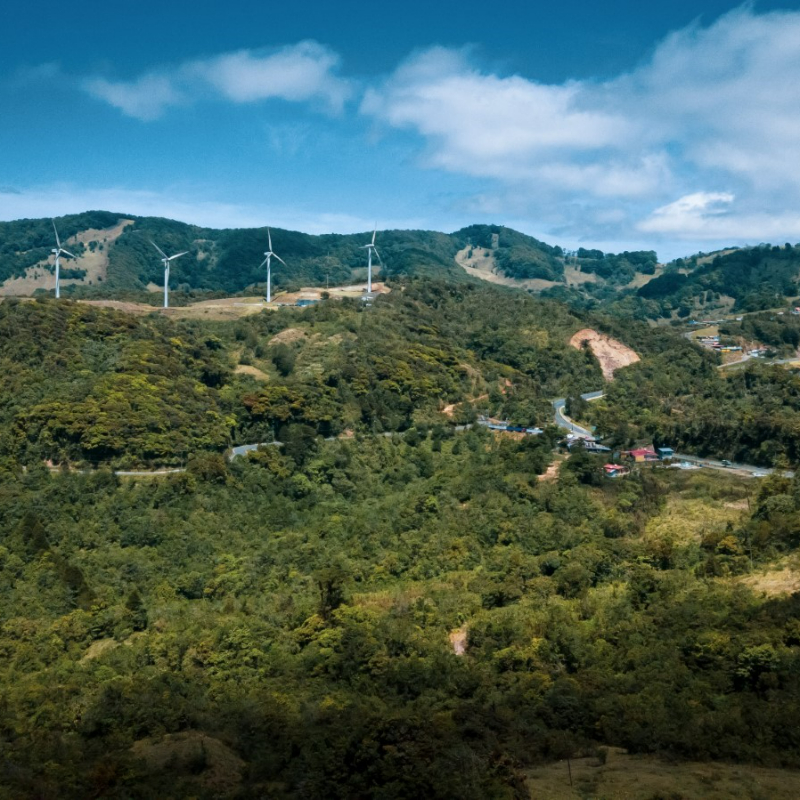
Challenges to investment On 12 December 2015, 196 parties at the UN Climate Change Conference (COP21) adopted the Paris Agreement, aiming to limit global warming to between 1.5°C and 2.0°C above pre-industrial levels and to reach net zero greenhouse gas (GHG) emissions by 2050. To achieve this goal, GHG emissions would need to peak before 2025 and decrease by 45-50% by 2030. To better frame efforts towards this long-term goal, the Paris Agreement invited countries to formulate and communicate long-term low greenhouse gas emission development strategies (LT-LEDS) to transition to net zero emissions by mid-century. As one of the signatories to the Paris Agreement at COP21, Costa Rica committed to limit its greenhouse gas emissions but needed to create a strong national strategy to meet its Nationally Determined Contribution (NDC).   Approach In 2019, the Government of Costa Rica formulated its LT-LEDS within the National Decarbonization Plan (NDP), which encompassed every sector of the economy and promoted GHG emission reduction. The NDP was structured along ten decarbonization axes and described necessary actions in three phases: foundations (2018-2022; vision and urgent actions), inflection (2023-2030; implementing pathways by sector), and massive deployment (2031-2050; constant investment). Specifically, the NDP mandated that the national electric system consolidate its capacity, flexibility, intelligence, and resilience to supply and manage renewable energy (RE) at a competitive cost. During the foundation phase, this mandate meant maintaining an electricity generation mix with over 95% RE and facilitating the decarbonization of other sectors such as transport and agriculture to reduce GHG emissions. It is worth noting that RE generation in Costa Rica had already exceeded 98% of power mix starting by 2019. However, Costa Rica still recognized there was room for improvement, for example aiming to install 274,240 smart meters to more effectively integrate RE generation into the grid by 2022.   Key Enabling Conditions Costa Rica clearly committed to becoming a net-zero emission economy and submitted its LT-LEDS as the 14th country to the United Nations Framework Convention on Climate Change (UNFCCC) Secretariat under the binding Paris Agreement. Although the provision of LT-LEDS was not mandatory, it proved crucial for RE investment funding, planning and decision-making. Notably, the LT-LEDS plan has been in place since its inception, demonstrating ongoing and consistent political support within Costa Rica.  Impact / Outcomes After formulating the NDP, the share of renewable energy in Costa Rica's total power generation increased to 100% in 2022, driven by hydro, geothermal, wind, and solar power. By December 2020, Grupo ICE, the state electricity and telecom provider, had already deployed 475,979 smart meters, surpassing the original target set two years earlier. Smart meter deployment was funded by the Inter-American Development Bank, which, together with IMF funding, invested nearly $1 billion in Costa Rica's overall decarbonization efforts. By February 2022, Costa Rica had already achieved 61% of the first-stage goals of the NDP, with the government projecting that this figure would reach 83% by the end of 2022. These efforts helped Costa Rica remain below the 2.0°C emissions pathway that it committed to under the Paris Agreement. Additional SourcesDenegri, F. D. L., Acuña Román, J. D., Molina-Perez, E., Groves, D. G., Rojas, A. J., Syme, J., & Alvarado, G. (2022). A Green Costa Rican COVID-19 Recovery: Aligning Costa Rica's Decarbonization Investments with Economic Recovery, https://www.undp.org/sites/g/files/zskgke326/files/migration/cr/undp_cr_A_Green_Costa_Rican_COVID-19_Recovery_22.pdf Elliott, C., C. Schumer, R., Gasper, K. Ross, and N. Singh (2022). Realizing Net-Zero Emissions: Good Practices in Countries Working Paper. Washington, DC: World Resources Institute, https://doi.org/10.46830/wriwp.22.00134 Government of Costa Rica (2019). National Decarbonization Plan – Government of Costa Rica 2018-2050, https://unfccc.int/documents/204474 Groves, D. G., Syme, J., Molina-Perez, E., Calvo, C., Víctor-Gallardo, L., Godinez, G., ... & Vogt-Schilb, A. (2020). The Benefits and Costs Of Decarbonizing Costa Rica's Economy: Informing the Implementation of Costa Rica's National Decarbonization Plan under Uncertainty, https://www.rand.org/pubs/research_reports/RRA633-1.html IEA (2023). Energy Statistics Data Browser, IEA, Paris https://www.iea.org/data-and-statistics/data-tools/energy-statistics-data-browser https://sdg.iisd.org/news/costa-rica-releases-national-plan-to-decarbonize-by-2050/ https://www.smart-energy.com/industry-sectors/components/grupo-ice-exceeds-475000-smart-meter-rollout-in-costa-rica/#:~:text=The%20implementation%20of%20smart%20metering,installed%20between%202019%20and%202022https://www.unep.org/ndc/action-area/costa-rica https://unfccc.int/process-and-meetings/the-paris-agreement https://unfccc.int/process/the-paris-agreement/long-term-strategies https://www.wri.org/update/costa-rica-net-zero-plan-attracts-investment-withstands-political-changes https://www.wri.org/climate/long-term-strategies
Costa Rica
GHG Emission Reduction Targets
Challenges to investment In 2015, Peru initially set a target to reduce its GHG emissions by 30% by 2030 versus the business-as-usual (BAU) scenario, capping annual emissions at 300 million tons of carbon dioxide equivalent (tCO2eq). Five years later, Peru increased its GHG emission reduction target to 40%, conditional to international support and cooperation. These targets were set in the context of Nationally Determined Contributions (NDCs) under the Paris Agreement. As part of these commitments, Peru identified carbon capture and storage (CCS) as a necessary building block to achieve its carbon neutrality target. However, without a legal and regulatory framework for CCS, Peru struggled to attract investment in CCS, which in turn stifled overall investment in clean energy infrastructure and development of a carbon emissions trading market.   Approach On 21 November 2019, the Peruvian Ministry of Environment (MINAM), through the General Directorate of Climate Change and Desertification (DGCCD), presented the digital platform “Peru Carbon Footprint” (Huella de Carbono Perú; HC-Peru). The platform aimed to promote and recognize the efforts of public and private organizations in managing their GHG emissions and contributing to the 2030 NDC goal. The Regulation of the Climate Change Mitigation Law No 30754 established a national platform to measure, report, and verify emissions and mitigation measures. Organizations could register voluntarily for the platform, which featured four levels of recognition for an organization’s GHG management. Organizations earned one star by simply measuring their emissions (Level 1), two stars if an accredited third party verified their measuring results (Level 2), three stars if they reported emission reductions (Level 3), and four stars if they offset or neutralized their emissions (Level 4). Each level of recognition could be awarded annually. The benefits included the issuance of seals and diplomas, the publication of the organization’s name on the HC-Peru website, and an annual public event to present each organization’s achieved level.   Key Enabling Conditions The work of the HC-Peru platform was supported by several concurrent programmes and initiatives. The UNDP promoted the creation and strengthening of National Voluntary Carbon Footprint Programmes (NVCFPs), such as in Peru, with the support of the National Determined Contributions Support Programme (NDCSP) and the Climate Promise Initiative, by helping to formulate and implement their climate targets as well as enhancing their NDCs. Awareness campaigns, awards, and symbolic figures such as the Nono Bear spurred private sector engagement by recognizing the organization's efforts with stars and strengthening its public reputation as a contributor to emissions reductions and the national GHG reduction target. Finally, the Peruvian government focused on establishing synergies between HC-Peru and other programmes and initiatives, an effort which continues today.  Impact / Outcomes From 2019 to 2023, a total of 1,445 organizations nationwide registered on the HC-Peru platform. Out of these, 951 organizations measured their GHG emissions (Level 1), collectively measuring over 225 million tCO2eq. The verified total GHG emissions of 370 organizations (Level 2) amounted to around 91 million tCO2eq. Participants at Level 3, totaling 94, annually reduced their GHG emissions by around 3 million tCO2eq. Finally, 30 organizations at the highest level managed to neutralize GHG emissions equivalent to 10,000 tCO2eq over the same period.Additional SourcesUNDP (2022). Guidance for Implementing National Voluntary Carbon Footprint Programs in Latin America, https://climatepromise.undp.org/sites/default/files/research_report_document/PNUD_Carbon_ENG_v02.pdfhttps://climatepromise.undp.org/what-we-do/where-we-work/peru#:~:text=Peru%20established%20more%20ambition%20in,exceeding%20179%20MtCO2e%20by%202030https://climatepromise.undp.org/tags/ndc-support-programme#:~:text=The%20NDC%20Support%20Programme%20works,Governments%20of%20Germany%20and%20Spainhttps://www.cooperacionsuiza.pe/peru-carbon-footprint-and-blue-certificate-water-footprint-platforms-strengthen-national-measures-to-address-climate-change/ https://www.enerdata.net/publications/daily-energy-news/perus-updated-ndc-targets-30-ghg-emissions-cut-2030.html https://www.globalissues.org/news/2020/09/21/26848 https://huellacarbonoperu.minam.gob.pe/huellaperu/#/inicio https://huellacarbonoperu.minam.gob.pe/huellaperu/#/estadisticas/ https://huellacarbonoperu.minam.gob.pe/huellaperu/#/huellaperu https://huellacarbonoperu.minam.gob.pe/huellaperu/#/listadoInscritos/99 https://iclg.com/practice-areas/renewable-energy-laws-and-regulations/peru https://iki-cac.org/en/IKI-in-the-region/undp-climate-promise https://www.ipsnews.net/2020/09/nono-carbon-footprint-bear-part-perus-ambitious-work-climate-action/
Peru
Voluntary Carbon Reporting
Challenges to investment The Philippine Energy Plan 2020-2024 aimed to increase the share of renewable energy (RE) in the power generation mix from 22% to 35% by 2030 and to 50% by 2040. To achieve this target, the Philippines needed to plan, develop, approve, and complete many new RE generation projects. However, the lengthy permitting process was one of the greatest barriers to deploying RE in the Philippines.  Approach On 8 March 2019, the President of the Philippines signed Republic Act 11234, known as the Energy Virtual One-Stop Shop (EVOSS) Act. This act aimed to streamline the permitting process for power generation, transmission, and distribution projects in the Philippines to attract more investments in RE. In particular, the online platform EVOSS facilitated paperless applications for permits for new power generation, transmission, or distribution projects. The platform allowed users to submit all documentary requirements, pay fees, and access a secure system for all agencies involved in the permitting process. The Department of Energy (DOE) supervised and managed EVOSS, while the EVOSS Steering Committee handled its operation and monitoring. Additionally, the act enforced a strict timeframe for all government agencies to respond to pending applications, and considered applications approved if they were not processed within the specified deadline.  Key Enabling Conditions The development and technical support offered by the United States Agency for International Development's (USAID) Energy Secure Philippines program facilitated the integration of LGUs' energy permitting processes into the EVOSS system. In addition, the Philippines was recognized as one of the top five emerging markets to invest in the energy sector according to the BloombergNEF Climate 2023 report since platform's approach was innovative and received substantial coverage. Impact / Outcomes As of June 2024, EVOSS had facilitated 2,539 registered projects, 1,595 registered proponents, 923 in-progress applications, 6,314 processed applications, 132,621 MW of RE potential capacity, and 588 approved RE contract applications. These numbers included applications received by the Energy Regulatory Commission (ERC) after integrating its systems into EVOSS in December 2023. On 7 December 2023, the ERC conducted a dry run for integrating the capital expenditure (capex) application and its workflow into EVOSS. According to the ERC, the processing time for its quasi-judicial rulings will be reduced to 270 calendar days under EVOSS, down from more than a year previously. This integration is expected to speed up the distribution utility application processing time for capital expenditure projects. After completing this integration, the government plans to integrate more ERC processes and local government unit (LGU) permitting processes into EVOSS. Although not fully implemented, EVOSS had an 85% completion rate as of November 2023, based on DOE data. In preparation for EVOSS’s full rollout, the disbursement rate for the EVOSS Act increased to 89% in September 2023, up from 13% in 2022. On the other hand, the obligation rate (reflecting government liabilities) declined to 48% from 83% over the same period. Additional Sourceshttps://www.bworldonline.com/economy/2023/12/13/563480/erc-integrates-with-energy-one-stop-shop-system/ https://www.dbm.gov.ph/wp-content/uploads/2012/03/PGB-B6.pdf https://www.evoss.ph/ https://legacy.senate.gov.ph/press_release/2024/0115_gatchalian1.asp https://malaya.com.ph/news_business/full-rollout-of-evoss-to-attract-re-investments/ https://mb.com.ph/2023/11/20/usaid-strongly-backs-evoss-integration-of-lg-us-energy-project-permitting-1 https://newsinfo.inquirer.net/1095744/duterte-signs-energy-virtual-one-stop-shop-bill-into-law https://www.philstar.com/business/2023/06/17/2274368/delays-permits-lack-perks-hinder-re-growth-philippines-wwf https://www.philstar.com/business/2023/12/15/2318874/erc-integrates-systems-evoss https://tribune.net.ph/2024/01/15/speedier-evoss-implementation-urged-to-lure-more-re-investments https://wingatchalian.com/news/evoss-expected-to-pave-the-way-for-more-offshore-wind-energy-projects/
Philippines
Electronic Linkage of Agencies for Permitting Processes
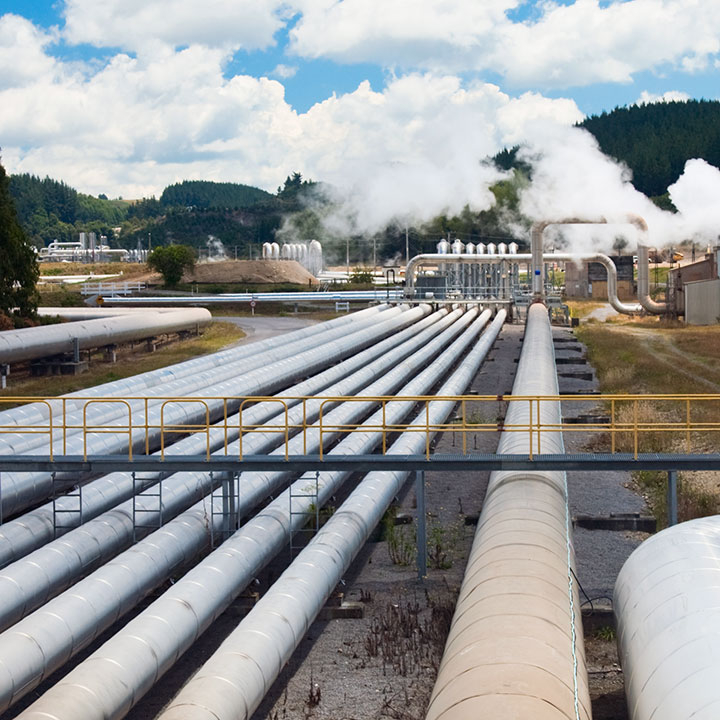
DescriptionConvertible instruments are hybrid products that offer the flexibility to convert into equity. There are several types of convertible instruments, including debt instruments (e.g. loans, bonds) and equity grants. The terms and conditions of the convertibility of these instruments are fixed in advance. They may be linked to an unforeseen event (e.g. an operational problem) or a planned event (e.g. a specific date), and the amount of equity to which they give entitlement is fixed in advance. BenefitsConvertible instruments provide financial flexibility. They reduce the investment risk compared to a pure equity investment, thus reducing the cost of financing (e.g. protecting investors from early-stage project risks, allowing equity conversion when the project reaches certain milestones). They can make projects more attractive to a wider range of investors by offering both security and growth potential. These instruments and their convertibility criteria can be tailored to the specific needs of a project, providing a bespoke financial solution that matches the project's risk profile and financial structure. Case StudyGreen Climate Fund convertible bondsIndonesia's geothermal potential is estimated at 29GW, or about 40% of the world's known reserves. However, the main barrier to geothermal development has been the lack of appropriate financing instruments to address the high risks associated with early-stage geothermal resource confirmation.In 2019, the Green Climate Fund (CGF) committed to a USD 410 million multi-year support facility, with contributions from the World Bank, the Indonesian government, and private sector developers, to finance geothermal development in Indonesia. The goal was to achieve 600-900MW of geothermal capacity.The GCF contribution was specifically designed to reduce the exploration risk faced by geothermal developers. In addition to concessional loans, repayable grants and subsidies, the package included convertible bonds. These bonds allowed private sector geothermal developers to mitigate exploration risks while providing an upside in the event of success.The non-recourse features of the convertible bonds linked the value of the bond to the success of the developer, offering a premium if the project was successful. It aimed to address the significant barrier of early-stage exploration risk in geothermal development, which had historically prevented the full utilization of global geothermal capacity.Additional SourcesIRENA, Mobilising institutional capital for renewable energy, 2020, https://www.irena.org/-/media/Files/IRENA/Agency/Publication/2020/Nov/IRENA_Mobilising_Institutional_Capital_2020.pdfIRENA, Global Landscape of Renewable Energy Finance 2020, https://www.irena.org/-/media/Files/IRENA/Agency/Publication/2020/Nov/IRENA_CPI_Global_finance_2020.pdfCredit Suisse, The case for convertible bonds, 2021https://www.greenclimate.fund/news/gcf-supports-indonesia-s-energy-transition-with-de-risking-geothermal-development
Indonesia
Convertible Instruments
DescriptionThe Clean Development Mechanism was a project-based mechanism established in 2006 under the Kyoto Protocol, allowing industrialized countries and sometimes companies with emission-reduction commitment to invest in emission reduction projects in developing countries. In return, the investing country received Certified Emission Reductions (CERs) that could be used to meet their own emissions reduction targets. A CDM project had to achieve emission reductions beyond what would have occurred without the project, requiring approval through a thorough registration process by Designated National Authorities (DNA). While the CDMs expired at the end of the Kyoto Protocol in 2020, a number of projects built under this mechanism are still in operation. Moreover, the CDM concept itself provides useful inspirations for potential future mechanisms facilitating investments in clean energy in EMDEs. BenefitsCDMs facilitated investment in emission reduction projects in developing countries by improving their financial viability. The sale of CERs generated revenue, making projects more attractive to investors and enabling further capital inflows. The CDM scheme also encouraged foreign investment, often from diverse international sources, and contributed to cost-effective compliance with emission reduction commitments. In addition, the mechanism promoted market efficiency by incentivizing projects with low abatement costs, thus ensuring an optimal allocation of resources for sustainable development. Case StudyCDM biomass conservation program in MalawiIn 2019, the Malawi Government approved a Clean Development Mechanism for a biomass energy conservation program. The program led to the switch from traditional three-stone fires to the Chitetezo Mbaula stove. This project reduced particulate emissions by 46% and carbon monoxide emissions by 44%. The Chitetezo Mbaula, handmade from local materials, significantly reduced firewood consumption, with optimal stoves achieving up to 80% efficiency gains. This was crucial for Malawi, which experienced 57% deforestation from 1972 to 1992, as it helps combat further deforestation.Modifications and lab tests showed that simple adjustments, like adding air holes and reducing the pot gap, increased the stove's thermal efficiency. Further enhancements, including the addition of a Jet-Flame and a metal skirt, boosted efficiency to +45% and significantly reduced emissions. The project, supported by organizations like United Purpose and funded through CO2 credit sales, has led to income generation and skills diversification in local communities.Additional Sourceshttps://unfccc.int/process-and-meetings/the-kyoto-protocol/mechanisms-under-the-kyoto-protocol/the-clean-development-mechanismUNFCCC, Benefits of the Clean Development Mechanism, 2012, https://cdm.unfccc.int/about/dev_ben/ABC_2012.pdfhttps://www.persefoni.com/blog/carbon-offset-programshttps://offset.climateneutralnow.org/biomass-energy-conservation-programme?searchResultsLink=%2Fee-householdshttps://cdm.unfccc.int/UserManagement/FileStorage/AG250T71CBWRXJI34LKHEMY8OS6N9Dhttps://offset.climateneutralnow.org/biomass-energy-conservation-programme?searchResultsLink=%2Fee-households
Malawi
Clean Development Mechanism
Challenges to investment The Philippines National Renewable Energy Plan (NREP) 2020-2040 set a target of at least 35% renewable energy (RE) in the power generation mix by 2030. However, RE’s share in the power generation mix averaged only about 2% from 2010 to 2019. The low deployment of RE generation was related to two major barriers. First, traditional transmission planning was often misaligned with the rapid scale-up of RE. Large-scale wind and solar projects could be deployed in a year or less, but transmission planning and development stretched over a decade. Second, the Philippines faced the circular dilemma: RE generator needed financing and financiers demanded transmission access to support their investment. However, transmission access required regulatory approval and regulators required certainty on cost-recovery from the potential RE generators. That dilemma left RE investment at a standstill.   Approach On 18 September 2018, the Department of Energy (DOE) issued a Department Circular (DC) titled “Establishment and Development of Competitive Renewable Energy Zones in the Country”. The DC established a process that facilitated proactive transmission planning by identifying areas rich in economically viable RE resources. The DC designated Competitive RE Zones (CREZ) as geographic regions with abundant RE resources, suitable topography, appropriate land-use classification, and demonstrated interest for development. Identifying these CREZ would support the formulation and implementation of the NREP, along with national Transmission Development Plan (TDP). The initiative received financial support from the United States Agency for International Development (USAID) and technical assistance from the National Renewable Energy Laboratory (NREL).  Key Enabling Conditions The CREZ program’s success was driven by several key factors. First, the program established clear processes outlining well-defined and transparent procedures for CREZ designation, selection, and buildout. Second, high-quality data (collected by NREL, working groups and the process-created Technical Advisory Committee) was essential for the decisions using the best available resource, land-use, and economic information. Next, strong stakeholder engagement (chaired by the DOE with support from USAID and NREL) actively aligned private developers, landowners, and government ministries. Additionally, the government integrated the CREZ transmission process into the regulatory framework, facilitating the construction of transmission projects. Finally, the CREZ process was modeled after a successful program in Texas, USA, where ten zones and corresponding transmission plans were developed by 2015. Impact / OutcomesThe first phase of the CREZ initiative concluded in 2020, identifying 25 zones with an estimated gross capacity of 152 GW from new wind and solar photovoltaics sources. Moreover, the zones included approximately 365 MW of geothermal, 375 MW of biomass, and over 650 GW of hydropower capacity. The RE potential in these zones surpassed the Philippines’ Renewable Energy Roadmap goal of 20 GW by 2040, offering flexibility in cost-effective transmission build-out scenarios. From an investor perspective, these zones promised a high utilization and lower costs per MWh. These advantages translated into maximized MWh per unit of capital invested, reducing curtailment (intentional generation reduction) and optimizing transmission asset utilization. Finally, CREZ designation helped the Energy Regulatory Commission's review of transmission enhancements, ensuring access was directed to prime renewable energy areas and thereby reducing investors’ uncertainty about access. While the CREZ Phase II commenced on 27 January 2021, at the time of writing, the ensuing three subsequent activities were in progress.  Additional SourcesDepartment of Energy (2018). Establishment and Development of Competitive Renewable Energy Zones in the Country, https://doe.gov.ph/sites/default/files/pdf/issuances/dc2018-09-0027.PDF NGCP (2021). Transmission Development Plan 2021-2040, https://www.ngcp.ph/Attachment-Uploads/Transmission%20Development%20Plan%202021%20-%202040%20Consultation%20Draft%20Report-2021-01-15-11-27-08.pdf NREB (2022). National Renewable Energy Program, 2020-2040, https://doe.gov.ph/sites/default/files/pdf/announcements/nrep_2020-2040.pdf NREL (2023). Transmission Planning with Renewable Energy Zones (REZ): Overview, Select Case Studies, and Key Enablers, https://www.nrel.gov/docs/fy23osti/85346.pdf USAID-NREL (2017). Renewable Energy Zone (REZ) Transmission Planning Process: A Guidebook for Practitioners, https://www.nrel.gov/docs/fy17osti/69043.pdf USAID-NREL (2020). Ready for Renewables: Grid Planning and Competitive Renewable Energy Zones (CREZ) in the Philippines, https://pdf.usaid.gov/pdf_docs/PA00X1N4.pdf
Philippines
Geographical Mapping of RE Resources
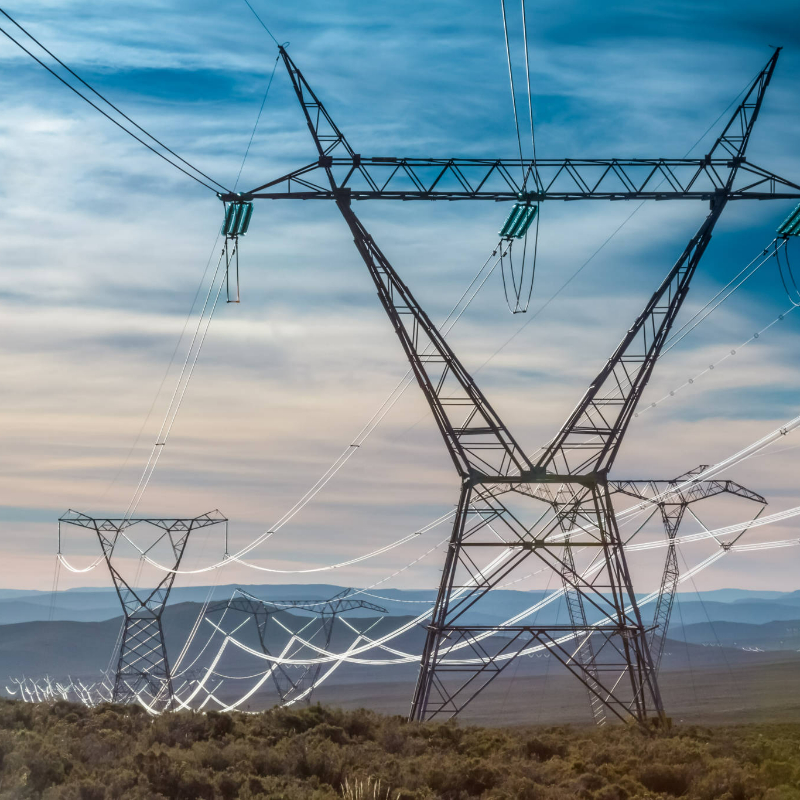
Challenges to investment In 2018, the Government of Mozambique (GoM) endorsed the 2018–2043 Master Plan for Electrical Infrastructure (Plano Diretor de Infraestruturas Elétricas 2018-2043). This plan aimed for renewables to comprise 20% of the national electricity generation, as a low-cost solution to ensure a more diverse energy mix and greater energy security. Though the sectoral policy set a clear target, a more robust regulatory framework was required to enable private investment in renewable energy projects. Without a clear, formal process and associated auction scheme for private investment, development of large-scale solar and renewable energy projects was extremely limited hitherto.  Approach Starting in 2018, the French Development Agency (Agence Française de Développement; AFD), using financing from the European Union (EU), offered its support for the GoM’s Promotion of Renewable Energy Auction (Promoção de Leilões de Energias Renováveis; PROLER) programme to develop renewable energy power generation. PROLER was instrumental in helping the GoM launch public tenders for renewable energy projects with a transparent and competitive process. Under PROLER, the renewable energy power generation projects aimed for a total installed capacity of 160 MW, to be connected to the national power grid. Three solar projects were planned for the cities of Dondo, Lichinga, and Manje, and a fourth wind power project was scheduled for Inhambane, with an estimated total cost of around €200 million. Of the €200 million, €37 million was co-financed by the EU, with the remainder provided by selected private investors. AFD provided technical assistance to prepare for and launch the calls for tender, including all feasibility studies, environmental and social impact assessments, and mitigation measures, as well as funding interconnection costs. For private power-producing companies responding to the calls for tender, AFD offered a guarantee mechanism to limit the risk of non-payment by the buyer, Electricidade de Moçambique (EDM), the national utility.  Key Enabling Conditions By leveraging the AFD guarantee mechanism and expertise, a competitive and transparent tender process bolstered investors’ confidence. In addition, the World Bank approved a $150 million loan for EDM. These funds were intended to strengthen the national grid infrastructure and improve the capabilities of the transmission and distribution network. The grid improvements are expected to increase the reliability of the power supply and enable greater integration of solar and renewable energy power plants. Impact / Outcomes In 2021, the first of the four PROLER renewable energy projects - the Dondo solar project - launched its tender, with a planned capacity of 40 MW and expected commissioning in 2024. The tender for the Lichinga solar project with 40 MW was launched in 2022, with construction starting in 2024 and commercial operation in 2025. Similarly, the solar project in Manje with 40 MW planned to start construction in 2024 and begin operation by 2026. Together, these three solar power plants were expected to supply enough electricity for 300,000 households and avoid the country’s CO2 emissions by 25,000 tons annually. Additionally, the Inhambane Wind Power Plant, with a capacity of 40 MW, was scheduled to start operations in 2025. Additional SourcesAfDBGroup (2021). Country Priority Plan and Diagnostic of the Electricity Sector: Mozambique, https://www.afdb.org/sites/default/files/2021/11/22/mozambique.pdf PROLER (2021). Renewable Energy Auctions Initiative (PROLER): Programme Flyer, https://proler.gov.mz/wp-content/uploads/2021/01/EDM_Novas-Energias_Brochura_A4.pdf https://cms.law/en/deu/publication/cms-infrastructure-index-2023/case-study-proler-in-mozambique https://cms.law/en/int/expert-guides/cms-expert-guide-to-renewable-energy/mozambique https://www.eeas.europa.eu/delegations/mozambique/mozambique-seeking-independent-power-producer-develop-solar-photovoltaic-project_en https://energypedia.info/wiki/Energy_Access_Programmes_in_Mozambique#cite_note-14 https://www.power-technology.com/data-insights/power-plant-profile-proler-dondo-solar-pv-park-mozambique/ https://www.power-technology.com/data-insights/power-plant-profile-proler-manje-solar-pv-park-mozambique/ https://www.power-technology.com/marketdata/power-plant-profile-proler-nampula-solar-pv-park-mozambique/ https://www.power-technology.com/marketdata/power-plant-profile-proler-lichinga-solar-pv-park-mozambique/ https://proler.gov.mz/about/ https://proler.gov.mz/mozambique-tenders-120-mw-of-solar/ https://proler.gov.mz/wp-content/uploads/2020/09/proler-fact-sheet7-en.pdf https://www.pv-magazine.com/2017/10/13/europe-helps-mozambique-design-auction-mechanism-for-renewables/ https://solarquarter.com/2022/04/15/mozambican-authorities-selects-total-eren-to-build-the-dondo-solar-power-plant/
Mozambique
National and Multilateral Development Banks Funding to Investors
DescriptionRefinancing entails changing or replacing existing lenders or the terms under which debt commitments have been established between the borrower and its lenders. Refinancing usually occurs when the borrower has the opportunity to negotiate better terms than existing ones, when additional funds are required (rescue refinancing) or when the loan matures but the borrower still requires financing (e.g., bridge financing). BenefitsRefinancing has several advantages. In case of favorable change in market conditions, it can allow borrowers to obtain better terms, reduce the cost of their debt or change their capital structure. It can also be used to harness a decrease in the overall level of project risk over time. For instance, refinancing could intervene after solid operating performance has provided reassurance to investors as to overall levels of project risks. Alternatively, refinancing has also been used as a way to clearly separate the construction phase financing, from the operating phase financing, in order for project owners to reap the benefits of successful construction phase completion and benefit from improved conditions in the operation phase.In some circumstances, refinancing may be an additional risk to the project if it is required to cover the full operation of the project, taking on the risk of deteriorating market conditions. Case StudyIDB Invest refinancing solar photovoltaic projects in Uruguay In 2013, the Government of Uruguay launched a 200MW tender program to attract private sector participation in the development of the country’s first utility scale solar photovoltaic (PV) power plants. By opening up the renewable energy sector to private ownership, the government aimed to increase the share of non-conventional renewable energy in Uruguay’s energy matrix, thereby easing the country’s dependence on strained hydroelectric power generation and costly, high-emission fossil fuel imports.Between 2014 and 2016, IDB Invest, the private sector arm of the Inter-American Investment Bank Group, together with the Canadian Climate Fund for the Private Sector in the Americas (C2F), an innovative blended finance mechanism managed by IDB Invest, invested in three large scale solar projects in Uruguay (La Jacinta; Natelu & Yarnel; Casablanca & Giacote) to emerge from the tender program. Between 2018 and 2020, after the solar financing market for Uruguayan assets had matured and the projects had begun operating, the projects were refinanced in the international capital markets.In 2018, IDB Invest provided an “A/B bond” financing structure to La Jacinta solar farm, where IDB provided a share of the refinancing for its own account (A loan) and a B loan issued by a special purpose vehicle which issued a senior note to institutional investor on the market (B bond). In the La Jacinta B bond, IDB Invest did not seek to refinance the C2F participation with the bond proceeds but rather restructured the sizeable C2F tranche specifically to ensure an investment grade rating for the issuance; a critical element in attracting the interest of a large-scale institutional investor. This refinancing structure helped the project to diversify its investor set, separate operation risk from construction phase financing and freed IDB Invest balance sheet for further investments. In 2020, following the successful refinancing of the La Jacinta project, the same “A/B bond” refinancing mechanism was applied to the Natelu & Yarnel project. This time IDB Invest refinanced 100% of the C2F participation with the bond proceeds as the market had matured sufficiently such that credit and pricing support were no longer necessary. Similarly, the entire financing of the Casablanca & Giacote project was refinanced in the private loan market.The additional innovation in this case is that the IDB Invest took a systemic and strategic financing approach at the country level by investing in and monitoring multiple first-mover projects in parallel rather than a project-by-project approach, with a long-term view to support the viability of the sector in Latin America as well as capital market formation. The original financings included blended finance in standard project finance formats to support credit quality and project returns in the face of illiquid capital markets for these new assets, with limited commercial financing. Blended finance also supported the initial entry of institutional investors. As the solar market became more competitive, even outcompeting fossil fuel fired energy, the risk perceptions of institutional investors towards the asset class shifted. As a result, commercial financing – or more specifically, institutional capital raised in the capital market – evolved into a more competitive option and began to gradually replace the subsidization model. IDB Invest actively sought to refinance the projects not only to relieve its own balance sheet, but in service to its development objective of promoting capital markets for infrastructure development.Additional Sourceshttps://managingppp.gihub.org/report/construction-and-operations-routine-contract-management/refinancing/background/https://ppp-certification.com/ppp-certification-guide/134-refinancingConvergence, Developing the Solar Market in Uruguay, 2022, https://www.convergence.finance/api/file/d887eb11e308bea2b28159b540c512ed:f1286743f5feeb336eb9b15fa1725699a5abedc6c7183776c5548e63b168d10a127843ef3daa26321be12deba4ae1d1854553cf54111a7779b37f5f906c07199a43794ab8dc51fb608e79c9a0b762bb89b265a9b118bc30093ba70d4b0b1bf3bd0972c262616827d327318e214e8c2ba0d9568135439671c7541401d99d0ff40e4a7cf1b3e723a0a93648dbfa532ffe9e43b30171c1fc6351ea201bc837d5e93https://www.convergence.finance/resource/developing-the-solar-market-in-uruguay-case-study/viewIDB Invest consultation, 23 July 2024
Uruguay
Refinancing
DescriptionBridge financing is a temporary funding solution designed to cover a company or project short-term expenses until it secures long-term financing. All-equity bridge financing means that the temporary funding is equity rather than debt as bridge loans typically carry very high interest rates.  BenefitsAll-equity bridge financing offers several advantages in project finance. Like other forms of bridge financing, it can be secured more quickly than long-term financing. Additionally, all-equity bridge financing allows equity investors to absorb specific risks associated with phases of the project too risky for debt investors. It can mitigate the financial risk and enhances the project's overall attractiveness to future debt financiers by demonstrating initial progress and stability. Case StudyAFC all-equity bridge financing for 60MW Djibouti wind farmBetween 2018 and 2020, the Africa Finance Corporation (AFC) – as lead developer of the Red Sea Power (RSP) 60MW wind farm in Djibouti – initiated an all-equity bridge financing to advance the project. The use of all-equity bridge financing helped de-risk the project's initial phases, separating construction risk from operational risk, and making it more attractive to subsequent investors. This approach not only mitigated early-stage risks but also showcased the project’s commercial viability, paving the way for future investments in the region. This de-risking and financing approach was pivotal for attaining financial close in ~2 years (as compared to the 3-5 years it typically takes projects in the continent), and enabled the project to commence construction in January 2020, despite global supply challenges due to COVID-19 lockdowns.The innovativeness of this approach is testament to the solution-oriented mindset required to get projects done on the continent. It also illustrates that capital can be raised in relatively “difficult” markets for projects that are well structured with risks appropriately mitigated. As the first IPP in the country, this project helped build capacity and knowhow within the Government and established bankable templates for project documents that can now be leveraged by future projects and investors. This project also underlined the importance of quality partners in development: AFC’s financial and technical capacity, together with contributions from the Dutch development bank (FMO) and Climate Fund Managers (CFM), and coupled with the ability of the local sponsor to intervene on the ground were all critical to this success. Additional Sourceshttps://corporatefinanceinstitute.com/resources/commercial-lending/bridge-financing/https://www.fmo.nl/news-detail/438cc35f-3075-4c21-a058-8899fc24564f/djibouti-inaugurates-red-sea-power-country-s-first-wind-farmhttps://www.africafc.org/news-and-insights/news/djibouti-inaugurates-debut-wind-farm-a-milestone-in-quest-to-be-first-african-country-fully-reliant-on-green-energyAFC Presentation during WEF virtual meeting of the Deputies (Network to Mobilize Investment for Clean Energy in the Global South), 18 April 2024
Djibouti
All-equity Bridge Financing
DescriptionBlended finance equity funds are vehicles that follow the blended finance structuring approach: leveraging catalytic capital from public or philanthropic sources to increase private sector investment in sustainable development. They aim to mitigate specific investment risks through the use of equity instruments and help to balance the risk/return profile of their investments. They are structured to overcome market barriers and leverage other investments to make otherwise commercially unviable projects viable. BenefitsBlended finance equity funds help fill financing gaps, address market failures and leverage private sector capital for strategic projects. By reducing perceived risk, these funds improve the creditworthiness of projects and encourage further investment. Blended equity funds can also help create markets by demonstrating the viability of certain investments. This disciplined and focused approach ensures that funds are used effectively, efficiently, and transparently.Due to the nature of the financial instrument (i.e. equity), these funds are typically dedicated to riskier investments than blended finance debt funds as they absorb early-stage risk, making them ideal for pioneering and high-risk initiatives. Case StudyClimate Finance Partnership, a blended finance equity fundIn 2018, the creation of the Climate Finance Partnership (CFP) was announced by the French Development Agency (AFD), the German Ministry of the Environment (BMU), BlackRock, the Hewlett Foundation, the Grantham Foundation, the Quadrivium Foundation, and subsequently joined by the Japan Bank for International Cooperation (JBIC). The CFP is a blended finance equity fund aimed to accelerate climate investments in emerging markets. The fund combines public, philanthropic, and private capital to mobilize large-scale institutional investment in climate sectors. A first tranche of USD 130 million of catalytic funds, supported by public and philanthropic foundations, had – at the time of writing – leveraged USD 540 million in private investment. The fund is managed by BlackRock, which made investment decisions in accordance with the founders' investment policy. The CFP targeted projects in Southeast Asia, Latin America, and Africa, with at least 25% of investments in Africa. Areas of focus included renewable energy generation, energy efficiency in the residential, commercial and industrial sectors, energy storage solutions and low-emission mobility services.Ditrolic Energy is a good example of the types of equity investments made by the CFP. In 2024, the CFP invested in this Malaysian renewable energy developer, with the aim to support its pipeline of + 1GW of solar projects, targeting both commercial and industrial as well as utility-scale solar installations in Southeast Asia.  Additional Sourceshttps://www.ifc.org/en/what-we-do/sector-expertise/blended-finance/how-blended-finance-workshttps://www.convergence.finance/blended-financehttps://oneplanetsummit.fr/en/coalitions-82/climate-finance-partnership-cpf-198https://www.afd.fr/fr/actualites/communique-de-presse/davos-2020-climate-finance-partnershiphttps://www.cliffordchance.com/news/news/2024/02/clifford-chance-advises-blackrock-s-climate-finance-partnership-.htmlPresentation at the virtual meeting of the Deputies (Network to Mobilize Investment for Clean Energy in the Global South), 20 August 2024https://www.blackrock.com/institutions/en-us/strategies/alternatives/real-assets/infrastructure/climate-finance-partnership
Malaysia, Bangladesh, Indonesia, Philippines
Blended Finance Equity Fund
DescriptionConcessional loans are loans at softer terms (e.g., lower interest rates, extended repayment periods, income-contingent repayment) than market loans, and are typically offered by institutions such as development banks, multilateral funds, philanthropies, and governments. Concessional loans are a sub-type of concessional financing (the latter also including mechanisms such as grants or equity). The primary objective of concessional loans is to accelerate development and climate change objectives by providing affordable financing solutions. As such, they have a key role to play in financing the energy transition of emerging markets and developing economies. BenefitsBy offering favourable borrowing terms, concessional loans enable projects that might not attract private investment due to high risk or insufficient capital. The financing is designed to address a market failure and deliver societal benefits that exceed the financial return to investors. Concessional loans allow countries to build sector capacity for private sector participation.  Case StudyAfrican Development Bank concessional loan to support electrification in RwandaIn 2018, the African Development Bank announced supporting Rwanda’s efforts to improve electricity supply and expand access under the Scaling Up Electricity Access Program Phase II (SEAP II). This initiative built on the initial SEAP launched in 2013, and which included a combined EUR 40 million loan and grant. SEAP II involved a EUR 165.59-million loan from the African Development Bank, and EUR 63.61-million from the African Development Fund, the concessional arm of the Bank, covering 8.2% of the Government’s EUR 2.85 billion budget for its Energy Sector Strategy Plan. The concessional nature of this finance was critical, providing affordable capital to enhance national electrification goals.The program spanned three fiscal years, ending in 2021/22. It aimed to construct 795 km of Medium Voltage and 7,317 km of Low Voltage lines, increasing nationwide electricity connectivity. It targeted reducing service interruptions and network losses, contributing to financial sustainability. The initiative anticipated adding over 193,000 new on-grid and 124,000 off-grid connections. The project also included training for over 4,000 individuals, 30% of whom were women. Additional Sourceshttps://www.worldbank.org/en/news/feature/2021/09/16/what-you-need-to-know-about-concessional-finance-for-climate-actionhttps://www.finance.gov.au/publications/advice-paper/frequently-asked-questions-concessional-loans#:~:text=A%20concessional%20loan%20is%20a,deferred%20repaymentshttps://citiesclimatefinance.org/financial-instruments/instruments/competitive_finance_or_concessional_loanhttps://www.afdb.org/ar/news-and-events/rwanda-and-african-development-bank-sign-eur229-million-loan-agreements-to-finance-electricity-projects-18584
Rwanda
Concessional Loans
Challenges to investmentIn 2013, Lesotho updated its energy policy to foster renewable energy (RE) and reduce reliance on fossil fuels and imported electricity. In light of the updated energy policy, a German developer proposed a RE and energy efficiency (EE) project in November 2017. After agreement, the developer and the Government of Lesotho (GoL) entered into a non-binding memorandum of intent on the content of the project. ApproachOn 24 September 2018, the developer signed a supply contract with the GoL, based on the memorandum, to develop a major solar and EE project financed by the German government through the German development bank (KfW). The project promised to take up to 40,000 solar water heating systems, 20 MW of solar photovoltaic capacity, 1 million LED lights, and 350,000 solar lanterns nationwide. Despite the project's approval by the Prime Minister, Lesotho's Ministry of Finance refused to conclude the financing agreement, preventing the project from proceeding. This refusal led to a legal dispute between the company and the GoL, which went to arbitration in December 2019. The contract included an agreed-upon process for resolving disputes, with both parties consenting to appoint an independent arbitrator in South Africa's jurisdiction to ensure fair and impartial treatment. Additionally, Lesotho’s procurement law permits certain exceptions to the competitive tender process for certain projects, where the funding is sourced from foreign governments or development finance organizations. Key Enabling ConditionsThe involvement of the German development bank (KfW) in the initial project financing created implications on foreign policy and was an incentive for parties to resolve the dispute in a transparent and diplomatic matter. In addition to legal transparency, clean energy investment in Lesotho has also been supported by financing and technical assistance from the World Bank Group and other development finance organizations. Impact / OutcomesThe independent arbitration played a crucial role in facilitating successful litigation for the German company, underscoring the importance of enforcing contracts within a robust regulatory framework. The dispute highlighted the pivotal role of contract enforcement, regulatory compliance, public perception, and transparent reporting in influencing the investor climate. To provide additional transparency, the GoL makes legal judgements publicly accessible via the Lesotho Legal Information Institute (LesLII), reinforcing the legal framework and contributing to a more predictable and stable investment environment for clean energy in particular. Publicly available information regarding the ongoing dispute includes court decisions, media statements from the German company and GoL, as well as press articles. Increased investor confidence has resulted in continued investor interest in RE projects in Lesotho such as the 30 MW Ha Ranarothole solar farm project in the Mafeteng district, which was handed over to the government in 2023.Additional Sourceshttps://www.frazersolarvlesotho.com/frazer-solar-12-jan-2024 https://www.frazersolarvlesotho.com/key-facts https://www.frazersolarvlesotho.com/q-ahttps://www.frazersolarvlesotho.com/timeline https://www.frazersolarvlesotho.com/_files/ugd/06b961_cf474f6095b248e9a36b2dc69405773a.pdf https://www.iisd.org/itn/en/2021/10/07/ad-hoc-tribunal-rules-in-favour-of-german-energy-investor/ https://www.italaw.com/cases/10174 https://jusmundi.com/en/document/decision/en-frazer-solar-gmbh-v-the-kingdom-of-lesotho-arbitration-award-tuesday-28th-january-2020 https://www.thereporter.co.ls/2022/11/15/frazer-solar-deal-unlawful-high-court/ https://www.gov.ls/ramarothole-solar-power-generation-to-benefit-basotho-pm/
Lesotho
Publicly Available Judgments
DescriptionLiquidity facilities are financial instruments designed to provide short-term funding to cover temporary cash flow shortfalls ensuring the smooth operation and financial stability of a project. Liquidity facilities can take various forms, including liquidity reserves, revolving credit facilities, or debt service reserve accounts (DSRA) and can cover several types of obligations (e.g., debt service, operating expenses). Such facilities are often established as part of the financial structure of the project and are agreed upon by lenders, sponsors, and other stakeholders.  BenefitsLiquidity facilities provide a safety net to cover short-term cash flow mismatches, ensuring that the project can meet its operating and debt service obligations without interruption. The flexibility of immediate access to funds can be crucial during periods of low energy production or unforeseen operational issues. By stabilizing cash flows, liquidity facilities enhance the project's creditworthiness and attractiveness to investors and lenders. Additionally, liquidity facilities contribute to the overall financial health of the project by preventing costly defaults or breaches of capital requirements. These facilities can be tailored to meet the specific financial needs of different projects, providing customized solutions and allowing stakeholders to better manage financial risks. They can be structured to complement other financial instruments, such as guarantees, to provide a comprehensive financial strategy. Case StudyInternational Bank for Reconstruction and Development (IBRD) and the Clean Technology Fund (CTF) liquidity reserve In 2018, Colombia launched the Renewable Energy and Energy Efficiency Program (PER) with the support of the International Bank for Reconstruction and Development (IBRD) and the Clean Technology Fund (CTF). The programme aimed to support the development of three categories of clean energy projects: large-scale renewable energy (wind, solar, > 20MW), small-scale renewable energy (< 20MW), and energy efficiency activities in the industrial sector. Colombia's Financial Development Agency (FDN), a national development finance institution, provided credit enhancement and risk mitigation financial products to improve the bankability of clean energy projects and the return on investment for long-term investors.The initiative was supported by IBRD and CTF with respectively up to USD 41 million and USD 40 million in guarantees to backstop FDN's payment obligations. A liquidity reserve was essential in de-risking this structure as it acted as a first loss tranche, ensuring that FDN meets its payment obligations under the financial products issued to support renewable energy projects. The reserve allowed FDN to address any short-term liquidity issues that may arise, ensuring the stability and continuity of clean energy projects. In the event that FDN's available liquidity and capital reserves would be insufficient to meet payment obligations, the liquidity reserve could be drawn upon as first loss capital, followed by calls on the CTF and IBRD guarantees.The liquidity reserve was critical in maintaining FDN's minimum regulatory Tier 1 capital ratio and improving the creditworthiness and overall bankability of the clean energy sector in Colombia. By providing a buffer against financial uncertainties, it helped attract competitive investments, support the long-term sustainability of projects, and contribute to the broader goals of promoting renewable energy and energy efficiency in Colombia. This innovative approach ensured that public resources were used effectively, while keeping IBRD and CTF guarantee calls as a last resort.Additional Sourceshttps://en.adgm.thomsonreuters.com/rulebook/liquidity-facilitieshttps://financialmodelling.mazars.com/resources/debt-service-reserve-account-dsra/https://corporatefinanceinstitute.com/resources/commercial-lending/revolving-credit-facility/https://projects.worldbank.org/en/projects-operations/project-detail/P161713
Colombia
Liquidity Facility
Challenges to investmentAs one of the world’s most populous countries which has undergone rapid growth and industrialization, China faced significant challenges in controlling emissions and promoting clean energy alternatives in the late 2010s. In particular, China’s energy generation was highly depending on coal, which contributed significantly to carbon emissions. In addition, the size of the energy market created difficulties ensuring compliance and encouraging energy efficiency across diverse and widespread industrial sectors. China had already launched several pilot Emissions Trading Schemes (ETS) and other emissions reduction programs but lacked a unified national regulatory framework and carbon trading market.  ApproachTo address these challenges, China announced its national Emissions Trading Scheme (ETS) in 2017, to be launched in 2020. The scheme aimed to create a market-based approach to controlling emissions. The scheme set a cap on emissions allowed for covered entities and allowed entities to trade emission allowances in the carbon market (cap-and-trade). To guide the development of the national ETS, the Ministry of Ecology and Environment (MEE) published the Interim Rules for Carbon Emissions Trading Management, a regulatory framework which detailed entities’ compliance requirements and trading mechanisms for the carbon market. The ETS initially covered 2,225 designated participating “key emission entities” based on their emissions over 2013-2018, comprising about 40% of China’s total carbon emissions. These participants, primarily from the power generation sector, namely coal and gas, were designated to encourage the clean energy transition. In 2021, the ETS was updated to better allocate allowances reflecting actual emissions, improve market stability and reduce overall emissions more effectively.Key Enabling ConditionsThe early success of the national ETS in China was enabled by several conditions. First, the Chinese government’s strong commitment to achieving peak carbon emissions by 2030 and carbon neutrality by 2060 has provided a clear policy direction and support for the ETS. In addition to ETS-specific frameworks, the broader push to install renewables capacity incentivized investments in cleaner and more efficient energy technologies. More broadly, increasing awareness of climate change and environmental issues among the public and businesses fostered a supportive environment for the ETS and other sustainability initiatives. While initially focusing on the power sector, the ETS is designed to expand to other high-emission industries, enhancing its impact over time. Impact / OutcomesThe first compliance cycle was hailed by MEE as a success, given a 99.5% compliance rate among covered entities and the successful establishment of an active carbon trading market. Though initial trading prices were low, and volume was thin, the initial performance of China’s ETS mirrored the early stages of ETS’s from other jurisdictions such as the EU and California in the United States. Energy intensity, one of the key targets of China’s ETS, declined 3,539 MJ/thousand 2015 USD in 2020 to 3,485 MJ/thousand 2015 USD in 2021. Encouraged in part by the ETS, China saw a new capacity change of 403 GW of renewable energy over 2020-2022, with renewables now constituting over 45% of installed capacity.Additional SourcesIEA (2020). China’s Emissions Trading Scheme: Designing efficient allowance allocation, https://iea.blob.core.windows.net/assets/d21bfabc-ac8a-4c41-bba7-e792cf29945c/China_Emissions_Trading_Scheme.pdf IEA (2022). Enhancing China’s ETS for Carbon Neutrality: Focus on Power Sector Co-ordinating climate and renewable energy policy, https://iea.blob.core.windows.net/assets/17fc0c1d-7fff-4ca6-af39-7f6e6f1c33fc/EnhancingChinasETSforCarbonNeutrality_FocusonPowerSector.pdf IRENA (2022). Energy Profile: China. https://www.irena.org/-/media/Files/IRENA/Agency/Statistics/Statistical_Profiles/Asia/China_Asia_RE_SPSandalow, D., Meidan, M., Andrews-Speed, P., Hove, A., Qiu, S. Y., Downie, E. (2022). Guide to Chinese Climate Policy, https://chineseclimatepolicy.oxfordenergy.org/wp-content/uploads/2022/11/Guide-to-Chinese-Climate-Policy-2022.pdf
People's Republic of China
Emission Trading Schemes
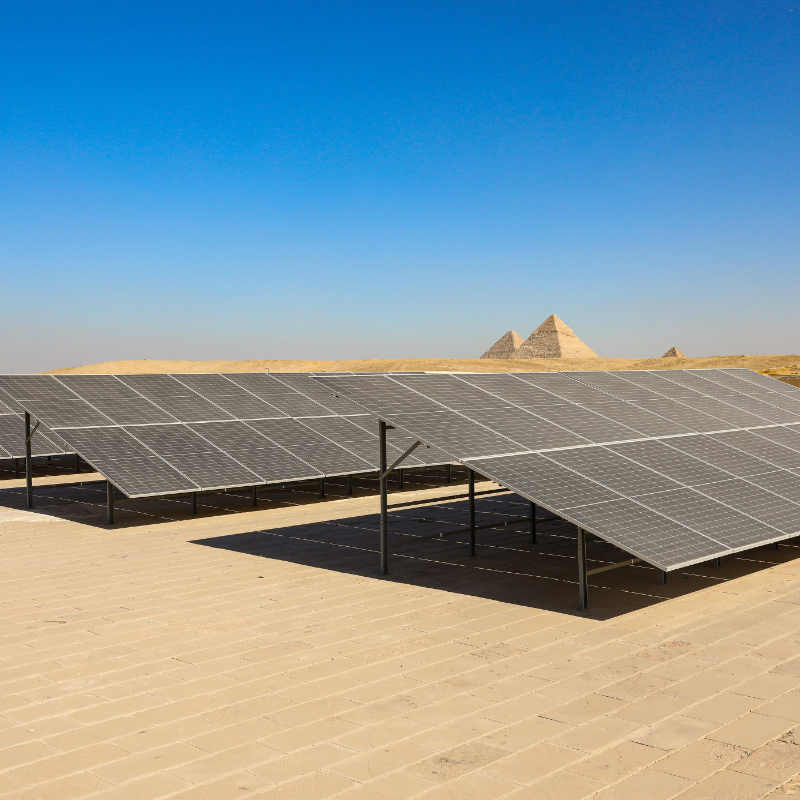
Challenges to investment Despite Egypt’s clear and comprehensive Sustainable Energy Strategy to 2035, launched in 2016, which emphasized the importance of renewable energy (RE) with clear targets, initial progress was limited due to barriers in project implementation and financing. The Strategy set the target for renewable sources to provide 20% of electricity generation by 2022, which is further complemented by the 42% target by 2030, as per the latest Nationally Determined Contribution announced in July 2023. In the years leading to these latest policy developments, the private sector was expected to play a pivotal role in achieving these targets, yet faced challenges including domestic financial constraints, high perceived risk for first movers, infrastructure limitations, and a need for enhanced institutional capacity for administering RE tenders. Approach On 20 February 2017, the Green Climate Fund (GCF) and the European Bank for Reconstruction and Development (EBRD) proposed the Egypt Renewable Energy Financing Framework, which was approved in April of that year. The GCF-EBRD framework aimed to overcome the investment barriers in RE through a two-component approach.Component 1 focused on enhancing RE integration, policies, and planning through a technical assistance program comprising three sub-components: (i) enhancing planning and RE integration, (ii) enhancing capacity for administering RE tenders, and (iii) promoting gender equality in accessing and benefitting from employment and economic benefits related to RE development.Component 2 aimed to increase investment in RE by combining financing from the EBRD and the GCF and mobilizing additional debt financing from international and development finance institutions, as well as private sector investment. The GCF-EBRD framework supported the development and construction of RE projects with a total value of USD 1 billion. The GCF and the EBRD provided up to USD 500 million in debt financing, with USD 150 million in loans from the GCF, co-financing up to 15% of the total project cost in each individual project. The EBRD provided financing representing up to 35% of project costs, with other international or development financial institutions or commercial lenders expected to provide the remaining debt. The private sector contributed 25% of project costs (USD 250 million) in the form of equity.  Key Enabling Conditions The EBRD's reputation and experience in financing large-scale energy generation projects, as the executing entity, played a crucial role in attracting private investments and positively influencing the risk perception of private investors. Moreover, the Feed-in Tariff (FiT) framework was crucial in attracting investors to the Egyptian market and building trust in the regulatory framework. Finally, the GCF-EBRD framework was comprehensive, covering both the financial aspects of the projects and providing technical assistance for integration and institutional support. Impact / Outcomes The GCF-EBRD framework helped clean energy projects in Egypt like the Benban solar megapark to tap international capital markets for both debt and equity funding, accelerating investment in the sector. In 2020 alone, RE projects implemented under the GCF-EBRD framework generated 1,178 GWh of electricity and avoided over 684 ktCO2 in GHG emissions that year.During its conception, the proponents of the GCF-EBRD framework expected the RE projects would generate 1,400 GWh of electricity annually and avoid GHG emissions of about 800 ktCO2 per year once all projects were operational. In particular, the completion of the Benban solar park and other capital-intensive wind projects in the Gulf of Suez increased Egypt's RE generation capacity to 5,878 MW, compared to 3,487 MW in 2015, reflecting an increase of 68.6%. Furthermore, technical assistance provided within the framework to the Egyptian Electricity Transmission Company (EETC) has strengthened its capacity for managing renewable energy competitive tenders. This support facilitated the adoption of reverse auctions, which have significantly driven down the costs of bids for producing renewable energy, complementing the earlier implementation of the feed-in tariffs program. These auctions have reduced the price of bids submitted by renewable energy providers to EETC from around 8.5 cents per kilowatt-hour to approximately 3 cents per kilowatt-hour. As a result, the framework led to the successful award of the 200MW Kom Ombo tender, Egypt's first solar competitive tender, achieving a record low tariff of 2.47 US cents/kWh.Additional SourcesGCF-EBRD (2020). FP039 GCF-EBRD Egypt Renewable Energy Financing Framework:Annual Performance Report 2020, https://www.ebrd.com/documents/donor-co-financing/egypt-renewables-public-apr-2020.pdf GCF-EBRD (2017). Funding Proposal: FP039: GCF-EBRD Egypt Renewable Energy Financing Framework, https://www.greenclimate.fund/sites/default/files/document/funding-proposal-fp039-ebrd-egypt.pdf GCF-EBRD (2017). Environmental and Social Management System (ESMS), https://www.ebrd.com/sites/Satellite?c=Content&cid=1395255104365&d=&pagename=EBRD%2FContent%2FDownloadDocument GCF-EBRD (2022). Revised Environmental and Social Management System (ESMS), https://www.ebrd.com/sites/Satellite?c=Content&cid=1395306969452&d=&pagename=EBRD%2FContent%2FDownloadDocumenthttps://www.greenclimate.fund/document/environmental-and-social-safeguards-ess-report-fp039-gcf-ebrd-egypt-renewable-energy https://www.greenclimate.fund/news/climate-finance-drives-down-renewable-price-in-egypt-by-half https://www.greenclimate.fund/project/fp039
Egypt
Access to International Capital Markets
DescriptionSukuk are Islamic financial certificates that represent an undivided share in the ownership of tangible assets, usufructs, services, or specific projects in accordance with Shari'ah principles. Unlike conventional bonds, sukuk must be backed by Shari'ah-compliant assets, excluding industries such as alcohol or gambling. They typically mimic the financial and operational characteristics of conventional bonds, such as periodic payments and the ability to trade. Key differences with bonds include the need for Shari'ah board approval and adherence to Islamic finance principles.Green Sukuk follow similar principles but are specifically used to finance environmentally friendly projects (e.g. renewable energy, clean transport, energy efficiency) in line with Shari'ah-compliant guidelines. BenefitsGreen Sukuk offer similar benefits as green bonds. They appeal to ESG-focused investors, signal a commitment to sustainability, potentially expanding the investor pool and lowering borrowing costs. Green Sukuk also offer advantages specific to Islamic finance. They promote macroeconomic and financial stability through profit and loss sharing and limit reliance on debt.  Case StudyMalaysia Green Sukuk marketThe World Bank partnered with the Malaysian government to develop a green sukuk market, recognizing Malaysia's potential as the largest Shari'ah-compliant debt market globally. The World Bank's involvement included forming a Technical Working Group with Malaysia's Central Bank and Securities Commission, promoting green sukuk by sharing international experiences and providing guidance on eligible projects, third-party reviews, and cost-reduction incentives for issuers.The first green sukuk was issued by Tadau Energy Sdn Bhd in 2017, a renewable energy developer, raising MYR 250 million (USD 59 million) for a solar photovoltaic power plant in Sabah. This pioneering issuance under Malaysia's SRI sukuk framework received the highest environmental rating from the Center for International Climate and Environmental Research Oslo (CICERO).Following this success, Quantum Solar, a solar project, issued a larger MYR 1 billion green sukuk. Several other projects were in the pipeline at the time of writing. The World Bank continued to support issuers, helping to deepen the green sukuk market and replicating this model in other countries seeking to finance green initiatives through Islamic finance. This development marked a significant step in combining Islamic finance with global sustainable development goals with important learnings for other countries to take inspiration from.Additional SourcesICMA, IsDB, LSEG, Giudance on Green, Social & Sustainability Sukuk, 2024, https://www.icmagroup.org/assets/documents/Sustainable-finance/ICMA-IsDB-LSEG-Guidance-on-Green-Social-and-Sustainability-Sukuk-April-2024.pdfWorld Bank, Green Sukuk, Energy Poverty, and Climate Change, 2018, https://documents1.worldbank.org/curated/en/595861545145005026/pdf/WPS8680.pdfhttps://thedocs.worldbank.org/en/doc/21c2fb7dfb189f10a0503004757b03f4-0340012022/original/Case-Study-Malaysia-Green-Sukuk-Market-Development.pdf
Malaysia
Green Sukuk
Challenges to InvestmentIn the Eleventh Malaysia Plan 2016-2020, the Malaysian government set a goal to increase renewables’ share of the energy mix by increasing solar PV capacity, which amounted to less than 1% of total electricity generation in 2015. Hence, there was a need to conceptualize new long-run policy schemes and to incentivize investments in renewable energy technologies, but Malaysia had been unsuccessful thus far in promoting solar deployment. Additionally, Malaysia lacked measures to promote efficient energy consumption, which could potentially catalyse additional investment by lowering costs.  ApproachTo promote energy efficiency and replace the previous cost-intensive Feed-in Tariff (FiT) mechanism, the government implemented a new instrument termed net energy metering (NEM) in 2016. As part of the Eleventh Malaysia Plan 2016-2020, NEM was executed by Ministry of Energy, Green Technology and Water (KeTTHA) and regulated by the Energy Commission (Suruhanjaya Tenaga). The objective of NEM was to encourage renewable energy generation by allowing consumers to install renewable energy systems and export excess electricity to the grid while receiving credits in return. In the original scheme (NEM 1.0), a system could sell an allotted amount of excess energy based on the system’s size (e.g., 12-72 kWp for residential, 1MWp for commercial). The excess would be credited in the next billing period at the displaced cost rate per kWh (i.e., savings on avoided costs). The second scheme (NEM 2.0), introduced in 2019, allowed excess energy exports on a “one-on-one kW-basis”, credited at the retail rate per kWh (i.e., the domestic tariff they would have been paid to generate that electricity).  Key Enabling ConditionsOne crucial factor driving uptake under NEM 2.0 was the government’s decision to change the original NEM policy, where generators sold excess energy at displaced cost rates, to a “one-on-one” policy based on retail rates under NEM 2.0. This change improved cost savings for generators and catalysed solar energy investments for large and medium consumers. The NEM schemes did not cover capital and maintenance costs for solar, and high cost continues to create a barrier to investment. In general, however, the NEM scheme was an appealing and easy-to-understand concept that resonates with private households, as well as commercial and industrial customers. More recently, in 2023, the National Energy Transition Roadmap (NETR) further increased the ambition of Malaysia in regards to gradually increasing RE shares to, respectively, 31% by 2025, 40% by 2035, and an impressive 70% by 2050. This has acted as yet an additional positive signal and confidence booster for investors in the clean energy space. Impact / OutcomesThe original NEM scheme had set a target of achieving 500 MW solar capacity by the end of 2020. However, as of the end of 2018, only 27.8 MW of NEM-designated solar capacity had been approved and actual operational capacity only reached 9.0 MW. With a balance of 472.2 MW to be realized before the end of 2020, the government introduced NEM 2.0 to overcome the unattractive rates of return offered under NEM 1.0. NEM 2.0’s quota of 500 MW was fully subscribed by the end of 2020, motivating the government to introduce the latest NEM 3.0 scheme in December 2020. NEM 3.0 has been in effect since 2021. At the time of this case study publication, its 400 MW quota was to be offered until December 31, 2024, or until all quotas were allocated.Additional SourcesChachuli, F. S. M., Ludin, N. A., Jedi, M. A. M., & Hamid, N. H. (2021). Transition of renewable energy policies in Malaysia: Benchmarking with data envelopment analysis. Renewable and Sustainable Energy Reviews, 150, 111456.Economic Planning Unit / Prime Minister’s Department (2015), Eleventh Malaysia Plan 2016-2020, https://policy.asiapacificenergy.org/sites/default/files/11th%20Malaysia%20plan.pdf Razali, A. H., Abdullah, M. P., Hassan, M. Y., & Hussin, F. (2019). Comparison of new and previous net energy metering (NEM) scheme in Malaysia. ELEKTRIKA-Journal of Electrical Engineering, 18(1), 36-42, https://elektrika.utm.my/index.php/ELEKTRIKA_Journal/article/download/141/67 https://getsolar.ai/blog/net-energy-metering-malaysia/ https://www.iea.org/data-and-statistics/data-tools/energy-statistics-data-browser?country=MALAYSIA&fuel=Energy%20supply&indicator=ElecGenByFuel https://policy.asiapacificenergy.org/node/2508 https://www.reccessary.com/en/news/my-announcement/malaysia-government-fuels-solar-panel-installations-nem-program https://www.seda.gov.my/reportal/nem/ https://theedgemalaysia.com/node/692480 https://theedgemalaysia.com/node/698680
Malaysia
Net Metering Regulations
Challenges to investment Botswana has significant, unexploited renewable energy potential, especially for solar, wind, and bioenergy. The Electricity Supply Act, amended in 2007, allowed private companies to participate in power generation and sign power purchase agreements (PPAs) with the state-owned utility company, Botswana Power Corporation (BPC). However, the BPC maintained an effective monopoly over the transmission and distribution of electricity, meaning generators could not access the grid without a PPA. Moreover, independent power producers (IPP) projects faced challenges due to unfavorable pricing terms in PPAs, the high cost of commercially financed capital, and the lack of an effective regulatory framework. To address these challenges and create a favorable environment for private investment and renewable energy development, Botswana needed to establish an institution to regulate energy. Approach The Botswana Energy Regulatory Act of 2016 established the Botswana Energy Regulatory Authority (BERA), which commenced operations on 1 September 2017. BERA's responsibilities, as outlined in the Act, include setting and maintaining service standards, ensuring sustainable and secure energy supplies, protecting the environment, and adhering to international regulatory practices. BERA is tasked with providing an efficient regulatory framework for electricity, gas, coal, petroleum products, solar, and all forms of renewable energy. Its primary mandate is to economically regulate these sectors, allowing the private sector to actively participate in power generation asset formation and ensure the delivery of reliable, affordable, and high-quality services while also ensuring environmental protection. Key Enabling Conditions Since its inception, BERA has benefitted from a number of enabling conditions. First, BERA had firm legal backing under the 2016 Act, which granted credibility and ensured clarity in BERA’s roles and objectives. This credibility was bolstered by the government’s commitment to follow international regulatory best practices and supported by technical assistance and advice from the U.S. government-led public-private partnership Power Africa together with BPC and Botswana’s Department of Energy. Per their guidance, BERA also placed great importance on stakeholder consultation, mandating participation by regulated utility companies in public hearings and ad-hoc meetings. The input and responses gathered from these engagements were considered in the energy planning process, further enhancing transparency and credibility.Impact / OutcomesIn 2021, BERA saw substantial progress in its operationalization after it was allocated a guaranteed, sustainable, and independent budget, human capital, and sufficient political independence. In 2022, BERA approved five PPAs between BPC as the off-taker and five medium sized solar power plants, amounting up to 16 MW. In the same year, the actual contribution of renewable energy to total installed capacity reached 1.6%, short of the target 2.5% but a significant advancement from around 1% in 2017. Due in part to increased scale, Botswana’s energy efficiency –measured by energy supply per unit GDP – has steadily improved from 1,849 to 1,561 MJ per thousand 2015 US dollars from 2017 to 2021. More broadly, BERA has helped oversee an expansion in access to electricity, with an additional 6% of Botswana’s population gaining access over the same period. From an institutional perspective, BERA successfully established and continues to maintain a positive reputation.Additional SourcesBERA (2023). Annual Report 2022, https://www.bera.co.bw/downloads/BERA%20ANNUAL%20REPORT%2022_FINAL.pdf IRENA (2021a). Renewables Readiness Assessment Botswana, https://www.irena.org/-/media/Files/IRENA/Agency/Publication/2021/Aug/IRENA_RRA_Botswana_2021.pdf IRENA (2021b). Renewables Readiness Assessment Botswana: Executive Summary, https://www.irena.org/-/media/Files/IRENA/Agency/Publication/2021/Aug/IRENA_RRA_Botswana_Summary_2021.pdf?la=en&hash=995F4C64286301F6DAD99E2702785387746BEFB9 IRENA (2023). Energy Profile: Botswana, https://www.irena.org/-/media/Files/IRENA/Agency/Statistics/Statistical_Profiles/Africa/Botswana_Africa_RE_SP.pdf https://www.bera.co.bw/about-us.php https://www.energyglobal.com/special-reports/31082021/irena-releases-renewables-ready-assessment-of-botswana/ https://www.irena.org/News/pressreleases/2021/Aug/Indigenous-Resources-Key-to-Energy-Security-and-Universal-Access-in-Botswana https://www.trade.gov/country-commercial-guides/botswana-energy
Botswana
Creation of an Electricity Market Regulator
Challenges to investment Mexico’s energy reform (2013-2014) transformed the state-owned electricity company, the Federal Electricity Commission (Comision Federal de Electricidad, CFE) into a holding company with exclusive rights over transmission and distribution. However, the national energy grid came under the supervision of the independent National Energy Control Center (Centro Nacional de Control de Energía, CENACE), which guaranteed access to the transmission and distribution networks. The idea was to provide equal conditions for all market participants. However, underinvestment and outdated guiding frameworks and compliance standards threatened the grid stability, where the grid was fully utilized (saturated) and demand exceeded the grid’s capacity to carry power (congestion). As a result, overcharges, disruptions, and blackouts led to inefficiencies and an unreliable electric supply. Hence, Mexico needed to develop a new set of technical and operational regulations in order to ensure safety, reliability, and efficiency. Approach On 8 April 2016, the initial Grid Code (Código de Red, GC) became mandatory in Mexico, and had been updated several times since then. The GC is an official document outlining a series of rules and technical criteria set by the Energy Regulatory Commission (Comisión Reguladora de Energía, CRE). All users of the electricity system are required to comply with the GC, including generators, transmission and distribution agents, business consumers and all load centers connected at medium and high tension, regardless of their consumption level.The GC sets national standards in efficiency, quality, reliability, continuity, safety, and sustainability for the electric system. Specifically, mid- and high-tension users with a demand greater or equal to 1 MW have to maintain an average power factor of at least 0.95 during 95% of the time. Th GC also states that power factor might only drop below 0.95 for up to 36 hours during a month. Failure to comply with the GC could be sanctioned with (i) a penalty of 2-10% of the company’s previous year gross income revenue or (ii) a penalty of 50,000 to 200,000 times the daily minimum wage, depending on the degree of violation.Key Enabling Conditions The urgency of providing reliable electricity supply and avoiding economic costs forced the CRE to address grid stability by implementing new compliance rules. The updated grid code, in adherence to the mandate of the Energy Reform, demonstrated the commitment to keep up the requirements as technologies and new market conditions advanced. Impact / OutcomesOne key outcome of the GC has been the reliable standards for the National Electric System (Sistema Eléctrico Nacional, SEN)’s operational and planning activities. In addition, Mexico’s electric infrastructure improved in terms of measurement, control, and usage. The average total duration of outages (in hours) experienced by a customer in a year declined from 0.79 in 2014 to 0.58 in 2019. Along with other reforms (i.e., General Act on Climate Change [2012], Energy Reform [2013], Energy Transition Act [2020]), the GC supported the integration of renewable energy sources by establishing specific conditions for their connection and operation. Between 2017 and 2021, generation from renewable sources grew from 19% to 27%. Finally, the GC set equitable rules for all users and thereby encouraged competition as well as new market entries. Thus, consumers benefited from competitive prices and technological innovations.Additional SourcesChanona Robles, A. (2016), Tracking the progress of Mexico’s power sector reform, https://www.wilsoncenter.org/sites/default/files/media/documents/publication/tracking_progress_of_mexicos_power_sector_reform.pdfGeddes, A., et al. (2020), Rethinking Eskom: Lessons from electricity sector reform in India and Mexico, https://www.iisd.org/system/files/publications/rethinking-eskom.pdf IMCO (2022). The Energy Mexico needs: Infrastructure, Regulation, and Rule of Law for a Sector that Triggers the Country’s Competitiveness, https://imco.org.mx/en/wp-content/uploads/2024/04/The-energy-Mexico-needs-2022.pdf IRENA (2022). Grid Codes for Renewable Powered Systems, https://www.irena.org/-/media/Files/IRENA/Agency/Publication/2022/Apr/IRENA_Grid_Codes_Renewable_Systems_2022.pdf Linvill, C., Brutkoski, D. (2017), Designing Distributed Generation in Mexico, https://www.nrel.gov/docs/fy17osti/66026.pdf https://enerlogix-solutions.com/en/grid-code-compliance/ https://www.globalcompliancenews.com/2022/01/24/mexico-energy-regulatory-commission-issues-new-network-code130122/ https://grupoindustronic.com/en/how-important-is-the-grid-code/ https://mexicobusiness.news/energy/news/new-house-rules-grid-code-20 https://prosperitydata360.worldbank.org/en/indicator/WB+DB+55
Mexico
Grid Code for New Renewable Energy Technology

Playbook of Solutions

A World Economic Forum Initiative
About Policy Measures De-risking Tools Finance Mechanisms Case Studies Get Involved
© 2026 All rights reserved
Privacy Policy & Terms of Service