Description
Technical Assistance (TA) is non-commercial support that includes advisory services, capacity building programs and the creation of business opportunities aimed at mitigating transaction risks. It takes various forms (e.g. support to the project, the final project’s beneficiary, the ecosystem, or the market) and is used at different stages of the investment life cycle, such as pre-investment, post-investment and operational support.
Benefits
Technical assistance plays an important role in de-risking investments, particularly in developing or emerging markets, thereby attracting private capital to projects that might otherwise be considered too risky. By providing expertise and support, TA ensures that projects are thoroughly appraised and prepared, increasing their bankability and investment readiness. Post-investment, TA helps projects maintain high standards of operational efficiency and sustainability by incorporating best practices. TA also fosters a more conducive investment climate by encouraging knowledge sharing among stakeholders and helping to build long-term capacity in developing markets.
Case Study
AfDB financing mini-grid technical assistance in Africa and solar technical assistance in the Sahel region
In 2020, the African Development Bank (AfDB) approved a USD 7 million technical assistance grant from the Sustainable Energy Fund for Africa (SEFA) to support the Africa Mini-Grid Market Acceleration Program (AMAP). Implemented by a small dedicated team within SEFA, AMAP promotes improved business environments to support the growth of mini-grids across the continent by providing targeted technical assistance interventions to both public and private sector beneficiaries. AMAP has developed a customised set of tools and resources to strengthen the entire ecosystem, including public sector capacity building (policies, regulations, planning, community identification, feasibility studies, financial structuring and contracting, among others), improving access to finance through the development of innovative financial instruments (smart subsidies, concessional debt, and guarantees to cover the main risks) and support and capacity-building services for the private sector. AMAP, therefore, aims to promote mini-grid solutions at the national and continental levels in order to attract large-scale private investment.
AMAP has supported 10 countries in developing the necessary infrastructure and capacity to catalyze green mini-grids markets. Through a range of tactical interventions, AMAP ensures more countries in Africa are able and willing to support green mini-grid solutions, that private sector investment is forthcoming and that the prospect of achieving SDG #7 are significantly enhanced.
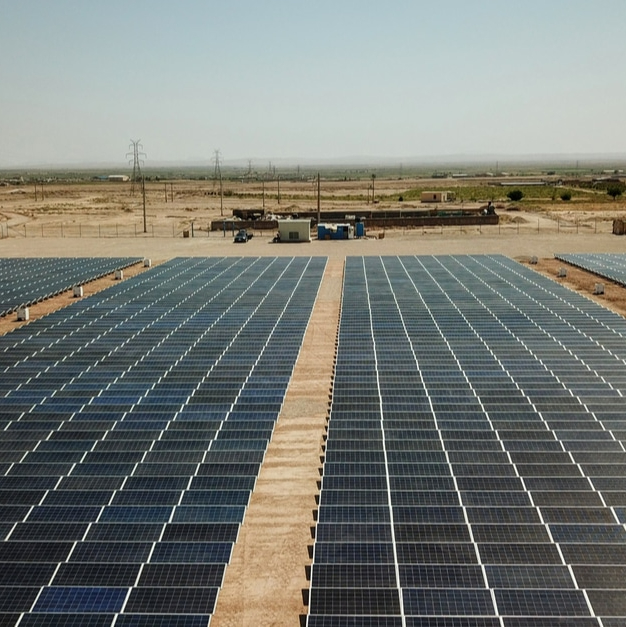
In 2023, the AfDB approved another technical assistance project for USD 6.3 million: the Desert to Power Regional Technical Assistance Project for the Sahel. The project aimed to create an enabling environment for solar power projects and encourage private sector investment in both the on-grid and mini-grid sectors, particularly in the Sahel countries (i.e. Burkina Faso, Chad, Djibouti, Eritrea, Ethiopia, Mali, Mauritania, Niger, Nigeria and Senegal).
The technical assistance had five key components: preparing studies and technical assistance for solar projects, catalyzing private sector investment in the region, implementing a capacity building program, developing a mini-grid strategy, and managing project operations. The overall objective was to improve the regulatory and operational environment for renewable energy, support project preparation and implementation, and encourage private sector participation.
Additional Sources
- https://www.proparco.fr/en/article/technical-assistance-outlook-strategic-tool-development-finance
- https://www.convergence.finance/news/7cgtqRftJDM5JMaabC4J3d/view
- https://www.afdb.org/en/technical-assistance-solutions
- https://www.adb.org/business/how-to/technical-assistance
- https://www.afdb.org/fr/news-and-events/press-releases/african-development-bank-approves-7-million-sefa-technical-assistance-transform-mini-grid-investment-africa-40022
- https://mapafrica.afdb.org/en/projects/46002-P-Z1-FF0-034
- https://www.afdb.org/fr/documents/gpn-multinational-desert-power-regional-technical-assistance-project-sahel-ecreee