A carbon reduction bonus refers to a financial incentive to reward the reduction of carbon emissions; for example, by accelerating the retirement of a coal-fired power plant. The incentive can be provided via a discount on the interest rate of a loan, or through a credit that can be sold on a carbon market.
Case study
ENGIE Energia Chile loan
IDB Invest structured a $125 financial package to Engie Energía Chile with the aim of accelerating the decarbonization of the country´s electricity matrix. The innovation in the deal comes from the structuring of a pilot financial instrument by monetizing the displacement of greenhouse gas emissions when closing thermoelectric coal plants early and replacing them with clean technology projects.
Key elements
Size of issue: $125 million package including $74 million senior loan from IDB Invest, a $15 million concessional loan from CIF's Clean Technology Fund (CTF), and $36 million from funds managed by IDB Group.
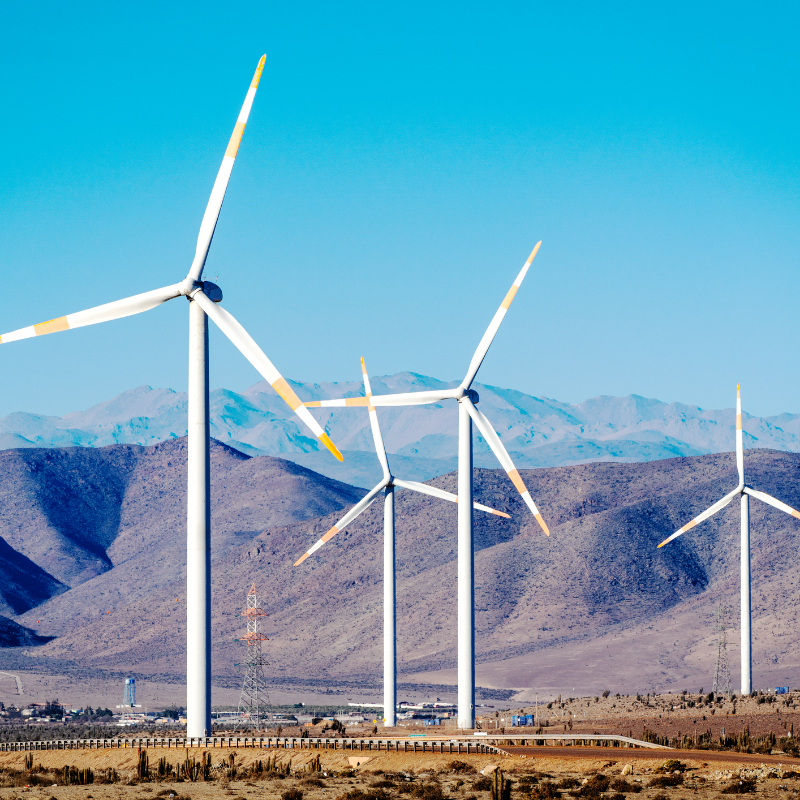
Use of proceeds: To build, operate and maintain a 162MW wind farm in Calama, Chile, which will create additional renewable capacity to enable the two ENGIE coal power units in Tocopilla (~135MW each) to be retired 2 years earlier than planned.
The structure places a monetary value on the emissions eliminated via early retirement of the coal-fired units. This value is monetized through a reduction in the interest rate on the $15 million CTF loan:
- To value the reduction in emissions (in the absence of a carbon market), a synthetic CO2e sale-purchase mechanism is embedded in the design of the CTF loan. The methodology is consistent with the Clean Development Mechanisms (CDM) standards that may eventually be used by future carbon market operators to measure, verify and report the emissions reduced by this type of intervention.
- In the event that a regulated carbon market is created during the term of the loan, the CTF and ENGIE would share any increase in the value of the eliminated carbon above this minimum value.
Benefits of this structure
• Blended finance structure reduces the financing cost.
• Combines financing for renewables with the monetization of emissions reductions. This effectively creates a “carbon reduction bonus” which further reduces the cost of financing.
• Creates potential for financial upside in the event that a carbon market is established during the tenor of the loan and results in a higher value for the emissions reduction.
Enabling conditions
• Supportive government policies – prior to this transaction, the Government of Chile created a binding decommissioning schedule of coal-fired power plants and started a public-private dialogue with coal-fired plants owners to co-develop a coal phase-out schedule based on voluntary commitments by 2040.
• Ability to measure carbon emissions accurately and reliably.
• Note that a carbon market is not required to create a monetary value for the emissions reduction in this structure. However, if such a market is developed at a later date, market forces may drive an increase in this value (creating financial upside for the issuer).