Description
Convertible instruments are hybrid products that offer the flexibility to convert into equity. There are several types of convertible instruments, including debt instruments (e.g. loans, bonds) and equity grants. The terms and conditions of the convertibility of these instruments are fixed in advance. They may be linked to an unforeseen event (e.g. an operational problem) or a planned event (e.g. a specific date), and the amount of equity to which they give entitlement is fixed in advance.
Benefits
Convertible instruments provide financial flexibility. They reduce the investment risk compared to a pure equity investment, thus reducing the cost of financing (e.g. protecting investors from early-stage project risks, allowing equity conversion when the project reaches certain milestones). They can make projects more attractive to a wider range of investors by offering both security and growth potential. These instruments and their convertibility criteria can be tailored to the specific needs of a project, providing a bespoke financial solution that matches the project's risk profile and financial structure.
Case Study
Green Climate Fund convertible bonds
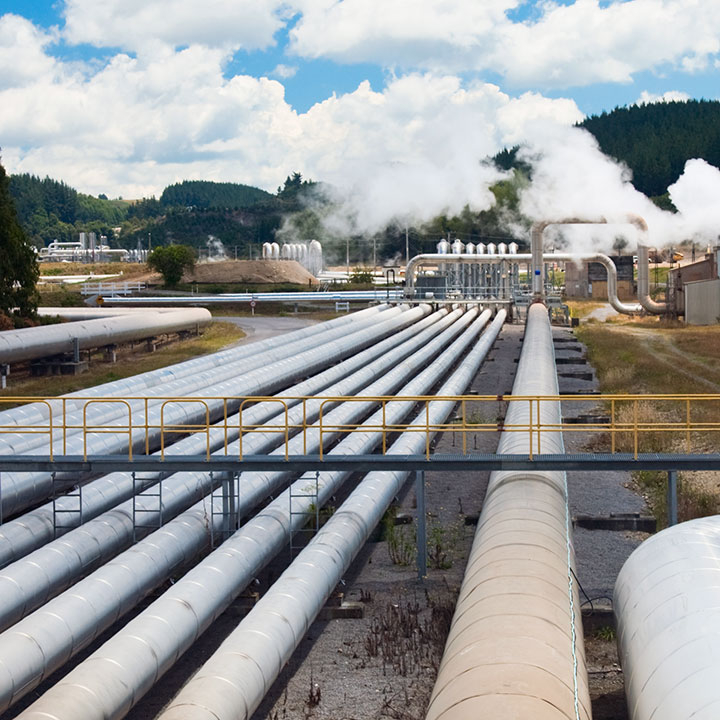
Indonesia's geothermal potential is estimated at 29GW, or about 40% of the world's known reserves. However, the main barrier to geothermal development has been the lack of appropriate financing instruments to address the high risks associated with early-stage geothermal resource confirmation.
In 2019, the Green Climate Fund (CGF) committed to a USD 410 million multi-year support facility, with contributions from the World Bank, the Indonesian government, and private sector developers, to finance geothermal development in Indonesia. The goal was to achieve 600-900MW of geothermal capacity.
The GCF contribution was specifically designed to reduce the exploration risk faced by geothermal developers. In addition to concessional loans, repayable grants and subsidies, the package included convertible bonds. These bonds allowed private sector geothermal developers to mitigate exploration risks while providing an upside in the event of success.
The non-recourse features of the convertible bonds linked the value of the bond to the success of the developer, offering a premium if the project was successful. It aimed to address the significant barrier of early-stage exploration risk in geothermal development, which had historically prevented the full utilization of global geothermal capacity.
Additional Sources
- IRENA, Mobilising institutional capital for renewable energy, 2020, https://www.irena.org/-/media/Files/IRENA/Agency/Publication/2020/Nov/IRENA_Mobilising_Institutional_Capital_2020.pdf
- IRENA, Global Landscape of Renewable Energy Finance 2020, https://www.irena.org/-/media/Files/IRENA/Agency/Publication/2020/Nov/IRENA_CPI_Global_finance_2020.pdf
- Credit Suisse, The case for convertible bonds, 2021
- https://www.greenclimate.fund/news/gcf-supports-indonesia-s-energy-transition-with-de-risking-geothermal-development