Description
Green bonds are bond instruments utilized to finance or re-finance environmentally friendly projects. If the projects also have a social focus, the bonds are designated as "sustainability bonds." Proceeds from green bonds must be allocated to finance or refinance green projects (e.g., renewable energy, clean transportation, energy efficiency) that have clearly communicated environmental goals, a selection process for eligible projects, and a detailed plan for managing associated risks. Green bond issuers must provide annual updates on the fund allocation, including project descriptions, amounts allocated, and expected impacts. This transparency allows investors to understand the environmental benefits and financial viability of the projects funded by green bonds. There are four commonly recognized types of green bonds, green use of proceeds bonds, revenue bonds, green project bonds, and green securitized bonds.
Benefits
Green bonds are critical, yet under-utilized financing mechanisms for clean energy projects in emerging markets. By providing substantial capital, attracting diverse investors, lowering the cost of capital, and promoting sustainable development, they can play a vital role in advancing the clean energy transition and supporting economic growth in these regions.
In recent years, green bonds have been growing in popularity as investors pursue socially responsible investing. These bonds may offer tax incentives and appeal to ESG-focused investors, potentially expanding the investor pool and lowering borrowing costs. Although they don't inherently offer better risk or return than conventional bonds, green bonds signal a commitment to sustainability, attracting diverse funding sources. In spite of the challenges commonly associated to assessing their impact or the exact use of funds, green bonds support environmental goals and aim to offer a transparent, diversified investment option that aligns finance with policy objectives. The evolution of the green bonds market promises increased standardization and investor comfort over time.
Case Study
Vietnam’s inaugural internationally verified green bond
In 2022, Vietnam's first internationally verified green bond, arranged by Vietcombank Securities (VCBS), issued by EVNFinance, and partially guaranteed by GuarantCo, marked a pivotal development in the country's green finance landscape.
The VND 1,725 billion (USD 75 million) bond, with a partial credit guarantee of VND 1,150 billion (USD 50 million), aimed to fund green infrastructure projects, particularly in the solar energy sector. This issuance was notable for being Vietnam's inaugural onshore, local currency green bond verified internationally, and the first corporate bond with partial guarantees attracting institutional investors like Manulife and AIA.
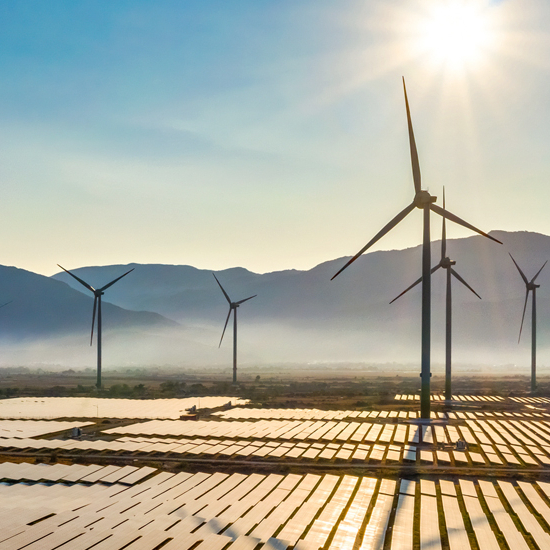
The proceeds would finance long-term loans for projects under EVNFinance’s Green Bond Framework, focusing on rooftop and ground-mounted solar installations. These projects were expected to reduce the national grid's reliance on fossil fuels and promote cleaner, cheaper energy alternatives for commercial and industrial users. The Global Green Growth Institute provided technical assistance, ensuring the bond met international green standards.
This issuance supported Vietnam's transition to a low-carbon economy and enhanced investor confidence in the potential of local currency green bonds. It set a precedent for future green financing initiatives, highlighting Vietnam's commitment to sustainable development and the broader goal of achieving net-zero carbon emissions.
Additional Sources
- The Green Bond Principles & ICMA, Green Bond Principles, 2021, https://www.ifc.org/content/dam/ifc/doclink/2022/the-green-bond-principles-202206.pdf
- Gaea, World Economic Forum, Labelled Bonds for the Net-Zero Transition in South-East Asia, 2024, https://www3.weforum.org/docs/WEF_Labelled_Bonds_for_the_Net_Zero_Transition_in_South_East_Asia_2024.pdf
- https://www.worldbank.org/en/news/opinion/2018/10/10/the-pros-and-cons-of-green-bonds
- https://corporatefinanceinstitute.com/resources/esg/green-bond/
- https://guarantco.com/news/guarantco-provides-evnfinance-a-vnd-1150-billion-c-usd-50-million-partial-credit-guarantee-to-support-the-issuance-of-vietnams-inaugural-internationally-verified-green-bond/
- https://www.irena.org/publications/2020/Jan/RE-finance-Green-bonds