First large-scale 100% renewable fuels plant on the Iberian peninsula
Description
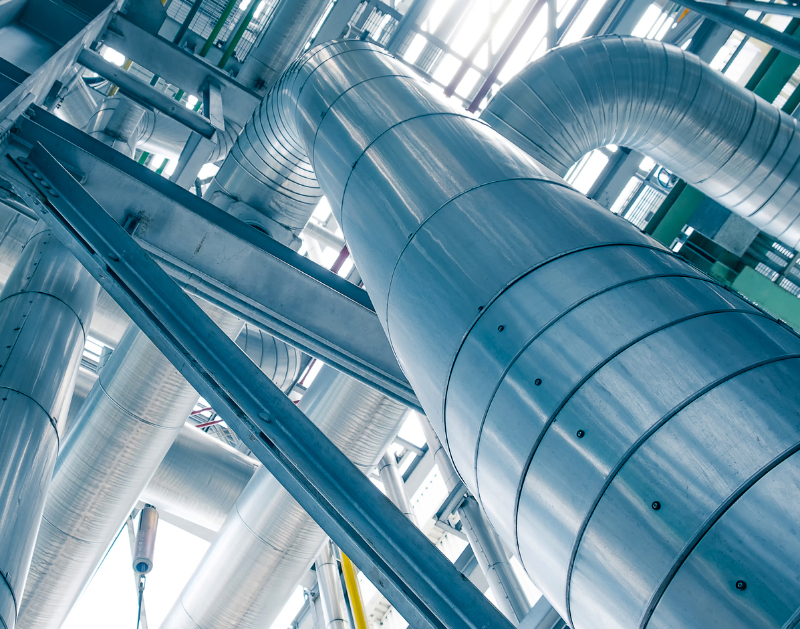
Early 2024 Repsol started the operation of C43 project located in Repsol’s industrial complex in Cartagena, Spain. C43 is the first facility in Spain to produce HVO and SAF with a 100% lipid waste. The project took FID in 2020 to satisfy the demand expected from customers in road transport. Even though the ReFuel Aviation (Regulation (EU) 2023/2405) was not published yet, the plant design considered flexibility to SAF production. This means that in 2024, one year before regulation started, Repsol was prepared to supply the market. Without road transport demand the project would have been executed approximately four years later.
The C43 project uses organic waste products and residues to produce waste-based biofuels, eventually supplying 250,000 tons of renewable diesel, bio propane, bio naphtha, and bio jet (SAF) per year for use in planes, trucks, ships, and passenger vehicles. The resulting biofuels are suitable for use in standard internal combustion engines without the need for modifications, saving 900,000 tons of CO2 emissions per year. This first-of-its-kind facility in Iberia has been made possible through an investment of USD 230 million, the use of cutting-edge technology, and the most efficient solutions available.
Lessons Learned
This project is a great example to explain how biofuels technology development and scaling up in road transport has allowed current production of biofuels for aviation and maritime.
Repsol began co-processing raw materials of renewable origin in its industrial complexes in 2011. They have faced challenges in metallurgy and reliability, catalyst and logistics, but have succeeded combing their operational experience in refining & chemical processes, R&D capabilities and the use of existing assets. With the knowledge and experience gained, they have been able to transition from conventional raw materials to feedstocks derived from more difficult-to-process waste.
Key Metrics
- 250,000t/y Production capacity of HVO and SAF
- Reduction of 900,000 tonnes of CO2 per year
- Investment of 230M$
- Supply of 300,000 tonnes of organic waste
- +1,000 direct and indirect professionals in its start-up
Additional sources
https://www.repsol.com/en/about-us/our-operations/industrial/renewable-fuels/index.cshtml