
Our Playbook of Solutions

The Playbook of Solutions references concrete and replicable examples of policy measures, public-private collaboration and business measures that help clean fuel projects to reach final investment decision. Explore case studies to learn more.

Policy Measures

Policies help unlock investment by rewarding system value and ensuring predictable regulatory conditions.

They reduce risk by addressing key barriers to clean fuel projects and by setting clear performance-based rules that support market formation.

Public-Private Collaboration

Public-private mechanisms help coordinate market-making by pooling risks, linking producers and customers, and building shared infrastructure.

They are especially important where markets are small or fragmented.

Business Measures

Businesses drive progress by adopting new business models, technologies and approaches to project development.

They strengthen the commercial viability of clean fuel projects, through partnerships and new contracting and financing models.
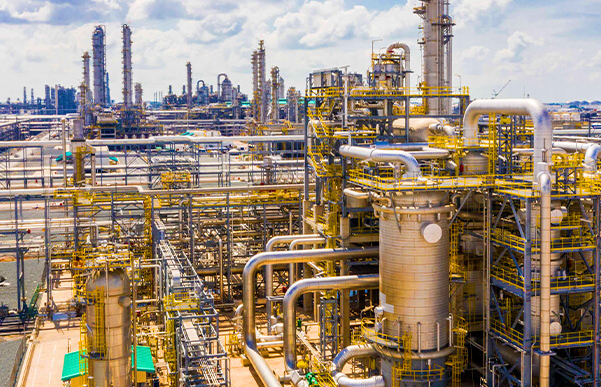
ContextPETRONAS is establishing its first bio-refinery in Pengerang, a key milestone in advancing low-carbon fuel solutions within the Refining, Marketing, and Trading division. The project will produce Sustainable Aviation Fuel (SAF) and Hydrogenated Vegetable Oil (HVO) to support Malaysia’s energy transition and emissions reduction goals. It is listed as a catalytic project under the National Energy Transition Roadmap. ObjectiveRecognizing the global energy transition required diversification beyond traditional oil and gas and raising demand for sustainable fuels, PETRONAS aims to establish a regional hub for low-carbon fuels that meets domestic demand and captures export market potential.DescriptionPETRONAS engaged strategic partners with proven expertise biofuel production, strong technology leadership, and established market access. In this regard, Enilive and Euglena emerged as ideal partners to form a joint venture (JV) company Pengerang Biorefinery Sdn. Bhd. Enilive has demonstrated success in SAF and HVO production using Ecofining technology, extensive feedstock supply networks, and strong European market presence. While Euglena complements this by bringing algae-based biofuel R&D capabilities and opening access to the Japanese offtake market. The JV is intended to own and operate a biorefinery with a capacity of 650 kilotonnes per annum (KTPA), to be located within the Pengerang Integrated Complex. The biorefinery is currently under construction and is designed to adapt to diverse feedstock options and evolving market dynamics.Used Cooking Oil (UCO) will be used as one of the main feedstocks, which requires robust supply chain strategies given its rising global demand and tightening availability. The project is progressing as planned and remains on track for its targeted start-up in the second half of 2028. Additionally, the JV will work with Pengerang Terminal (PT2SB) which is owned by Royal Vopak, Dialog, PETRONAS and state of Johor, to expand dedicated biofuel storage infrastructure by 272,000 cubic meters [i].PETRONAS selected Johor’s Pengerang Integrated Petroleum Complex for its biofuel’s development, leveraging state incentives, integrated infrastructure and proximity to petrochemical value chains, enabling operational efficiency and supporting the Group’s wider low-carbon transition ambitions. Also, they are collaborating with key ministries and ASEAN partners to harmonize SAF policies, secure feedstock supply, align blending mandates, and position Malaysia as a regional low-carbon fuel leader.“As Southeast Asia accelerates its shift towards cleaner energy, biofuels remain essential for strengthening energy security and reducing emissions. With the right policies, collaboration and continued innovation, the region can scale sustainable fuels that support global diversification into cleaner energy. Our biorefinery in Pengerang, which is currently being developed in partnership with ENI and Euglena, highlights how international partnerships and integrated clusters can expand regional supply of sustainable, low-carbon fuel”.Datuk Sazali Hamzah, Executive Vice-President and Chief Executive Officer, Downstream, PETRONAS [i] Reuters. (2025). Vopak expands biofuels storage at Malaysia terminal joint venture. https://www.worldenergynews.com/news/vopak-expands-biofuels-storage-malaysia-terminal-joint-763970
Malaysia | Energy, Mobility
PETRONAS' Pengerang Biorefinery: Driving Malaysia's Low-Carbon Fuel Future

PETRONAS (Petroliam Nasional Berhad)
DescriptionProjet Mauricie is a large-scale renewable hydrogen project located in Shawinigan and the wider Mauricie region, Canada. This projet will use a combination of baseload hydroelectricity, and 1 GW of wind and solar power, behind the fence, self-production, to feed a ~ electrolyzer.. The facility is designed to produce up to 70,000+ tonnes of green hydrogen annually by 2030. A third of the hydrogen will serve to decarbonize heavy mobility applications, while the remaining part will be converted into synthetic natural gas for injection into the provincial gas grid. The project will abate emissions by around 800,000 tonnes of CO₂ equivalent per year, a first of its kind at such scale in the province.Objective & ResultsDeliver green hydrogen to Québec’s industries/sectors that are hard to electrify (heavy transport and industry) exclusively within the province Enable production of renewable gas (e-NG / renewable methane) from part of hydrogen output to help decarbonize industrial gas uses  Leverage Québec’s renewable electricity baseload complemented with greenfield behind-the-mater renewable assests.  Stimulate regional economic growth, job creation, value retention within Québec Lessons LearnedA diverse renewable energy mix, hydro from the grid, and wind and solar behind-the-fence, ensures a stable and competitive power supply. Regulated policy targets, such as Québec’s 10 % renewable gas distribution objective by 2030, provide demand visibility and support financing. Local offtakers in industry and transport reduce dependence on export markets. Land use, permitting and community consultation are critical to project acceptance. Environmental attribute monetization is necessary to narrow the gap with fossil fuels. Key Metrics Green hydrogen capacity: 60,000+ tonnes per year  CO₂ emissions avoided: ~800,000 tonnes annually  Renewable energy buildout: 1 GW (behind the meter) wind and solar farm to complement 150MW baseload from the grid  Split of output: ~ one-third to decarbonize long-haul transport; remainder to e-NG / gas applications  Jobs (direct): >1,700 during construction; ~200 permanent post-COD Additional SourcesTES Canada CEO Assures that the Green Hydrogen Megaproject in Mauricie Will Serve to Decarbonize Québec RNG policy target – Government of Québec Canada lines up $4bn green hydrogen project in cleantech push 
Canada | Energy & utilities, Mobility
Projet Mauricie: Green Hydrogen & e-NG for Québec market
Tree Energy Solutions (TES)
DescriptionIn October 2025, China’s National Development and Reform Commission (NDRC) issued new administrative measures for managing central-budget investments targeting energy savings and carbon reduction. The regulation establishes a comprehensive funding framework supporting projects across six categories, from industrial efficiency upgrades to carbon-negative technologies. Category 4 of the framework “low-carbon, zero-carbon, and negative-carbon demonstration projects” explicitly lists green methanol, Sustainable Aviation Fuel (SAF), zero-emission transport corridors, and CCUS. These projects can receive up to 20% of total approved investment from central funds. This represents a milestone in national-level support for clean fuel development, expanding beyond local financing mechanisms to a unified, strategic model combining subsidies, capital injections, and direct investment. The regulation aligns with China’s broader energy transition agenda and its “dual carbon” goals to peak carbon emissions before 2030 and achieve neutrality by 2060.Objective & ResultsThe NDRC’s “Administrative Measures for the Special Management of Investment in the Central Budget for Energy Saving and Carbon Reduction” aim to strengthen and standardize how central funds are used to drive energy and carbon reduction initiatives. The regulation marks the first time that SAF has been explicitly eligible for nationwide financial support, moving beyond localized pilot programs toward a coordinated, multi-mechanism national policy. The measure is expected to catalyze large-scale SAF development, bridge financing gaps, and accelerate China’s carbon neutrality goalsLessons Learned Importance of Central Investment: Even modest central contributions (20%) can significantly de-risk large-scale clean fuel ventures, encouraging private-sector co-investment. Early Clarity in Eligibility and Scope: Limiting support to new and under-construction projects ensures accountability and prevents retroactive subsidy misuse. Strategic Signaling for Emerging Technologies: By naming SAF and green methanol explicitly, the policy provides strong market signals and accelerates industrial learning curves. 
People's Republic of China | Government, Energy
China's national push for clean fuels investment
DescriptionFirst-loss guarantees are a financial mechanism where a public or philanthropic investor agrees to absorb the initial losses in a portfolio of investments, protecting commercial lenders and institutional investors.Why it mattersClean fuel projects often face high perceived risks – from new technologies, uncertain policy environments, or unproven business models – which make investors hesitant to commit capital. This is particularly true for early-stage fuels such as green hydrogen or advanced biofuels, where uncertainty around costs and revenues is highest.By taking the first loss, guarantee providers de-risk investments for private participants, improving the risk-return profile and crowding in private capital that would otherwise stay on the sidelines. AdvantagesFirst-loss guarantees can play a catalytic role in mobilizing finance for clean fuels by absorbing early losses, giving senior investors confidence and enabling blended capital stacks. This allows larger pools of finance to flow into projects that would not be bankable on commercial terms alone. They are particularly powerful in funds or portfolios, where they diversify risk across multiple projects and technologies and ensure that early setbacks do not undermine investor returns.De-risking and mobilizing private capital by absorbing early losses and improving the risk–return profile Enabling portfolio diversification by supporting investment vehicles that spread risk across projects, technologies, and geographiesDriving scale and innovation by making blended finance structures viable and supporting demonstration of emerging clean fuel technologies ChallengesFirst-loss capital depends on scarce public or philanthropic funding and, if poorly structured, can encourage moral hazard or misallocate risk, leaving private investors overprotected and limiting market disciplineClimate Investor One – at a glance:Launched: 2015 (by Climate Fund Managers, a partnership between FMO (the Dutch development bank) and Sanlam InfraWorks)Scope: Renewable energy in emerging markets (wind, solar, hydro). Mechanism transferable to clean fuelsImpact: Mobilised >USD 850 million for projects in >15 countries; blended finance structure has enabled multiple large-scale renewable energy plants in markets otherwise underservedMechanism: Blended finance with first-loss capital – provide early-stage and subordinated capital to absorb higher risk, de-risking projects and crowding in private institutional investorsCase studyClimate Investor One (CIO) is a blended finance facility that accelerates clean infrastructure in emerging markets by applying a first-loss approach. Its Development Fund uses concessional capital to cover early-stage project costs, while its Construction Equity Fund provides subordinated capital to absorb higher risks. This structure reassures senior investors and enables blended capital stacks that would otherwise be unviable.Since launch, CIO has raised over USD 850 million and financed more than 20 renewable energy projects across Asia, Africa, and Latin America, many in countries with limited access to affordable capital. The model shows how first-loss capital can de-risk portfolios and crowd in institutional investment at scale.A prominent example is the Lake Turkana Wind Power Project in Kenya, one of Africa’s largest wind farms. CIO supplied equity and early-stage financing that helped attract commercial lenders to complete the 310 MW project, now delivering clean electricity to nearly one million homes. This demonstrates how first-loss blended finance can unlock large-scale renewable energy infrastructure in challenging markets.CIO’s approach could be extended beyond renewables. The same model – using concessional first-loss capital to mobilize commercial finance – could support green hydrogen, sustainable aviation fuel, and advanced biofuels, where high upfront costs and unproven business models still deter private investment.
Global | Financial services
First loss capital (Climate Investor One)
DescriptionLoan guarantees are a risk-sharing mechanism where a government or public institution pledges to cover part or all of a loan if the borrower defaults. By protecting lenders against losses, guarantees reduce credit risk and make it easier for borrowers to access debt finance.Why it mattersClean fuel projects often struggle to raise debt because they are capital-intensive, rely on emerging technologies, or face uncertain revenue streams. Commercial banks are often unwilling to lend at affordable terms without some form of risk protection, leaving many projects underfinanced.By backstopping lenders, loan guarantees reduce perceived risk, lower borrowing costs, and unlock private capital that would otherwise stay out of clean fuel markets.AdvantagesLoan guarantees make clean fuel projects more bankable by protecting lenders, which lowers borrowing costs and attracts private finance. They are particularly important for early-stage technologies, where they can bridge financing gaps until markets mature and projects can raise debt without public support.De-risking and mobilizing private finance by assuring lenders they will be repaid even if a borrower defaultsFacilitating cheaper debt by shifting risk away from lenders, making them more willing to provide loans at favourable termsSupporting first-of-a-kind projects by unlocking financing for technologies and business models without long track recordsAccelerating market maturity by building confidence and credit histories that reduce reliance on public guarantees over time ChallengesLoan guarantees expose governments to fiscal risk if projects default, and can distort markets if poorly structured. They also depend on sustained political support and consistent policies, which can be uncertain over timeDepartment of Energy Loan Programs Office – at a glance:Launched: 2005 (expanded under the Energy Policy Act; revitalised through the Inflation Reduction Act, 2022)Scope: Loan guarantees for innovative clean energy and clean fuel projects across the United StatesImpact: >USD 35 billion in loans and loan guarantees issued since inception; recent support includes a ~USD 1.67 billion loan guarantee to Montana Renewables for one of the largest SAF production facilities in North AmericaMechanism: Federal loan guarantees that cover repayment risk, enabling commercial lenders to finance capital-intensive or first-of-a-kind projects on better termsRecent challenges: Political shifts have affected program stability, with recent executive actions affecting some loan guarantees, showing importance of policy continuity for investor confidenceThe U.S. Department of Energy’s Loan Programs Office (LPO) provides federal loan guarantees to catalyse investment in clean energy and fuels that are commercially promising but too risky for private lenders. By covering repayment risk, it enables projects to secure affordable debt and mobilises finance into sectors where banks are hesitant to lend.One prominent example is the ~USD 1.67 billion loan guarantee to Montana Renewables, backing one of North America’s largest SAF plants. The facility will produce up to 600,000 tonnes of SAF annually from waste oils and fats, abating over 2 million tonnes of CO₂. The DOE loan guarantee de-risked the project, helping it to attract lenders, and reach FID, demonstrating the mechanism’s ability to unlock capital-intensive, first-of-a-kind fuel projects.However, the program has also faced setbacks following political shifts: recent executive orders delayed or cancelled several guarantees, and new commitments face stricter review. Projects like Montana Renewables continue to benefit, but the experience underscores that guarantees must be paired with policy stability to sustain confidence and momentum.
USA | Financial services, Government
Loan Guarantees (U.S. Department of Energy)

DescriptionDouble-sided auctions are a market mechanism where an intermediary runs separate auctions with clean fuel producers and buyers to bridge the contract horizon mismatch between them.Why it mattersClean fuel producers need long-term contracts and revenue certainty to finance capital-intensive projects, while buyers prefer short-term, flexible procurement and resist locking into high prices in markets where costs are expected to fall.To resolve this, the intermediary signs long-term purchase agreements with producers and resells the fuel through short-term auctions to buyers, with public funds covering the gap between producer and buyer prices.AdvantagesDouble-sided auctions create the conditions for clean fuels to scale by giving producers the revenue certainty they need to invest while keeping buyers engaged with short-term, flexible procurement. By introducing competition on both sides, the mechanism reveals real costs, signals demand, and ensures public subsidies are used more efficiently.Unlocking investment by guaranteeing producers long-term, bankable revenuesMaintaining buyer flexibility through short-term contracts that mirror familiar procurement practicesTransparent price discovery via competitive bidding that reveals both producer costs and buyer willingness to payEfficient subsidy use since resale revenues offset the public funding needed to bridge price gapAccelerating market formation by aligning incentives on both sides and helping early-stage clean fuels move toward scale ChallengesDesigning effective double-sided auctions requires sufficient public funding, robust governance, and clear eligibility rules. Without these, schemes risk low participation, high costs, or weak price discovery.H2Global – at a glance:Launched: 2021 (Germany, via the H2Global Foundation; Hintco GmbH as implementing entity)Scope: Green hydrogen and derivatives (ammonia, methanol, e-fuels) from international suppliers for European marketsFunding: €4.4 billion committed by the German Federal Ministry for Economic Affairs and Climate Action (BMWK) for initial auctionsImpact: ~€397 million allocated in the first hydrogen purchase auction (2024) to Fertiglobe for 19.5 Ktpa of renewable ammonia, with deliveries starting in 2027; first hydrogen sale auction expected in 2026, 12 months before deliveryMechanism: Long-term (10-year) purchase auctions with producers and short-term (1-year) resale auctions with buyers; public funds cover the price gapH2Global is a German government-backed initiative that uses a double-sided auction mechanism to bridge the contract horizon mismatch in green hydrogen and derivatives e.g., e-ammonia and e-methanol. Through this system, Hintco – the implementing entity – signs long-term (10-year) purchase contracts with producers while reselling the fuels through short-term (1-year) auctions, giving producers bankability and buyers flexibility. The auctions subsidize imports of green hydrogen and derivatives from the lowest-cost suppliers outside Europe, with resale into Germany to secure early supply and support global industry scale-up. In its second round, H2Global will also place volumes in the Netherlands, particularly through the Port of Rotterdam, Europe’s largest hydrogen and ammonia import hub.The pilot auction awarded about €397 million to Fertiglobe’s renewable ammonia project in Egypt at roughly €1,000 per tonne landed cost, demonstrating the model’s ability to unlock lower-cost supply. The first resale auction in 2026 will test its ability to connect this supply with higher-value demand, as well as the scalability of the mechanism and the level of subsidy required. Looking ahead, similar mechanisms could be adapted to early-stage advanced biofuels, such as alcohol-to-jet or gasification Fischer-Tropsch fuels, which face comparable challenges around supplier-buyer contract horizon mismatch.
Germany | Financial services
Double-sided auctions (H2Global)
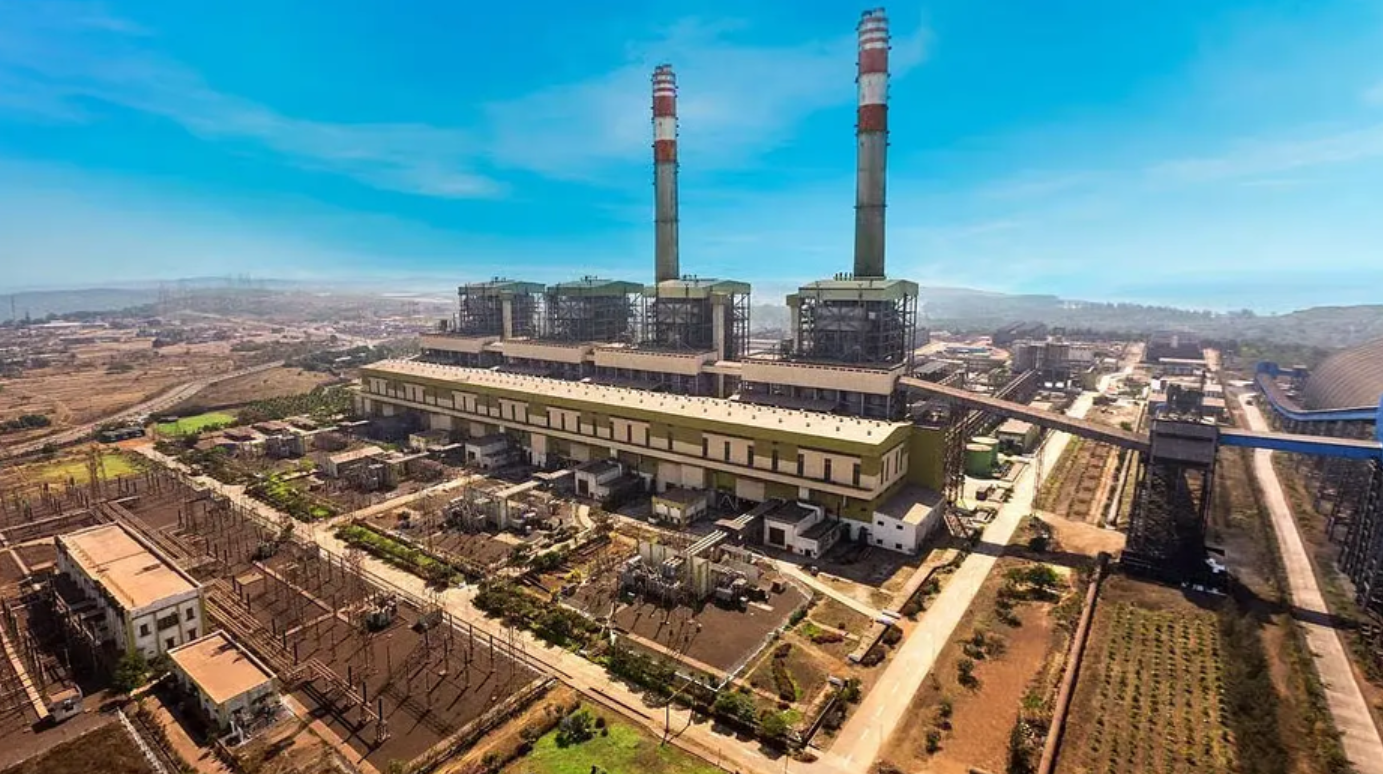
Case studyAs a crucial step in decarbonizing the Indian steel sector by enabling the usage of clean fuels in reducing the carbon foot print of the steel produced. JSW worked with the existing Direct Reduced Iron (DRI) technology partners to understand the utilization of clean fuels in current steel making process which resulted in conceptualization of this pilot project before going for a large-scale expansion. In this project, the green hydrogen is produced through Pressurized alkaline-based electrolyser powered by a hybrid renewable energy (RE) system comprising 225 MW of solar and 600 MW of wind power, along with a 27 MW RTC RE. The combined RE power feeds an electrolyser, which generates 5,000 Nm³/hr of hydrogen and 2,500 Nm³/hr of oxygen. The hydrogen, with 99.999% purity at 12.5 bar pressure, is supplied to the DRI (Direct Reduced Iron) plant via a 2.6 km hydrogen line for steel production, while the oxygen, with 99.95% purity at 12.5 bar, is distributed to JSW Steel through a 2km line to the common consumption header. The project will support steel production at the Vijayanagar plant, with a DRI capacity of 1.2 million tonnes per annum. Challenges1.    Intermittent nature of Renewable energy: The steel making process is a continuous process, with a fixed composition of raw materials and fuel feed stock at any given intervals of time, as opposed to Renewable energy from solar and wind which can fluctuate and may even be unpredictable at times especially wind power. Now coupling an intermittent source to a continuous demand posed the first challenge which requires huge investments in Solar, Wind and especially Storage systems whether its Battery or Hydrogen Storage in which case we’ll have to deal with land constrains as a compressed hydrogen needs acers of land with no structure in its vicinity. But JSW Steel was also looking for avenues in decarbonizing through direct electrification, hence needing massive installations of solar-225 MW and wind turbines- 600 MW to generate a Round the clock RE source of about 275 MW. Our green hydrogen project takes advantage of this by carving 27 MW of RE-RTC out of 275 MW. 2.    Technology selection and evaluation: Among the 4 production pathways to produce hydrogen, the team evaluated all the pathways and selected alkaline electrolyser, and even among the alkaline electrolysers the team had to evaluate many vendors, overseas, especially given the lack of indigenous large-scale electrolysers. And after rigorous due diligence, we finally arrived at technology providers, who has a proof of concept and capex enough for the consideration. 3.    Basic and detailed engineering: During the detailed engineering phase, we realised there was a lack of consolidation of all relevant codes and standards with respect to Building, Plant, Storage, Piping design including Pre-Commissioning and commissioning stages. The team has studied various codes and standards including OEM recommendation. JSW engaged reputative engineering firms at multiple stages of design using universally safety accepted norms covering safety studies as HAZID, HAZOP, QRA etc. 4.    Statutory clearance: There is lack of clarity with respect to statutory compliances (State/central specific) for a green hydrogen plant establishment thereby delaying the overall implementation schedule. JSW approached individual statutory authorities and understood the overall requirement to fast track the process such as PESO; DISH; State Pollution control board, State electricity board, District collector, local municipal corporation, fire and emergency department.  5.    Resources: Given it’s a nascent sector, there is a lack of skilled manpower and expertise for handling the explosive element hydrogen should it mix with the adjacent oxygen, given the plant also produces oxygen. To overcome this challenge, we identified the right people with relevant experience and trained them further for 6 months with the existing, running hydrogen units in JSW Steel.Key Products from project to DRI Steel process Green hydrogen-3800 Tonnes per annum (450 kg/hr (99.999% purity) By-product Green O2- 28,500 Tonnes per annum (3567 kg/hr (99.95% purity) Technology used- Pressurized Alkaline Water Electrolysis Source-Round the clock Renewable Energy – 27 MW, hybrid (Solar & Wind) End use – Green Steel-making – approx. 50,000 tonnes per annum Support- Govt incentive- SIGHT Scheme Status of the projectThe project is a part of the PLI Scheme (SIGHT Mode -1, tranche 1) with awarded capacity of 6500 MT green hydrogen generation Phase 1- 3800 TPA -Commissioned on 11th Nov 2025, under performance monitoring Phase 2 – Post successful trails and achieving the design intent in steel making process further expansion will be planned  Phase 1 (Commissioned Nov 2025) Investment size – approx. 20 million dollars Job creation – approx. 40 Direct Plant Foot print – 100 x 120 meter Volume of green hydrogen - 3,800 Tonnes – per annum Expected Volume of Green Steel production- Approx. 60,000 Tonnes per annum Expected Levelized cost of hydrogen- 4 – 4.5 $ per kg  Key StakeholdersGreen Hydrogen Producers – JSW Energy Ltd Off-Taker – JSW Steel Incentive provider – Ministry of New and Renewable Energy  Objective & ResultsThe goal of the pilot project is to produce close to 60,000 tonnes of green steel per annum by replacing 5% of the existing grey fuel thus reducing GHG Emission by 120,000 tonnes. And to experience running a hydrogen plant and realise its true efficiency in steel production as opposed to theory.    
India | Mining & Metals
Green Hydrogen Project for DRI Vijayanagar Steel Unit
JSW Group
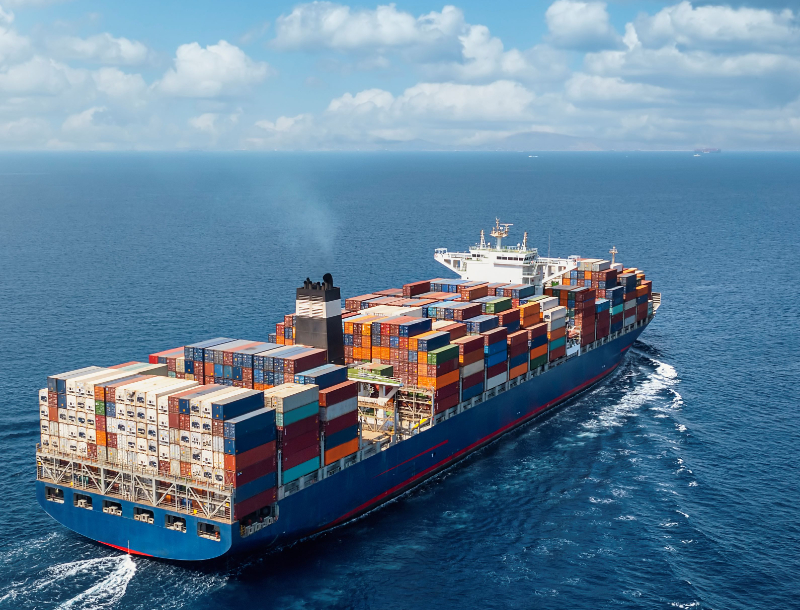
DescriptionGreen shipping corridors are specific trade routes where public and private stakeholders collaborate to catalyse low-emission shipping by coordinating fuel supply, infrastructure, delivery, and demand.Why it mattersIn the early stages of the industry, widespread fuel supply and infrastructure are lacking: shipowners are reluctant to order green vessels without assured fuel access, producers hesitate to scale capacity without guaranteed offtake, and ports will not invest in infrastructure e.g., bunkering without demand certainty. This “first-mover problem” leaves all parties exposed to high risk and stalls investment.By concentrating action on defined routes, green shipping corridors bring together ports, carriers, fuel suppliers, cargo owners, and regulators to reduce risk for early adopters and create replicable models for wider deployment. AdvantagesGreen shipping corridors accelerate the transition to clean shipping by concentrating resources on specific trade routes, which reduces costs, de-risks investment, and speeds up learning. By aggregating demand from cargo owners and charterers, they create the scale and certainty producers and shipowners need to commit capital. With government involvement, corridors also help align regulations, reduce policy uncertainty, and foster international cooperation, providing practical blueprints for scaling zero-carbon fuels and vessels globallyAggregating demand from cargo owners and charterers to create investable volumes of clean fuels and vesselsReducing first-mover risk for shipowners, producers, and ports by coordinating supply, infrastructure, and demandIncreasing efficiency and learning by focusing deployment on targeted routes to reduce costs, accelerate learning, and demonstrate feasibilityAligning regulation via enabling public-private collaboration that harmonizes standards, clarifies rules, and reduces policy uncertaintyProducing replicable and scalable models that can be expanded to other routes and regions, helping to globalize zero-carbon shipping ChallengesGreen corridors demand complex coordination across ports, carriers, suppliers, and regulators; without broad port buy-in (e.g., widespread methanol bunkering), ships risk being confined to single routes rather than enabling wider impact.Case studyThe Rotterdam-Singapore Green Shipping Corridor demonstrates how two leading ports, global carriers, and energy suppliers can work together to de-risk early adoption of clean fuels by ensuring vessels have reliable access and suppliers have assured demand. The corridor has already delivered pilots with biofuels and methanol, including a 100-tonne waste-based liquefied bio-methane bunkering, contributing toward its goal of cutting GHG emissions on large containerships using the route by 20–30% by 2030, while partners map pathways for ammonia and hydrogen in the 2030s. It also serves as a testbed for lifecycle emissions accounting, safety, and operational standards, leveraging the busiest Europe-Asia container route to demonstrate scalability and practical value, and generating knowledge spillovers for other corridors. More broadly, the model provides a blueprint for replication across other long-haul trade routes and adaptation to sectors such as long-haul trucking, though scaling will require consistent regulation, harmonized standards, and mechanisms to bridge the cost gap for zero-carbon fuels.Rotterdam-Singapore Green Corridor – at a glance:Launched: 2022 (by the Maritime and Port Authority of Singapore, Port of Rotterdam, with 28 partners across shipping value chain including Maersk, CMA CGM, Shell, bp)Scope: Container and bulk shipping route between Europe’s largest port and Asia’s leading hubObjective: Enable deployment of scalable low-carbon solutions (biofuels, e-methanol, ammonia, H2), targeting 20-30% GHG emission reduction for large container vessels on the route by 2030Mechanism: Coalition of ports, shipping companies, and fuel providers coordinating on standards, fuel supply, and infrastructure deploymentImpact: Pilots with biofuels and methanol are underway, leveraging the world’s busiest Europe-Asia container route to set shared standards and coordinate investment; partners are preparing scale-up to ammonia and hydrogen towards the 2030s.
Global | Supply Chain & Transportation
Green shipping corridors (Rotterdam-Singapore Green Corridor)
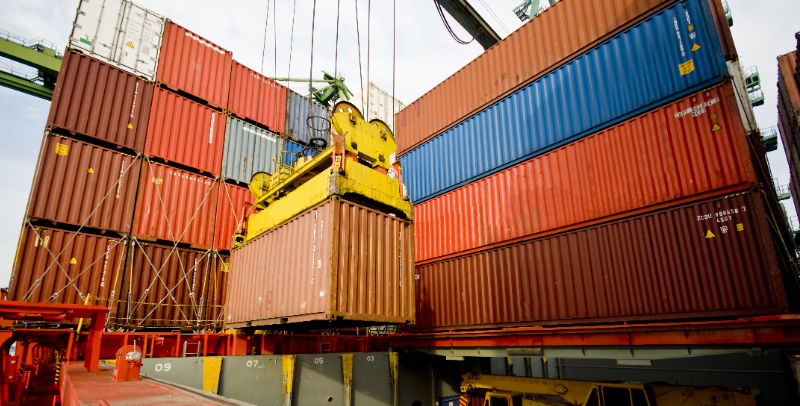
DescriptionDemand pooling mechanisms bring multiple buyers together to aggregate commitments for clean fuels.Why it mattersIndividually, clean fuel offtakers often seek relatively small volumes and provide limited revenue certainty to producers; moreover, relying on single bilateral contracts leaves producers exposed, since a project can be stranded if one buyer fails to follow through. This fragmented demand can leave producers and financiers without the confidence to invest in new capacity, slowing market growth. By consolidating procurement, demand pooling mechanisms create larger, more reliable volumes, giving producers the revenue certainty needed to unlock bankable clean fuel projects.AdvantagesDemand pooling mechanisms strengthen early clean fuel markets by turning fragmented demand into credible, large-scale commitments. This not only gives producers the confidence to invest in new supply but also allows smaller buyers to participate in markets they could not access individually. Over time, these mechanisms help set clearer price signals and accelerate the scale-up of emerging fuels.Enabling market access for smaller companies to participate in clean fuel markets they could not reach on their ownIncreasing bankability by aggregating commitments into volumes that give producers the confidence to finance and build new projectsSignalling demand through clear, collective signals to the market and policymakers about future clean fuel demandImproving efficiency by reducing transaction costs via consolidated negotiations and procurement across multiple buyers ChallengesEffective pooling requires alignment on regulation, emissions accounting, and timelines, which are currently fragmented across geographies and players.Sustainable Freight Buyers Alliance (SFBA) – at a glance:Launched: 2022 (by Smart Freight Centre and Rocky Mountain Institute, with support from the We Mean Business Coalition)Members: 20+ major shippers and corporates (e.g., IKEA, Unilever, Patagonia, Maersk) across retail, consumer goods, and logisticsScope: Decarbonisation of freight across all modes incl. shipping, trucking and aviationImpact: Aims to deliver ~100 million tonnes of CO₂e reduction from logistics operations by 2030 via aggregated procurement and collaborative freight-decarbonization projectsMechanism: Demand pooling frameworks to accelerate clean fuel adoption, alongside initiatives incl. collaborative project and partnership development and convening between private sector and policymakersCase studyThe Sustainable Freight Buyers Alliance (SFBA) was launched in 2022 by the Smart Freight Centre and Rocky Mountain Institute to mobilize collective corporate action in freight decarbonization. It convenes shippers, freight forwarders, and major brands to align their purchasing power and signal credible long-term demand for zero-emission freight solutions across modes.Rather than acting as a procurement vehicle itself, SFBA develops the enabling structures that make demand pooling effective. This includes aggregating demand signals, common procurement guidelines, model contracts, and playbooks that lower transaction costs and give suppliers consistent requirements to respond to. It also serves as a platform for collaborative pilots and joint projects where members can test new technologies and business models.Beyond market facilitation, SFBA positions freight buyers as a unified voice in the policy arena. By engaging directly with governments and regulators, the alliance helps shape standards, incentives, and infrastructure planning in ways that reflect aggregated corporate demand for zero-emission freight. In doing so, SFBA links private sector commitments with the public-sector frameworks needed to scale investment.
Global | Financial services
Demand pooling (Sustainable Freight Buyers Alliance)
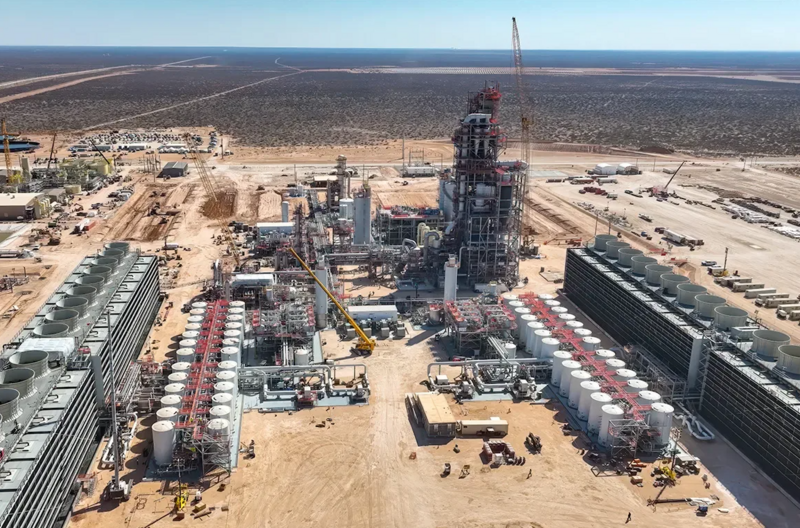
DescriptionThe STRATOS Direct Air Capture (DAC) facility is engineered to remove atmospheric CO₂ from ambient air using a chemical absorption process with liquid solvents. By lowering the CO₂ concentration in the air stream, the facility delivers measurable carbon dioxide removals. The capture media is regenerated for continuous reuse, producing a concentrated CO₂ stream during regeneration.At full capacity, STRATOS is designed to capture up to 500,000 metric tons of atmospheric CO₂ per year, operating continuously and co-capturing emissions from on-site fuel combustion. Key inputs will include ambient air, non-potable water, electricity, and natural gas. The primary output is a high purity CO₂ stream, purified and compressed on-site, ready for transport and either storage in a saline aquifer or utilization via Enhanced Oil Recovery (EOR). Only the captured atmospheric CO2 that is stored in a saline aquifer will generate Carbon Dioxide Removal credits (CDRs). STRATOS and the related transportation and storage infrastructure will enable full measurement and verification of volumes that are captured and sequestered. STRATOS is designed with robust monitoring systems to provide accurate control, quantification, and reporting of CO₂ removal, sequestration and utilization activities. Lessons LearnedManaging risks associated with a First-of-a-Kind project at commercial scale. Years of dedicated research, development, and continuous refinement at the pilot facility allowed to validate the DAC technology and determine readiness for full‑scale deployment. This disciplined approach is intended to minimize technical risk and build confidence in the technologyBuilding market demand for technological carbon removal credits. Having a predictable market for CDRs and products such as decarbonized fossil fuels will de-risk DAC projects for financiers. To help build the market, this project demonstrates the advantages of DAC and its high integrity, including precise measurement, verifiability, permanence, and transparency.Proactively managing regulatory requirements: with Oxy being awarded the first two U.S. Environmental Protection Agency (EPA)‑certified Monitoring, Reporting, and Verification (MRV) programs for CO₂ injection. Today, Oxy operates three EOR facilities within these managed regulatory compliance plans, complemented by transparent reporting, ensuring the highest standards of accountability. Oxy anticipated the rigorous nature and extended timelines associated with US EPA Class VI carbon storage permits for saline aquifer storage and generation of CDRs. By submitting our applications well in advance of the DAC facility startup, our intent was to have sequestration capacity available when needed, avoiding delays and aligning operations with regulatory milestones.STRATOS site selection: The STRATOS site was strategically selected to provide proximity to extensive existing CO₂ pipeline infrastructure, and high‑quality subsurface formations suitable for long‑term CO₂ storage. The location optimizes integration with transportation, storage, and utilization pathways, thereby enhancing project efficiency and reliability.Key metrics:Designed to annually capture up to 500,000 metric tons (mT) of atmospheric CO2 when fully operational Capital Investment ~ $1.3 BillionAnticipated operational timeframe: Commissioning of Phase 1 underway in 2025Project Activity is designed to have a 25-year operating life.Estimated GHG emissions removal of over 3 million mT over first 7 years of operation.The Project Activity has resulted in providing over 1,000 jobs for the construction of the STRATOS DAC facility and is expected to bring up to 120 positions during the operational phase of the Project.Captured CO2 can either be sequestered in Class VI wells and generate Carbon Dioxide Removal (CDR) certificates or be utilized to produce decarbonized transportation fuels via EOR.Additional sourceshttps://www.1pointfive.com/projects/ector-county-tx
USA | Energy
STRATOS - 1PointFive Direct Air Capture: A Path to Decarbonized Fossil Fuels

Occidental
DescriptionMethanol to jet SAF has the potential to produce SAF more efficiently than incumbent solutions, unlock additional supply, and ultimately lower cost of SAF for airlines and the end consumer. Metafuels has a proprietary catalyst technology for the methanol to jet pathway with industry leading selectivity and efficiency. This technology required full production process demonstration to retire technical risk, optimize the process, and enable full commercial scale up. Metafuels’ aerobrew Demonstration plant in Villigen, Switzerland is designed to meet these objectives in a plant configuration similar to that of larger production facilities. The modular facility, housed at the Paul Scherrer Institute, has a capacity of up to 50 litres of SAF per day and raise the technology readiness level to TRL7. It integrates dehydration, oligomerisation, hydrotreating and fractionation in a continuous flow setup, enabling performance validation and process optimisation ahead of commercial scale-up.Objective & ResultsDemonstrate the full methanol-to-jet process (converting sustainable methanol to drop-in jet fuel) at ~50 L/day scale. The Demo plant will produce SAF for testing (to meet stringent aviation fuel standards), optimize the process, and collect extensive data (on operations and environmental impact) to inform scale-up toward a 10 t/day commercial plant and eventual commercialisation of aerobrew technology.Lessons LearnedCollaborative execution: Close coordination between Metafuels, PSI and the plant contractor enables technology implementation and proof points.Government support enables retiring early technical risk: the Swiss Federal Office of Energy provided key grant funding for Demo plant Capex and operations. This was married with private investment capital to prove out Metafuels’ methanol to jet technology and enable further scale up.Risk management discipline: Proactive identification and mitigation of technical and safety risks helped maintain momentum and confidence.Process integration: Designing a fully integrated tank-to-tank system required carefulplanning to achieve process integrity while maintaining operational flexibility necessary for a technology demonstration facility.Catalyst performance validation: Long-duration testing is essential to confirm catalyst stability and SAF selectivity under continuous operation.Key MetricsScale: ~50 litres per day SAF output capacityEmissions reduction: ~90% lifecycle CO₂ reduction potential (using e-methanol produced from renewable H₂ and CO₂ feedstocks)
Switzerland | Aviation & Travel, Energy, Mobility
Metafuels aerobrew Demonstration Plant unlocks high performance methanol to jet technology scale-up
Energy Impact Partners
DescriptionEarly 2024 Repsol started the operation of C43 project located in Repsol’s industrial complex in Cartagena, Spain. C43 is the first facility in Spain to produce HVO and SAF with a 100% lipid waste. The project took FID in 2020 to satisfy the demand expected from customers in road transport. Even though the ReFuel Aviation (Regulation (EU) 2023/2405) was not published yet, the plant design considered flexibility to SAF production. This means that in 2024, one year before regulation started, Repsol was prepared to supply the market. Without road transport demand the project would have been executed approximately four years later.The C43 project uses organic waste products and residues to produce waste-based biofuels, eventually supplying 250,000 tons of renewable diesel, bio propane, bio naphtha, and bio jet (SAF) per year for use in planes, trucks, ships, and passenger vehicles. The resulting biofuels are suitable for use in standard internal combustion engines without the need for modifications, saving 900,000 tons of CO2 emissions per year. This first-of-its-kind facility in Iberia has been made possible through an investment of USD 230 million, the use of cutting-edge technology, and the most efficient solutions available.Lessons LearnedThis project is a great example to explain how biofuels technology development and scaling up in road transport has allowed current production of biofuels for aviation and maritime.Repsol began co-processing raw materials of renewable origin in its industrial complexes in 2011. They have faced challenges in metallurgy and reliability, catalyst and logistics, but have succeeded combing their operational experience in refining & chemical processes, R&D capabilities and the use of existing assets. With the knowledge and experience gained, they have been able to transition from conventional raw materials to feedstocks derived from more difficult-to-process waste.Key Metrics250,000t/y Production capacity of HVO and SAFReduction of 900,000 tonnes of CO2 per yearInvestment of 230M$Supply of 300,000 tonnes of organic waste+1,000 direct and indirect professionals in its start-upAdditional sourceshttps://www.repsol.com/en/about-us/our-operations/industrial/renewable-fuels/index.cshtml
Spain | Energy & utilities
First large-scale 100% renewable fuels plant on the Iberian peninsula

Repsol
DescriptionBe8 announced in 2024 the start of construction work on the new ethanol plant, the first large in the state, producing biofuel with cereals, and the first production of vital gluten in Brazil. Be8’s ethanol plant in Passo Fundo is a pioneering project in Brazil’s biofuel landscape. It is the first large-scale facility to use wheat and triticale as feedstock for ethanol production, marking a shift from traditional sugarcane and corn-based models. The plant will produce 220 million liters of ethanol annuallyThe plant will also coproduce some important products. First, 155 thousand tons per year of bran from the processing of cereals which is obtained immediately after the fermentation process of ethanol production. This is a product with great potential for use in animal feed. Second, the unit will produce 35 thousand tons/year of vital gluten, a powdered protein concentrate obtained from cereal flour. Expected to operate in 2026, the ethanol plant will generate more than 800 jobs during the implementation phase of the project, giving preference to hiring local labor, promoting training and specialized qualification for the maintenance and operation of the unit. Upon completion, approximately 175 direct jobs will be generated in the operationThe project is the result of a long financial strategy that involved financing from the National Bank for Economic and Social Development (BNDES), which approved the amount of R$ 729.7 million for the construction of the factory. The unit will have self-production of electricity, with cogeneration from biomass and the supply of surplus energy will be made available in the municipality's distribution network. There will be no discharge of liquid effluents, which will be used to produce steam in the production process Lessons LearnedFeedstock: Wheat and triticale offer new pathways for ethanol production.Multi-product integration: Combining different markets (fuel, food, and feed) improves profitability.Sustainability: Recycling effluents and generating electricity from biomass.Public financing: BNDES support for scaling and de-risking the project.Regional impact: The project boosts local agriculture and creates significant employment.Key metrics220 million liters per year of ethanol production capacityR$ 729.7 million investment (via BNDES financing)800+ jobs created during implementation. 175 direct jobs in operation
Brazil | Energy, Mobility, Technology
Brazil’s First Large-Scale Cereal-Based Ethanol Plant in Passo Fundo
Be8
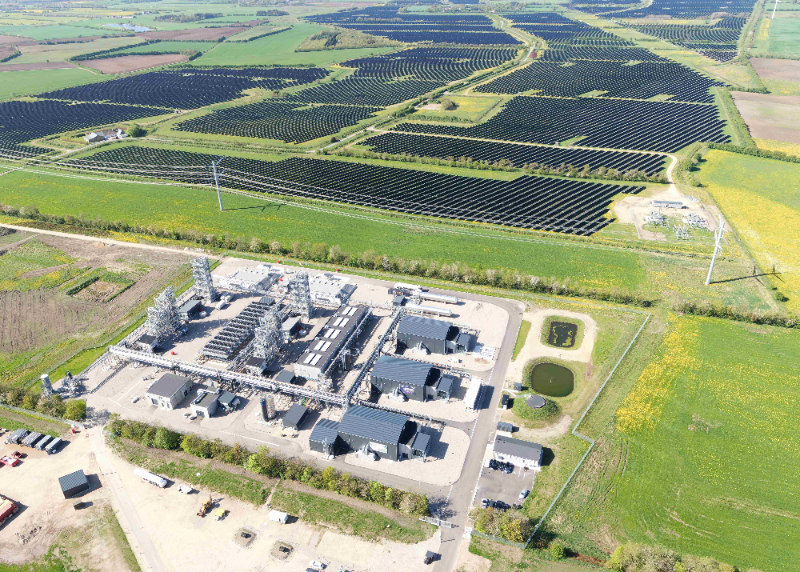
Description:The Kassø e-methanol facility, developed by European Energy and Mitsui, is the world’s first commercial-scale plant producing e-methanol. Located adjacent to Northern Europe’s largest solar park (304 MW), the facility synthesizes green hydrogen and biogenic CO2 to produce 42,000 tonnes of e-methanol per year. This fuel will be used in shipping (by Maersk), plastics (by LEGO), and pharmaceuticals (by Novo Nordisk).The project was initiated in 2023 and officially inaugurated in May 2025. The project had to secure 29 permits from Danish authorities, highlighting the complexity of the undertaking.The project a significant financing DKK 400 million (approx. €53 million) from EIFO (Export and Investment Fund of Denmark) in the form of construction financing with the purpose of plant expansion and support for commercial operations. The project has also received some funding from the European Union.  Lessons LearnedTechnology integration: Combining solar power, electrolysis, and carbon capture.Cross-sector collaboration: Partnerships with shipping, materials, and pharmaceutical industriesFinancing Scalability: The success of Kassø demonstrates that it can be scaled commercially.Key Metrics / KPIs42,000 tonnes/year production capacityUp to 97% reduction in CO₂ emissions compared to fossil methanol304 MW solar power capacityAdditional sourceshttps://europeanenergy.com/kasso/
Denmark | Transportation, Chemicals, Energy, Mobility
World’s First Large-Scale Commercial e-Methanol Facility
Mitsui & Co., European Energy
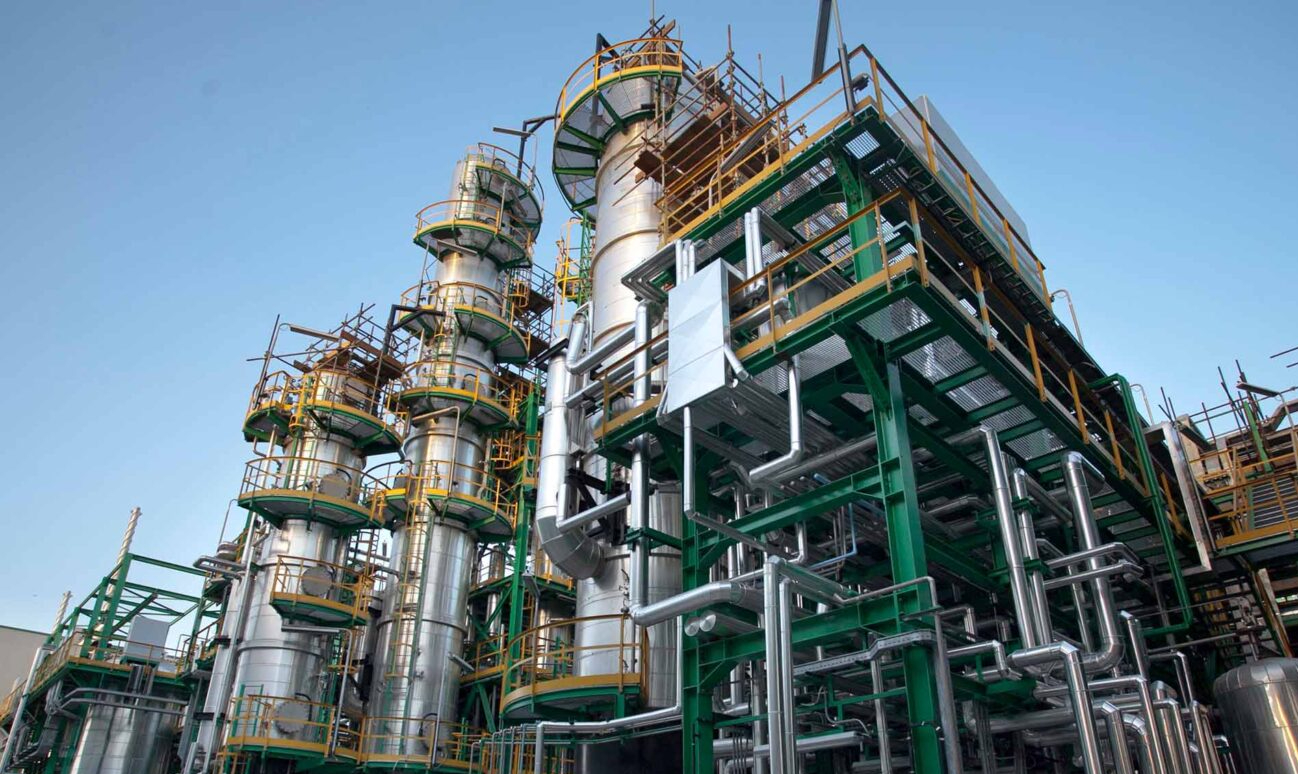
DescriptionYara Clean Ammonia’s green hydrogen plant in Porsgrunn is Europe’s largest operational facility of its kind. Located at Herøya Industrial Park, the plant uses a 24 MW proton exchange membrane (PEM) electrolyzer supplied by ITM Power to produce ~10,000 kg of hydrogen per day. This hydrogen replaces ethane and propane as feedstock in ammonia synthesis, enabling the production of ~20,000 tonnes of ammonia.At Yara’s Porsgrunn facility, water from Lake Norsjø is purified and sent to the 24 MW electrolyser plant. Direct current electricity splits the water molecule into oxygen and hydrogen. Oxygen, together with excess water, is sent to the oxygen water separator. The hydrogen stream is purified via a catalyst that removes residual oxygen. After cooling and drying, the hydrogen is piped to the ammonia plant, where it is mixed with nitrogen to form ammonia through high-pressure synthesis. The ammonia is fed to the ammonia grid/storage tanks to be used to produce fertilizer. It can also be used as an emission-free shipping fuel, for power generation or as an energy carrier.The project saves up to 41,000 tons of CO2 emissions annually, equivalent to the emissions of approximately 16,000 cars.The plant was built by Linde Engineering and was supported with 283 million NOK grant by Enova which is a state enterprise owned by the Ministry of Climate and Environment. Lessons LearnedScaling up of technology: the technology is ready and PEM electrolyzers can be scaled for industrial production Policy support: public financing was awarded Infrastructure integration: leverage existing assets improves profitability and accelerates deployment Additional sourceshttps://www.yara.com/news-and-media/media-library/press-kits/renewable-hydrogen-plant-heroya-norway/
Norway | Chemicals, Energy, Mobility
Europe’s largest operational green hydrogen plant for ammonia production
Yara International
DescriptionThe Gela biorefinery by Enilive is the result of an ambitious industrial conversion project initiated by Eni in 2014, transforming a petrolchemical site into one of Europe’s most advanced facilities for producing biofuels from biofeedstocks. The Gela Biorefinery has been operational since 2019, it produces HVO-Diesel, Bio-GPL, Bio-Naphtha and SAF (biojet, from 2025) using proprietary Ecofining™ technology, capable of processing up to 100% second-generation feedstocks. The biorefinery capacity is 736,000 tons/year of biomass, primarily from used cooking oils, animal fats, and agri-industry by-products. Depending on the feedstock used, the reduction in lifecycle CO₂ emissions compared to their fossil counterparts can reach up to 90%, (according to the conventional principle of Directive (EU)) contributing meaningfully to climate targets and decarbonization of the transport and aviation sectors. In January 2025, Enilive (an Eni company) announced the start of SAF (Sustainable Aviation Fuel) production, making Gela the first plant in Italy. The SAF production capacity is 400,000 tons/year, nearly one-third of the projected European demand for 2025, aligned with the ReFuelEU Aviation regulation.  This evolution was enabled by:  Modifications to the Ecofining™ technology, including a new reactor and product separation section  Enhancement of tanks and logistics infrastructure Construction of a third feedstock pretreatment line to expand feedstock flexibility Lessons Learned Effective industrial conversionThe transformation of the Gela petrochemical site into a biorefinery illustrates how repurposing existing infrastructure can cut capital costs and shorten project timelines. Leveraging established facilities reduces construction and permitting complexity while enabling rapid integration into existing logistics and operations — ensuring a smoother and faster shift to renewable fuel production.Technological innovationA central success factor was the development of proprietary technologies. By owning the Ecofining™ process, Eni has secured full control over its value chain, allowing continuous process optimization, operational flexibility, and reduced dependence on external licensors. This ownership supports adaptation to diverse feedstocks, enhances competitiveness through real-time process adjustments, and strengthens resilience to market and regulatory shifts — positioning the company as a leader in sustainable fuel production.Environmental and social sustainabilityLocated within a National Interest Site, the Gela biorefinery underwent extensive environmental remediation, contributing to the recovery of a formerly contaminated industrial area. The project preserved over a thousand jobs—mostly local—by retraining staff for new roles in the biofuel value chain. It stands as a model for just transition, industrial circularity, and regional regeneration, using waste feedstocks such as used cooking oil.Policy alignment and partnershipsThe project aligns with EU decarbonization frameworks, notably the Renewable Energy Directive (RED) and ReFuelEU Aviation, supporting sustainable aviation fuel (SAF) targets. Continued policy clarity—through stable SAF trajectories, demand incentives, and a technology-neutral approach—will be key to sustaining progress. Strategic partnerships, including collaboration with Honeywell UOP on the Ecofining™ process, have accelerated innovation and enhanced the project’s visibility within the broader energy transition landscape.Objectives and resultsThe project aimed to convert a traditional refinery into a cutting-edge biorefinery capable of producing renewable biofuels from Waste&Residue feedstocks. Results include:  Launch of industrial-scale SAF and HVO production Reduction of environmental impact, in terms of GHG emissions along the supply chain, and enhancement of the local area Preserve local employment and the re-skilling of the workforce European leadership in renewable biofuels production Environmental impact: site remediation and territorial redevelopment Social impact: prevention of occupational impacts; preservation and development of technical and scientific know-how.Key Metrics and KPIsBiomass processing capacity: 736,000 tons/year SAF production: 400,000 tons/year (≈ 1/3 of projected European demand for 2025) Feedstocks: >95% from Waste&Residues (used cooking oils, animal fats, agri-industry residues) Technology: Proprietary Ecofining™ Employment: 1,080 active workers, 94% residing in Sicily Additional Sourceshttps://www.enilive.it/sustainability-report-2025 https://www.eni.com/en-IT/media/press-release/2025/01/enilive-begins-saf-production-at-its-plant-in-gela.html 
Italy | Aviation & Travel, Energy, Mobility
Gela Biorefinery: Leading the Fuel Revolution from Waste & Residues to Wings
Eni
DescriptionProject Roadrunner is Infinium and Electric Hydrogen’s flagship commercial-scale Power-to-Liquids (PtL) facility, located in Pecos, Texas. It converts renewable electricity and captured CO₂ into synthetic fuels, primarily sustainable aviation fuel (eSAF), with additional output of eDiesel and eNaphtha. The plant uses Electric Hydrogen’s 100 MW HYPRPlant electrolyser system to produce green hydrogen, powered by 150 MW of dedicated wind energy, which is then combined with CO₂ in Infinium’s proprietary catalytic process. Roadrunner is supported by long-term offtake agreements with major airlines and will be the largest eFuels facility globally once operational in 2027.Status: Under construction. Commissioning 2027.  Lessons LearnedBankability through contract certainty: Securing long-term feedstock and offtake agreements early was critical to attracting institutional finance.Leading technology critical: Electric Hydrogen’s low cost, modular electrolyser design reduced costs and accelerated deployment. Policy alignment drives demand: UK and EU SAF mandates created strong market signals for offtake, supporting project bankability.Workforce transition is viable: Skilled labour from the fossil fuel sector was successfully retrained for clean energy roles.Key MetricsCapacity: ~23,000 tonnes/year of eFuels (≈7.6 million gallons/year) – primarily eSAF, plus some eDiesel and eNaphtha. Making Roadrunner the world’s largest eFuels facility when online. Hydrogen Plant: 100 MW Electrolyzer (Electric Hydrogen HYPRPlant system) for on-site green hydrogen production. Renewable Power: 150 MW of new wind energy via dedicated power purchase agreement (NextEra Energy Resources.) Emissions Reduction: ~90% lower lifecycle GHG emissions for Power-to-Liquid SAF compared to conventional jet fuel. Investment: $275+ million in equity financing ($200 M from Brookfield and $75 M from Breakthrough Energy Catalyst). HSBC provided additional project finance in 2025, making Roadrunner one of the first project-financed eFuels plants. Offtake Contracts: 10-year supply agreements for eSAF with American Airlines and International Airlines Group (British Airways, Aer Lingus, etc.). Economic Impact: Projected creation of hundreds of skilled jobs in West Texas.Additional Sources: https://www.infiniumco.com/news/infinium-announces-construction-of-large-scale-efuels-production-facility-in-texas https://www.ehydrogen.com/news/infinium-electric-hydrogen-roadrunner https://www.hydrogeninsight.com/production/worlds-largest-e-fuels-plant-selects-us-made-electric-hydrogen-electrolysers-for-green-h2-production/2-1-1689266 https://www.decarbonfuse.com/news/texas-bets-big-on-clean-energy-inside-infiniums-bold-move-to-build-the-worlds-largest-efuels-planthttps://constructionreviewonline.com/news/infinium-begins-construction-on-worlds-largest-efuels-facility-in-west-texas/ 
USA | Aviation & Travel, Energy, Mobility
Marquee SAF Roadrunner plant enabled by scaled Electric Hydrogen electrolyzers
Energy Impact Partners
DescriptionHIF Haru Oni, located 40 km north of Punta Arenas, Chile, is the world’s first integrated e-Fuels facility. It produces synthetic fuels using renewable wind energy from Patagonia and recycled CO₂. The process begins with water electrolysis powered by a 3.4 MW wind turbine, generating green hydrogen. The hydrogen is then combined with captured CO₂, sourced from biogenic emissions and, in the future, directly from the atmosphere through a Direct Air Capture (DAC) unit currently under installation, to synthesize e-Methanol. This e-Methanol can be used directly as a marine fuel or converted into other e-Fuels such as e-Gasoline, e-SAF (sustainable aviation fuel), or e-LG. The facility demonstrates that e-Fuels are a ready-to-use climate solution, chemically equivalent to fossil fuels and compatible with existing engines, pipelines, gas stations and infrastructure. Since its inauguration in December 2022, Haru Oni has been operating successfully and exporting e-Fuels to Porsche, its sole offtaker. Haru Oni is not just a pilot, it is a fully operational facility producing real, commercial-grade fuels already in use, including in Porsche Motorsport events in Europe and during the Antarctic cruise season on zodiac motorboats. This demonstrates that e-Fuels are a practical and available solution, particularly for hard-to-electrify sectors such as aviation and shipping. Haru Oni is also the first Power-to-X plant in Latin America to obtain ISCC PLUS certification, and in 2025, it became the first facility outside the European Union-and the first globally-to receive ISCC EU RFNBO certification for e-Gasoline production. This recognition validates that Haru Oni’s process meets international sustainability standards, including the use of 100% renewable energy and achieving over 70% emission reductions compared to fossil fuels. Haru Oni’s success has paved the way for HIF Global’ s next generation of industrial-scale facilities in Chile, United States, Uruguay, Brazil, and Australia; demonstrating how regions with abundant renewable resources can become exporters of low carbon fuels. The process Electrolysis: Wind-generated electricity powers an electrolyzer, separating oxygen from hydrogen in water molecules. CO₂ Supply: CO₂ is recycled from biogenic sources (currently in use) or captured directly from the air using DAC technology (under development). Synthesis: Green hydrogen is combined with CO₂ to produce green methanol (e-Methanol). Conversion: e-Methanol can be used directly in methanol-powered ships or converted into other e-Fuels, such as e-Gasoline for cars, e-SAF for aviation, or e-GL. Haru Oni currently produces e-Methanol, e-Gasoline, and e-GL. Objective & ResultsHIF Haru Oni was designed to demonstrate the full value chain of e-Fuels production using renewable energy and recycled CO₂. The project’s goal is to validate synthetic fuels as a ready-to-use, low carbon alternative for sectors where direct electrification is difficult, such as road transport, aviation, and shipping. Since its inauguration in December 2022, Haru Oni has produced and exported e-Fuels to its client Porsche to be used in demonstration events in Europe and the Americas, confirming their technical viability and performance in conventional combustion engines. The facility is integrating Direct Air Capture (DAC) technology now, making it the first synthetic fuel plant in the world to do so. Its success has laid the groundwork for HIF Global’ s next generation of industrial-scale e-Fuel projects in Chile (Cabo Negro), the United States (Matagorda), Uruguay (Paysandú), Brazil (Açu), and Australia (Tasmania). Additional SourcesHIF Haru Oni Website information  HIF Haru Oni Virtual Tour About HIF Global, Haru Oni and e-Fuels Ministry of Energy Chile - Haru Oni team testimonials 
Chile | Energy, Mobility
Haru Oni e-fuels Facility

HIF Global
Background The European Union has built one of the world’s most comprehensive frameworks for advancing the clean fuels market. Through the Renewable Energy Directives (RED I–III) and the Fit for 55 packages, the EU has established binding renewable-energy targets, stringent sustainability standards, and a progressive shift toward advanced and low-carbon fuels.  Unlike resource-rich regions such as Brazil, Europe’s approach reflects limited domestic biomass, high sustainability safeguards, and deep regulatory integration across Member States. Main policy objectives of this regionReduce oil import dependence and strengthen energy security by diversifying transport-fuel sources. Cut transport-sector GHG emissions to align with the 2030 (-55%) and 2050 climate-neutrality goals. Promote industrial innovation and competitiveness in advanced fuels (biofuels, e-fuels, renewable hydrogen). Ensure environmental integrity through strict feedstock sustainability and land-use safeguards.  Key Policy Pillars 1. Blending and Emissions-Intensity Mandates Under the Renewable Energy Directive III (RED III), EU Member States must by 2030 achieve either at least a 29% renewable-energy share in transport or a 14.5% reduction in the greenhouse-gas (GHG) intensity of transport fuels, compared with 2021 levels. The ReFuelEU Aviation and FuelEU Maritime regulations introduce sector-specific blending mandates, requiring a steadily rising share of sustainable aviation fuels (SAF) and renewable fuels for shipping. Meeting these targets will demand production of roughly 20 million tonnes of sustainable fuels by 2035, implying investment needs of about €100 billion in new capacity, feedstock supply, and infrastructure. National blending obligations remain the primary implementation tool at Member-State level, typically mandating 10–20% biofuel content in road transport fuels, with variation across countries reflecting differing feedstock availability and policy ambition. 2. Sustainability and Lifecycle GHG Standards Mandatory lifecycle emission savings compared to fossil fuels (≥60% for new plants). Certified traceability via the Union Database for Biofuels – preventing double counting. Feedstock lists (Annex IX) prioritize waste, residues, and advanced materials. The EU has recently revised feedstocks in Annex IX (via Delegated Directive (EU) 2024/1405) to include further waste/residue and non-food feedstocks (e.g., intermediate crops, crops on degraded land) for advanced bio-fuel production. 3. Market-Based and Financial Mechanisms Key investment measures aiming to mobilise at least €2.9 billion through EU instruments by 2027 include: At least €2 billion for sustainable alternative fuels under InvestEU. €300 million through the European Hydrogen Bank to support hydrogen-based fuels for aviation and shipping. €446 million for synthetic aviation fuel and maritime fuel projects under the Innovation Fund. €133,5 million in fuels-related research and innovation under Horizon Europe. The Commission with the Member States is preparing to launch an eSAF Early Movers Coalition pilot project by the end of 2025, aiming to mobilise at least €500 million for synthetic aviation fuel projects. 
Europe | Government
The European Union's strategy to lead transport decarbonization
European Commission
DescriptionEcoplanta project will revolutionize municipal solid waste (MSW) management by using non-recyclable materials rejected by sorting centers to produce circular chemicals and advanced biofuels. The project which has approved Final Investment decision in 2025 after more than 4 years of development, will startup in 2029.Located in a petrochemical complex in El Morell, near the port of Tarragona in Spain, the production site will use 400kt of waste that would otherwise end up in landfill to produce 240 kt/y of methanol and thereby recover 70% of the carbon present in the non-recyclable materials. Based on the Innovation Fund methodology, the project will achieve 3.4 Mt CO2eq of GHG emissions reductions over the first ten years of operation. This plant will have the capacity to pre-treat and convert this waste-derived feedstock into syngas and then into methanol through the implementation of innovative processes such as gasification, syngas cleaning and conditioning, and methanol synthesis processes using established catalytic reactions. In order to maximize carbon recovery of the waste and increase production, external hydrogen is input in the process. To maximize GHG reduction, a mix of electrolytic, low carbon and grey hydrogen is used. The technology provider will be Enerkem and the capex more than 800M€.Biomethanol produced is considered an advanced biofuel with a wide range of applications in transport: MTBE production to be used in road transport, directly consumed in shipping, and further processed into bioSAF for aviation. Ecoplanta was one of the seven awarded projects from the over 310 large-scale projects submitted in the European Innovation Fund Program in November 2021 with 106M€. In March 2022, Ecoplanta signed the grant agreement with the European Commission. The awarding criteria were: i) a first waste-to-fuel plant in Europe to implement molecular carbon recycling; ii) supports the development of circularity and renewable energy; iii) supports the development of circularity and renewable energy.Lessons LearnedEcoplanta has faced several challenges in its development prior to reaching FID. Repsol has worked together with Enerkem in the technology derisking in order to ensure yields and product quality, and capex. A big commercial effort has been made in earlier phases than in a conventional project to test if the offtake contracts will ensure a minimum profitability of the project. As it is using mixed non recyclable or reusable waste (bio and non-bio), and different type of hydrogen inputs (electrolytic, low carbon and grey) it is challenging to apply all the different pieces of EU methodology for the calculation of each type of methanol and its GHG reduction.The End of Waste requirements have also been challenging. This regulation is not harmonized among different countries and it is required for a product like methanol, which is completely indistinguishable from the fossil molecule.Additionally, the project has particularities that made it attractive: it is located in Repsol’s industrial complex and has synergies with other facilities and access to port via pipeline. I also enables other renewable projects such as an electrolyzer onsite. Key metrics •   400 kt/y MSW•   Production of 240 kt/y of renewable methanol•   3.4 Mt CO2eq of GHG emissions reductions over the first ten years of operation•   Startup 2029•   Capex >800M€•   Creation of 340 direct, indirect, and induced jobs, and approximately 2.800 jobs during the construction phase.Additional sourceshttps://www.repsol.com/en/sustainability/sustainability-pillars/environment/circular-economy/our-projects/transforming-waste-into-chemicals/index.cshtml
Spain | Energy & utilities, Engineering & Construction, Mobility
Ecoplanta: a first-of-a-kind waste to methanol project
Repsol