Green Hydrogen Project for DRI Vijayanagar Steel Unit
Case study
As a crucial step in decarbonizing the Indian steel sector by enabling the usage of clean fuels in reducing the carbon foot print of the steel produced. JSW worked with the existing Direct Reduced Iron (DRI) technology partners to understand the utilization of clean fuels in current steel making process which resulted in conceptualization of this pilot project before going for a large-scale expansion.
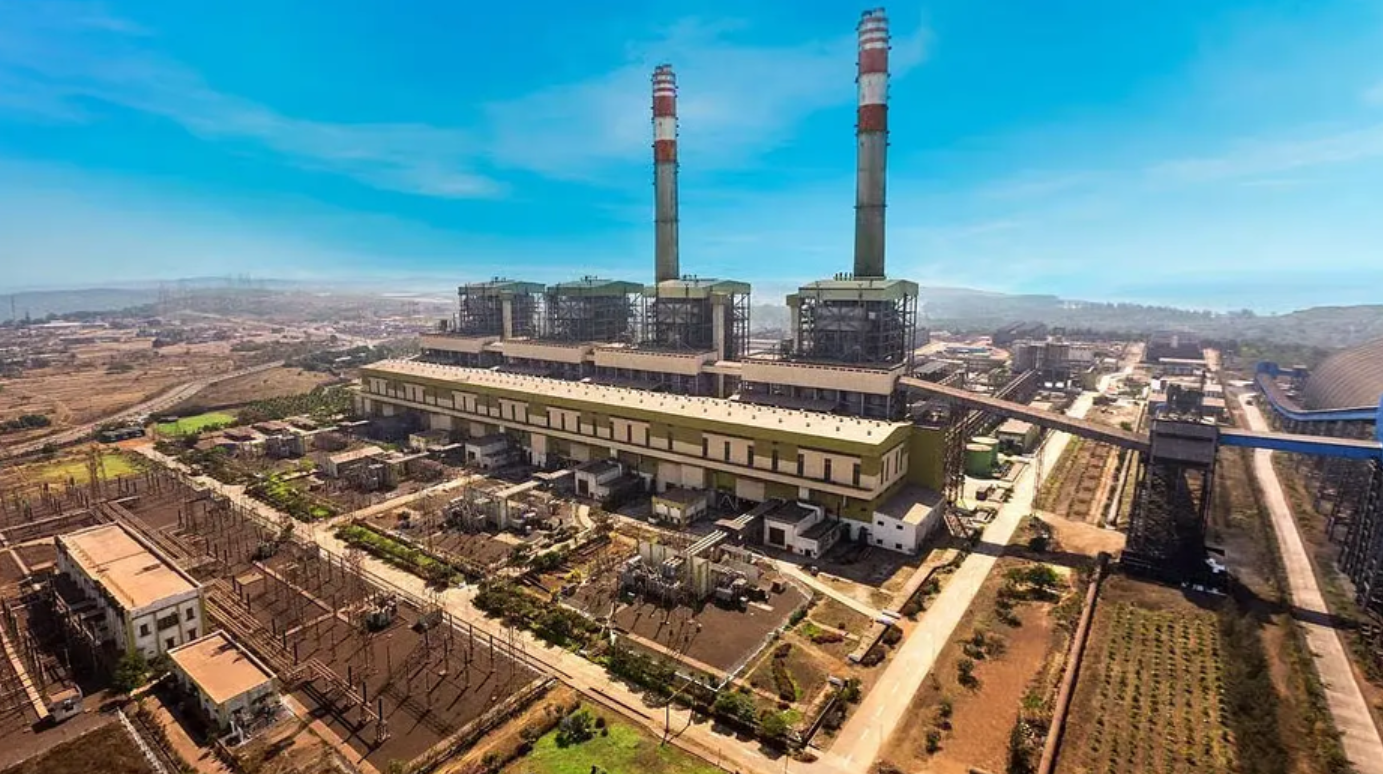
In this project, the green hydrogen is produced through Pressurized alkaline-based electrolyser powered by a hybrid renewable energy (RE) system comprising 225 MW of solar and 600 MW of wind power, along with a 27 MW RTC RE. The combined RE power feeds an electrolyser, which generates 5,000 Nm³/hr of hydrogen and 2,500 Nm³/hr of oxygen. The hydrogen, with 99.999% purity at 12.5 bar pressure, is supplied to the DRI (Direct Reduced Iron) plant via a 2.6 km hydrogen line for steel production, while the oxygen, with 99.95% purity at 12.5 bar, is distributed to JSW Steel through a 2km line to the common consumption header.
The project will support steel production at the Vijayanagar plant, with a DRI capacity of 1.2 million tonnes per annum.
Challenges
1. Intermittent nature of Renewable energy:
The steel making process is a continuous process, with a fixed composition of raw materials and fuel feed stock at any given intervals of time, as opposed to Renewable energy from solar and wind which can fluctuate and may even be unpredictable at times especially wind power. Now coupling an intermittent source to a continuous demand posed the first challenge which requires huge investments in Solar, Wind and especially Storage systems whether its Battery or Hydrogen Storage in which case we’ll have to deal with land constrains as a compressed hydrogen needs acers of land with no structure in its vicinity. But JSW Steel was also looking for avenues in decarbonizing through direct electrification, hence needing massive installations of solar-225 MW and wind turbines- 600 MW to generate a Round the clock RE source of about 275 MW. Our green hydrogen project takes advantage of this by carving 27 MW of RE-RTC out of 275 MW.
2. Technology selection and evaluation:
Among the 4 production pathways to produce hydrogen, the team evaluated all the pathways and selected alkaline electrolyser, and even among the alkaline electrolysers the team had to evaluate many vendors, overseas, especially given the lack of indigenous large-scale electrolysers. And after rigorous due diligence, we finally arrived at technology providers, who has a proof of concept and capex enough for the consideration.
3. Basic and detailed engineering:
During the detailed engineering phase, we realised there was a lack of consolidation of all relevant codes and standards with respect to Building, Plant, Storage, Piping design including Pre-Commissioning and commissioning stages. The team has studied various codes and standards including OEM recommendation. JSW engaged reputative engineering firms at multiple stages of design using universally safety accepted norms covering safety studies as HAZID, HAZOP, QRA etc.
4. Statutory clearance:
There is lack of clarity with respect to statutory compliances (State/central specific) for a green hydrogen plant establishment thereby delaying the overall implementation schedule. JSW approached individual statutory authorities and understood the overall requirement to fast track the process such as PESO; DISH; State Pollution control board, State electricity board, District collector, local municipal corporation, fire and emergency department.
5. Resources:
Given it’s a nascent sector, there is a lack of skilled manpower and expertise for handling the explosive element hydrogen should it mix with the adjacent oxygen, given the plant also produces oxygen. To overcome this challenge, we identified the right people with relevant experience and trained them further for 6 months with the existing, running hydrogen units in JSW Steel.
Key Products from project to DRI Steel process
- Green hydrogen-3800 Tonnes per annum (450 kg/hr (99.999% purity)
- By-product Green O2- 28,500 Tonnes per annum (3567 kg/hr (99.95% purity)
- Technology used- Pressurized Alkaline Water Electrolysis
- Source-Round the clock Renewable Energy – 27 MW, hybrid (Solar & Wind)
- End use – Green Steel-making – approx. 50,000 tonnes per annum
- Support- Govt incentive- SIGHT Scheme
Status of the project
The project is a part of the PLI Scheme (SIGHT Mode -1, tranche 1) with awarded capacity of 6500 MT green hydrogen generation
- Phase 1- 3800 TPA -Commissioned on 11th Nov 2025, under performance monitoring
- Phase 2 – Post successful trails and achieving the design intent in steel making process further expansion will be planned
Phase 1 (Commissioned Nov 2025)
- Investment size – approx. 20 million dollars
- Job creation – approx. 40 Direct
- Plant Foot print – 100 x 120 meter
- Volume of green hydrogen - 3,800 Tonnes – per annum
- Expected Volume of Green Steel production- Approx. 60,000 Tonnes per annum
- Expected Levelized cost of hydrogen- 4 – 4.5 $ per kg
Key Stakeholders
- Green Hydrogen Producers – JSW Energy Ltd
- Off-Taker – JSW Steel
- Incentive provider – Ministry of New and Renewable Energy
Objective & Results
- The goal of the pilot project is to produce close to 60,000 tonnes of green steel per annum by replacing 5% of the existing grey fuel thus reducing GHG Emission by 120,000 tonnes.
- And to experience running a hydrogen plant and realise its true efficiency in steel production as opposed to theory.