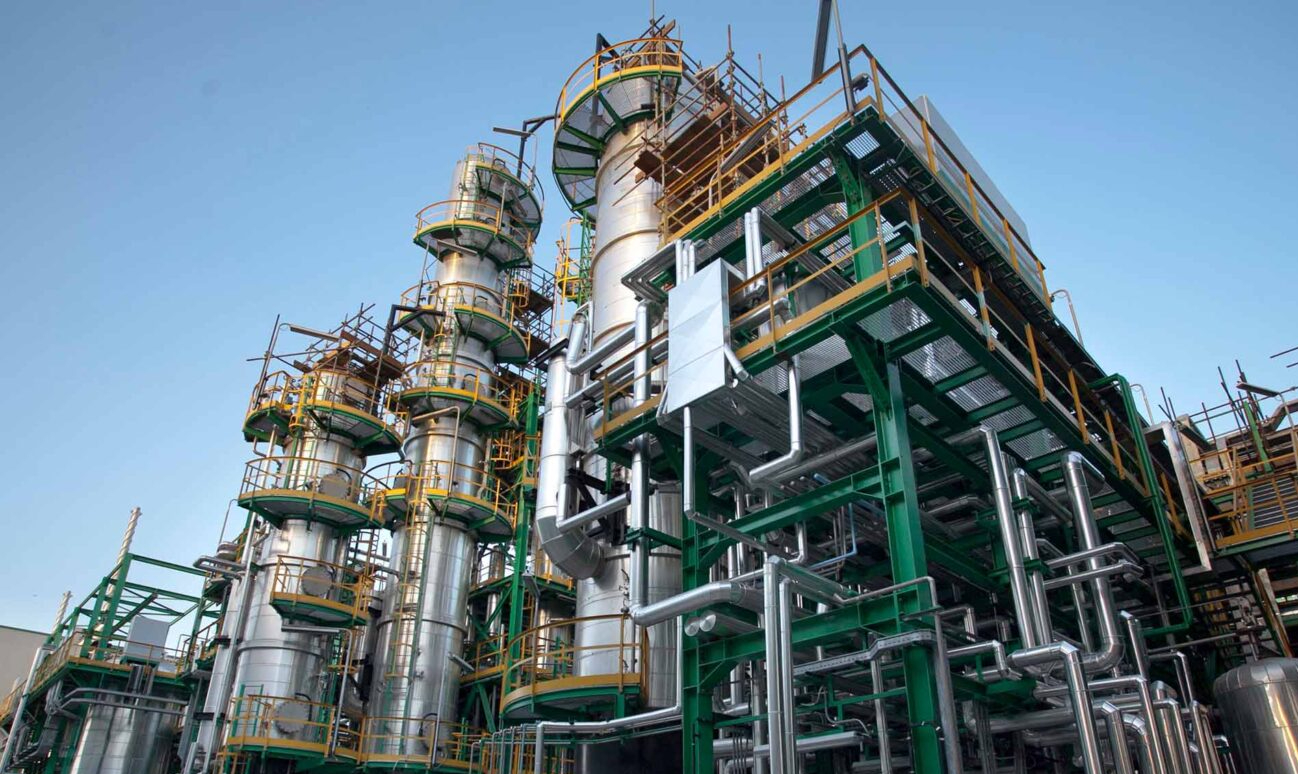
Gela Biorefinery: Leading the Fuel Revolution from Waste & Residues to Wings
Description
The Gela biorefinery by Enilive is the result of an ambitious industrial conversion project initiated by Eni in 2014, transforming a petrolchemical site into one of Europe’s most advanced facilities for producing biofuels from biofeedstocks. The Gela Biorefinery has been operational since 2019, it produces HVO-Diesel, Bio-GPL, Bio-Naphtha and SAF (biojet, from 2025) using proprietary Ecofining™ technology, capable of processing up to 100% second-generation feedstocks. The biorefinery capacity is 736,000 tons/year of biomass, primarily from used cooking oils, animal fats, and agri-industry by-products. Depending on the feedstock used, the reduction in lifecycle CO₂ emissions compared to their fossil counterparts can reach up to 90%, (according to the conventional principle of Directive (EU)) contributing meaningfully to climate targets and decarbonization of the transport and aviation sectors.
In January 2025, Enilive (an Eni company) announced the start of SAF (Sustainable Aviation Fuel) production, making Gela the first plant in Italy. The SAF production capacity is 400,000 tons/year, nearly one-third of the projected European demand for 2025, aligned with the ReFuelEU Aviation regulation.
This evolution was enabled by:
- Modifications to the Ecofining™ technology, including a new reactor and product separation section
- Enhancement of tanks and logistics infrastructure
- Construction of a third feedstock pretreatment line to expand feedstock flexibility
Lessons Learned
Effective industrial conversion
The transformation of the Gela petrochemical site into a biorefinery illustrates how repurposing existing infrastructure can cut capital costs and shorten project timelines. Leveraging established facilities reduces construction and permitting complexity while enabling rapid integration into existing logistics and operations — ensuring a smoother and faster shift to renewable fuel production.
Technological innovation
A central success factor was the development of proprietary technologies. By owning the Ecofining™ process, Eni has secured full control over its value chain, allowing continuous process optimization, operational flexibility, and reduced dependence on external licensors. This ownership supports adaptation to diverse feedstocks, enhances competitiveness through real-time process adjustments, and strengthens resilience to market and regulatory shifts — positioning the company as a leader in sustainable fuel production.
Environmental and social sustainability
Located within a National Interest Site, the Gela biorefinery underwent extensive environmental remediation, contributing to the recovery of a formerly contaminated industrial area. The project preserved over a thousand jobs—mostly local—by retraining staff for new roles in the biofuel value chain. It stands as a model for just transition, industrial circularity, and regional regeneration, using waste feedstocks such as used cooking oil.
Policy alignment and partnerships
The project aligns with EU decarbonization frameworks, notably the Renewable Energy Directive (RED) and ReFuelEU Aviation, supporting sustainable aviation fuel (SAF) targets. Continued policy clarity—through stable SAF trajectories, demand incentives, and a technology-neutral approach—will be key to sustaining progress. Strategic partnerships, including collaboration with Honeywell UOP on the Ecofining™ process, have accelerated innovation and enhanced the project’s visibility within the broader energy transition landscape.
Objectives and results
The project aimed to convert a traditional refinery into a cutting-edge biorefinery capable of producing renewable biofuels from Waste&Residue feedstocks. Results include:
- Launch of industrial-scale SAF and HVO production
- Reduction of environmental impact, in terms of GHG emissions along the supply chain, and enhancement of the local area
- Preserve local employment and the re-skilling of the workforce
- European leadership in renewable biofuels production
- Environmental impact: site remediation and territorial redevelopment
- Social impact: prevention of occupational impacts; preservation and development of technical and scientific know-how.
Key Metrics and KPIs
- Biomass processing capacity: 736,000 tons/year
- SAF production: 400,000 tons/year (≈ 1/3 of projected European demand for 2025)
- Feedstocks: >95% from Waste&Residues (used cooking oils, animal fats, agri-industry residues)
- Technology: Proprietary Ecofining™
- Employment: 1,080 active workers, 94% residing in Sicily
Additional Sources
- https://www.enilive.it/sustainability-report-2025
- https://www.eni.com/en-IT/media/press-release/2025/01/enilive-begins-saf-production-at-its-plant-in-gela.html