Shaping the
Future of Sports
Mobilising leaders across the sports economy to shape the next decade of sports as a strategic driver of economic growth, innovation and community impact.

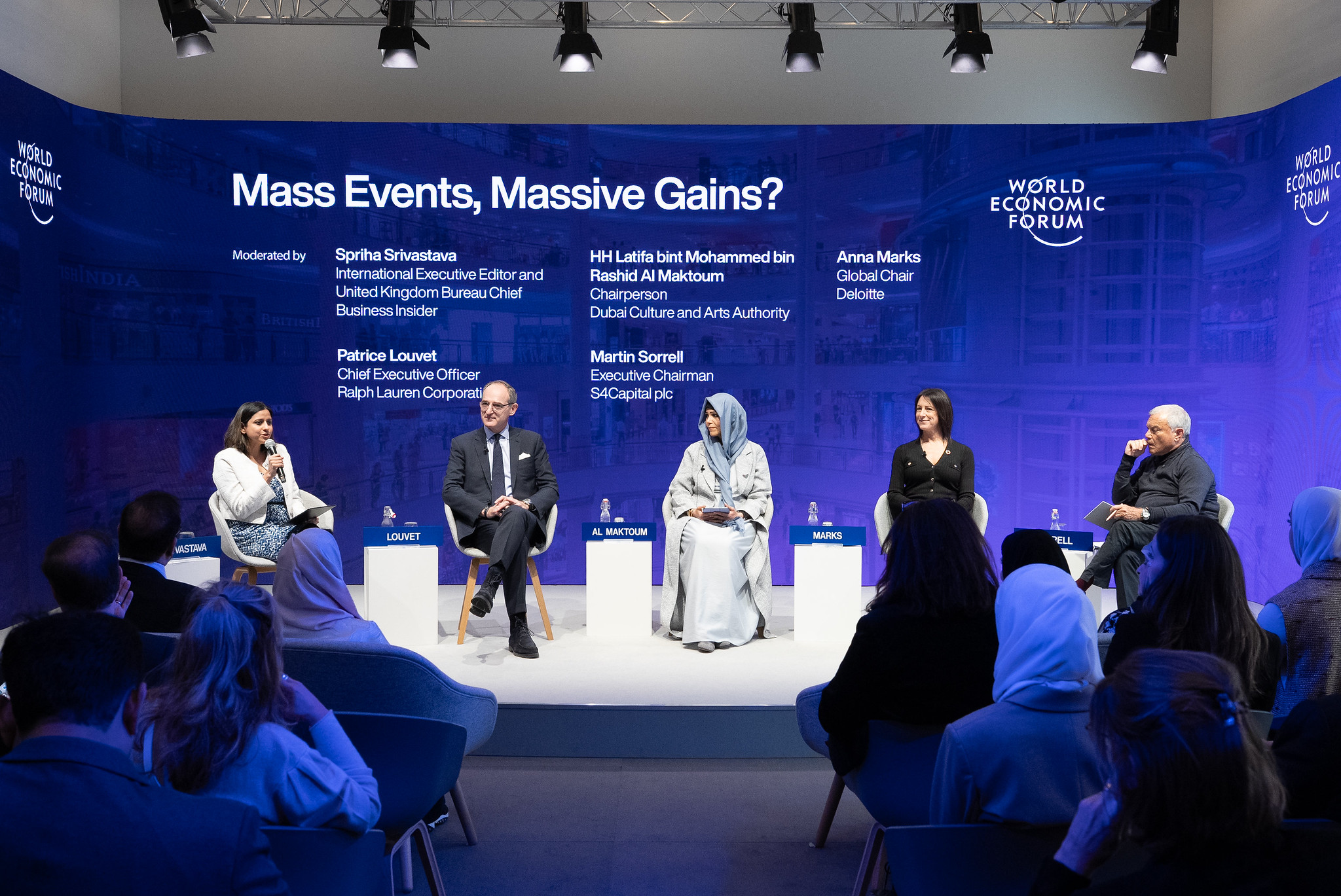
Sports As Global Economic Engine
A platform for conversation that defines sport's next decade - financial resilience, responsible ownership, AI and technology, fan experience, host-city legacy and community impact.

Sports Ecosystem Leaders Circle
Bring together foremost leaders from across the sports ecosystem to develop a vision for a resilient and inclusive global sports economy, elevating sports as strategic driver for growth and development.

Teaming Up for Progress
Share best practices, build coalitions and spark collaboration for collective action that addresses silos and move the industry forward
Financial resilience
As capital floods in and valuations hit record levels, the industry faces new questions about sustainable operating models, long-term value creation, and protecting the integrity of sport as a financial asset class.
Market Expansion
Major leagues and federations are pursuing international expansion, driving cross-border coordination, partnerships and market access.
Fan experience
Fan engagement is now global, continuous and participatory — across live, streaming, social, gaming and immersive technology. Fan experience is a core strategic lever shaping rights, sponsorship and governance.
Technological Revolution
AI is moving from experiment to operating model — automating back-office, personalising fans, optimising performance and safety. Competitive gaming illustrates how digital-native platforms are reshaping competition itself.
Infrastructure Transformation
Single-event arenas are giving way to year-round mixed-use districts — blending residential, retail, hospitality and transit — positioned as platforms for community benefit and long-term value creation.
Host-city Legacy
The World Cup, the Olympics and a new generation of mega-events are concentrating capital and political attention on cities. Without shared frameworks, the long-term economic and community returns of hosting are inconsistent and often underdelivered.
Inclusive Growth
Record industry growth is opening the door to record community impact. Translating commercial scale into measurable returns for cities, communities and emerging markets is the defining opportunity of sport's next decade.
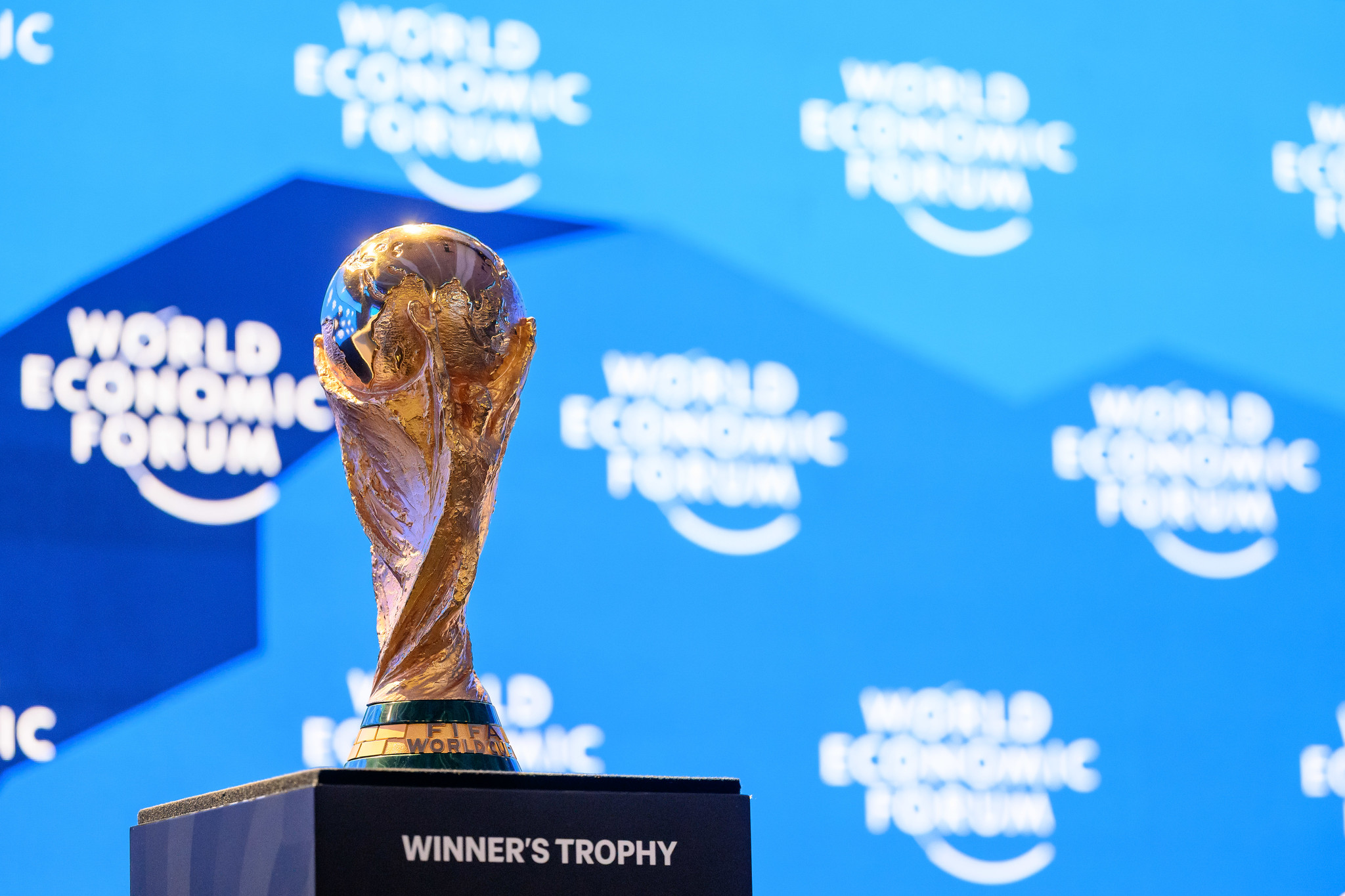
Davos Kick-off for FIFA World Cup 2026
The FIFA World Cup holds the title for being the world's most-watched sporting event and with 48 teams competing at the upcoming finals, it will be historic.
This year’s tournament will be hosted for the first time by three nations – Canada, Mexico and the United States – from 11 June to 19 July.
This session hosted in collaboration with FIFA in celebration of the world’s most popular sport.
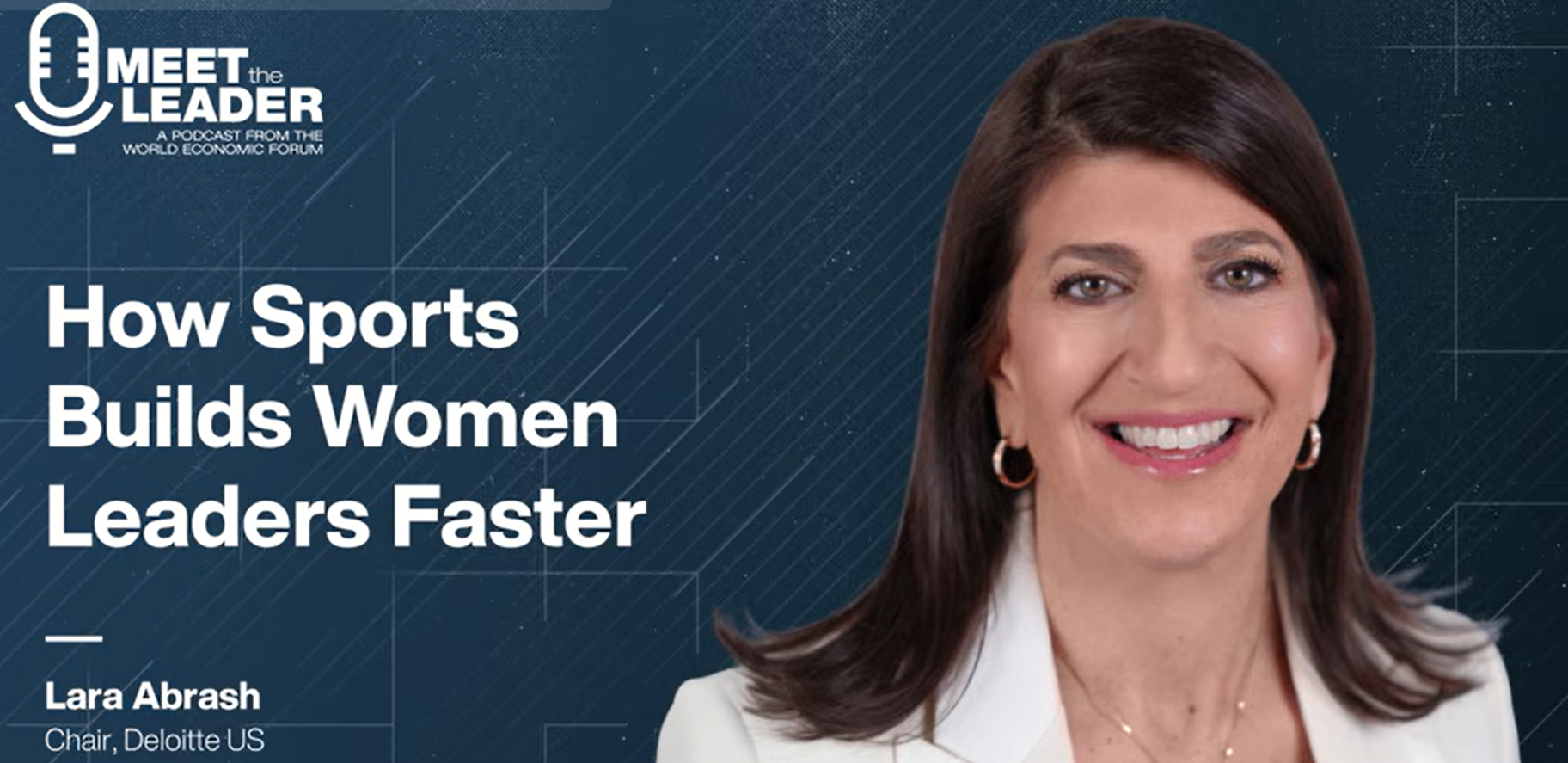
What women’s sports reveals about building future leaders