Highlights
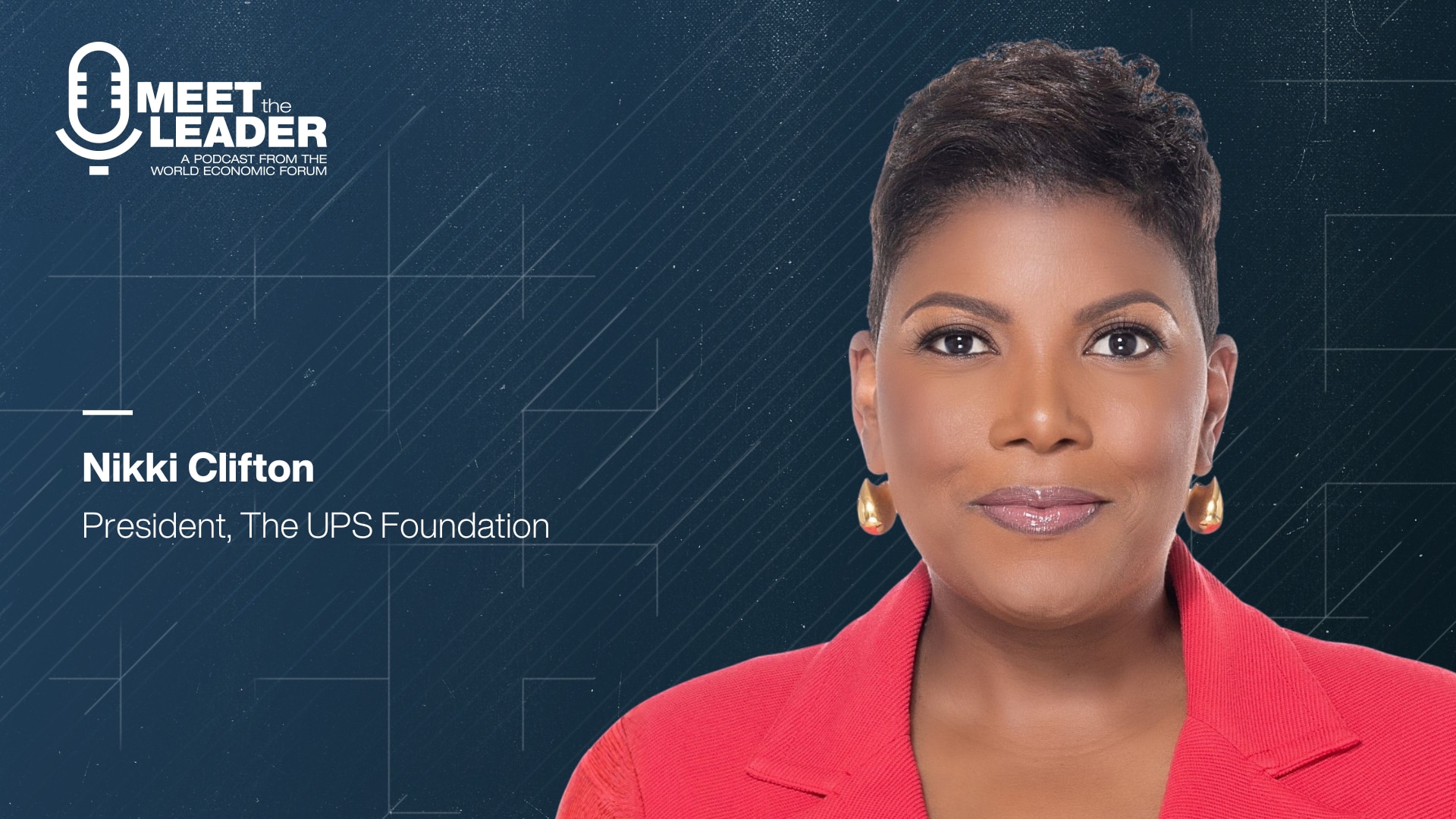
Meet the Leader: Nikki Clifton, UPS
How can leaders navigate a world roiled by a host of uncertainties, from the impact of AI to jobs and economies, to an ever-warming world and increasing geopolitical conflicts? They can start by asking the right questions. In this special episode, with interviews recorded in Davos, leaders share what's top of mind for 2026. They give their thoughts on how leaders can navigate the unknown, their strategies to focus on what matters most and the key questions they're looking to answer at the start the year.

Logistics Emergency Team in Davos
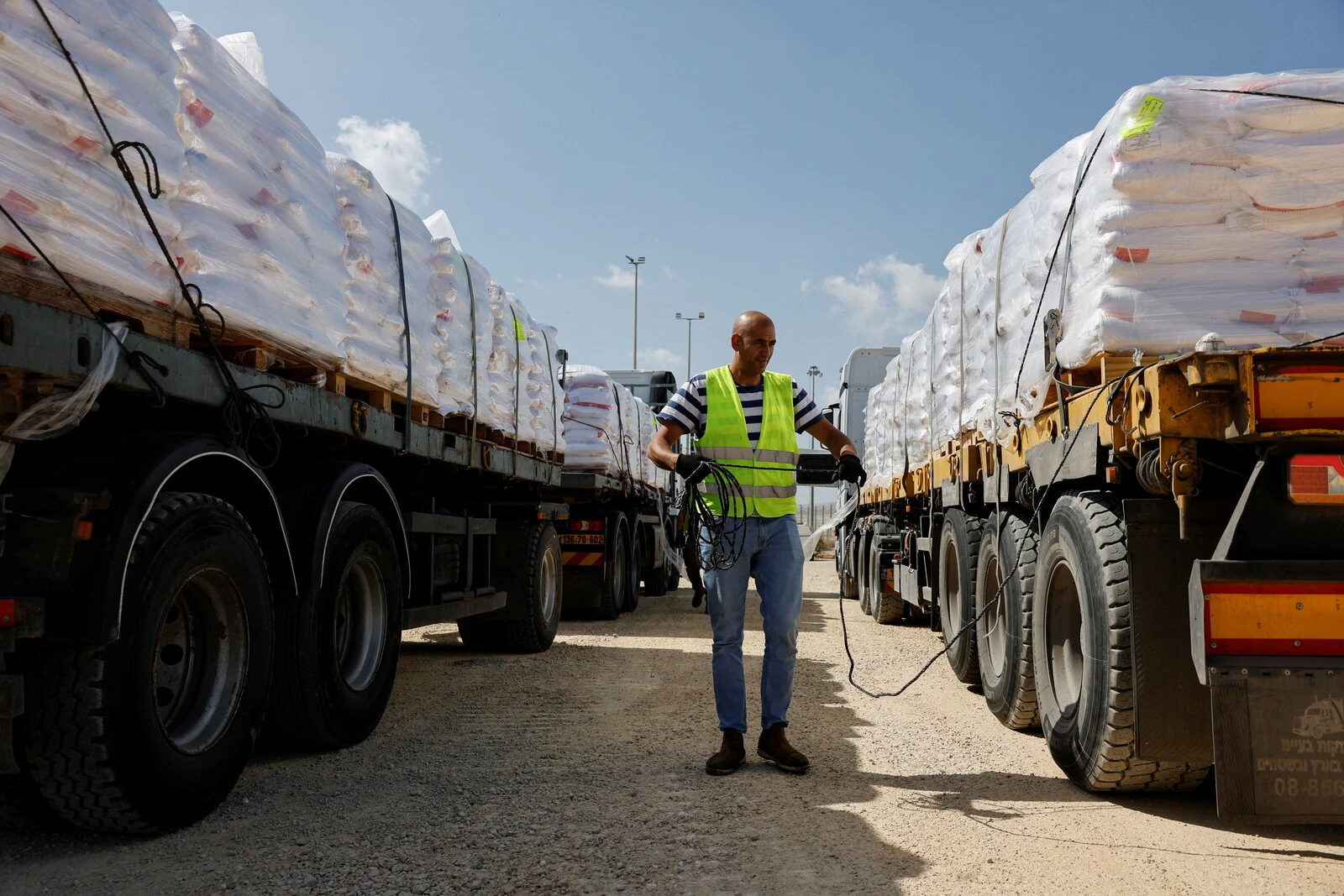
20 years of coordinating humanitarian aid

How four logistics companies stepped up relief efforts in humanitarian crises




LET Annual Report 2024
With its ongoing creation of the LET 2.0, the LET is evolving to meet the needs of an ever-changing humanitarian space and pioneering a cross-collaborative model between public and private sectors. LET’s operational achievements, particularly in supporting affected populations in Gaza, underscore its impact.
The Logistics Emergency Team: Pioneering a New Partnership Model
The case study shows how leading logistics companies created the Logistics Emergency Team to support the UN in major crises. It outlines how the partnership operates, how expertise and assets are mobilized, and the key lessons for coordinating a scalable public-private response.