AI is already driving real productivity gains, but organizations only capture their full value - and grow - when those gains are reinvested in people through skills as at scale. No organization can deliver that alone. Through the Reskilling Revolution, Workday is partnering to expand access to accessible learning, skills-based pathways into good jobs, and hands-on experience for millions of people across the globe.

Carl Eschenbach
Chief Executive Officer, Workday
JD.com is proud to be the first Chinese company to join the World Economic Forum's Reskilling Revolution Commitment. With over 900,000 employees, we are blending our physical resources and digital strengths to meet diverse job needs, creating lifelong career development programs for office teams and state-of-the-art skills training for our customer-facing colleagues, so everyone in our company and the business can keep pace with today's fast-evolving world.

Sandy Xu
Chief Executive Officer, JD.com
Skills development and lifelong learning improve the employability of workers, moving them into productive and decent work and helping to tackle inequalities. They also increase the productivity of enterprises through better quality and relevant training. The International Labour Organization welcomes the achievements of the Reskilling Revolution – another step in the quest for decent work and social justice.

Gilbert F. Houngbo
Director General, International Labour Organization (ILO)
The Reskilling Revolution was timely when WEF launched the initiative three years ago, and it is now even more urgent. On the one hand, technology improves people’s lives and creates a more connected world, on the other it contributes to growing polarization between those with the skills to take advantage of digitization and those without. As tech adoption continues at pace, increasing people’s employability and providing them with greater control of their prosperity and earning potential is critical to creating a future that is better for the many, not the few.
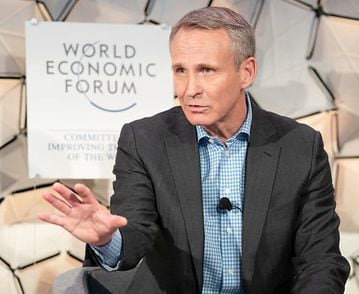
Jonas Prising
Chairman and Chief Executive Officer, ManpowerGroup
Our research shows us that jobs emerging in the global economy span a wide range of professions and skills. They will provide opportunities for workers of all backgrounds and educational levels. But for all of the opportunities that the new economy will bring, the stark skills and gender gaps that exist today – especially in these fast-growing and emerging jobs – must be addressed now if we want to ensure that the Fourth Industrial Revolution is an equitable one.
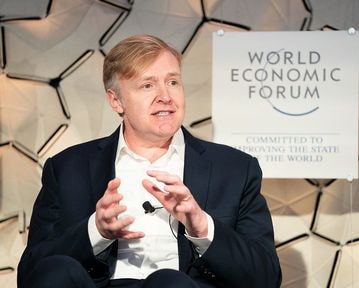
Allen Blue
Co-Founder and Vice-President, Products, LinkedIn
We are excited to partner with the World Economic Forum through the Reskilling Revolution initiative. As availability of digital talent continues to be one of the greatest barriers for enterprises to transform, organizations need to nurture a culture that enables talent – across disciplines and skills – to benefit from a continuum of lifelong learning that prepares them for the future of work. We are keen to help drive the transformation.
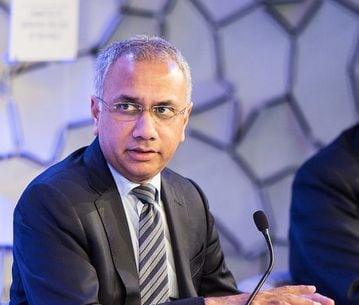
Salil Parekh
Chief Executive Officer and Managing Director, Infosys



Shaping the Future of Learning: Education Readiness for the Age of AI
The report explores the opportunities and risks emerging from the rapid integration of AI into education. The report introduces a practical AI Readiness Framework that helps policy-makers, educators, institutions, technology providers and communities assess whether the conditions are in place for responsible and effective adoption.
New Economy Skills: Building AI, Data and Digital Capabilities for Growth
This second instalment of the New Economy Skills series, developed in collaboration with Cognizant, analyses global supply and demand trends across AI, data and foundational digital skills, revealing rising employer expectations, uneven regional preparedness and accelerating wage premiums for advanced capabilities.
New Economy Skills: Unlocking the Human Advantage
The New Economy Skills series aims to provide guidance on skills that should be prioritized to ensure business and economies have the talent to deliver on innovation, resilience and growth priorities. This first instalment focuses on human-centric skills – the capabilities that allow individuals, organizations and societies to adapt to change and lead transformation.