Our impact

National impact

Supporting governments in establishing competitive industrial clusters at national level

Regional impact

Supporting companies and public institutions to better collaborate and develop a shared vision at cluster level.

Project impact

Supporting in the increase in the number of projects in industrial clusters reaching final investment decision.


25

governments engaged

43

industrial clusters

10

projects funded

43 industrial cluster clusters delivering impact via the TIC collaboration framework

The TEDA cluster developed and operates a circular economy and waste-free digital platform enabling cluster members to visualize and facilitate industrial symbiotic relationships to increase resilience, reduce landfill waste, taxes and related costs.  This was facilitated through: Visualization and Collaboration Platforms enable users to input standardized by-product exchange and emission data, simplifying carbon tracking and compliance proceduresBig Data and Analytics identify connections between waste by-products and resource demand, enabling intelligent matching between cluster companiesDigital Labels ensure waste traceability with real-time tracking from generation to recycling Since launching the platform four years ago, the TEDA cluster has: Connected 1,000+ enterprises Enabled 150+ industrial symbiosis relationships Reduced landfill waste by 0.98m tons Cut CO2 e emissions by 170,000 tonsStakeholdersGreen Partnership of Industrial Parks (GPIP), The Tianjin Economic-Technological Development Area (TEDA)Read the Briefing PaperExplore the Fact Sheet
Tianjin Economic-Technological Development Area (TEDA): Circular economy and waste-free digital platform
The ZCH Digital Twin models green and blue hydrogen and CCS-enabled decarbonization scenarios to assess infrastructure and supply chain impacts in the Humber region. Leveraging open data from the Open Data Initiative (ODI) to power the digital test-bed accelerator, the project supports data-driven decision making in reaching the UK’s net-zero goals and provides visibility for supply chain and industrial development opportunities. The project leveraged digital technologies such as:Digital Twins and Simulation Technologies are used to model and optimize H2 infrastructure, carbon storage and system-wide integration across the cluster Visualization and Collaboration Platforms help local communities and government stakeholders understand the project’s benefits The project has brought various benefits:Improved stakeholder engagement providing precise data highlighting the economic, social and supply chain benefits of hydrogen investments in the region. This facilitated informed discussions with government and regulators Assessed over 300 manufacturing companies across 728 components required for the project; seven manufacturing areas were found to provide significant investment opportunity through capacity scale-upThe digital testbed project was recognized by the ZCH consortium members as a potential replicable model for decarbonizing other industrial clustersStakeholdersZero Carbon Humber, The University of Sheffield Advanced Manufacturing Research Centre (AMRC), Microsoft, Avanade and AccentureRead the Briefing PaperExplore the Fact Sheet
Zero Carbon Humber: Digital twin for shared H2 infrastructure
Launched by the Port of Rotterdam Authority, the Starlings project involves six industrial plants and two grid operators to explore multi-utility (electricity, natural gas and heat flows) optimization across company borders. The project aims to enhance resource flexibility, lower utility costs and emissions and strengthen industrial resilience.  The Starlings project leveraged:Digital Twins and Simulation Technologies, to model in real-time the cluster energy systems for visualization, analysis and optimizationAI and Machine Learning, to forecast and optimize energy flow exchanges within the clusterVisualization and Collaboration Platforms with single participants and project-level dashboards, to show user-specific information. A marketplace/auction system supports trading within the cluster and with the external energy market As part of the pilot phase, participants use shadow operations to simulate real-world scenarios, while monthly planning cycles evaluate the impact on efficiency, costs and emissions. Industrial companies that participated retain control over their own flexibility, using an auction system to allocate resources where they provide the most value. A feasibility study conducted by the Port of Rotterdam indicated the project could: Achieve up to 5% energy cost savingsReduce 50 to 100 kilotons of CO2 emissions annuallyProvide 15MW of demand flexibilityStakeholdersPort of Rotterdam, Yokogawa and Distro EnergyRead the Briefing PaperExplore the Fact Sheet
Port of Rotterdam: Starlings Project to unlocking multi-utility flexibility
The Ordos-Envision Net Zero Industrial Park is attracting industries (such as EV and batteries manufacturing, renewable energy and hydrogen) to establish a green industrial park powered 80% by green electricity. The cluster uses an AIoT-integrated digital “Ark” platform to optimize energy production, storage and consumption in the cluster, cutting emissions and costs. This AIoT-integrated digital “Ark” platform leverages IoT, AI and strong visualization capabilities:Internet of Things (IoT) data is integrated in real-time for energy-carbon accounting and analysis AI and Machine Learning optimizes subsystem coupling, renewable redispatch, demand response and electricity trading to cut emissions and support net-zero goalsA Visualization and Collaboration Platform aggregates data from electricity, water and gas meters, enabling precise carbon accounting and full-process energy monitoring Thanks to a digitally integrated energy system with 12 large-scale enterprises participating, the cluster:Reduced by 10% energy costs for tenants Cut CO2 by 100 million tons per year Increased GDP by 300 billion yuan per year Attracted industrial activity, providing tens of thousands of employment opportunitiesStakeholdersThe Ordos-Envision Net Zero Industrial Park, Envision and the China National Institute of Standardization (CNIS)Read the Briefing PaperExplore the Fact Sheet
The Ordos-Envision Net Zero Industrial Park: AIoT-enabled energy and carbon platform
This collaboration between Kwinana Industries Council, Circular Ecosystems, Schneider Electric, Aveva and Realising Potential uses an advanced industrial intelligence platform to visualize, integrate and optimize a circular symbiotic model for industrial clusters. The model focuses on proponents’ inputs, outputs, waste and emission profiles. The objectives were threefold: Provide a governance framework that supports and informs the data collaboration process. Demonstrate the value of enhanced knowledge of inputs, outputs, waste and emissions. Demonstrate proof of value for circular economy principles that are actionable and scalable in industrial clusters and ports. With a more detailed understanding of proponents’ input, output, waste and emissions within the cluster, it is possible to visualize, integrate and optimize the data at a systems level. This enables enhanced resource efficiency within the cluster, with reduced waste and reduction in emissions. This demonstrates proof of value in an accelerated path to circularity in industrial clusters.StakeholdersKwinana Industries Council, Circular Ecosystems, Schneider Electric, Aveva Read the Briefing PaperExplore the Fact Sheet
Kwinana Industries Council: Digital intelligence powering circularity
The Net-Zero Basque Super Cluster is building a tool to promote, coordinate, track, measure and disseminate the deployment of the industrial decarbonization strategy in the Basque Country. The platform is aimed at the more than 170 stakeholders that make up the Industrial Decarbonization Forum in the Basque Country, representing 67% of industrial emissions there. Project objectives were to: Enhance the competitiveness of Basque companies in both demand and supply of decarbonization solutions by facilitating strategic connections.Foster the development of new R&D and investment decarbonization projects. Track the progress of industrial decarbonization in the Basque Country by monitoring CO2e emissions intensity per unit of industrial production. The Net-Zero Basque developed a digital tool to promote, coordinate, track and inform the deployment of an industrial decarbonization strategy in the region. This initiative has helped create understanding and standardization of energy consumption indicators, emission types and production metrics, enabling informed decision-making.Through this initiative, the Net-Zero Basque Super Cluster has been able to engage key industrial sectors that are the largest contributors to emissions in Basque industry, ensuring their active collaboration in the monitoring process. This collaborative effort now encompasses industries representing 67% of industrial emissions in the Basque Country, driving accountability and commitment towards a more sustainable industrial landscape.StakeholdersNet-Zero Basque Super ClusterRead the Briefing PaperExplore the Fact Sheet
Net-Zero Basque Super Cluster: TEK Radar
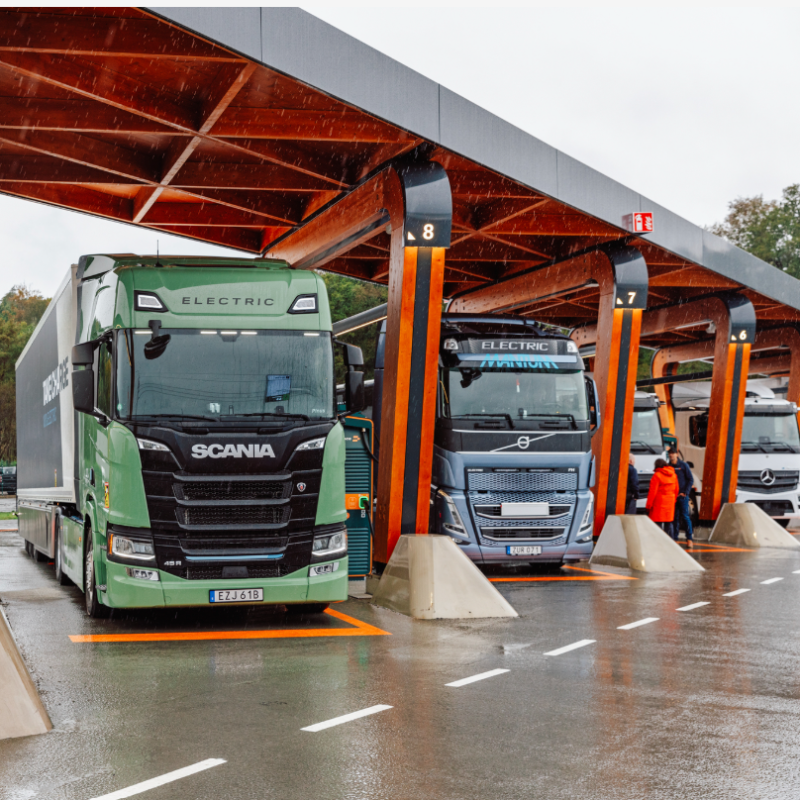
Milence, a joint venture between the TRATON GROUP, Daimler Truck and the Volvo Group, exemplifies how competitors can unite to mitigate individual risks while advancing mutual goals. With a €500 million investment, Milence is set to establish at least 1,700 high-performance public charging points across Europe by 2027, supporting the shift to zero-emission heavy-duty vehicles. This collaborative approach enables each partner to contribute without bearing the full financial and operational risk individually, pooling resources to accelerate sector-wide electrification. Strategic hubs like the Port of Antwerp-Bruges and Able Humber Port in the UK – scheduled to open in 2024 – are key to Milence’s network, offering essential connectivity to and within the European market. Milence conducts extensive regional research when selecting locations, ensuring charging stations align with the logistical needs of Europe’s freight sector, which carries nearly 80% of the EU’s land freight. By providing sustainable energy solutions for battery-electric trucks and coaches regardless of brand, Milence demonstrates how cross-industry cooperation, even amongst competitors, can create scalable infrastructure solutions that might otherwise be unattainable individually, driving the continent’s transition to cleaner, high-capacity transport. "We’ve come together with Daimler Truck and the Volvo Group to take a bold step towards the commercial vehicle industry’s transition to sustainable energy. Through this important collaboration, we harness shared strengths, drive impactful synergies and share risks in developing clean energy infrastructure for all to use." - Christian Levin, Chief Executive Officer, TRATON GROUPStakeholdersTRATON GROUP, Volvo Group and Daimler Truck
Competitors join forces to electrify Europe’s heavy-duty trucking sector via Milence
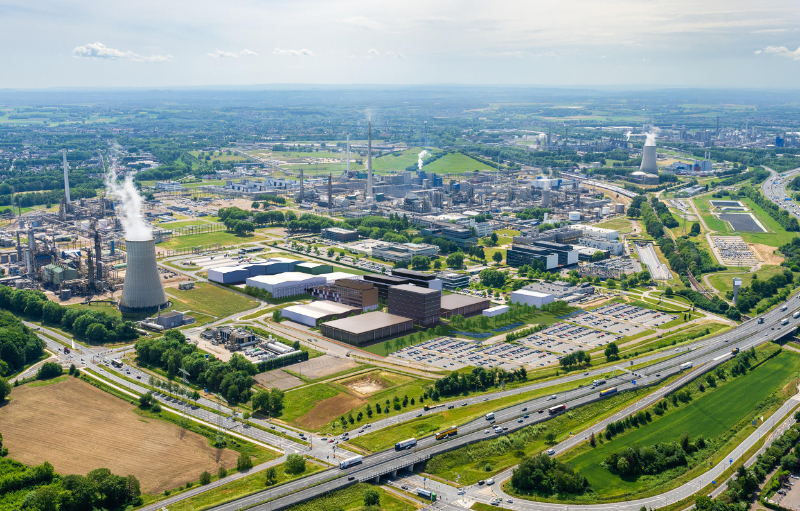
Brightlands Circular Space, part of an industrial innovation cluster in the Netherlands, has emerged as a model of effective governance, facilitating collaboration across sectors to develop and scale up innovations for a circular economy. The founding partners within the cluster, including Brightlands Chemelot Campus (an innovative ecosystem for green chemistry, circular materials and biomedical applications), the Netherlands Organization for Applied Scientific Research (TNO) and Maastricht University, enable collaboration among researchers, chemical industry third parties (SABIC, Fibrant, Dow, BASF via the Global Impact Coalition, Chemelot Industrial Park), engineers and entrepreneurs. The core partners also contribute to funding the cluster annually, with additional support from the EU and Dutch governments via the National Growth Fund for structural and durable economic growth. There are no additional governance layers within the Brightlands Circular Space beyond the founding partners. Instead, individual sustainability initiatives are developed through the cluster, each with unique governance structures created by the respective investing corporates and R&D groups, ranging from Dutch small- and medium-sized businesses (SMEs) to multinational corporations. This innovative governance approach has catalysed cooperation across the value chain, with members such as researchers, cross-industry partners, brand owners, entrepreneurs, students and designers collaborating on shared infrastructure planning and development. This shared infrastructure, owned by Brightlands Chemelot Campus, exists to catalyse innovation across industries housed on campus, with input from the likes of government and society. Cluster members also collaborate for shared commercial projects, cross-industry funding, knowledge sharing and reskilling the workforce. The Brightlands Circular Space’s governance structure has enabled the alignment of diverse stakeholders around a shared vision, advancing sustainable infrastructure, commercial projects and cross-industry development in pursuit of a circular economy. "The governance structure at Brightlands Circular Space has successfully facilitated collaboration among industry, academia and government, driving innovation and sustainable practices in the region. This inclusive model has resulted in increased investment, business growth and a skilled workforce, positioning the region as a leader in the circular economy." - Lia Voermans, Director, Innovation Strategy, Brightlands Chemelot CampusStakeholders Brightlands Chemelot Campus, the Netherlands Organization for Applied Scientific Research (TNO), Maastricht University, SABIC, Fibrant, Dow, BASF via the Global Impact Coalition, Chemelot Industrial Park, EU and Dutch governments
A governance model to maximize innovation at Brightlands Circular Space
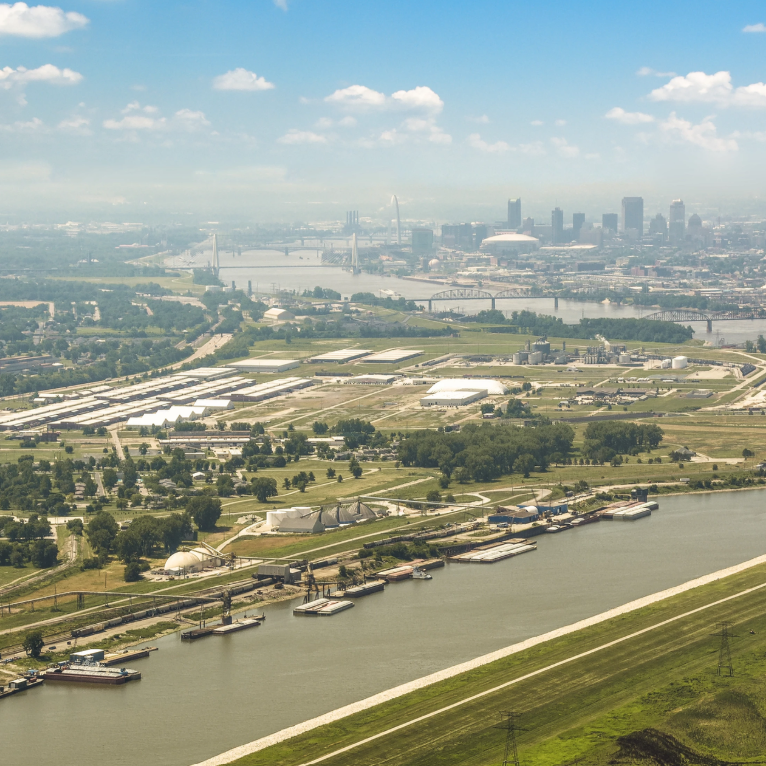
The Greater St. Louis and Illinois Regional Clean Hydrogen Hub industrial cluster in the US brings together a network of industries, businesses, community groups, and academic institutions to drive regional decarbonization. The cluster is following a corporate-led governance model convened by Ameren, a major regional utility player. Through this governance model, the cluster constituents are collaborating towards advancing both individual company and collective GHG emissions reduction goals by 2035. The vision for the cluster encompasses the region’s diverse industrial sectors – energy, steel, manufacturing and transport – alongside its existing infrastructure and natural resources. The governance model has supported review and communication of the vision by cluster constituents through a series of partnership meetings supported by the Forum’s Transitioning Industrial Clusters (TIC) initiative.  Building upon the cluster’s common vision, a recent study by EPRI’s Low Carbon Resources Initiative (LCRI) programme helped the cluster to identify its primary value propositions related to a broad set of low-carbon fuels (including eSAF, eMethanol, eMethane and renewable diesel) that can use the region’s transport infrastructure and agricultural feedstocks. Capitalizing on an established ethanol industry and the potential to use curtailed wind power for electrolysis, the cluster shows strong promise for locally produced renewable fuels, which would support regional aviation, maritime and energy needs, as well as opportunities for domestic and international exports. The renewable fuels regional model has the potential to create more than 1,100 jobs, add $635 million to gross domestic product (GDP), and reduce carbon dioxide (CO2 ) emissions by 1.4 million tons (approximately 1.27 million tonnes) per year. The next step in the cluster’s collaboration is to move from vision to execution by continuing to identify and develop key strategic partnerships for economical, low-carbon projects within the cluster. This will be driven by bilateral discussions between the corporate leadership of the cluster and key companies from the regional low-carbon fuels value chain. Orchestrating a robust governance foundation with the aim of developing low-carbon fuel production for domestic and international consumption will create system value benefits – including CO2 emissions reduction, jobs, GDP and energy security – for players in the cluster, their value chain and wider local region.  "This study is critical for our shared vision as a cluster, supporting new low-carbon fuel infrastructure for carbon reduction and regional economic growth." - Mark Fronmuller, Senior Vice President, Corporate Development, Environmental Strategy, Innovation and Enterprise Data, AmerenStakeholders Ameren, Electric Power Research Institute (EPRI) and industry within the Greater St. Louis and Illinois Regional Clean Hydrogen Hub
A regional fuel study helping a cluster identify its primary value propositions
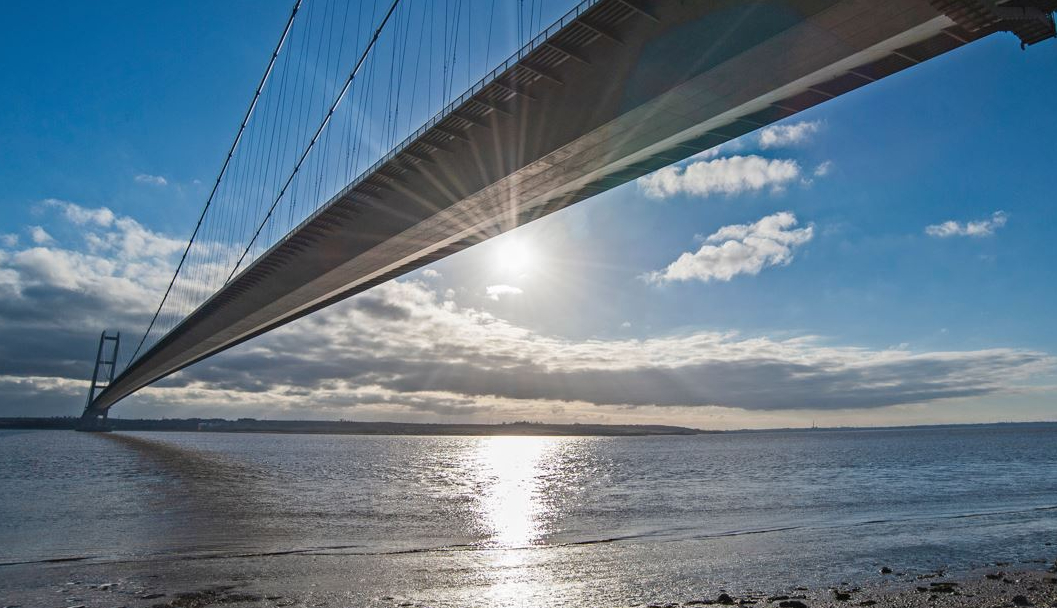
The establishment of the Humber Energy Board has significantly enhanced collaboration across the Humber cluster. By providing a cohesive platform, the board enables companies to collectively voice their priorities and concerns to policy-makers and decision-makers, strengthening the region’s influence on its key role in meeting the UK’s net-zero ambition. The cohesive partnership approach developed by the Humber Energy Board has helped align a range of projects within an overarching framework, making it easier to attract public and private investment for the decarbonization of Humber’s industry. This work has galvanized communication activities across Humber, working with a range of partners to provide clearer messaging of the potential of the region – within the UK and overseas – and reducing duplication of efforts. This is most clearly evidenced in the Humber 2030 Vision, which demonstrates the Humber has scope to be one of the largest circular economies in the world. Innovative decarbonization technologies have the potential to spur a more symbiotic relationship between businesses and projects in the region, maximizing efficiencies and delivering sustainable economic growth. With millions of pounds invested in preparatory design and investigative studies, businesses in the Humber now stand ready to work with the UK government on its hydrogen and CCUS allocation rounds. They are also prepared to support the further expansion of offshore wind capacity and invest over £15 billion to decarbonize industry and power generation across the region. "The board brings together the entire Humber energy ecosystem, ensuring that projects aren’t working in isolation but instead are part of a coordinated effort to build a more sustainable, low-carbon future for the region." - Jonathan Oxley, Senior Manager, Confederation of British Industry (CBI)StakeholdersHumber Energy Board, Confederation of British Industry (CBI) and industry across the Humber region
A strong governance structure aligns the priorities in the Humber region
The Net-Zero Basque Industrial Super Cluster (NZBIS) aims to accelerate the path to net-zero emissions in the Basque Country in Spain while creating market opportunities by scaling up new technologies and innovative services. To achieve this, it brings together the efforts of both the public and private sectors, represented by industrial cluster associations that encompass both energy demand and technological solution providers. Driven by the Basque Government, particularly through the Basque Business Development Agency (SPRI) Group, the cluster plays a key role in facilitating the energy transition. It aligns business needs with technological supply, encouraging investment in infrastructure priorities. What sets NZBIS apart is its collaborative framework, which unites public institutions, industry leaders, research and technology organizations and energy providers, building on over 40 years of cooperation between the local government and industry structured through industrial cluster policy. Focusing on five major industries (pulp and paper, cement, refining, steel and foundry) that account for 68% of the region’s GHG emissions, the cluster has developed sector-specific roadmaps for emissions reduction. It emphasizes innovation in green hydrogen, energy efficiency and digitalization while promoting systemic efficiency and circularity across industries. Notably, companies like Repsol (a global energy company, through its Basque subsidiary Petronor) and Iberdrola (a global utility company headquartered in the Basque Country) play key roles, using the cluster’s coordination to advance the region’s initiatives on hydrogen and electrification. One of the NZBIS’ key achievements is the establishment of the Industrial Decarbonization Forum, which brings together technology providers and industrial leaders to identify opportunities and drive collaborative decarbonization projects. According to SPRI Group, the NZBIS anticipates net-zero industrial emissions by 2050 and expects to generate €2-3 billion GDP and 20,000-30,000 jobs for the Basque Country. "The Basque cluster exemplifies how strong regional government leadership can drive the creation of clean energy hubs. By collaborating with key partners like Iberdrola and Petronor/ Repsol, we streamline priorities and align business needs, accelerating infrastructure investments in electrification and hydrogen. Our role as public facilitators enhances coordination among stakeholders, enabling us to address urgent clean power needs while fostering innovation and sustainable growth." - Cristina Oyon, Deputy Director General, SPRI GroupStakeholdersBasque Business Development Agency (SPRI) Group, Repsol via its Basque subsidiary Petronor and Iberdrola
The government-led Net-Zero Basque Industrial Super Cluster working effectively through a collaborative framework
Launched in February 2024, the Antwerp Declaration calls on European Commission President Ursula von der Leyen to strengthen the business case for investing in Europe. Backed by over 1,280 organizations across 25 industries, it presents 10 key actions to revitalize European industry, focusing on clear policy frameworks, legislative enhancements and initiatives to boost demand for low-carbon products. The Port of Antwerp-Bruges in Belgium is central to these efforts. Beyond its role as a major logistics and petrochemical hub, the port hosts large-scale infrastructure projects, including the development of a CO2 grid aimed at cutting CO2 emissions at the port by 50%, as well as hydrogen and ammonia infrastructure to support clean energy transitions. The port also provides concessions on its NextGen site for investors in recycling and clean technology at both commercial and demonstration scales. With extensive experience and resources, the Port of Antwerp-Bruges is uniquely positioned to support and amplify initiatives like the Antwerp Declaration, offering policy-makers critical insights into what is needed to retain and attract investments in Europe. "The Antwerp Declaration exemplifies how industry can come together to offer policy-makers a clear and well-informed framework, leveraging the knowledge and experience of industrial stakeholders to outline crucial actions for boosting Europe’s prosperity by protecting its industrial competitiveness and sustainability." - Jacques Vandermeiren, Chief Executive Officer, Port of Antwerp-BrugesStakeholdersEuropean Commission, Port of Antwerp-Bruges and over 1,280 organizations across 25 industries
Over 1,280 organizations unite to advocate for policy change in the Antwerp Declaration
As the energy transition accelerates, digital solutions are vital for managing complex infrastructure and underpinning low-carbon products and services from industrial clusters. In CCUS, digital platforms enable end-to-end monitoring, reporting and verification across the capture, transport, utilization and storage stages. These platforms ensure seamless data integration, operational alignment, and performance assurance for both equipment and products. For instance, in the Wabash Valley Resources’ (WVR) low-carbon ammonia project in the US, digital tools and solutions, provided by Baker Hughes, enable the measurement, monitoring and verification of CO2 . These tools offer real-time data, tracking and management capabilities across multiple facilities and stages, ensuring compliance and verification for permanent underground storage. This capability not only provides WVR with detailed oversight of the equipment performance and emissions reductions associated with its products, but also creates opportunities to expand its storage site into a regional infrastructure solution for a cluster of emission sources identified under the US Government’s CarbonSafe Initiative. Digital solutions like these are vital for advancing industrial decarbonization efforts and have the potential to be applied globally across diverse regions, industries and regulatory jurisdictions. "At Baker Hughes, we believe digital solutions enable existing and new infrastructure to reach their full potential. The many benefits that digital can unlock are improved performance and value, better project management, increased transparency, safer and more reliable services, and more sustainable practices. We do this using innovative software to help solve our customers’ toughest challenges and make energy safer, cleaner and more efficient for people and the planet." Lorenzo Simonelli, Chairman, President and Chief Executive Officer, Baker HughesStakeholdersWabash Valley Resources and Baker Hughes
Digital technologies enable low-carbon industrial clusters, underpinning the energy transition
Pooling demand for a new product or service is an effective strategy to mitigate risks associated with the upfront investment needed to scale supply. The Tranzero Initiative is a prime example of co-located companies – some of them traditionally being competitors – collaborating to create synergies for their energy transition. This initiative comprises Stena Line (one of Europe’s largest ferry companies), the Port of Gothenburg in Sweden and world-leading providers of transport solutions Volvo Group and Scania. It aims to establish a unified demand signal for clean energy, initially focusing on the decarbonization of the 1 million truck transports annually passing through the Port of Gothenburg, the largest port in Scandinavia. As concrete results of the Tranzero Initiative, charging infrastructure for electric trucks has been established, comprising a total of 14 charging stations at strategic locations in and close to the port. In the meantime, the number of electric trucks in the port area has increased from less than a handful to over 100. Also, in October 2024, a hydrogen filling station was inaugurated in the middle of the port area, specially designed to cater for trucks and port terminal equipment. Having identified the supply of green electricity as a crucial factor for scaling up the green transition, the partners of the Tranzero Initiative will now widen the cluster collaboration to focus on the aggregated demand for a larger industrial area shifting all sectors into renewable power. Under the name Tranzero Energy, the cluster will also understand how the demand will affect prices and availability of electricity at a certain place and point in time and how any negative effects can be mitigated. This can be achieved by flexible power consumption customized for the industry cluster, helping to reduce costly peak-hour electricity demand (peak shaving), which in turn stabilizes the grid by alleviating power constraints during high-demand periods. Due to this, potential negative effects on the willingness to shift to electrification in the transport industry due to unpredictable cost and availability can be reduced. The initiative will provide local and national policy-makers and utility companies with insights into the current and future demand for renewable power to be able to make informed investment decisions. "The Tranzero Initiative sends a strong message that collaboration is both essential and achievable in tackling future sustainability challenges. Joint efforts are crucial for overcoming barriers to accelerating availability of non-fossil energy and finding innovative ways to utilize existing resources. Initiatives like this pave the way for ongoing investments in cutting-edge solutions, as availability of non-fossil energy is a requirement for any vessel design." Niclas Mårtensson, Chief Executive Officer, Stena Line "At the Port of Gothenburg, we are proud to support the Tranzero Initiative by providing the necessary infrastructure and access to fossil-free fuels. Our collaboration with industry leaders to aggregate demand for clean power and fuels was essential in creating clear demand signals for this infrastructure. Together, we will provide comprehensive demand signals for clean fuels and power to fuel producers, utility providers and government." Göran Eriksson, Chief Executive Officer, Port of GothenburgStakeholdersStena Line, Port of Gothenburg, Volvo Group and Scania
Aggregating clean energy demand at the largest port in Scandinavia via the Tranzero Initiative
The UK government and Eni are working on one of the world’s first asset-based regulated carbon capture and storage (CCS) business models at the HyNet North West industrial CCS cluster, providing carbon transport and storage for hard-to-abate CO2 emissions in the North West of England and North Wales. This is part of the UK government’s CCUS commitment, which includes £21.7 billion of support for CCUS projects, as announced in October 2024. Through this business model, the government de-risks significant infrastructure projects by providing funds and creating vital certainty for large-scale private investment. Kickstarting with HyNet North West, a UK industrial cluster with carbon capture facility will be created, removing approximately 10 million tonnes of CO2 annually after 2030 and contributing significantly to the UK’s target of storing 20-30 million tonnes of CO2 annually by 2030. The HyNet cluster as a whole is estimated to provide £17 billion in economic value in the UK until 2050. The project will transform one of the UK’s most energy-intensive regions into one of the world’s first low-carbon industrial clusters, by reusing the depleted reservoirs operated by Eni in Liverpool Bay. HyNet will not only guarantee local employment, supporting the decarbonization of hard-to-abate industries, but will also be able to maintain the UK’s industrial competitiveness in the long term by creating new production chains and jobs. Moreover, Eni is expanding its CCS investments with the Bacton Thames Net Zero project in the South East of England, which aims to contribute to the decarbonization of the South East and the Thames regions.  "The UK government’s design of the funding mechanism has been instrumental in scaling the CCS industry by offering the certainty needed to de-risk clean energy infrastructure investments for the private sector. This strong public-private collaboration is crucial for driving the innovative projects that will power the energy transition and it reaffirms Eni’s role as a key partner with the UK in enabling its journey towards net zero." -Claudio Descalzi, Chief Executive Officer, EniStakeholdersEni and the UK Government
HyNet North West industrial cluster decarbonizing the North West of England and North Wales
Porthos – a project among the Port of Rotterdam Authority, Gasunie and EBN in the Netherlands – showcases how effective financing can drive low-emission energy infrastructure deployment by supporting both supply and demand. Porthos has received over €100 million in grants and subsidies from the EU for the development of CCS infrastructure.45 Through the Sustainable Energy Production and Climate Transition Incentive Scheme (SDE++), the Dutch government has committed €2.1 billion to support four major industrial players (Shell, ExxonMobil, Air Liquide and Air Products) in reducing their CO2 emissions by capturing and storing them under the North Sea. This is achieved through a 15-year operating subsidy from SDE++, enabling industries to cost-effectively reduce their emissions by bridging the cost gap between processes with and without CCS.46 Porthos aims to capture approximately 2.5 million tonnes of CO2 annually, drawn from industrial companies in Rotterdam’s port area, which is estimated to result in 37 million tonnes of CO2 being captured over a 15-year period. "This project is a vital step towards our ambitious goal of reducing CO2 emissions in the Rotterdam port area by 55% by 2030 and transforming into a carbon-neutral port by 2050. As one of Europe’s leading energy hubs, we’re dedicated to building the CO2 infrastructure and international connections needed to drive down emissions across European industry and foster a sustainable future together." - Boudewijn Siemons, Chief Executive Officer, Port of RotterdamStakeholdersthe Dutch Government, Port of Rotterdam, Gasunie, EBN, Shell, ExxonMobil, Air Liquide and Air Products
Public players and government deploy low-emission energy infrastructure and derisk use for private players
The Indo-Pacific Net-Zero Battery-Materials Consortium (INBC), comprising the Bakrie Group (an Indonesian conglomerate), Envision (a Shanghai-based energy company) and Glencore (a Swiss natural resources company), is leading efforts in vertical integration within the EV supply chain. This collaboration spans the entire supply chain, from mining raw materials and generating renewable energy to producing and distributing batteries. When launched, the INBC aimed to process approximately 94,000 tonnes of nickel annually – equivalent to 140 gigawatt hours (GWh) of nickel-based batteries, sufficient to power 2 million passenger EVs. The consortium also plans to develop 1 gigawatt (GW) of renewable energy capacity through a combination of onshore wind farms and natural gas-based combined-cycle power plants. Each consortium member brings its expertise to the initiative allowing to create synergies at different points of the supply chain: – Bakrie Group and Glencore: Oversee nickel mining and processing, contributing approximately 27% of the supply chain. – Envision and Bakrie Group: Lead clean energy generation, the establishment of a net-zero industrial park, and cathode and battery cell production, collectively accounting for around 44% of the supply chain. This collaboration is supported by the Indonesian and UK governments, aiming to secure low-carbon battery materials for gigafactories in the UK, France and Spain while establishing Indonesia’s first net-zero industrial park in Sulawesi. The initiative is expected to boost trade between Indonesia and the UK by over 30%, driving economic growth and advancing sustainability. In recent years, the battery industry landscape has undergone significant shifts, prompting INBC to revisit and refine their original intentions and strategies. Following initial studies, a change in EV adoption, influenced by macroeconomic and geopolitical challenges, has impacted their approach to this initiative. As a result, INBC is currently reviewing their original capacity plan to better align with the evolving industry dynamics. "By forming the INBC consortium alongside Envision and Glencore, we’ve harnessed our collective strengths and mitigated risks. This partnership positions us to play a pivotal role in the global EV supply chain while accelerating the development of battery gigafactories across the G7." - Anindya Novyan Bakrie, Chief Executive Officer, Bakrie GroupStakeholdersIndo-Pacific Net-Zero Battery-Materials Consortium, Bakrie Group, Envision and Glencore
Indo-Pacific Net-Zero Battery-Materials Consortium forms to harness collective strengths for the development of the EV supply chain
A green hydrogen valley in southern Spain that will connect to Northern Europe via a maritime corridor is laying the foundation for the continent’s clean energy future through decarbonizing industry as well as heavy transport. The Andalusian Green Hydrogen Valley, led by Spanish multinational energy company Moeve, will have an electrolysis capacity of 2 GW and produce up to 300,000 tonnes of green hydrogen per year by the end of this decade. The valley will also include a green ammonia plant and a green methanol plant with an annual production capacity of up to 750,000 tonnes and 300,000 tonnes, respectively. Tying it all together is Moeve’s “green hydrogen ring”, which draws on diverse supply sources, including renewable solar and wind power and biogas, to ensure the most optimal supply of green hydrogen at any time for final users. Altogether, green energy output from the valley can reduce CO2 emissions by 7 million tonnes per year. To enable the flow of green energy produced from the facilities in southern Spain into Northern Europe, Moeve has teamed up with the Port of Rotterdam to create a maritime corridor from the nearby Andalusian port of Algeciras. This strategic partnership uses Spain’s low-cost renewable power to produce green hydrogen and the Port of Rotterdam’s central role as a major logistics hub in Northern Europe, ensuring efficient distribution to energy-intensive nearby industries. Through the maritime corridor, the Andalusian Green Hydrogen Valley can support Rotterdam’s goal of supplying 4.6 million tonnes of green hydrogen to Northwest Europe by 2030. Adding to the logistical ecosystem, Moeve has also partnered with Yara Clean Ammonia to enable the transport of green hydrogen with ammonia as a carrier. Once in Rotterdam, the ammonia can either be used as a clean fuel for maritime transport or cracked back into hydrogen and distributed for use by heavy industry. This inland distribution will occur thanks to Moeve’s agreement with Gasunie, an energy infrastructure company involved in the Delta Corridor project linking Rotterdam with industrial clusters in Germany, Belgium and the Netherlands via pipelines. This collaboration exemplifies how global networks can efficiently connect regions with renewable energy resources to energy-intensive industrial areas, fuelling Europe’s energy transition. "The green hydrogen corridor between Algeciras and Rotterdam marks a major milestone in Europe’s energy transition because it provides an opportunity for significant levels of decarbonization in the very near future. It is the first step in establishing a network of global networks that will connect regions with abundant renewable resources, like southern Spain, to high-demand industrial hubs across Central and Northern Europe. The ecosystem of partnerships behind the corridor, as well as the Andalusian Green Hydrogen Valley, will accelerate decarbonization in the maritime and industrial sectors and also serve as a model for future collaborations that bridge the gap between supply and demand for green fuels. These partnerships are a critical step towards building a truly sustainable energy infrastructure for Europe." - Maarten Wetselaar, Chief Executive Officer, MoeveStakeholdersMoeve, Port of Algeciras, Port of Rotterdam, Yara Clean Ammonia and Gasunie
The maritime corridor connecting the Andalusian Green Hydrogen Valley with demand in Northern Europe
A clean maritime corridor between the Port of Houston in the US and the Port of Antwerp-Bruges in Belgium is creating a transatlantic link for clean hydrogen. Enabled by a unique set of dedicated hydrogen pipelines, three of six clean hydrogen storage assets, the largest portfolio of renewable plants in the nation and access to renewable and low carbon natural gas, the US Gulf Coast can harness low-cost clean hydrogen production to meet European demand. The Houston clean hydrogen ecosystem is using over 900 miles of hydrogen pipelines, representing 32% of global hydrogen pipeline infrastructure. The corridor will support the export of clean hydrogen, reducing emissions across sectors like transport and industry. This corridor also aims to facilitate the exchange of knowledge, best practices, and innovation. It connects two of the world’s largest chemical clusters, supporting shared decarbonization goals and advancing clean energy trade between the US and Europe. "The Texas Gulf Coast is well positioned to produce clean hydrogen at globally competitive costs. By establishing this corridor, we are able to leverage this strong position and fulfil the growing need for secure clean hydrogen supply in Europe." - Brett Perlman, Managing Director, Hydrogen Program, Center for Houston’s FutureStakeholdersPort of Houston, Center for Houston's Future and Port of Antwerp-Bruges
Port of Houston to Port of Antwerp-Bruges connected clusters to distribute low-cost clean hydrogen to Europe
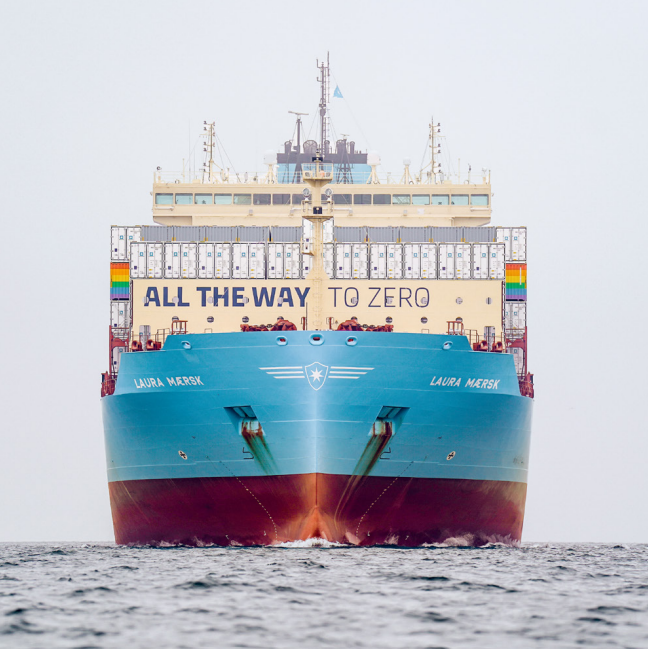
The Green Balance Mechanism or feebate was proposed by industry leaders such as A.P. Møller-Maersk, an integrated logistics company, to the International Maritime Organization (IMO), through the World Shipping Council. It aims to mitigate the green premium associated with clean fuels in the maritime industry, which will enable an uptake in demand of these fuels while establishing a net-zero fund for R&D projects and climate mitigation initiatives. This innovative approach incorporates a GHG fuel-intensity standard and establishes a fee on fossil fuels, redistributing the collected funds to support clean fuels. By doing so, it creates a strong incentive for fuel providers to invest in clean energy, accelerating economies of scale that will lower production costs and drive down prices. "The time to act is now if we are to meet our ambitious net-zero by 2050 target. The IMO stands at a pivotal juncture, where the decisions we make will define the future of decarbonizing the shipping industry. What’s needed is a mechanism that bridges the green premium, rewarding early adopters by compensating truly green vessels for their emissions reductions." - Vincent Clerc, Chief Executive Officer, A.P. Møller-MaerskStakeholdersInternational Maritime Organization (IMO), World Shipping Council, A.P. Møller-Maersk and other industry leaders
Green Balance Mechanism to incentivize the maritime sector’s energy transition

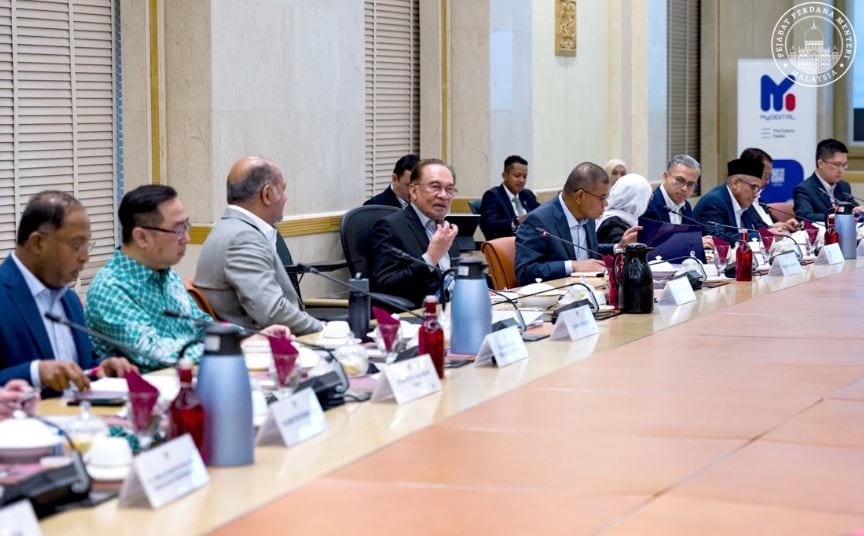
“The government agreed to adopt TIC as a national agenda as it is a strategic move that unites companies and public institutions to drive green economic growth, open up highly skilled job opportunities and reduce carbon emissions.”

Anwar Ibrahim 

Prime Minister of Malaysia
TIC in the news

Impact Story 2026

How industrial clusters act as engines of national competitiveness